


High Success IVF with Egg Donor in Tijuana | Over 40
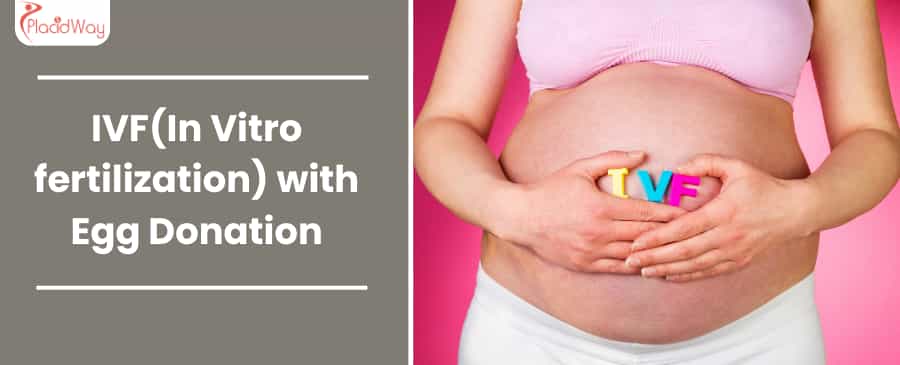
Navigating fertility treatments later in reproductive life often requires looking at alternative pathways to parenthood. For many prospective parents, cross-border reproductive care has become a practical solution. If you are exploring your options, understanding the medical, logistical, and financial realities of this treatment is an important first step.
Key Takeaways
- Using donor eggs from younger women helps bypass age-related declines in egg quality and quantity.
- Tijuana offers specialized fertility facilities situated conveniently close to the US border.
- Costs for donor egg IVF in Mexico are typically lower than those in the United States or Canada.
- Pregnancy over the age of 40 carries elevated maternal risks, requiring thorough pre-treatment screening.
- Patients should coordinate carefully with a local OBGYN for prenatal care after returning home.
Why is egg donation often recommended for women over 40?
As a woman enters her late 30s and early 40s, the proportion of eggs with chromosomal abnormalities (aneuploidy) increases significantly. This decline in egg quality can lead to lower fertilization rates, higher risks of miscarriage, and a decreased likelihood of bringing a healthy baby to term using her own eggs. By age 43 or 44, the statistical chance of a live birth using autologous (one's own) eggs through IVF drops considerably.
However, the uterus ages much more slowly than the ovaries. When a woman over 40 uses eggs from a younger, screened donor (typically in their 20s), the success rates mirror those of the donor's age group rather than the recipient's. This biological reality makes donor egg IVF one of the most effective assisted reproductive technologies for older patients.
What makes Tijuana a common destination for fertility treatment?
The rise of medical tourism in Tijuana is largely driven by its location just across the border from San Diego, California. For patients living in the United States, this proximity allows them to drive or take a short flight to Southern California, cross the border for their appointments, and sometimes return home the same day.
Many fertility specialists practicing in Tijuana have received portions of their training in the US or Europe and adhere to international protocols. Facilities often cater specifically to international patients by providing bilingual staff, patient coordinators, and modern laboratory equipment. This combination of accessibility and structured patient support makes the region a practical choice for complex treatments.
How does the egg donor screening process work?
Reputable clinics follow strict guidelines for selecting egg donors. While specific protocols can vary, standard screening procedures typically include:
- Ovarian Reserve Testing: Blood tests (like AMH) and ultrasounds to confirm the donor can produce a healthy number of eggs.
- Infectious Disease Screening: Testing for HIV, Hepatitis B and C, syphilis, and other sexually transmitted infections.
- Genetic Carrier Screening: Blood tests to determine if the donor is a carrier for common genetic conditions, such as cystic fibrosis.
- Psychological Evaluation: Consultations with a mental health professional to ensure the donor understands the implications of the process and is emotionally prepared.
- General Health Assessment: A review of the donor's personal and family medical history, ensuring a healthy BMI and lifestyle.
What are the typical steps for donor egg IVF abroad?
Treatments across borders are generally structured to minimize travel time. The process often begins with virtual consultations where the doctor reviews your medical history. You will then undergo baseline testing with your local gynecologist and forward the results to your international clinic.
Once cleared, you will select an anonymous donor from the clinic's database. If you have a male partner providing sperm, he may need to visit the clinic to provide a sample, which is then frozen, or you may transport a sample via a specialized medical courier. While the donor takes stimulation medications to produce eggs, you will take estrogen and progesterone to thicken your uterine lining. After the eggs are retrieved and fertilized, you will travel to the clinic for a brief, non-surgical procedure to transfer the embryo into your uterus.
What is the estimated cost of this treatment?
Financial accessibility is one of the primary reasons patients seek care outside their home country. In the US, a complete cycle of IVF using donor eggs can easily exceed $25,000 to $40,000 once donor agency fees, legal contracts, medications, and laboratory fees are tallied.
In Mexico, the lower cost of living, reduced administrative overhead, and structural differences in healthcare pricing allow clinics to offer more accessible rates. However, patients should remember that estimates can vary. Factors influencing the final price include the cost of recipient medications, whether you choose a fresh or frozen donor cycle, and if you opt for additional laboratory techniques like ICSI (Intracytoplasmic Sperm Injection) or PGT-A (Preimplantation Genetic Testing).
Are there specific maternal health risks for women over 40?
A successful embryo transfer is only the first step. The physical demands of pregnancy increase with age. Women over 40 face statistically higher risks of developing high blood pressure during pregnancy (preeclampsia) and gestational diabetes. There is also a higher likelihood of requiring a cesarean delivery.
Before proceeding with treatment, it is vital to undergo a comprehensive maternal-fetal medicine evaluation to ensure your heart, kidneys, and overall physiology can safely handle a pregnancy. Many clinics require a letter of clearance from a high-risk obstetrician or a primary care physician before they will agree to perform an embryo transfer on a patient in her mid-to-late 40s.
How do I choose a reputable fertility center?
Not all clinics operate under the same standards. It is important to research the credentials of the medical director and the embryology team. Check if the clinic is certified by Mexican health authorities (such as COFEPRIS) and whether they participate in international networks like the Red Latinoamericana de Reproducción Asistida (REDLARA).
During your initial consultation, ask specific questions about their donor screening protocols, their laboratory equipment, and how they handle complications. A reputable clinic will be transparent about the fact that no fertility treatment is guaranteed and will discuss your personalized chances of success based on your medical history rather than relying on generalized statistics.
How should I prepare for fertility treatments across the border?
Proper planning can significantly reduce the stress associated with traveling for healthcare. Begin by gathering your complete medical history, including past fertility treatments, gynecological surgeries, and recent bloodwork. Translate these documents if required, though many border clinics accept records in English.
Ensure your passport is valid for at least six months. While Tijuana is close to the US border, wait times at the crossing can be unpredictable, so planning your logistics carefully is important. Additionally, clarify how you will obtain your medications. Some patients purchase their cycle medications in Mexico to save money, while others prefer to have them prescribed to their local US pharmacy for convenience.
What happens if I experience complications after returning home?
While the embryo transfer procedure itself is generally low-risk, early pregnancy symptoms or complications—such as spotting, cramping, or an ectopic pregnancy—can occur once you are back home. Because the recipient does not undergo egg retrieval, the risk of Ovarian Hyperstimulation Syndrome (OHSS) is not applicable, but you may still experience side effects from estrogen and progesterone supplementation.
Your international doctor can offer guidance over the phone or via email, but they cannot physically examine you. Therefore, it is critical to have an established relationship with a local doctor who knows you underwent IVF and can perform necessary ultrasound checks or blood tests without delay.
Why Choose PlacidWay for Medical Tourism?
Navigating international healthcare options requires reliable information and clear communication. PlacidWay provides resources to help patients understand their choices abroad.
- Extensive Network: Access to a directory of fertility centers and specialists located in multiple international destinations.
- Comparison Tools: A platform that allows patients to review facility profiles, available treatments, and estimated costs side-by-side.
- Educational Resources: Informational guides that help patients understand medical tourism and what to expect during their journey.
- Multilingual Support Coordination: Assistance in facilitating initial contact and communication between patients and international medical teams.
- Established Presence: Years of experience in the medical tourism sector, helping connect individuals with healthcare providers globally.
Frequently Asked Questions
How many trips to Tijuana are normally required for donor egg IVF?
Patients typically make one or two trips. The first may be for an initial consultation, testing, and sperm deposit, while the second is for the embryo transfer. Some clinics allow the initial consultation to be virtual, reducing the requirement to just one trip.
Can I bring my partner's sperm, or must he travel to Tijuana?
While some clinics accept legally transported frozen sperm via specialized medical couriers, it is often easier and more cost-effective for the partner to provide the sample in person at the clinic in Tijuana.
Do Tijuana clinics use fresh or frozen donor eggs?
Clinics in Tijuana typically offer both options. Fresh donor cycles require synchronizing the menstrual cycles of the donor and recipient, while frozen donor eggs offer more flexibility in scheduling.
Is there an age limit for undergoing IVF in Tijuana?
Many clinics have an upper age limit for the recipient, often between 50 and 55 years old, to protect the health of the mother and baby. Each patient must undergo a rigorous medical evaluation to ensure they are healthy enough to carry a pregnancy.
Are egg donors in Mexico anonymous?
Yes, under Mexican guidelines, egg donation is typically strictly anonymous. Recipients usually receive detailed profiles including physical characteristics, medical history, and educational background, but identifying information is kept confidential.
Can I undergo PGT-A testing on embryos created with donor eggs?
Yes, Preimplantation Genetic Testing for Aneuploidies (PGT-A) is commonly available. Even though donor eggs come from younger women, some patients opt for this testing to further screen embryos for chromosomal abnormalities before transfer.
What happens if the first embryo transfer is not successful?
If you have additional high-quality embryos from your donor cycle, they can be frozen. You can then return to the clinic at a later date for a Frozen Embryo Transfer (FET), which is typically much less expensive than the initial cycle.
Will I need to stay in Tijuana for the entire two-week wait?
No, you usually do not need to stay in Mexico for the two-week wait. Most patients return home shortly after the embryo transfer and take their pregnancy blood test (Beta hCG) at a local laboratory.
How do fertility clinics in Tijuana handle patient privacy?
Reputable fertility centers adhere to strict medical privacy regulations similar to HIPAA in the United States. Patient records, treatment details, and donor matching information are kept securely and confidentially.
What medications will I need to take before the embryo transfer?
Recipients typically take a combination of estrogen and progesterone to build up the uterine lining and prepare the body for pregnancy. These medications are usually started a few weeks before the transfer and continued into the first trimester if pregnancy occurs.
Explore Your Fertility Options
Gather the information you need to make an informed decision about your reproductive journey. Compare clinics, understand the costs, and explore treatments available to you.
Request Treatment InformationReferences
- Age and Fertility - American Society for Reproductive Medicine (ASRM)
- Pregnancy at Age 35 Years or Older - American College of Obstetricians and Gynecologists (ACOG)
- Assisted Reproductive Technology (ART) Data - Centers for Disease Control and Prevention (CDC)
- A Patient's Guide to Donor Eggs - Society for Assisted Reproductive Technology (SART)
- Cross-Border Reproductive Care - National Institutes of Health (NIH) / PubMed
- Infertility Fact Sheet - World Health Organization (WHO)




.png)



















Share this listing