
Plastic Surgery in Mexico: Safety & Top Tips

When asking if plastic surgery in Mexico is a suitable choice, the answer largely depends on your willingness to do thorough research. Every year, thousands of international patients cross the border seeking aesthetic and reconstructive procedures. While the country boasts modern hospitals and highly trained specialists, patient outcomes are directly tied to the diligence used in selecting a provider.
The landscape of international healthcare requires careful navigation. Understanding the accreditation systems, evaluating credentialed professionals, and preparing for the logistics of international recovery are all vital steps for any patient considering this route.
Key Takeaways
- Board certification through the CMCPER is a critical indicator of a surgeon's training and qualifications in Mexico.
- Procedure prices are typically estimated to be 40% to 70% lower than in North America, primarily due to lower operating and living costs.
- Travel considerations, including waiting periods before flying, must be factored into your total recovery timeline.
- Establishing a local medical contact for follow-up care before you leave home is heavily advised by health organizations.
- Not all facilities maintain the same standards; seeking out JCI or CSG accredited clinics reduces medical risks.
How much does plastic surgery cost in Mexico?
Pricing is often the primary driver for patients exploring international medical options. The lower costs do not inherently indicate a lack of quality or substandard materials. Instead, they reflect the broader economic differences between countries, including lower real estate costs, reduced administrative overhead, and different malpractice insurance structures.
While costs are more accessible, patients should be wary of prices that seem unusually low even by local standards. An unusually cheap procedure may indicate that a facility is cutting corners on anesthesia providers, operating room sterilization, or post-operative monitoring. You should request a transparent, itemized quote that clearly outlines the surgeon's fee, anesthesiologist's fee, operating room costs, necessary garments, and overnight stays.
Is it safe to get plastic surgery in Mexico?
Safety in elective surgery relies on three main pillars: the surgeon's qualifications, the facility's emergency preparedness, and the patient's individual health status. Mexico has many highly skilled medical professionals who have trained internationally and adhere to rigorous safety protocols. Many modern facilities in popular medical destinations maintain sterilization and patient-care standards comparable to those found in North America.
Conversely, the risks increase significantly if patients prioritize budget over credentials. Complications such as infection, adverse reactions to anesthesia, or poor aesthetic outcomes are more common when procedures are performed in unaccredited, outpatient clinics by individuals lacking specialized surgical training. Ensuring your chosen physician is a specialized plastic surgeon, rather than a general doctor practicing cosmetic medicine, is paramount for your safety.
How do I verify a plastic surgeon's credentials in Mexico?
- CMCPER Certification: The Mexican Council of Plastic, Aesthetic and Reconstructive Surgery is the only official body that certifies plastic surgeons in the country. Their online directory allows patients to search for active, board-certified professionals.
- AMCPER Membership: The Mexican Association of Plastic, Aesthetic and Reconstructive Surgery represents fully trained specialists. Membership indicates ongoing professional education and adherence to ethical standards.
- International Affiliations: Many leading practitioners also maintain memberships in global organizations like the International Society of Aesthetic Plastic Surgery (ISAPS) or the American Society of Plastic Surgeons (ASPS) as international members.
- Hospital Privileges: A reputable surgeon should have operating privileges at major, accredited local hospitals, which requires them to pass the hospital's internal credentialing reviews.
- Verify Training: Ask about their educational background, specifically looking for completed residencies in general surgery followed by specialized fellowships in plastic and reconstructive surgery.
What should I look for in a plastic surgery clinic in Mexico?
Facility accreditation is just as critical as surgeon certification. Look for clinics or hospitals that are certified by the Consejo de Salubridad General (CSG), which is the Mexican equivalent of the Joint Commission. Some elite facilities also pursue Joint Commission International (JCI) accreditation, representing a global gold standard in patient safety and healthcare administration.
During your consultation phase, ask the facility about their specific emergency protocols. While complications are statistically rare in elective cosmetic surgery for healthy individuals, a well-equipped facility must be prepared for severe anesthesia reactions or unexpected bleeding. Opting for procedures within a full-service hospital rather than a standalone outpatient clinic can provide an extra layer of medical security.
How does medical tourism in Mexico work for cosmetic procedures?
The process typically begins months in advance. Patients use medical tourism guides and directories to shortlist potential providers. After submitting medical histories and photographs, patients attend virtual consultations to discuss goals, suitability, and expected outcomes. Once a procedure is agreed upon, medical clearance tests—such as blood work and EKGs—are usually required, either locally before travel or immediately upon arrival.
Logistically, the trip requires careful planning. Patients usually arrive a day or two before the surgery for in-person evaluations. Following the operation, it is standard practice to stay in a designated recovery house, hotel, or hospital recovery wing. This allows the surgeon to monitor the initial healing phase, remove drains or sutures, and clear the patient for international travel.
What are the potential risks and complications of traveling for surgery?
The physical stress of surgery combined with immobility during long flights or car rides significantly increases the risk of Deep Vein Thrombosis (DVT) and pulmonary embolisms. This is why surgeons dictate strict waiting periods before patients are allowed to board an airplane. Patients are often instructed to walk frequently, stay hydrated, and sometimes take blood-thinning medication as preventative measures.
Additionally, the Centers for Disease Control and Prevention (CDC) warns that traveling for medical care can expose patients to different healthcare environments. In the event of a severe complication, language barriers or differences in medical protocols can add stress to an already difficult situation. Understanding these risks emphasizes the need for selecting highly accredited facilities that prioritize strict infection control.
How long do I need to stay in Mexico after my procedure?
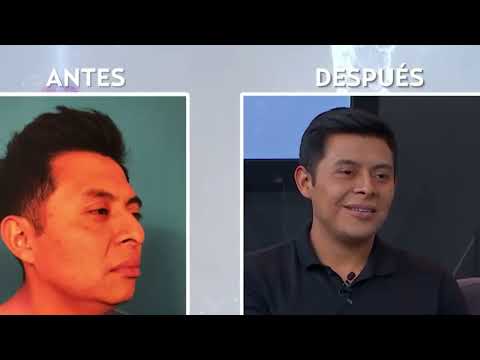
- Facial Procedures: Surgeries like rhinoplasty, blepharoplasty, or facelifts often require a stay of 7 to 10 days to monitor swelling and remove specialized sutures or splints.
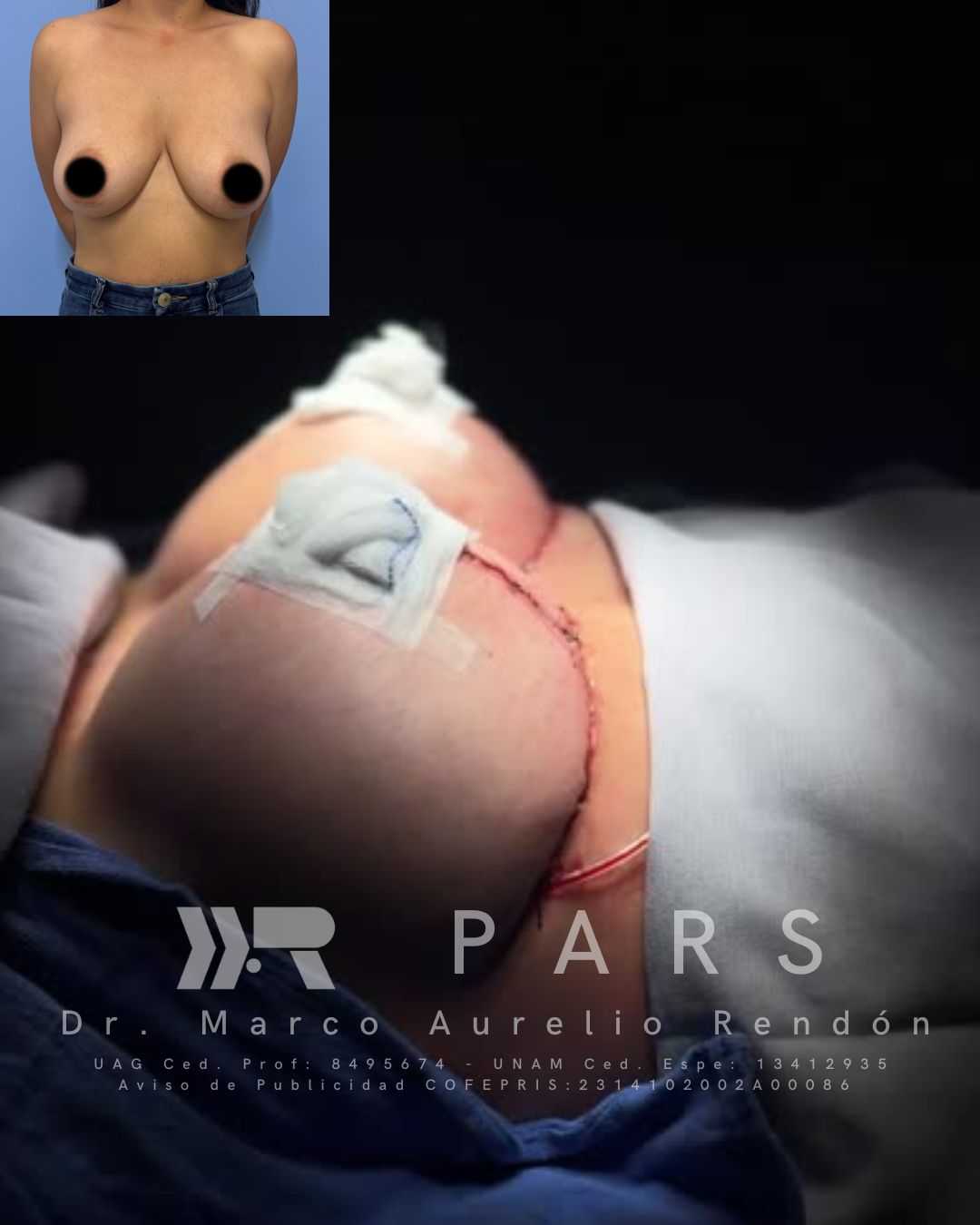
- Breast Surgeries: Breast augmentations or lifts may require a 5 to 7-day stay, provided there are no immediate signs of hematoma or infection.
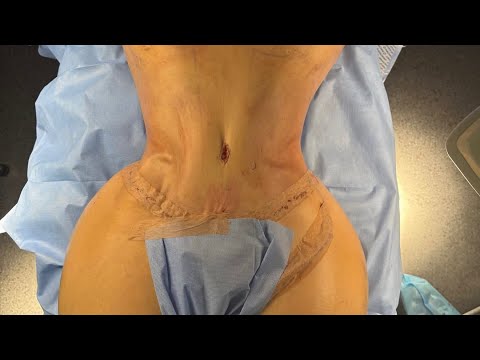
- Body Contouring: Procedures such as tummy tucks (abdominoplasty), Brazilian Butt Lifts (BBL), or extensive liposuction typically demand the longest stays, often requiring 10 to 14 days. These procedures require the management of surgical drains and have higher risks associated with early travel.
- Combination Surgeries: Patients undergoing a "Mommy Makeover" or multiple procedures at once may be advised to stay 14 to 21 days due to the compounding stress on the body and longer initial recovery phase.
- Surgeon's Discretion: Ultimately, only the operating surgeon can provide medical clearance for travel. You must be prepared to extend your stay if your healing progresses slower than anticipated.
What happens if I need revision surgery or develop complications back home?
Many domestic plastic surgeons are hesitant to take on the liability of treating complications from surgeries performed abroad, particularly if they are not familiar with the original surgeon's techniques. Because of this, it is highly recommended to establish a relationship with a primary care physician or a local plastic surgeon who agrees to handle your aftercare before you ever leave for Mexico.
In terms of revision surgery—which may be necessary if aesthetic goals are not met or if minor asymmetries occur—policies vary by clinic. Some international providers offer to perform revision surgery with waived surgeon fees, but the patient is almost always responsible for paying for flights, accommodations, operating room time, and anesthesia again. You should request clear, written documentation of the clinic's revision policy during your initial consultation.
Who is a good candidate for traveling for cosmetic surgery?
Suitability for surgery is determined through extensive medical evaluation. Patients with pre-existing conditions such as uncontrolled diabetes, high blood pressure, bleeding disorders, or cardiovascular disease are generally advised against elective surgery, especially when it involves international travel. Elevated Body Mass Index (BMI) is also a significant factor; many ethical surgeons enforce strict BMI cut-offs to minimize anesthesia risks and post-operative complications.
Psychological readiness is equally important. The physical toll of surgery is compounded by the stress of being in a foreign environment away from your primary support system. A suitable candidate approaches the process with patience, understands that recovery timelines vary, and has a reliable companion traveling with them to assist with daily tasks during the vulnerable immediate post-operative phase.
Why Choose PlacidWay for Medical Tourism in Mexico?
Navigating international healthcare requires access to clear, organized information. PlacidWay provides a platform designed to help patients research their options effectively.
- Extensive Provider Listings: PlacidWay aggregates profiles of numerous clinics and hospitals across various Mexican cities, allowing for side-by-side comparison.
- Educational Resources: The platform offers articles and guides detailing different procedures, typical recovery timelines, and general travel health considerations.
- Direct Connections: Patients can use the platform to request information and initiate direct contact with medical facilities to ask specific questions about credentials and costs.
- Multilingual Support: The platform facilitates communication for international patients, helping bridge potential language barriers during the initial inquiry phase.
- Diverse Destinations: PlacidWay includes information on various medical hubs in Mexico, such as Tijuana, Cancun, Guadalajara, and Mexico City, allowing patients to find locations that suit their needs.
Frequently Asked Questions
Can I fly immediately after having plastic surgery in Mexico?
No, you typically cannot fly immediately after surgery. Air travel increases the risk of deep vein thrombosis (DVT) and pulmonary embolism after major operations. Surgeons usually require patients to wait anywhere from a few days to several weeks before flying, depending on the complexity of the procedure.
Do Mexican plastic surgeons speak English?
Many plastic surgeons and clinical staff who frequently work with international patients are bilingual and speak fluent English. However, this varies by facility, so you should confirm the language capabilities of your chosen clinic during the initial consultation.
What is the AMCPER?
AMCPER stands for the Asociación Mexicana de Cirugía Plástica, Estética y Reconstructiva. It is the recognized professional organization for plastic surgeons in Mexico. Membership indicates that a surgeon has completed required specialized training and is properly credentialed.
Does US health insurance cover cosmetic surgery in Mexico?
Standard US or Canadian health insurance policies rarely cover elective cosmetic surgery, regardless of whether it is performed domestically or internationally. If a procedure has a reconstructive medical necessity, some international coverage might apply, but you must verify this extensively with your provider beforehand.
Are medical facilities in Mexico regulated?
Yes, medical facilities are regulated by the Mexican government. The primary regulatory body is COFEPRIS (Federal Commission for the Protection against Sanitary Risk). High-quality hospitals often also seek certification from the Consejo de Salubridad General (CSG) or international bodies like JCI.
Can I combine my surgery with a vacation?
While many people travel to resort areas for surgery, medical professionals advise against engaging in standard vacation activities like swimming, sunbathing, or drinking alcohol after an operation. Your trip should focus primarily on rest, recovery, and attending follow-up appointments.
What payment methods are typically accepted in Mexico?
Reputable clinics typically accept major credit cards, international wire transfers, and sometimes cash. Be cautious of facilities that demand large deposits solely in cash or use unverified payment portals.
Do I need a passport to travel to Mexico for medical care?
Yes, international travelers, including citizens of the United States and Canada, must present a valid passport to enter Mexico by air, land, or sea, and to return to their home countries.
Are the anesthesia protocols similar to those in the US?
Accredited surgical centers in Mexico follow international anesthesia protocols and employ board-certified anesthesiologists. You should always verify that a dedicated anesthesiologist, rather than a nurse anesthetist alone, will monitor you during surgery.
How do I handle post-operative prescriptions after returning home?
Foreign prescriptions are generally not accepted at US or Canadian pharmacies. You must either purchase your required medications in Mexico before returning home or coordinate with your local primary care physician to write domestic prescriptions for your aftercare.
Compare Treatment Options in Mexico
Gather information, review credentialed facilities, and request details about your specific procedure needs to help make an informed decision.
Request Treatment InformationReferences
- Medical Tourism Guidelines – Centers for Disease Control and Prevention (CDC)
- Patient Safety and International Travel – American Society of Plastic Surgeons (ASPS)
- Directory of Certified Surgeons – Consejo Mexicano de Cirugía Plástica, Estética y Reconstructiva (CMCPER)
- Professional Standards and Membership – Asociación Mexicana de Cirugía Plástica, Estética y Reconstructiva (AMCPER)
- Global Statistics on Aesthetic Procedures – International Society of Aesthetic Plastic Surgery (ISAPS)
- Healthcare Accreditation Standards – Joint Commission International (JCI)
- Safe Surgery Guidelines – World Health Organization (WHO)























Share this listing