
Finding the Best BBL Surgeon in the Dominican Republic (2025)
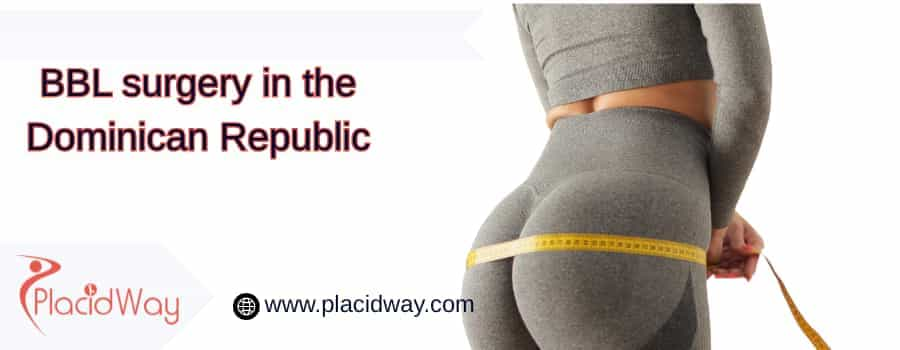
When patients search for the "best" surgeon to perform a BBL in the Dominican Republic, they often look for rankings or simple lists. However, identifying the most appropriate medical professional is a highly individualized process. A surgeon who is ideal for one patient may not be the right fit for another based on specific anatomical needs, medical history, and aesthetic goals.
Instead of relying on subjective claims, patients should focus on objective criteria. This includes confirming specialized board certifications, understanding the specific surgical techniques the doctor utilizes, and evaluating the safety protocols maintained by their surgical facility. Medical decisions should always prioritize safety and rigorous standards over popularity or social media presence.
Key Takeaways
- The "best" surgeon is subjective; prioritize board certification through recognized bodies like SODOCIPRE.
- Patient safety requires strict adherence to ultrasound-guided, subcutaneous fat injection.
- Estimated costs for the procedure generally range from $3,500 to $6,000, varying by clinic and patient needs.
- A post-operative stay of at least 10 to 14 days is typically advised for safe recovery and monitoring before flying.
- Thoroughly researching the surgical facility's emergency protocols is just as crucial as selecting the surgeon.
What qualifications should a BBL surgeon in the Dominican Republic have?
In the Dominican Republic, credible plastic surgeons are typically active members of the Dominican Society of Plastic, Reconstructive and Aesthetic Surgery (SODOCIPRE). Membership in this organization generally indicates that the surgeon has completed the required medical education, a specialized residency in plastic surgery, and continues to adhere to local medical standards. Checking this affiliation is a fundamental first step in verifying a doctor's credentials.
Beyond local certification, many highly qualified surgeons also hold memberships in international bodies, such as the International Society of Aesthetic Plastic Surgery (ISAPS) or the American Society of Plastic Surgeons (ASPS). These affiliations often require ongoing continuing medical education and a commitment to international safety protocols.
Experience specifically with gluteal fat transfer is also vital. Because this procedure involves complex anatomy, you should discuss how often the surgeon performs it, what their specific complication rates are, and how they handle unexpected medical events during surgery.
How much does a BBL cost in the Dominican Republic?
Pricing for a Brazilian Butt Lift can fluctuate significantly depending on several factors. The base price typically covers the surgeon’s fee, anesthesiologist fees, operating room use, and basic medical supplies. Surgeries that require more extensive liposuction across multiple areas of the body to harvest enough fat will naturally cost more due to the extended time required in the operating room.
When reviewing quotes, patients must carefully clarify what is and isn't included. Some clinics offer comprehensive packages, while others bill separately for necessary post-operative items. Additional expenses often include:
- Pre-operative medical clearances, lab work, and cardiovascular tests.
- Post-surgical compression garments (fajas).
- Prescription medications for pain management and infection prevention.
- Post-operative lymphatic drainage massages.
- Lodging, recovery house fees, and international travel expenses.
What safety protocols are standard for a BBL?
Safety begins long before the patient enters the operating room. Surgeons typically require extensive blood panels, electrocardiograms (EKGs), and medical clearance from a cardiologist or primary care physician. Patients with high body mass indexes (BMIs), severe anemia, uncontrolled diabetes, or cardiovascular issues are generally not considered safe candidates for this procedure.
During the surgery itself, the most critical safety protocol involves how the fat is reinjected. International aesthetic surgery guidelines strongly mandate that fat must only be injected into the subcutaneous tissue (the layer of fat just beneath the skin) and never into or below the gluteal muscle. Intramuscular injection dramatically increases the risk of damaging large blood vessels.
To ensure precise placement, many modern practices utilize real-time ultrasound guidance. This technology allows the surgeon to visually confirm the tip of the cannula remains safely above the muscle layer throughout the entire fat transfer process, significantly mitigating life-threatening risks.
How does a Brazilian Butt Lift procedure actually work?
The term "Brazilian Butt Lift" is slightly misleading, as the procedure does not involve lifting the tissues surgically; rather, it restores or adds volume to alter the contour and shape of the buttocks. The surgery is usually performed under general anesthesia and begins with liposuction. The surgeon harvests fat from predetermined donor areas, which often include the abdomen, flanks, back, or thighs.
Once the fat is collected, it cannot be immediately reinjected. It must undergo a processing phase where it is purified using a centrifuge or decanting system. This step separates the viable fat cells from tumescent fluid, blood, and cellular debris. Only the healthy, purified fat cells are retained for the transfer.
In the final stage, the surgeon uses specialized cannulas to meticulously inject small amounts of the purified fat into the subcutaneous space of the buttocks. By placing the fat in multiple distinct layers just beneath the skin, the surgeon encourages the new fat cells to establish a blood supply, which is critical for their survival and the long-term success of the procedure.
What are the main risks and complications of gluteal fat transfer?
All surgical procedures carry inherent risks, but gluteal fat transfer requires specific caution due to its unique complication profile. The most severe risk associated with a BBL is a pulmonary fat embolism (PFE). This life-threatening emergency occurs if fat is accidentally injected into the deep gluteal veins located within or below the muscle. The fat can travel to the heart and lungs, causing severe respiratory distress or sudden death. This is why adherence to subcutaneous-only injection is medically critical.
Other potential, less severe complications include:
- Infection: Any incision can become infected, requiring antibiotics or further medical intervention.
- Fat necrosis: Some transferred fat cells may die, leading to hard lumps under the skin.
- Asymmetry and contour irregularities: The body may absorb fat unevenly, requiring a revision surgery to correct aesthetic imbalances.
- Seromas: Fluid can accumulate in the areas where liposuction was performed, sometimes requiring drainage.
- Skin necrosis: Poor blood supply can cause skin tissue death in extreme cases.
How do I evaluate a BBL clinic in the Dominican Republic?
Selecting the right facility is just as vital as choosing the right surgeon. In the Dominican Republic, legitimate clinics and hospitals must be authorized and regularly inspected by the Ministry of Public Health. Patients should request to see evidence of this accreditation before committing to any treatment plan.
Beyond basic accreditation, patients should ask detailed questions about the facility's emergency preparedness. Find out if the clinic has a dedicated intensive care unit (ICU) on-site or if they have an established, rapid transfer protocol with a nearby major hospital in the event of a critical complication. Operating rooms should be equipped with modern monitoring technology, sterile environments, and a board-certified anesthesiologist present for the duration of the surgery.
Additionally, transparency is a key indicator of a reputable clinic. A trustworthy medical facility will readily provide comprehensive information about potential risks, provide detailed written estimates of costs, and allow you to speak directly with the medical team prior to making financial deposits.
What is the typical recovery timeline after a BBL?
The post-operative phase for a gluteal fat transfer is demanding and requires strict adherence to the surgeon's instructions to ensure both safety and optimal fat survival. Patients are generally instructed to sleep on their stomach or sides and to avoid sitting directly on their buttocks for several weeks. When sitting is unavoidable, a specialized BBL pillow is used to place pressure only on the thighs.
During the first few weeks, swelling and bruising are pronounced in both the liposuctioned areas and the buttocks. Patients must wear a specialized compression garment, often called a faja, to minimize swelling and support the newly contoured tissues. Many surgeons also prescribe a regimen of lymphatic drainage massages to help clear excess fluids.
While most patients can return to light, non-strenuous work within two to three weeks, heavy lifting, strenuous exercise, and intense cardiovascular activities are usually restricted for six to eight weeks. It is important to note that the body will naturally absorb some of the transferred fat; the final shape and volume are typically visible around three to six months post-surgery.
Why is medical tourism in the Dominican Republic popular for plastic surgery?
The Dominican Republic has established itself as a major hub for aesthetic surgery, drawing thousands of international patients annually. One of the primary drivers is the cost difference; surgical procedures, facility fees, and post-operative care can be notably lower than comparable services in the United States, Canada, or the United Kingdom. This financial accessibility allows patients to afford procedures that might otherwise be out of reach.
Furthermore, the country has developed a robust infrastructure specifically catering to medical tourists. This includes specialized clinics, bilingual medical staff, and numerous recovery houses designed to provide post-operative care, meals, and transportation to follow-up appointments.
However, the popularity of the destination also means patients must exercise profound diligence. The presence of a large medical tourism market inevitably attracts practitioners of varying skill levels. Patients must independently verify credentials and not rely solely on medical tourism facilitators or social media marketing when making their final healthcare decisions.
How long do I need to stay in the Dominican Republic after surgery?
Planning adequate time for post-operative recovery before traveling internationally is a critical safety requirement. Following a complex procedure like a BBL, the body undergoes significant stress. Board-certified surgeons generally require international patients to remain locally for a minimum of 10 to 14 days, though some complex cases may require longer stays.
This extended stay serves multiple medical purposes. Primarily, it allows the surgical team to monitor the patient for early signs of infection, seromas, or compromised blood flow. It also provides time for the removal of surgical drains and sutures during scheduled follow-up visits.
Crucially, flying too soon after surgery significantly increases the risk of developing deep vein thrombosis (DVT)—blood clots in the legs—which can travel to the lungs and cause a pulmonary embolism. The combination of surgical trauma, restricted mobility, and the pressurized cabin of an airplane creates a high-risk environment, making a delayed return flight an essential component of safe medical tourism.
Why Choose PlacidWay for Medical Tourism Research
PlacidWay provides educational resources and connects patients with healthcare facilities worldwide. Here is how our platform assists patients:
- Global Directory: Access a comprehensive database of medical centers and specialists across various international destinations.
- Provider Profiles: Review detailed profiles containing information about doctors' educational backgrounds and professional certifications.
- Cost Comparisons: Request estimated pricing structures directly from multiple clinics to help plan your medical budget.
- Patient Education: Utilize our library of articles and guides to understand procedures, preparation, and general recovery expectations.
- Direct Communication: Use our platform to initiate direct contact with international medical teams to ask specific clinical questions.
Frequently Asked Questions
Am I a good candidate for a BBL?
Suitable candidates typically have a stable body mass index (BMI) within a healthy range, enough excess fat in donor areas (like the abdomen or thighs) to transfer, and no underlying medical conditions that could impair healing or increase surgical risks.
Can I get a BBL if I have a low BMI?
Patients with a lower BMI may sometimes qualify for a 'skinny BBL,' which focuses on subtle contouring rather than significant volume enhancement. However, if you lack sufficient body fat, a surgeon may advise against the procedure or suggest alternatives.
How long do the results of a gluteal fat transfer last?
The fat cells that successfully survive the transfer process typically remain permanently. However, your overall gluteal shape and volume will still fluctuate if you gain or lose significant weight in the future.
What is a BBL pillow and why is it necessary?
A BBL pillow is a specialized cushion designed to support your thighs while keeping your buttocks elevated off the seat. It is necessary to offload pressure from the newly transferred fat cells, helping to maximize their survival rate during the initial weeks of recovery.
Will I need lymphatic drainage massages after surgery?
Most surgeons recommend a series of lymphatic drainage massages starting shortly after surgery. These gentle massages help reduce fluid retention, minimize swelling, and can prevent the formation of hard lumps under the skin.
Can a BBL be safely combined with a tummy tuck?
While sometimes performed together, combining a BBL with an abdominoplasty significantly increases the complexity of the surgery, time under anesthesia, and recovery difficulty. Many conservative surgeons prefer to stage these procedures separately to prioritize patient safety.
How is the fat purified before it is reinjected?
After liposuction, the harvested fat is typically processed using gravity decanting, centrifugation, or gentle washing systems. This separates the viable, healthy fat cells from blood, oil, and tumescent fluid before reinjection.
What happens if I lose weight after my procedure?
Because the transferred fat behaves like natural fat tissue, losing overall body weight will cause those fat cells to shrink. This can result in a loss of gluteal volume and a reduction in the contoured shape achieved during surgery.
Are recovery houses in the Dominican Republic medically regulated?
The regulation of recovery houses varies. While many provide excellent care, patients must independently verify that a facility is properly staffed with qualified nurses, equipped for post-operative monitoring, and approved by their operating surgeon.
What should I do if I experience complications after returning home?
If you experience symptoms like shortness of breath, chest pain, fever, or excessive bleeding after returning home, you must seek immediate emergency medical care locally. Do not wait to contact your international surgeon for acute emergencies.
Explore Your Treatment Options
Connect with specialized clinics and request detailed medical information to make an educated healthcare decision.
Request Treatment InformationReferences
- Plastic Surgery Societies Issue Urgent Warning About Risks Associated with Brazilian Butt Lifts – American Society of Plastic Surgeons (ASPS)
- Medical Tourism Guidelines and Risks – Centers for Disease Control and Prevention (CDC)
- Patient Safety in Aesthetic Plastic Surgery – International Society of Aesthetic Plastic Surgery (ISAPS)
- Ultrasound-Guided Gluteal Fat Grafting: A Safety Initiative – Aesthetic Surgery Journal
- Standards and Surgeon Verification – Dominican Society of Plastic, Reconstructive and Aesthetic Surgery (SODOCIPRE)
- Complications in Gluteal Fat Transfer and Prevention – National Center for Biotechnology Information (NCBI)
- Surgical Care and Safety Guidelines – World Health Organization (WHO)























Share this listing