
Turkey's Bariatric Excellence: A Deep Dive into Weight Loss Surgery Success

When researching weight loss surgery in Turkey, understanding the realistic outcomes and what defines a successful procedure is a critical first step. Bariatric surgery is not a magic fix; rather, it is a powerful medical tool that requires commitment. Thousands of patients travel abroad each year seeking these interventions to improve their metabolic health, reduce their body mass index (BMI), and enhance their overall quality of life.
Success in bariatric medicine extends far beyond the number on a scale. It involves the remission of chronic diseases, improved mobility, and sustained behavioral changes. Knowing what to expect, how success is measured, and the variables that influence your long-term results can help you make an informed, medically sound decision about pursuing treatment abroad.
Key Takeaways
- Success is commonly defined as losing 50% or more of excess body weight and keeping it off long-term.
- Expected weight loss varies by procedure, with gastric bypass typically yielding slightly higher percentage losses than the gastric sleeve.
- Clinical outcomes in accredited facilities abroad generally parallel the success rates found in North America and Western Europe.
- Long-term success relies heavily on strict adherence to post-operative dietary guidelines and consistent exercise.
- Weight regain is possible if lifestyle changes are not permanently adopted.
- Thoroughly researching facilities and arranging local follow-up care is essential for patient safety.
How is success measured after bariatric surgery?
In the medical community, bariatric success is rarely evaluated by reaching a specific goal weight. Instead, doctors focus on Excess Weight Loss (EWL). Excess weight is the difference between your current weight and your ideal healthy weight based on standard BMI charts. A bariatric procedure is generally considered medically successful if a patient loses 50% or more of this excess weight and sustains that loss for at least five years.
Beyond the scale, clinical success is deeply tied to metabolic health. Many patients seek surgery to manage or resolve severe health issues tied to obesity. If a patient experiences a significant reduction in their blood pressure, improved blood sugar levels, or a decrease in joint pain, the surgery is considered a success in improving overall health and longevity.
What is the typical weight loss for a gastric sleeve compared to a bypass?
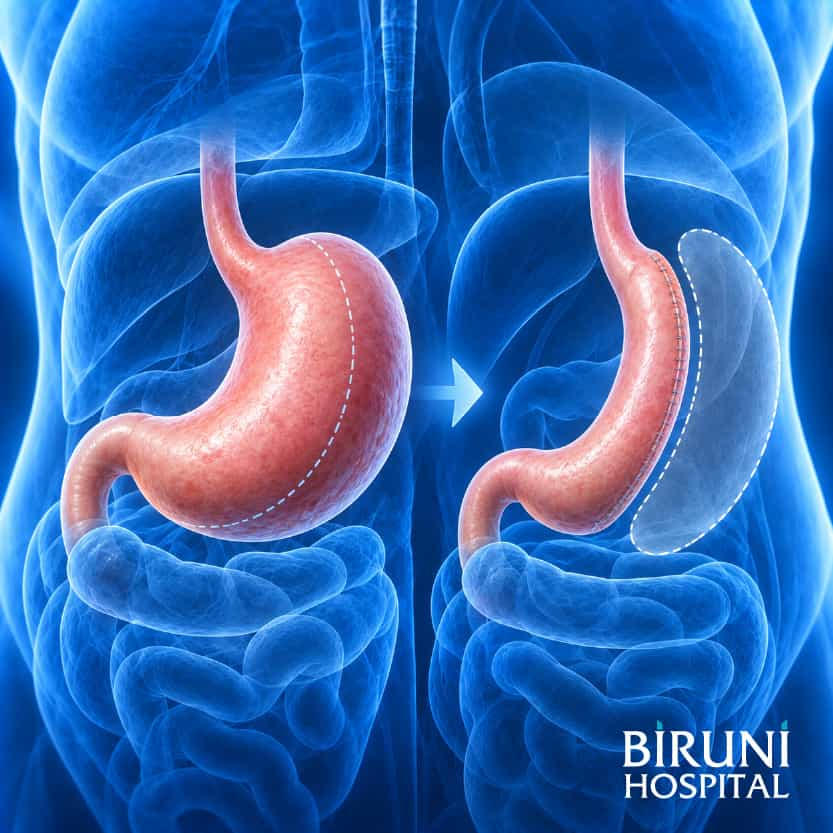
The type of surgical intervention you undergo plays a significant role in your expected outcomes. A sleeve gastrectomy involves removing about 80% of the stomach, leaving a banana-shaped "sleeve." Because it restricts how much food you can eat and reduces hunger-inducing hormones, patients usually see steady, significant weight reduction over a 12- to 18-month period.
Roux-en-Y gastric bypass, on the other hand, is both restrictive and malabsorptive. The surgeon creates a small stomach pouch and reroutes a portion of the small intestine. Because the body absorbs fewer calories and nutrients, patients often experience slightly higher overall weight loss and sometimes faster remission of type 2 diabetes. However, the malabsorptive nature of a bypass means patients carry a higher risk of nutritional deficiencies, making stringent vitamin supplementation vital.
Do success rates in Turkey compare to global medical standards?
Many patients wonder if traveling abroad compromises the quality of their medical outcomes. Statistics and clinical data suggest that when you are treated at internationally accredited hospitals by board-certified bariatric surgeons, the complication rates and success rates are comparable to those in the United States or the United Kingdom. Standard surgical techniques and state-of-the-art laparoscopic equipment are widely utilized in major medical centers around the world.
However, it is critical to acknowledge that these outcomes vary heavily based on the facility you choose. Turkey has a vast medical infrastructure, but healthcare standards can differ between clinics. To align your chances of success with global standards, you must prioritize facilities that hold rigorous certifications, such as Joint Commission International (JCI) accreditation, which enforce strict patient safety and hygiene protocols.
What factors influence your long-term success after surgery?
Surgery physically alters your digestive tract, but it cannot change the habits that led to weight gain. Achieving and maintaining success requires a complete lifestyle overhaul. Patients who see the best long-term results typically engage in the following behaviors:
- Dietary Compliance: Prioritizing lean proteins, staying hydrated, and avoiding high-sugar or high-fat foods.
- Portion Control: Eating slowly, chewing food thoroughly, and stopping as soon as a feeling of fullness occurs.
- Vitamin Supplementation: Taking prescribed bariatric multivitamins, calcium, and B12 daily to prevent severe malnutrition.
- Consistent Exercise: Engaging in both cardiovascular activities and strength training to preserve muscle mass while losing fat.
- Mental Health Support: Working with a therapist or joining support groups to address emotional eating and body image changes.
Are there risks of regaining weight after bariatric procedures?
A common misconception is that weight loss surgery guarantees permanent results. In reality, a percentage of patients experience weight regain, usually beginning two to five years post-operation. The stomach is a muscular organ, and over time, the sleeve or pouch can stretch if it is continuously overfilled. This stretching diminishes the restrictive benefits of the surgery, allowing the patient to consume larger portions.
Weight regain is rarely a sign of a failed surgery; rather, it often points to a lapse in lifestyle habits. "Grazing" (eating small amounts of high-calorie foods constantly throughout the day), consuming liquid calories like sugary coffees or alcohol, and a sedentary routine are the primary culprits. For this reason, continuous self-monitoring and lifelong engagement with a healthcare team are vital components of preventing regression.
How does surgery affect obesity-related health conditions?
One of the most profound successes of bariatric surgery is its impact on comorbid conditions. The sudden reduction in caloric intake, combined with complex hormonal changes in the gut, often yields rapid metabolic improvements. For example, many patients with type 2 diabetes see a normalization of their blood sugar levels within days of their procedure—often before any significant weight is lost.
Furthermore, as weight decreases over the following months, the physical burden on the body lessons. This frequently results in lower blood pressure, reduced dependency on cholesterol medications, and an alleviation of obstructive sleep apnea. Joint pain in the knees and lower back often diminishes, significantly improving the patient's ability to participate in physical activities.
What role does post-operative care play in your success?
The surgery itself is only the first phase of the weight loss journey. Because procedures like gastric bypass limit nutrient absorption, patients are at risk for deficiencies in iron, calcium, vitamin D, and B12. Without regular blood tests to monitor these levels, patients can develop severe complications such as anemia, osteoporosis, or neurological issues.
When participating in medical tourism, managing aftercare requires proactive planning. Since your operating surgeon is in another country, you must establish a relationship with a primary care physician, a local bariatric surgeon, or a registered dietitian in your home country before you travel. Having a local healthcare professional who understands your surgical history ensures you receive proper long-term guidance and prompt care if post-operative complications arise.
Is it safe to travel internationally for a weight loss procedure?
Engaging in medical tourism in Turkey requires careful consideration of travel-related risks. Any major surgery carries inherent risks, including bleeding, infection, and adverse reactions to anesthesia. Flying shortly after a major abdominal surgery increases the risk of deep vein thrombosis (DVT) and pulmonary embolisms.
To mitigate these risks, responsible clinics will require international patients to stay in the destination country for a minimum of 7 to 10 days post-surgery. This buffer period allows surgeons to monitor the early phases of healing, conduct leak tests, and ensure the patient is physically stable enough for air travel. Patients are typically advised to walk frequently during their recovery and wear compression garments during their flight home.
How much does the procedure generally cost compared to other countries?
Cost is a primary driver for patients exploring options abroad. The financial structure of healthcare in regions like Eurasia often allows facilities to offer medical procedures at a lower price point without necessarily compromising the quality of the medical materials used. Factors influencing this include favorable currency exchange rates, lower local labor costs, and government initiatives that support the medical travel sector.
It is important to remember that the lowest price is not always the best choice. When evaluating costs, patients should inquire about what is included in the estimated price. Comprehensive packages usually factor in pre-operative health screenings, the surgeon's fee, anesthesia, hospital stay, post-operative medications, and local transfers. Ensure you receive a detailed, transparent estimate to avoid unexpected medical expenses.
How do you choose an appropriate provider for your procedure?
Finding a reliable healthcare provider abroad requires due diligence. Start by verifying the surgeon's educational background, board certifications, and specific experience in bariatric procedures. Surgeons who frequently perform laparoscopic gastric sleeves and bypasses generally have refined techniques that can contribute to better patient outcomes.
Additionally, evaluate the clinic or hospital itself. Look for recognized international accreditations which indicate that the facility complies with rigorous international safety and hygiene standards. A trustworthy clinic will offer a thorough virtual consultation, review your complete medical history to ensure you are a viable candidate, and provide clear communication regarding the potential risks and required lifestyle changes.
Why Choose PlacidWay for Medical Tourism?
Navigating international healthcare options can be complex. PlacidWay serves as an educational platform to assist patients in their research process.
- Extensive Directory: Access to a global directory of healthcare providers and international hospitals.
- Informative Profiles: Factual profiles detailing hospital accreditations, facility amenities, and doctor qualifications.
- Cost Transparency: Clear presentation of estimated procedure costs where provided by the clinics.
- Global Reach: Information covering a wide variety of medical treatments across multiple countries.
- Objective Research: Educational resources designed to help patients compare international healthcare options objectively.
Frequently Asked Questions
How long does it take to see results from weight loss surgery in Turkey?
Most patients begin to see significant weight loss within the first three to six months following their procedure. The most rapid weight loss typically occurs during the first year, after which the rate of loss gradually slows down until the weight stabilizes around 18 to 24 months post-surgery.
Can I get bariatric surgery in Istanbul or Antalya?
Yes, both cities are prominent destinations for medical travel. Istanbul is home to numerous large, accredited medical centers, while Antalya is also popular for patients combining their recovery with a coastal environment. Availability depends on the specific clinics and surgeons operating in those regions.
Do I need to follow a special diet before my surgery in Turkey?
Yes. Surgeons typically require patients to follow a strict preoperative liquid or low-calorie diet for one to two weeks before the procedure. This helps shrink the liver, making the surgery safer and easier to perform.
What happens if I experience a complication after returning home?
You should immediately seek care from a local healthcare provider or emergency room. Before traveling, it is vital to establish a relationship with a local doctor or bariatric specialist who can monitor your recovery and handle any potential complications after you return from abroad.
Is a gastric balloon as successful as a gastric sleeve?
A gastric balloon is a temporary, non-surgical intervention and generally results in less overall weight loss compared to a surgical gastric sleeve. Balloons usually yield a 10% to 15% total body weight loss, while a sleeve can result in a 50% to 70% excess weight loss.
How long should I stay in Turkey after my bariatric surgery?
Patients are typically advised to stay in the country for at least 7 to 10 days post-surgery. This allows the medical team to monitor your initial recovery, perform necessary follow-up checks, and clear you for safe air travel.
Will my insurance cover bariatric procedures done abroad?
Most domestic health insurance plans do not cover elective surgeries performed outside of your home country. You will likely need to pay out-of-pocket, though some specialized medical travel insurance policies cover complications related to treatments abroad.
What is the minimum BMI required for surgery in Turkey?
Medical guidelines generally recommend bariatric surgery for individuals with a Body Mass Index (BMI) of 40 or higher, or a BMI of 35 or higher with obesity-related health conditions like type 2 diabetes or severe sleep apnea. Suitability is always determined by a qualified doctor.
Can I bring a companion with me for support?
Yes, bringing a friend or family member is highly recommended. Having a companion can provide emotional support, help with mobility during early recovery, and assist with communication and logistics while navigating a foreign city.
Do surgeons and medical staff in Turkey speak English?
Many surgeons and medical staff in facilities that regularly cater to international patients speak English. Additionally, many of these medical centers employ dedicated patient coordinators or translators to assist with communication throughout your stay.
Compare Treatment Options
Research your options, compare clinics, and gather the information you need to make an informed decision about your medical journey.
Request Treatment InformationReferences
- Bariatric Surgery Procedures – American Society for Metabolic and Bariatric Surgery (ASMBS)
- Weight-loss Surgery – National Institute of Diabetes and Digestive and Kidney Diseases (NIDDK)
- Obesity and Overweight – World Health Organization (WHO)
- Medical Tourism: Travel for Medical Care – Centers for Disease Control and Prevention (CDC)
- Long-term outcomes of bariatric surgery – National Center for Biotechnology Information (PubMed Central)
- Global Registry Report – International Federation for the Surgery of Obesity and Metabolic Disorders (IFSO)



























Share this listing