
Explore Otoplasty Cost in Turkey
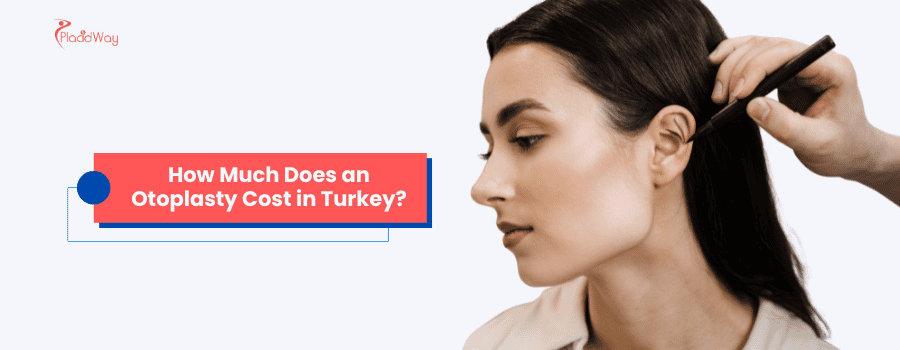
If you are considering ear reshaping or ear pinning surgery, understanding the average otoplasty cost in Turkey is likely one of your primary steps. Also known as cosmetic ear surgery, this procedure aims to change the shape, position, or size of the ears. Many international patients explore treatment abroad because of the potential for more accessible pricing compared to their home countries.
Navigating the options for otoplasty in Turkey requires looking beyond just the price tag. You need to understand what is included in the estimated costs, the credentials of the medical professionals, and the logistics of recovery away from home. Making an informed decision means carefully evaluating the benefits against the inherent risks of surgery and international travel.
Key Takeaways
- Estimated Pricing: Otoplasty generally costs between $1,500 and $3,000 in Turkish clinics.
- Procedure Goal: The surgery typically addresses protruding ears, asymmetry, or misshapen cartilage.
- Recovery Time: Most patients need 1 to 2 weeks of initial downtime before returning to normal daily activities.
- Cost Variables: Final fees depend on the surgeon's experience, clinic location, and treatment complexity.
- Safety First: Thoroughly researching your provider's credentials and understanding the risks is essential before pursuing treatment abroad.
What is included in the average otoplasty cost?
When you receive an estimate for treatment, it is highly recommended to ask for an itemized breakdown. Pricing structures vary widely between providers. Some facilities bundle services into a single comprehensive fee, while others may list elements separately. Anesthesia fees and facility costs often make up a significant portion of the total expense.
Additionally, you should inquire about post-operative care. Essential items such as pain medication, specialized ear garments, and follow-up consultation fees might be included or billed separately. Knowing exactly what your payment covers helps prevent unexpected out-of-pocket expenses once you arrive for your surgery.
How does an otoplasty clinic keep prices affordable?
Patients often wonder how an otoplasty clinic in Turkey can offer services at a lower price point than clinics in North America or Western Europe. The primary reason is the broader economic landscape. The local cost of living and operational costs—such as leasing medical space, utility expenses, and administrative salaries—are generally lower. These structural economic differences allow clinics to set more accessible price points for their services.
Furthermore, the growth of medical tourism in Turkey has created a highly competitive environment. To attract international patients, many clinics streamline their services and offer comprehensive treatment plans. However, lower operational costs should never mean a compromise on medical safety or sterilization standards. Patients must still verify that the clinic meets recognized international health and safety protocols.
Am I a good candidate for ear pinning surgery abroad?
Otoplasty is highly individualized, and eligibility must be determined by a qualified medical professional. Generally, good candidates include adults and children (usually over the age of five, when ear cartilage is stable enough for correction) whose ears stick out significantly from the head or are disproportionately large.
When considering traveling for surgery, your overall health becomes even more critical. You must be healthy enough not only to undergo anesthesia and surgery but also to manage the physical stress of international travel during your recovery. Conditions like high blood pressure, bleeding disorders, or a history of adverse reactions to anesthesia can affect your eligibility and must be disclosed during your consultation.
What happens during the otoplasty procedure?
The exact surgical technique depends heavily on the anatomical issue being addressed. If the ears are protruding, the surgeon may remove a small amount of cartilage and skin, or simply use permanent internal stitches to pin the cartilage back. The incisions are usually placed in the natural crease behind the ear to ensure any resulting scars are well concealed.
Depending on the extent of the reshaping, the procedure usually takes between one and two hours. It may be performed under local anesthesia with sedation for adults, while general anesthesia is often recommended for younger patients or for more complex structural work. Following the cartilage adjustment, the incisions are closed with external sutures, and a bulky bandage is applied to protect the surgical site.
How long should I stay in Turkey for otoplasty recovery?
Recovery is a crucial phase that dictates the success of your surgery. Immediately after the procedure, your ears will be covered in heavy bandages to support their new shape and minimize swelling. During your initial stay, you will likely have a follow-up appointment where the surgeon will assess the healing process, remove the bulky dressing, and provide a lighter headband.
Flying too soon after surgery can increase the risk of complications, such as excessive swelling or deep vein thrombosis (DVT), due to cabin pressure changes and prolonged sitting. Staying locally allows you immediate access to your surgical team if any unexpected pain, bleeding, or signs of infection arise during the vulnerable first week.
What are the potential risks and complications of ear surgery?
No surgical procedure is without risk. It is vital to have a realistic understanding of potential complications before committing to surgery. Common, usually temporary issues include swelling, bruising, and a throbbing ache. However, more serious complications can occur, such as an infection in the cartilage or a hematoma (a collection of blood under the skin that requires draining).
Aesthetic risks are also a factor. Healing is unpredictable, and sometimes the ears can heal asymmetrically. Overcorrection (where the ears appear pinned too tightly to the head) or undercorrection (where the ears still protrude slightly) can happen. Discussing these risks with your surgeon and adhering strictly to post-operative care instructions—such as wearing the supportive headband—can help mitigate these issues.
Will my results from ear pinning be permanent?
The structural changes made to the ear cartilage during surgery are designed to be a long-term solution. Once the ears have fully healed and settled into their new position, the results are generally stable. The internal sutures used to pin the cartilage hold it in place while scar tissue forms to secure the new shape permanently.
That said, human tissue is dynamic. In some cases, the natural "memory" of the ear cartilage can cause minor shifting during the healing process, leading to slight changes in the ear's position. Following your surgeon's aftercare instructions precisely—especially regarding how long and when to wear the protective compression band at night—is essential for supporting the cartilage as it sets.
How do I choose a safe and reputable surgeon in Turkey?
When traveling for medical care, prioritizing safety and expertise over cost is critical. Start by verifying the surgeon's qualifications. Look for providers who are board-certified in plastic and reconstructive surgery. Membership in recognized national or international medical organizations can also serve as an indicator of a surgeon's commitment to ongoing education and ethical standards.
During your initial consultation, ask specific questions about their experience with otoplasty. Request to see a diverse portfolio of before-and-after photos of their past patients to evaluate the naturalness of their results. A reputable surgeon will openly discuss the risks, evaluate your medical history thoroughly, and will not pressure you into making an immediate decision.
Can I combine otoplasty with other treatments while abroad?
Combining procedures is a common inquiry among international patients looking to maximize their time away from home. When deemed medically safe, combining surgeries can reduce overall anesthesia exposure and consolidate recovery time. However, this approach significantly increases the immediate physical trauma to the body and may prolong the initial healing phase.
Any decision to combine treatments must be made following a rigorous medical assessment. Your surgeon will consider your age, underlying health conditions, and the cumulative time you would spend under anesthesia. Patient safety must always dictate the treatment plan, and sometimes staging procedures over multiple visits is the safer medical choice.
Why Choose PlacidWay for Medical Tourism?
PlacidWay is a medical tourism platform designed to help patients research and connect with healthcare providers worldwide.
- Access to Information: Explore detailed profiles of international medical facilities and clinics.
- Compare Options: Review different treatment possibilities across various global destinations.
- Educational Resources: Access articles, guides, and information to help you understand your desired procedures.
- Direct Communication: Use the platform to send inquiries and connect directly with healthcare providers.
- Global Reach: Search for specialized medical centers focused on cosmetic, dental, and elective surgeries.
Frequently Asked Questions
How much is a consultation for otoplasty in Turkey?
Consultation fees vary. Many clinics offer complimentary online or initial video consultations, while in-person assessments may carry a fee that is sometimes applied toward your procedure cost if you proceed.
Does otoplasty hurt?
The surgery itself is typically performed under local anesthesia with sedation or general anesthesia, so you should not feel pain during the procedure. Mild to moderate discomfort, aching, and throbbing are common during the first few days of recovery and are usually managed with prescribed medication.
Is ear pinning surgery covered by insurance if done abroad?
Because otoplasty is usually considered a cosmetic procedure, it is rarely covered by health insurance. When traveling abroad for elective cosmetic surgery, you should expect to pay out-of-pocket.
Can adults get otoplasty in Turkey, or is it only for children?
Otoplasty is frequently performed on both children (usually age five and older, once ear cartilage has stabilized) and adults of all ages who wish to address protruding or asymmetrical ears.
Are there hidden fees in Turkish medical tourism packages?
Reputable clinics strive for transparent pricing, but you should always ask for an itemized quote. Clarify whether anesthesia, facility fees, post-operative garments, and follow-up visits are included to avoid unexpected expenses.
How soon can I fly after having ear surgery in Turkey?
Most surgeons recommend waiting at least 7 to 10 days before flying. This allows for initial healing, the removal of primary bandages or sutures, and clearance from your surgical team.
Will I have visible scars after an otoplasty?
Incisions for otoplasty are typically made behind the ear in the natural crease. While scars are permanent, they are generally well-hidden and tend to fade over time.
Do surgeons in Turkey speak English?
Many surgeons and medical staff who frequently work with international patients speak English. Clinics often provide dedicated patient coordinators or translators to ensure clear communication.
What kind of anesthesia is used for ear surgery?
Otoplasty can be performed using local anesthesia with intravenous sedation or general anesthesia. The choice depends on the patient's age, comfort level, and the surgeon's recommendation.
How long does the otoplasty procedure usually take?
The procedure typically takes between one and two hours, depending on the complexity of the reshaping required and the specific techniques used by the surgeon.
Ready to Explore Your Options?
Compare treatment options, gather information, and connect with healthcare providers to make an informed decision about your medical journey.
Request Treatment InformationReferences
- Ear Surgery (Otoplasty) Overview – American Society of Plastic Surgeons (ASPS)
- Otoplasty: Risks, Procedure, and Recovery – Mayo Clinic
- Ear Reshaping (Otoplasty) Information – National Health Service (NHS UK)
- Otoplasty (Ear Surgery) Details – Cleveland Clinic
- Otoplasty Patient Guide – International Society of Aesthetic Plastic Surgery (ISAPS)
- Medical Tourism and Travel Safety Guidelines – Centers for Disease Control and Prevention (CDC)
























Share this listing