
ow Long Does All-on-6 Implant Surgery Take in Los Algodones?
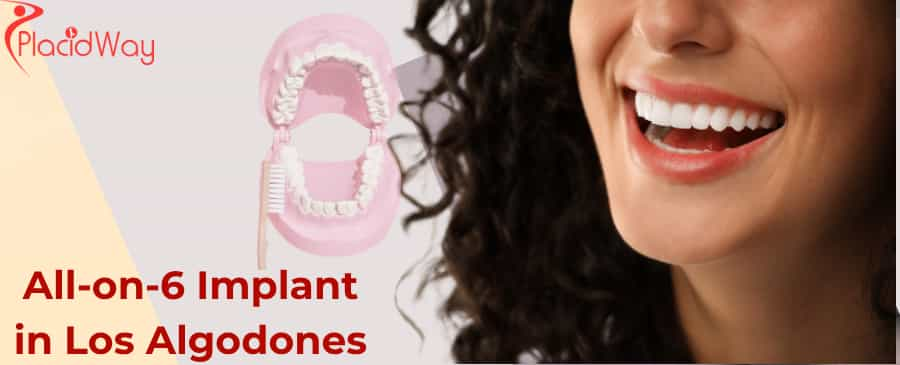
Understanding the timeline for All-on-6 Implant Surgery in Los Algodones is a crucial first step for anyone considering traveling across the border for full-mouth dental restoration. Because this procedure involves both a surgical phase and a restorative phase, proper planning is essential for a successful experience.
Patients often wonder how many days they need to take off work, how long they will spend in the dental chair, and what the recovery timeline looks like. This comprehensive guide outlines what you can typically expect from the procedure timeline, the logistical requirements for traveling to Mexico, and important medical considerations to keep in mind.
Key Takeaways
- The active surgical procedure generally takes 2 to 4 hours per dental arch.
- The treatment usually requires two separate visits to Mexico, roughly 4 to 6 months apart.
- Initial surgical trips typically require a stay of 3 to 5 days for the procedure and follow-up checks.
- A temporary bridge is often placed shortly after surgery while the implants fuse with the bone.
- Complexities such as necessary bone grafting or extractions may extend your overall treatment timeline.
What is the typical timeline for the complete All-on-6 process?
During your first visit, the dentist evaluates your oral health, performs any necessary extractions, and surgically places the six titanium implants into the jawbone. In most instances, a temporary set of teeth is attached so you do not leave without a functional smile. This phase focuses entirely on establishing the foundation.
After returning home, you enter the osseointegration phase. This biological process, where the jawbone grows around and fuses to the titanium implants, typically takes 4 to 6 months. Rushing this healing phase can increase the risk of implant failure. Once your local dentist or your provider in Mexico confirms the implants are fully integrated, you will return for your second trip to have the permanent, durable restorations designed and placed.
How many days should I stay in Los Algodones for the first surgical trip?
- Day 1: Initial consultation, 3D CT scans, treatment planning, and taking impressions for the temporary bridge.
- Day 2: The surgical day, involving tooth extractions (if needed), implant placement, and resting.
- Day 3: Placement of the temporary prosthesis (if not done on surgery day) and bite adjustments.
- Day 4-5: Follow-up examinations to check initial healing, ensure there is no acute infection, and verify the temporary teeth fit comfortably before you travel home.
- Buffer Time: Having an extra day ensures flexibility if the on-site lab needs more time to customize your temporary teeth.
What exactly happens during the surgical phase of the treatment?
Your provider will begin by ensuring you are comfortable, typically using local anesthesia combined with oral sedatives or IV sedation. Once the area is numb, any remaining failing teeth are carefully extracted. The surgeon then prepares the bone, sometimes reshaping it to create an even surface for the bridge to sit on.
Using advanced imaging guides, the dentist places six implants into strategic locations in the jaw. These specific angles and depths are chosen to maximize contact with dense bone. After the posts are secured, abutments (connectors) are attached. Finally, depending on the clinic's protocol and your bone stability, a temporary acrylic bridge is screwed into place, allowing you to leave the clinic with a complete set of teeth.
Expert Insight on Healing
While the visible gum tissue may heal within a few weeks, the critical process of osseointegration—where the bone structurally bonds to the titanium—takes several months. Patients must strictly adhere to dietary restrictions during this unseen healing phase to prevent the implants from shifting.
How long does recovery take after the initial implant placement?
In the first few days following surgery, it is common to experience swelling, mild to moderate discomfort, and bruising around the jaw and lower face. Clinics typically provide prescriptions for pain management and antibiotics to mitigate the risk of infection. Resting and applying ice packs generally help manage these early symptoms.
During the extended 4-to-6-month healing period, you will be instructed to maintain a soft-food diet. Eating hard, chewy, or crunchy foods can exert too much force on the healing implants, potentially leading to micro-movements that disrupt bone integration. Proper oral hygiene, using specific gentle brushing techniques and prescribed mouthwashes, is crucial during this time to maintain a healthy healing environment.
What is involved in the second trip for the final restoration?
- Verification: The dentist will take x-rays to confirm that the implants have fully successfully integrated with your jawbone.
- Impressions: New, highly precise impressions or digital scans are taken of your healed gums and implants.
- Fabrication: The on-site or partnered dental lab creates your permanent bridge, often using strong materials like zirconia.
- Try-in and Adjustments: The dentist will place the new bridge to check the fit, bite alignment, and aesthetics, making adjustments as needed.
- Final Placement: Once the fit is comfortable and aesthetically pleasing, the final bridge is securely attached to the implants.
Are there any factors that could extend the treatment timeline?
If a patient has insufficient bone density, a bone grafting procedure or sinus lift might be required before the implants can be placed. While minor grafting can sometimes be done simultaneously with implant placement, significant grafting may require a separate healing period of 3 to 6 months before the All-on-6 surgery can even begin.
Additionally, individual healing rates vary based on age, overall health, and lifestyle habits. For example, smoking significantly impairs blood flow to the gums and bone, slowing down the healing process and increasing the risk of implant failure. If healing is delayed or an infection occurs, the dentist may postpone the placement of the final prosthetics until the foundation is completely secure.
What is the estimated All-on-6 Implant Surgery cost in Los Algodones?
| Treatment Component | Estimated Cost Context |
|---|---|
| Consultation & Diagnostics | Often included in packages, or incurs a minor fee for CBCT scans. |
| Surgical Phase (Per Arch) | Covers extractions, 6 implants, abutments, and temporary teeth. |
| Restorative Phase (Per Arch) | The final zirconia or porcelain bridge. Materials dictate price variations. |
| Additional Procedures | Bone grafting or sinus lifts will add to the overall estimated cost. |
Many patients pursue treatment in Mexico because the costs can be noticeably lower than estimates in the United States or Canada. However, it is essential to request a detailed, itemized treatment plan from your chosen provider. Always clarify what is included in the quote—such as medications, temporary teeth, and lab fees—to avoid unexpected expenses during your trip.
How do I choose a reliable All-on-6 Implant Surgery clinic in Los Algodones?
- Verify Credentials: Look for dentists with specialized training in implantology or maxillofacial surgery, and check for affiliations with recognized international dental organizations.
- Check Technology: Ensure the clinic uses 3D CBCT scanners, which are crucial for accurately assessing bone density and planning safe implant placement.
- Review Infection Control: The clinic should visibly adhere to strict sterilization and hygiene protocols comparable to those recommended by international health bodies.
- Request Case Studies: Ask the provider for before-and-after photos of their own previous All-on-6 patients to assess their experience with this specific complex procedure.
- Communication: Choose a clinic where the staff and dentists communicate clearly in a language you understand, ensuring you fully grasp the risks, benefits, and aftercare instructions.
Why is medical tourism in Los Algodones so popular for dental implants?
Located just across the border from Yuma, Arizona, Los Algodones has earned a reputation as a major hub for dental care. The dense cluster of clinics in a highly walkable area creates a competitive environment that encourages facilities to invest in modern technology and continuous education to attract international patients.
Furthermore, the town's economy is heavily geared toward accommodating North American visitors. Most clinics employ fluent English-speaking staff, and the local infrastructure features pharmacies, restaurants, and optical shops that cater specifically to cross-border visitors seeking healthcare services. This convenience significantly lowers the barrier to entry for patients considering treatment abroad.
Important Consideration: Post-Treatment Care
Traveling for dental surgery means you will not have immediate physical access to your operating surgeon once you return home. It is advisable to have a local dentist willing to assist with basic follow-up care or emergency interventions if complications arise during your healing phase.
Can I drive or walk across the border for my appointments?
Logistics for reaching the clinics are generally straightforward. The border crossing at Andrade is primarily utilized by medical tourists. Parking on the US side is a popular choice to avoid the complexities of driving in a foreign country and the potentially long wait times for vehicles re-entering the United States.
Once you walk through the border gates, you are immediately in the medical district of Los Algodones. Many clinics offer greeting services where a staff member will meet you at the border to guide you to their facility. If you require accommodations, there are hotels both in Los Algodones and in nearby Yuma, Arizona, allowing for flexible travel planning during your multi-day visits.
Why Choose PlacidWay for Medical Tourism in Los Algodones?
Navigating international dental care can be complex. PlacidWay provides resources to help patients research and connect with healthcare providers globally.
- Extensive Provider Network: PlacidWay offers access to a wide directory of dental clinics and implant specialists in Los Algodones.
- Informational Resources: Patients can access clinic profiles, facility details, and listed credentials to aid in their independent research.
- Transparent Price Estimates: The platform helps users review baseline cost estimates for complex procedures like All-on-6 implants.
- Direct Communication: PlacidWay facilitates initial contact, allowing you to ask clinics direct questions about their protocols and experience.
- Multilingual Support: The platform provides customer service options to assist patients in navigating healthcare inquiries across borders.
Frequently Asked Questions (FAQs)
Is the All-on-6 procedure painful?
The surgery is typically performed under local anesthesia, and sometimes IV sedation, meaning you should not feel pain during the procedure. Post-operative discomfort, swelling, and bruising are common but can usually be managed with prescribed pain relievers and ice packs.
Will I leave the clinic without teeth on the first trip?
In most cases, patients receive a temporary acrylic bridge on the same day or the day after their implants are placed. This allows you to maintain basic aesthetics and limited function while the implants fuse with your jawbone over the next several months.
How long do All-on-6 implants last?
The titanium implants themselves are designed to be a long-term solution and can last for decades with proper care. The prosthetic bridge may experience wear over time and might require replacement or maintenance after 10 to 15 years, depending on your oral hygiene and dietary habits.
What kind of materials are used for the final teeth?
For the final prosthetic bridge, clinics typically offer durable, natural-looking materials such as monolithic zirconia or porcelain fused to a metal framework. Your dentist will help you choose the best material based on your bite strength, aesthetic goals, and budget.
Do I need a passport to visit Los Algodones for dental care?
Yes, U.S. and Canadian citizens traveling to Mexico require a valid passport or an approved Western Hemisphere Travel Initiative (WHTI) document, such as a passport card, for re-entry into the United States.
Can I eat normally immediately after surgery?
No. You will need to adhere strictly to a soft-food or liquid diet during the initial healing phase, which usually lasts several weeks to a few months. Chewing hard or crunchy foods too soon can place excessive pressure on the healing implants, potentially causing them to fail.
What happens if an implant fails after I return home?
If you experience complications such as severe pain, looseness, or infection after returning home, you should immediately consult a local dental professional for evaluation. Many patients also contact their provider in Mexico to discuss the situation and coordinate necessary follow-up care.
Is bone grafting always required for All-on-6?
Bone grafting is not universally required. The All-on-6 technique is designed to maximize existing bone; however, if you have severe bone loss in the jaw, a grafting procedure may be necessary to ensure the implants have a stable foundation.
Are the dentists in Los Algodones qualified to perform complex surgeries?
Many dental professionals in Los Algodones possess advanced training in oral surgery and implantology, often participating in international continuous education. However, qualifications vary by individual, making it essential to independently verify a provider’s credentials and experience before treatment.
Can I use my US or Canadian dental insurance in Mexico?
Some U.S. and Canadian dental insurance plans offer out-of-network reimbursement for treatments performed internationally, though this varies widely by policy. You will typically need to pay out-of-pocket in Mexico and submit detailed itemized receipts to your provider for potential partial reimbursement.
Compare Treatment Options for Your Dental Care
Discover educational resources, clinic profiles, and estimated costs for full-mouth restorations abroad. Gather the information you need to make an informed healthcare decision.
Request Treatment InformationReferences
- American College of Prosthodontists (ACP) - Information on Full-Arch Implants
- American Dental Association (ADA) - Dental Implant Guidelines
- Journal of Oral Implantology - Osseointegration and Healing Timelines
- Centers for Disease Control and Prevention (CDC) - Infection Control in Dental Settings
- International Journal of Implant Dentistry - Success Rates of Immediate Loading
- Mayo Clinic - Dental Implant Surgery Risks and Recovery

























Share this listing