
Why Choose Dental Tourism in Cabo San Lucas, Mexico?
"Cabo San Lucas is a popular destination for dental tourism primarily due to significantly lower dental treatment costs, high-quality care from skilled professionals, modern facilities, and the appeal of combining dental work with a relaxing vacation."

In recent years, the concept of traveling across borders for healthcare has grown significantly. Among the many destinations available, dental tourism in Cabo San Lucas has emerged as a favored choice for North Americans. Situated at the southern tip of the Baja California peninsula, this vibrant resort city offers a unique blend of high-quality dental services and breathtaking scenery.
For many patients, the decision to seek dental care abroad stems from the high costs of restorative and cosmetic procedures in their home countries. Whether you are considering a full smile makeover, dental implants, or complex restorative work, understanding why this location attracts thousands of patients annually can help you make an informed decision about your own healthcare journey.
Key Takeaways
- Treatments in Cabo can often cost notably less than similar procedures in the US or Canada.
- Short, direct flights make travel convenient for many North American patients.
- Many clinics treating international patients utilize modern dental technology and materials.
- The resort atmosphere allows patients to recover in a pleasant, low-stress environment.
- Careful research is essential to find a qualified provider and understand the logistics of international care.
How much can you save on dental procedures in Cabo San Lucas?
The primary driver for most patients considering cross-border care is the potential for financial savings. The dental tourism cost in Cabo San Lucas is generally much lower due to the lower cost of living, reduced overhead for clinic operators, and different malpractice insurance structures in Mexico compared to the US. These economic factors allow dentists to offer competitive pricing without necessarily compromising on the quality of materials.
While routine procedures like cleanings and fillings offer some savings, the most substantial financial benefits are typically seen in complex restorative work. Procedures such as single dental implants, All-on-4 implant systems, full-mouth reconstructions, and multiple porcelain veneers often cost thousands of dollars less, even when factoring in travel and accommodation expenses.
| Procedure | Estimated US Cost | Estimated Cabo Cost |
|---|---|---|
| Dental Implant (Titanium) | $3,000 - $5,000 | $900 - $1,500 |
| Porcelain Veneer (Per Tooth) | $1,000 - $2,500 | $350 - $600 |
| Porcelain Crown | $1,000 - $1,500 | $350 - $500 |
Note: The above prices are rough estimates and can vary widely based on the individual clinic, the specific brand of materials used, and the patient's unique anatomical needs. Always request a personalized quote.
What types of dental treatments are available in Cabo?
When researching a dental clinic in Cabo San Lucas, you will likely find that many facilities operate as multidisciplinary centers. This means they have a team of specialists—including endodontists (root canals), periodontists (gum disease), and prosthodontists (crowns and bridges)—working together under one roof. This collaborative approach is highly convenient for international travelers who need to maximize their time.
Cosmetic dentistry is particularly popular. Many patients visit Cabo specifically for smile makeovers utilizing porcelain veneers, zirconia crowns, and professional teeth whitening. Additionally, implantology is a major focus. Facilities often offer bone grafting, sinus lifts, and full-arch restorations for patients who have lost multiple teeth. However, it is important to remember that suitability for these complex procedures requires an individualized assessment by a qualified professional.
Is it safe to get dental work done in Cabo San Lucas?
Safety is understandably one of the most common concerns for anyone exploring medical tourism in Mexico. The reality is that the quality of care can vary. To mitigate risks, patients should actively look for clinics that explicitly adhere to sterilization protocols outlined by organizations such as the American Dental Association (ADA) or the Occupational Safety and Health Administration (OSHA).
It is important to remember that all medical and dental procedures carry inherent risks, including infection, nerve damage, or implant failure. These risks exist regardless of geography. To protect your health, you should inquire about a clinic’s autoclave usage, disposable item policies, and general hygiene practices during your initial consultation. If a facility cannot confidently explain its safety protocols, you may want to consider other options.
What qualifications do dentists in Cabo typically have?
- Educational Background: Dentists in Mexico complete rigorous university training to obtain their DDS or equivalent degree.
- Continuous Education: Top-tier professionals frequently attend international seminars to stay updated on the latest techniques in implantology and cosmetic dentistry.
- Professional Memberships: You may find dentists who hold active memberships in respected organizations like the American Academy of Implant Dentistry (AAID) or the ADA as affiliate members.
- Specialized Training: For complex procedures like All-on-4, look for specialists (Maxillofacial surgeons or Prosthodontists) rather than general practitioners.
- Transparency: Reputable clinics will openly share their doctors' credentials, board certifications, and before-and-after portfolios for you to review.
How does the location make Cabo ideal for North American patients?
Accessibility is a massive factor in the popularity of this destination. Los Cabos International Airport (SJD) receives daily direct flights from hubs like Los Angeles, Dallas, Phoenix, Chicago, and Vancouver. For a patient needing to make two separate trips—for instance, one for implant placement and another for the final crown several months later—having a short flight significantly reduces the logistical burden and travel fatigue.
Furthermore, because it is located in the Mountain Time Zone, travelers from the US West Coast or Midwest experience little to no jet lag. This means you can arrive, attend your dental consultation feeling rested, and begin treatment almost immediately, making efficient use of your time away from work or home.
Can you combine a family vacation with dental treatments?
Cabo San Lucas is world-renowned for its beautiful beaches, deep-sea fishing, golf courses, and luxury resorts. Many people view a trip here as an opportunity to offset the stress of dental surgery with a relaxing vacation. Traveling with family or a companion is very common; while you attend your dental appointments, they can enjoy the local attractions.
How do the dental facilities in Cabo compare to those in the US?
A common misconception is that traveling abroad for healthcare means settling for outdated facilities. In prominent medical tourism hubs, the opposite is often true. Clinics aiming to attract international patients invest heavily in modern technology. It is common to find in-house panoramic X-rays, 3D Cone Beam CT scanners for precise implant planning, and intraoral scanners that eliminate the need for messy traditional impressions.
Additionally, some high-end clinics feature in-house dental laboratories. Having CAD/CAM (Computer-Aided Design and Computer-Aided Manufacturing) technology on-site allows for the rapid creation of crowns and veneers. This can significantly shorten the time you need to spend waiting for restorations to be fabricated, allowing you to return home sooner.
What should you expect during your initial dental consultation?
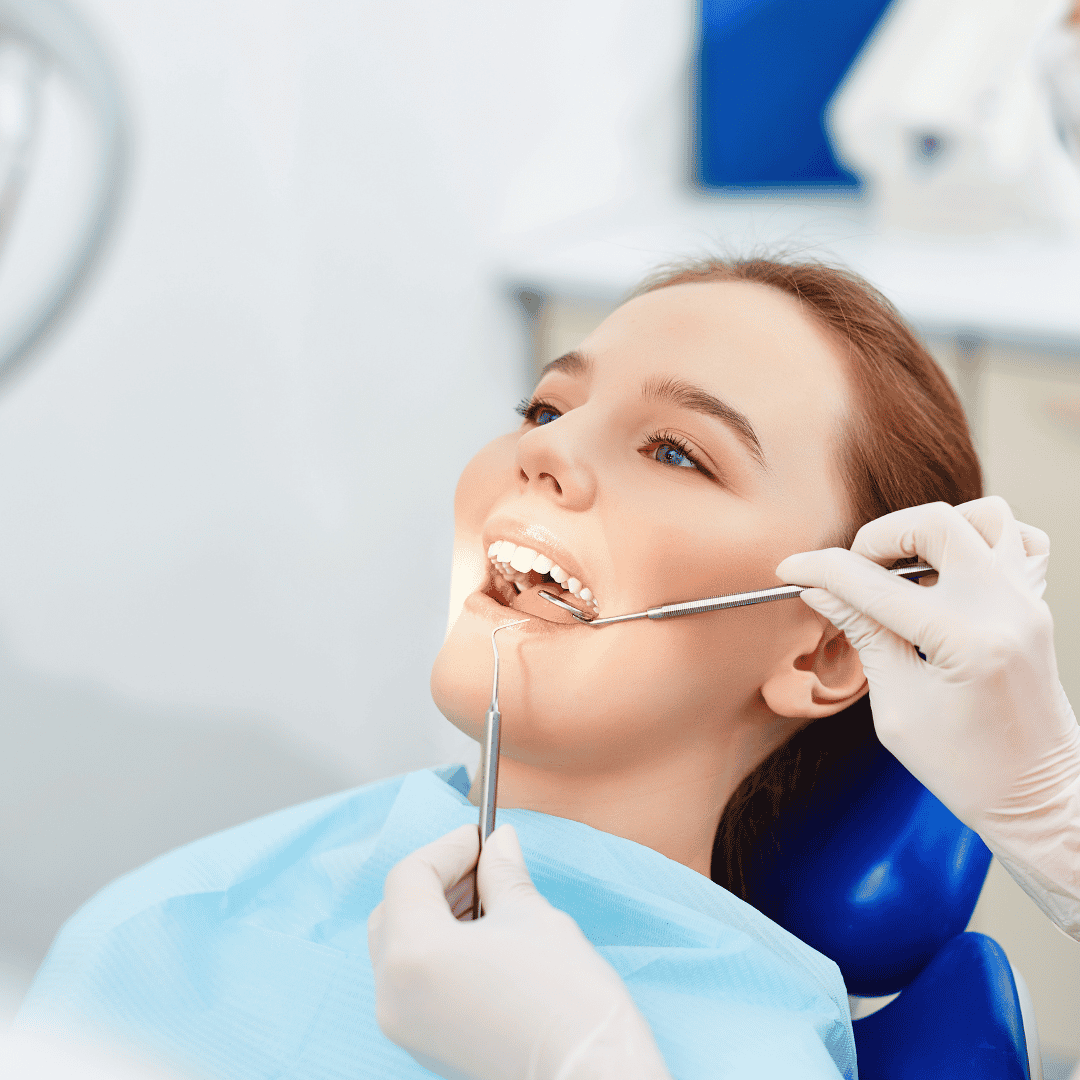
The consultation is a critical step in your journey. During this time, the dentist will evaluate your oral health, often taking new diagnostic images to ensure they have the most accurate and up-to-date information. They will assess factors like bone density (crucial for implants) and check for underlying issues like gum disease that must be addressed before cosmetic work can begin.
This is also your opportunity to interview the dentist. You should ask questions about their experience, the materials they recommend, and the step-by-step process of your proposed treatment. A trustworthy provider will explain the potential risks, alternatives, and follow-up requirements clearly, without pressuring you into immediate decisions.
How do you handle aftercare and follow-up once you return home?
Aftercare is often the most overlooked aspect of dental tourism. When you have a procedure locally, returning to the clinic for an adjustment or if a complication arises is simple. When your dentist is in another country, managing complications becomes more complex. Before traveling, it is wise to speak with a dentist in your hometown to ensure they are willing to provide maintenance—such as professional cleanings around new implants—or assist if you experience pain or infection after returning.
Good clinics will provide you with detailed post-operative instructions, a copy of your dental records, and the specifications (brand and size) of any implants or materials placed in your mouth. Keep these records safe, as your local dentist will need them to provide appropriate ongoing care.
Why Choose PlacidWay for Medical Tourism?
PlacidWay is a medical tourism platform designed to help patients research and connect with healthcare providers internationally. Here is how the platform assists patients exploring care abroad:
Global Network: Offers access to a diverse database of healthcare facilities and dental clinics across multiple international destinations.
Informational Resources: Provides provider profiles, treatment details, and price estimates to help patients compare their options.
Direct Communication: Facilitates initial contact between patients and international facilities to ask questions and request quotes.
Budget Navigation: Helps users explore various treatment options that align with their specific financial considerations and healthcare needs.
Patient Education: Focuses on providing articles, guides, and resources so patients can better understand the logistics of medical travel.
Frequently Asked Questions
Do dentists in Cabo San Lucas speak English?
Yes, because Cabo is a major tourist destination, the dentists and staff at clinics that cater to international patients are typically fluent in English, which helps ensure clear communication regarding your treatment.
How long should I plan to stay for dental work?
The length of your stay depends on the procedure. Routine care or single crowns may require just a few days, while complex procedures like dental implants usually require two separate trips spaced several months apart for healing.
What payment methods are generally accepted?
Most clinics treating international patients accept major credit cards, US dollars, and bank transfers. It is always a good idea to confirm accepted payment methods before traveling.
Are materials used for implants and crowns the same as in the US?
Reputable clinics typically use globally recognized brands for implants and restorative materials. Patients can request information about the specific brands and materials being used prior to treatment.
Do I need a passport to travel to Cabo San Lucas for dental care?
Yes, if you are flying from the United States or Canada into Mexico, a valid passport is required for entry and to return home.
How do I get around Cabo safely as a medical tourist?
Many clinics offer shuttle services from the airport or your hotel. Alternatively, authorized taxis and ride-sharing services in the main tourist zones are generally considered safe and convenient ways to travel.
What happens if I experience a complication after returning home?
You should contact your clinic in Cabo for guidance, but it is highly recommended to have a local dentist at home who is willing to assist with immediate check-ups or necessary interventions if complications arise.
Can I use my US dental insurance in Mexico?
Some US PPO dental insurance plans offer out-of-network reimbursement for care received in Mexico, though you will usually need to pay upfront and submit a claim. Medicare does not cover dental care outside the US.
Is there a specific season that is best for visiting?
Winter is the most popular time to visit due to pleasant weather, though flights and hotels may be more expensive. Summer offers lower travel costs but brings hotter temperatures and a higher chance of rain.
How soon can I go to the beach or swim after dental surgery?
Following oral surgery, such as extractions or implant placement, dentists typically advise avoiding swimming in oceans or pools for at least a week to prevent infection. Always follow your dentist’s specific post-operative instructions.
Explore Your Dental Care Options in Cabo San Lucas
Compare clinics, review treatment options, and request detailed information to help you make an informed decision about your dental health.
Request Treatment InformationReferences
- Travelers' Health: Mexico – Centers for Disease Control and Prevention (CDC)
- Medical Tourism Guidance – Centers for Disease Control and Prevention (CDC)
- Dental Tourism – American Dental Association (ADA)
- Mexico Travel Advisory – U.S. Department of State
- Travel and Health – World Health Organization (WHO)
- Infection Control Guidelines – Organization for Safety, Asepsis and Prevention (OSAP)



















Share this listing