
Explore Dental Veneers Cost in Puerto Vallarta, Mexico
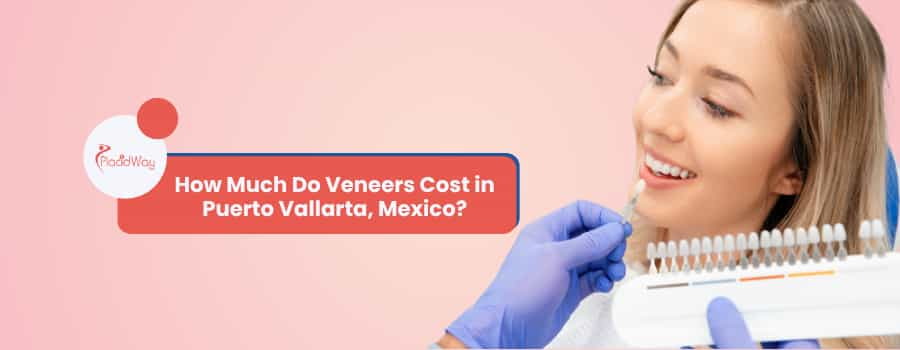
If you are exploring options to enhance your smile, you might be researching the veneers cost in Puerto Vallarta, Mexico. Over recent years, many patients from the United States and Canada have considered crossing borders to find more affordable dental care. Seeking veneers in Puerto Vallarta, Mexico, allows individuals to combine a tropical coastal trip with their dental procedures, potentially reducing their overall healthcare expenses.
However, while the financial savings can be appealing, it is vital to approach international dental care with careful planning. Understanding what influences these costs, the materials available, the timeline of the procedure, and the realistic risks involved is necessary for making an informed decision about your oral health.
Key Takeaways
- Estimated Pricing: Costs generally range between $350 and $600 per tooth, though prices vary by clinic and material.
- Material Choices: Options typically include porcelain, E-max, composite resin, and zirconia.
- Time Commitment: Most porcelain veneer treatments require two visits over a span of 3 to 5 days.
- Preparation: The procedure often involves irreversible removal of a small amount of tooth enamel.
- Aftercare: Long-term success relies heavily on excellent oral hygiene and routine visits to your local dentist back home.
What factors affect the price of dental veneers in Puerto Vallarta?
When you request a quote from a veneers clinic in Puerto Vallarta, Mexico, the estimate will depend on several variables. The most significant factor is the material. Composite veneers are usually the most affordable option, while high-grade porcelain or E-max restorations sit at the higher end of the price spectrum.
Additionally, the number of veneers you need plays a large role. Patients looking for a "Hollywood smile" often opt for six to eight veneers on their upper visible teeth, which will naturally multiply the cost. Some clinics may offer slight package discounts if you are having multiple teeth treated at once, but this is not guaranteed.
The location and overhead of the clinic also matter. Facilities located in prime tourist zones or those that heavily market to international patients might charge slightly more than clinics situated in residential neighborhoods. The experience level of the dentist and whether they utilize an in-house dental laboratory or outsource their fabrications can also impact the final bill.
What are the different types of veneer materials available?
Understanding the materials is crucial because it dictates both your upfront cost and how long the veneers might last.
- Composite Veneers: Made from a tooth-colored resin, these are usually sculpted directly onto your teeth. They are the most cost-effective and require the least amount of enamel removal. However, they are more prone to staining and typically do not last as long as porcelain.
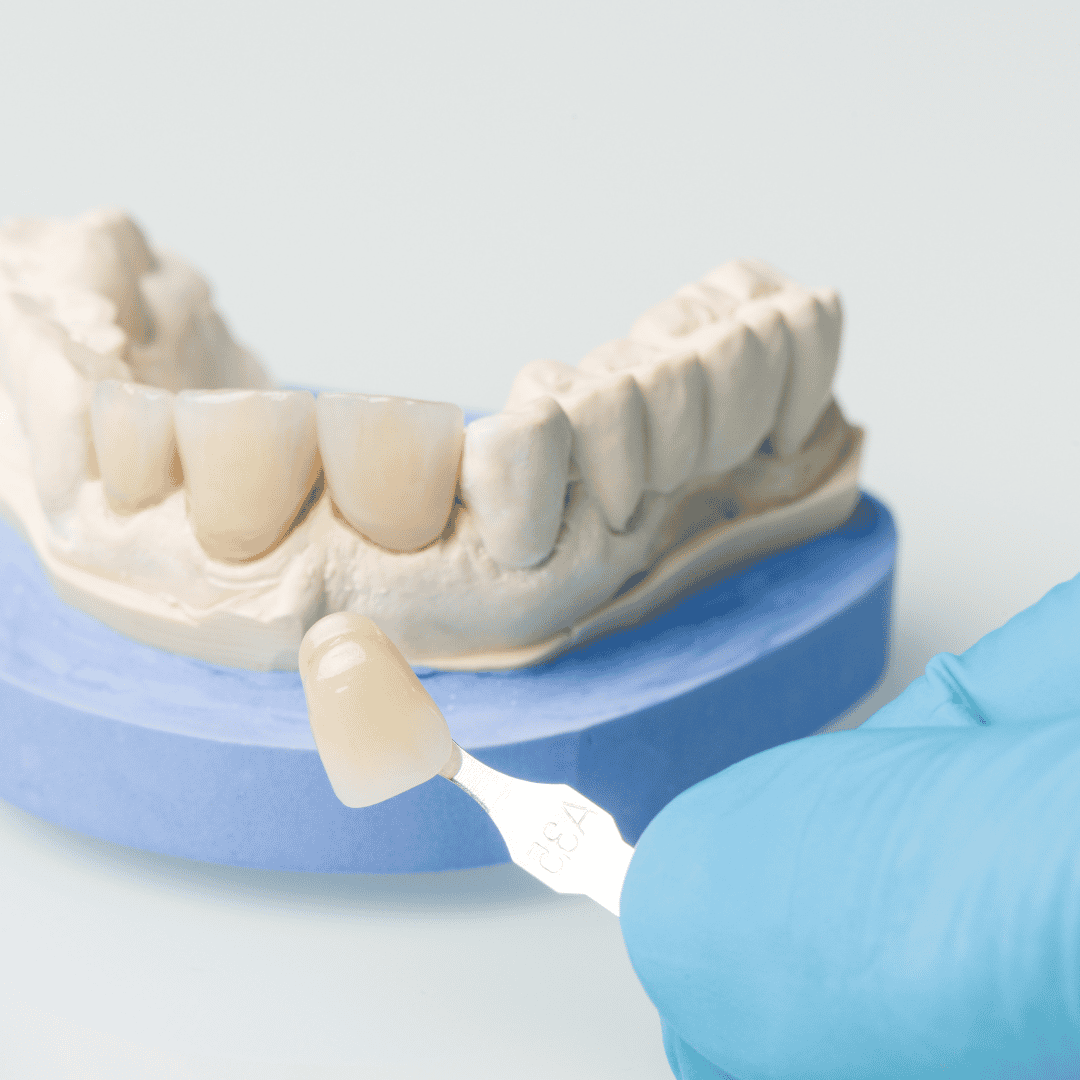
- Porcelain Veneers: These are custom-made thin shells created in a dental lab. They highly mimic the light-reflecting properties of natural teeth and resist stains better than composite resin.
- E-max Veneers: Made from lithium disilicate glass-ceramic, E-max is known for its impressive strength and translucent appearance. They can often be made thinner than traditional porcelain, sometimes requiring less enamel preparation.
- Zirconia Veneers: While more commonly used for crowns, zirconia is sometimes used for veneers in patients who need extra strength, such as those who clench their teeth, though they may appear slightly more opaque than E-max.
| Material Type | Estimated Cost (Puerto Vallarta) | Typical Lifespan Estimate |
|---|---|---|
| Composite | $150 - $250 per tooth | 5 - 7 years |
| Traditional Porcelain | $350 - $450 per tooth | 10 - 15 years |
| E-max / Zirconia | $400 - $600 per tooth | 10 - 15+ years |
Note: The prices listed above are general estimates for comparison purposes and may vary widely based on individual clinical evaluations.
How many trips to Mexico are needed for this procedure?
If you are traveling for medical tourism in Puerto Vallarta, Mexico, timing is an important logistical factor. For composite veneers, the treatment can often be completed in a single extended appointment, as the dentist shapes and cures the resin right in the chair.
Porcelain or E-max veneers require lab fabrication. Your first appointment usually involves a consultation, X-rays, tooth preparation, and taking impressions. You will be fitted with temporary veneers to protect your teeth while the permanent ones are being made. This lab work typically takes a few days.
Your second appointment, usually 3 to 5 days later, involves removing the temporaries and permanently cementing the new custom veneers. It is highly advisable to stay in the city for an extra day or two after the final placement. This allows your bite to settle and gives the dentist a chance to make any minor adjustments to ensure your comfort before you fly home.
Are the materials used in Puerto Vallarta safe and of high quality?
A common concern for patients considering care abroad is whether the materials used are safe. In established dental tourism destinations, clinics frequently import their dental cements, bonding agents, and ceramic blocks from well-known manufacturers in the United States, Germany, or Switzerland.
While the materials may be identical, the cost difference primarily stems from lower labor costs, reduced facility overhead, and differences in localized cost of living, rather than a reduction in material quality. However, it is your responsibility as a patient to ask the clinic about the specific brands they use and request documentation if you want to verify the materials going into your mouth.
Important Consideration
Always disclose your full medical history, including allergies to specific metals or resins, to your dentist prior to beginning any treatment to ensure the materials selected are safe for you.
Am I a good candidate for dental veneers?
Veneers can mask discolorations, close minor gaps, and fix the appearance of chipped or slightly misaligned teeth. However, they are not appropriate for everyone. A foundation of good oral health is required. If you have untreated periodontal (gum) disease or active cavities, these issues must be resolved before placing cosmetic restorations.
Additionally, veneers require a healthy layer of enamel to adhere properly. If your enamel is severely eroded, a dental crown may be a safer and more effective option. Patients suffering from severe bruxism (chronic teeth grinding) are also at a higher risk of chipping or popping off their veneers. In such cases, a dentist may recommend wearing a protective nightguard or might suggest stronger materials.
It is strongly recommended to have a consultation with a local dentist in your home country before booking flights. They can provide an objective assessment of your oral health and confirm whether veneers are a medically sound option for you.
What does the typical veneer procedure involve?
When receiving porcelain or ceramic restorations, the treatment typically follows these steps:
- Diagnosis and Treatment Planning: The dentist examines your teeth, takes X-rays, and discusses your desired shade and shape.
- Preparation: Local anesthesia is often administered. The dentist removes a fraction of a millimeter of enamel from the front surface of the teeth to create space for the veneer.
- Impression: A physical mold or a digital 3D scan is taken of your prepared teeth and sent to the dental lab.
- Temporaries: Temporary acrylic veneers may be placed to reduce sensitivity and protect the teeth while you wait.
- Bonding: At the final visit, the dentist checks the fit and color. The teeth are cleaned, polished, and etched. Special cement is applied, the veneer is placed, and a curing light hardens the bond quickly.
What are the potential risks and complications of getting veneers?
It is vital to understand that traditional porcelain veneers are an irreversible treatment. Because a layer of enamel is removed, the tooth will always require a covering—either a veneer or eventually a crown—for the rest of your life.
Some patients experience increased sensitivity to hot and cold foods for a few weeks following the preparation phase. While this usually subsides, in rare cases, the nerve of the tooth can become inflamed, potentially requiring a root canal in the future.
There is also the risk of mechanical failure. Veneers are durable but not indestructible. Biting on ice, fingernails, or hard candies can cause them to chip or crack. If a complication arises after you have returned home from Mexico, you must seek care from a local dentist, and you will be responsible for those out-of-pocket costs.
How long can I expect my dental veneers to last?
Nothing in dentistry lasts forever. While materials like porcelain and lithium disilicate are highly resilient to normal wear and tear, their longevity is ultimately determined by how well you care for your mouth.
Over time, the gum line may naturally recede due to age or aggressive brushing, which can expose the root of the tooth or the margin where the veneer meets the tooth. When this happens, the veneer may need to be replaced for aesthetic reasons, even if it has not structurally failed.
Replacing a set of veneers involves repeating the process: removing the old restorations, taking new impressions, and bonding new ones. When budgeting for cosmetic dentistry at a younger age, factor in the cost of future replacements.
What aftercare is required once I return home?
Caring for your new smile is straightforward but requires consistency. Treat your veneered teeth exactly as you should treat your natural teeth. Brushing twice a day with a soft-bristled toothbrush and non-abrasive toothpaste is essential to prevent scratching the polished ceramic surface.
Flossing daily is necessary to keep the gums surrounding the veneers healthy. Gum disease can cause inflammation and recession, which compromises the cosmetic result and the health of the underlying tooth.
If you play contact sports, wear a protective mouthguard. If you wake up with jaw pain or headaches, you may be grinding your teeth in your sleep; ask your local dentist to fabricate a custom nightguard to protect your investment.
Why Choose PlacidWay for Medical Tourism in Puerto Vallarta?
Navigating international healthcare options can be complex. PlacidWay is a medical tourism platform designed to help patients explore healthcare possibilities around the world. Here are a few ways PlacidWay can assist you:
- Extensive Directory: PlacidWay provides access to a large directory of international medical and dental clinics, including locations in Puerto Vallarta.
- Information Gathering: The platform helps patients collect information on estimated procedure costs, facility backgrounds, and available treatments.
- Direct Connection: Users can request direct contact with medical providers to ask questions and request quotes.
- Educational Resources: PlacidWay offers articles, guides, and resources explaining the general processes of seeking medical care abroad.
- Free to Browse: Patients can use the platform to compare options globally without being charged a fee by PlacidWay to access the directory.
Frequently Asked Questions
Does the estimated cost usually include the consultation and X-rays?
Some clinics bundle the initial consultation, panoramic X-rays, and basic cleaning into a package price for multiple veneers. However, others charge separately for diagnostic imaging. You should always ask for a detailed, itemized quote before traveling to understand exactly what is included.
Can I get a full set of veneers at once in Puerto Vallarta?
Yes, it is common for patients to receive multiple veneers (often 6 to 8 on the upper or lower arch) during a single trip. The clinic will coordinate the lab work to ensure all restorations are fabricated and placed within your scheduled visit.
Do I need a passport to travel to Puerto Vallarta for dental work?
Yes, if you are traveling from the United States, Canada, or Europe by air, you will need a valid passport to enter Mexico and return to your home country. Ensure your passport is valid for at least six months beyond your travel dates.
Can composite veneers be done in a single day?
Often, yes. Because composite resin is applied and shaped directly onto the teeth by the dentist without the need for an external dental laboratory, composite veneers can frequently be completed in a single extended visit.
Do veneers require shaving down my natural teeth?
Traditional porcelain veneers usually require the removal of a thin layer of enamel (about 0.5 millimeters) so the veneer fits flush with the gumline. Some ultra-thin brands require little to no preparation, but your dentist will determine if you are a candidate for them based on your tooth alignment.
Is there a language barrier at a typical veneers clinic in Puerto Vallarta, Mexico?
Because Puerto Vallarta is a major destination for medical tourism, many established dental clinics employ dentists and patient coordinators who speak fluent English to clearly communicate treatment plans and instructions.
Will my dental insurance cover the cost of veneers in Mexico?
Veneers are generally considered a cosmetic procedure, so most dental insurance plans in the US and Canada do not cover them, regardless of where the treatment is performed. However, if a veneer is deemed medically necessary to restore a damaged tooth, partial out-of-network reimbursement might apply. Check with your provider.
How do I maintain my oral hygiene with veneers?
You should brush twice a day with a non-abrasive toothpaste, floss daily, and attend regular professional cleanings. Avoid biting directly into hard foods like apples or raw carrots with your front teeth, and do not use your teeth as tools to open packages.
What happens if a veneer falls off or chips after I return home?
If a complication occurs, you will likely need to visit a local dentist in your home country for repairs or re-cementing. It is important to factor in potential local follow-up costs when budgeting for treatment abroad.
Are there alternative treatments to veneers available?
Depending on your goals, alternatives may include professional teeth whitening for discoloration, orthodontic treatments like clear aligners for crooked teeth, or dental crowns if the tooth structure is significantly weakened or decayed.
Compare Treatment Options
Gather the information you need to make an informed decision about your dental care.
Request Treatment InformationReferences
- Veneers – American Dental Association (ADA)
- Medical Tourism Guidelines – Centers for Disease Control and Prevention (CDC)
- Dental Veneers Overview – Mayo Clinic
- Dental Materials Safety – U.S. Food and Drug Administration (FDA)
- Oral Health Fact Sheet – World Health Organization (WHO)
- Infection Control in Dentistry – Organization for Safety, Asepsis and Prevention (OSAP)

























Share this listing