


A Guide to Tummy Tuck Cost in Mexico City, Mexico

Many individuals look across borders to achieve their cosmetic goals while managing expenses. Exploring a tummy tuck in Mexico City has become an increasingly popular route for those seeking body contouring procedures. Understanding the financial aspects, the medical requirements, and the logistics of traveling for surgery can help you make an informed choice about your healthcare journey.
Key Takeaways
- Estimated procedural costs range between $3,500 and $6,500, not including travel and accommodation.
- The surgery addresses loose skin and repairs weakened abdominal muscles.
- Patient safety relies heavily on selecting board-certified plastic surgeons and accredited facilities.
- Most medical teams require patients to remain in the area for 10 to 14 days post-surgery before flying.
- Suitability depends on having a stable body weight and a thorough medical evaluation.
What exactly does a tummy tuck involve
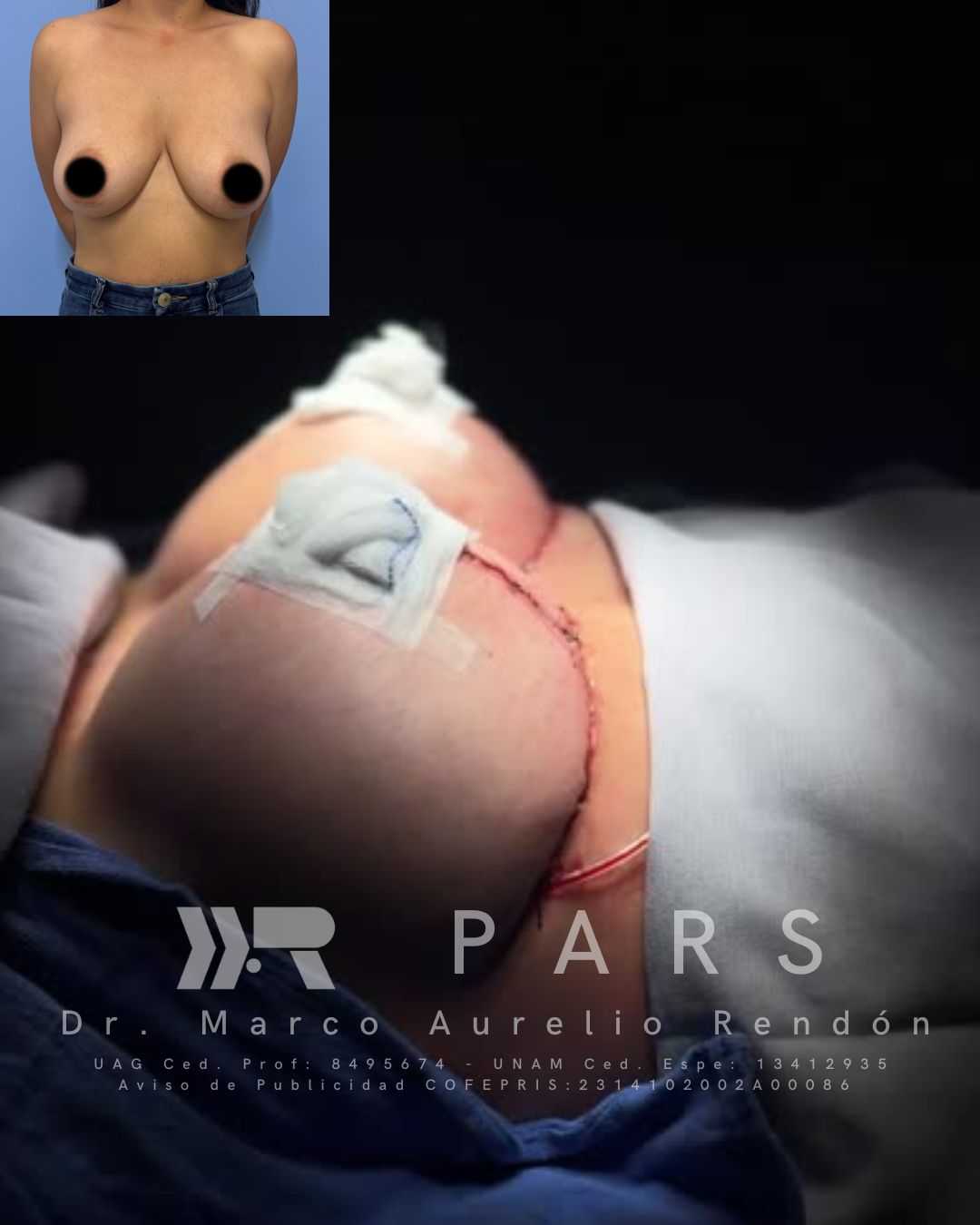
During a standard abdominoplasty, the surgeon makes a horizontal incision between the pubic hairline and the belly button. The length and shape of this incision depend on the amount of excess skin targeted for removal. Once the skin is lifted, the underlying weakened abdominal muscles are repaired and sutured together, which helps flatten the abdomen and narrow the waistline.
After the muscle repair, the upper abdominal skin is pulled down tightly, and the excess is carefully trimmed away. A new opening is often created for the belly button to ensure it sits in a natural position on the newly tightened skin. The incisions are then closed with sutures, skin adhesives, or surgical tape. Because it is a highly structural surgery, the technique requires significant skill and an understanding of individual patient anatomy.
What factors affect the final price of abdominoplasty in the capital
When evaluating the costs, it helps to understand that the baseline estimate is rarely the only expense. A significant portion of the fee goes toward the operating room and the board-certified anesthesiologist who monitors you throughout the procedure. If your treatment plan includes extensive muscle repair or secondary procedures like liposuction, the duration of the surgery increases, thereby raising the operational costs.
Furthermore, your choice of provider plays a large role. A highly sought-after surgeon operating out of a premium private hospital will naturally quote higher fees than a newer practitioner in a smaller surgical center. Patients also need to account for pre-operative medical clearances, post-surgery compression garments, prescription medications, and the cost of staying in the city during the initial recovery phase.
Who is typically considered a suitable candidate for this procedure
Surgeons evaluate potential patients carefully to ensure the body can handle the stress of surgery and the subsequent healing process. Ideal candidates should be non-smokers, as nicotine severely compromises blood flow and significantly increases the risk of tissue death and wound healing complications. You should also be at or near your target body weight and have maintained that weight for at least six to twelve months.
This operation is not a weight-loss treatment. Individuals who plan to lose a substantial amount of weight are usually advised to postpone the surgery. Likewise, individuals who plan to become pregnant in the future should consider waiting, because the physical expansion during pregnancy can stretch the newly repaired muscles and skin, reversing the benefits of the surgery.
Are there different types of abdominoplasty available
A full abdominoplasty addresses the entire abdominal wall, from the ribcage down to the pubic area, and involves relocating the belly button. In contrast, a mini abdominoplasty requires a shorter incision and focuses strictly on the area below the navel. It is often suitable for patients who have minor skin laxity and do not require extensive muscle repair or umbilical repositioning.
For patients who have experienced massive weight loss, such as after bariatric surgery, an extended tummy tuck or a fleur-de-lis procedure might be recommended. These advanced techniques involve longer horizontal incisions that wrap around the hips, and sometimes a vertical incision, to remove severe excesses of skin across multiple dimensions of the torso.
What should patients expect during the initial recovery period
The first few days post-surgery are typically the most uncomfortable. You will likely be asked to wear an elastic compression garment to minimize swelling and support your newly contoured abdomen as it heals. You will also be advised to sleep and rest with your upper body slightly raised and your knees bent to reduce tension on the fresh incision lines.
While intense activity is strictly prohibited, short, gentle walks around your room are encouraged shortly after surgery to promote blood circulation and prevent blood clots. Depending on your body's healing rate and the physical demands of your job, you might return to non-strenuous work within two to four weeks. However, heavy lifting and core-engaging exercises must be avoided for several months.
How do safety standards compare for international patients
When evaluating a tummy tuck clinic in Mexico City, it is crucial to look past promotional materials and focus on credentials. Top-tier facilities adhere to strict hygiene and safety protocols similar to those found in the US and Canada. You should verify that the surgical center is accredited by national or international healthcare organizations and equipped to handle rare medical emergencies.
Equally important is the surgeon's background. In Mexico, reputable plastic surgeons are certified by the Mexican Council of Plastic, Aesthetic and Reconstructive Surgery (CMCPER). Ensuring your physician holds this certification indicates they have completed rigorous specialized training and adhere to established ethical and medical standards.
Can abdominoplasty be combined with other body contouring procedures
Combining treatments is often referred to as a mommy makeover when it involves breast lifting or augmentation alongside abdominal contouring. The primary benefit of combining procedures is having a single recovery period rather than undergoing multiple separate surgeries over several years. It can also be more financially efficient, as you only pay for the operating room and anesthesia once.
However, combining surgeries increases the total time you spend on the operating table, which can elevate the risk of complications such as deep vein thrombosis (DVT) or excessive blood loss. A responsible surgeon will carefully assess your medical history, age, and physical condition to determine if a combined approach is a safe option for you.
What are the potential medical risks and complications
Seromas, which are pockets of fluid that build up beneath the skin, are among the most common complications. To mitigate this, surgeons frequently place temporary drainage tubes in the lower abdomen during surgery. Poor wound healing and tissue necrosis are also serious concerns, particularly for patients who smoke or have underlying health conditions like unmanaged diabetes.
Other risks include visible scarring, asymmetry, and temporary or permanent numbness in the abdominal region due to nerve disruption. Before proceeding, your doctor should provide a comprehensive overview of all potential adverse events and explain the specific protocols they use to minimize these risks during and after the operation.
How long do patients need to stay in the city before flying home
Participating in medical tourism in Mexico City requires careful logistical planning, especially regarding your departure. Flying too soon after major surgery can be dangerous. The combination of prolonged immobility in an airplane seat, cabin pressure changes, and the body's natural inflammatory response to surgery significantly raises the risk of developing blood clots.
During your extended stay, you will visit your surgeon for follow-up assessments. These appointments are crucial for monitoring your healing progress, removing surgical drains, and evaluating the incision sites for any signs of infection. Your surgeon must provide explicit medical clearance before you board a flight home.
How can patients prepare for a successful consultation
A productive consultation is a two-way street. Be prepared to discuss your current medications, any herbal supplements you take, past surgeries, and your lifestyle habits. Full transparency is essential for your safety, as certain medications, like blood thinners or even common pain relievers, may need to be adjusted or paused prior to surgery.
Use this time to evaluate the surgeon's communication style and expertise. Ask to view before-and-after photos of previous patients with body types similar to yours. Request a detailed breakdown of the quoted costs, and inquire about their emergency protocols and contingency plans if the procedure does not go as expected.
Why Choose PlacidWay for Medical Tourism in Mexico City?
Navigating international healthcare options can feel overwhelming. PlacidWay serves as a resource to help patients research and connect with medical facilities abroad. Here are a few ways the platform assists individuals exploring treatments:
- Extensive Directory: PlacidWay provides a comprehensive listing of clinics, hospitals, and specialized medical centers across multiple international destinations.
- Cost Comparisons: The platform allows users to view and compare estimated pricing for specific procedures, helping them align treatments with their financial plans.
- Provider Profiles: Patients can access detailed information regarding a facility's accreditations and read about the professional backgrounds and certifications of the medical staff.
- Direct Communication: PlacidWay facilitates initial contact between the patient and the chosen medical facility, streamlining the inquiry process.
- Information Gathering: Users can request personalized treatment plans, recovery timelines, and specific medical itineraries directly from healthcare providers through the platform.
Frequently Asked Questions
Is a tummy tuck permanent?
Results can be long-lasting if your weight remains stable, but the natural aging process and future pregnancies can alter the surgical outcomes over time.
How visible is the abdominoplasty scar?
The surgical scar is typically placed low on the abdomen so it can be concealed by underwear or a bikini bottom, though the mark is permanent and takes many months to fade.
Can I get pregnant after a tummy tuck?
Yes, pregnancy is physically possible after the surgery, but doctors routinely recommend waiting until you are entirely finished having children because pregnancy will stretch the repaired muscles and skin.
How soon can I exercise after the surgery?
Light, short walks are encouraged early in the recovery phase to promote circulation, but strenuous exercise, core workouts, and heavy lifting are usually restricted for six to eight weeks.
Does a tummy tuck help with stretch marks?
It can remove stretch marks that are located directly on the excess skin being excised, which is usually the area below the belly button, but it cannot eliminate stretch marks on the remaining skin.
Will I have surgical drains after my procedure?
Many surgeons use temporary, thin tubes placed under the skin to drain excess fluid and blood. These are usually removed within a week or two during a post-operative follow-up visit.
What kind of anesthesia is used for this surgery?
A full abdominoplasty is almost always performed under general anesthesia so that the patient is entirely asleep and comfortable throughout the complex procedure.
How much weight can I lose with a tummy tuck?
This procedure is not designed as a weight-loss tool. It typically only removes a few pounds of excess skin and localized fat, focusing instead on contouring and tightening.
Why do I need to stop smoking before the operation?
Smoking constricts blood vessels and significantly decreases blood flow to the skin, which drastically increases the risk of poor wound healing, severe infections, and tissue necrosis.
Do I need someone to travel with me to Mexico City?
It is highly recommended to bring a companion. You will need assistance with basic daily activities, managing your luggage, and moving around safely during the initial days of recovery.
Compare Treatment Options
Take the next step in your healthcare journey by gathering information, comparing estimated costs, and connecting with medical facilities abroad.
Request Treatment InformationReferences
- Tummy Tuck Procedure Details – American Society of Plastic Surgeons (ASPS)
- Abdominoplasty Overview and Risks – Mayo Clinic
- Medical Tourism Safety and Travel Guidelines – Centers for Disease Control and Prevention (CDC)
- Patient Safety Guidelines for International Surgery – International Society of Aesthetic Plastic Surgery (ISAPS)
- Board Certification Guidelines – Mexican Council of Plastic, Aesthetic and Reconstructive Surgery (CMCPER)
- Complications in Abdominoplasty – National Institutes of Health (NIH) / PubMed
Medical Disclaimer: The information provided in this article is for educational and informational purposes only and does not constitute medical advice, diagnosis, or treatment recommendations. All surgical procedures, including abdominoplasty, carry inherent risks and require a thorough evaluation by a qualified healthcare professional. Costs, recovery times, and outcomes vary significantly by patient. Always consult with a board-certified physician to determine if a specific treatment is appropriate for your individual health needs and circumstances.























Share this listing