
Affordable BBL in Mexico: Your 2025 Price Guide

In recent years, cross-border healthcare has seen massive growth. For those exploring body contouring options, getting a BBL in Mexico has become a highly researched path. Patients are often drawn by the financial savings, but the decision involves much more than just a price tag. It requires a careful understanding of surgical safety, international travel logistics, and extensive recovery protocols.
This guide explains the motives behind this trend, what the procedure involves, how to evaluate a BBL clinic in Mexico, and the strict medical precautions you must consider before planning any cosmetic surgery abroad.
Key Takeaways
- Cost savings are the primary driver, with prices often 40% to 60% lower than in the US or Canada.
- A BBL is a complex procedure carrying significant medical risks; it is not simply a cosmetic injection.
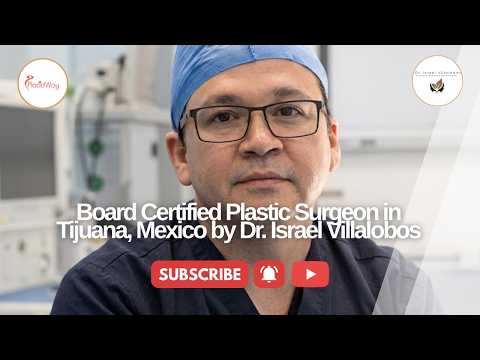
- Choosing a board-certified plastic surgeon (CMCPER) is vital for patient safety and minimizing complications.
- Current safety guidelines strongly urge the use of ultrasound-guided technology during fat injection.
- Recovery requires a 7 to 14-day stay in Mexico before it is medically safe to fly home.
What Exactly is a Brazilian Butt Lift (BBL)?
Despite its common name, a BBL does not involve a traditional "lift" or surgical tightening of loose skin, nor does it use silicone implants. Instead, a surgeon uses liposuction to harvest excess fat from areas like the abdomen, flanks (love handles), lower back, or thighs. This process shapes the surrounding areas, which helps enhance the overall silhouette.
Once the fat is removed, it goes through a purification process. The surgeon then carefully re-injects the viable fat cells into the subcutaneous layer of the buttocks (just beneath the skin) to increase volume and alter the shape. Because the procedure uses your own tissue, there is no risk of allergic rejection, though the body may naturally absorb some of the transferred fat over time.
How Much Does a BBL Cost in Mexico Compared to the US?
This substantial difference in price is the main reason medical tourism in Mexico continues to thrive. The lower costs are not inherently a reflection of lower medical quality. Instead, they stem from macroeconomic factors, including lower costs of living, reduced facility overhead, and lower administrative and malpractice insurance expenses for healthcare providers south of the border.
When comparing prices, it is important to understand what is included in a quote. Many clinics in Mexico offer packages that cover the surgeon’s fee, anesthesia, operating room costs, post-operative garments (fajas), and sometimes local hotel accommodations and airport transfers. However, patients must still budget for flights, specialized medical travel insurance, post-operative massages, and a contingency fund for unexpected medical needs.
| Factor | United States (Est.) | Mexico (Est.) |
|---|---|---|
| Average Total Price | $8,000 - $15,000+ | $3,500 - $6,500 |
| Anesthesia & Facility Fees | Usually billed separately | Often included in packages |
| Accommodation & Transfers | Not applicable/Out of pocket | Frequently included |
*Note: Prices are estimates and vary widely based on individual patient needs, surgical complexity, and clinic location. Always obtain a personalized quote.
Are BBL Clinics in Mexico Safe and Regulated?
The regulatory body overseeing medical facilities in Mexico is COFEPRIS (Federal Commission for the Protection against Sanitary Risk), which functions similarly to the FDA in the United States. A reputable BBL clinic in Mexico will hold current COFEPRIS certifications for their operating rooms.
However, regulation does not eliminate risk, nor does it mean every clinic adheres to international standards. Medical tourists must take an active role in vetting their chosen facility. Safe clinics operate like modern hospitals, equipped with advanced monitoring technology, sterile environments, and dedicated intensive care units (ICUs) or immediate transfer protocols in case of surgical emergencies.
What Are the Major Medical Risks of a BBL?
Historically, BBL surgery has had a higher mortality rate than any other cosmetic procedure. This risk is primarily tied to the deep injection of fat. If a surgical cannula accidentally penetrates the gluteal muscle, it can tear large underlying blood vessels. Fat can then enter the vein, causing a blockage (embolism).
Other potential complications include:
- Infection: Any surgical incision risks bacterial infection, which can severely impact healing and final results.
- Deep Vein Thrombosis (DVT): Blood clots can form in the legs due to prolonged immobility during and after surgery.
- Fat Necrosis: Injected fat that does not establish a blood supply may die, resulting in hard lumps under the skin.
- Asymmetry and Contour Irregularities: The body may absorb fat unevenly, leading to a lopsided appearance.
These risks highlight why patients must focus on surgical competence over cost savings alone. A thorough medical evaluation is required to ensure a patient is healthy enough to handle anesthesia and surgical trauma.
Why is Ultrasound-Guided BBL Crucial for Safety?
In response to the severe risks associated with deep fat injections, major international plastic surgery societies updated their safety mandates. The current standard of care dictates that fat should only be grafted into the subcutaneous space (the fat layer just below the skin) and never into or below the gluteal muscle.
To ensure this, many leading surgeons now use real-time ultrasound imaging during the injection phase. By placing an ultrasound probe on the skin, the surgeon can view a monitor showing the layers of tissue and the tip of the surgical instrument. If you are considering traveling to Mexico, asking whether the surgeon uses ultrasound guidance is a vital step in prioritizing your safety.
What Does the BBL Recovery Process Entail?
The initial recovery phase is critical for both safety and aesthetic outcomes. Because the newly grafted fat needs time to establish a blood supply, direct pressure can compress the tissue and cause the fat cells to die. Patients are usually required to sleep on their stomachs or sides.
When sitting is absolutely necessary (such as using the restroom or traveling), patients must use a specialized BBL pillow that places the body's weight on the lower thighs rather than the buttocks. Additionally, you will be required to wear a compression garment (faja) around the clock to reduce swelling at the liposuction sites and help the skin retract smoothly. Recovery also involves managing drainage, taking prescribed antibiotics, and undergoing frequent lymphatic drainage massages.
How Long Should You Stay in Mexico After Surgery?
Flying shortly after major surgery is highly dangerous. The combination of surgical trauma, anesthesia after-effects, and the immobility of sitting in a pressurized airplane cabin drastically increases the risk of Deep Vein Thrombosis (DVT) and pulmonary embolism.
Your surgeon will monitor your healing, manage any surgical drains, and look for early signs of infection or complications. Only once your doctor provides official medical clearance should you plan your return travel. When planning medical tourism in Mexico, factor these extended accommodation costs into your overall budget, as shortening your stay compromises your health.
Who is Considered an Ideal Candidate for a BBL?
Suitability for a BBL is determined through medical history reviews and physical examinations. Because this procedure uses autologous fat (your own fat), you must have enough harvestable tissue. Patients who are very lean may not have enough donor fat to achieve their desired volume.
Conversely, patients with a very high Body Mass Index (BMI) may be turned away, as higher BMIs correlate with increased risks during anesthesia and recovery. Most surgeons require a BMI under 30 or 32. Furthermore, smoking constricts blood vessels and severely hampers the body's healing processes; patients must stop smoking several weeks before and after surgery to prevent tissue necrosis (cell death).
How Do You Verify a Plastic Surgeon’s Credentials in Mexico?
Never rely solely on social media followers, influencer endorsements, or highly edited before-and-after photos to choose a medical professional. Instead, look for objective, verifiable credentials. In Mexico, the recognized certifying body is CMCPER (Consejo Mexicano de Cirugía Plástica, Estética y Reconstructiva). Additionally, membership in AMCPER (Asociación Mexicana de Cirugía Plástica, Estética y Reconstructiva) demonstrates a commitment to ongoing education.
Many highly qualified Mexican surgeons are also members of the International Society of Aesthetic Plastic Surgery (ISAPS) or the American Society of Plastic Surgeons (ASPS). You should ask prospective surgeons about their specific complication rates, how often they perform BBLs, and what emergency protocols their facility has in place.
What Should You Do if Complications Arise After Returning Home?
One of the primary challenges of medical tourism is managing post-operative care once you leave the destination country. Complications such as infections, seromas (fluid buildup), or blood clots can develop weeks after the initial procedure. If you experience fever, severe pain, shortness of breath, or unusual redness, you cannot wait to contact your foreign surgeon—you need local, immediate care.
Before traveling, it is wise to identify a local primary care physician or specialist willing to assist with follow-up care. Additionally, consider purchasing specialized medical tourism complications insurance. Standard domestic health insurance policies often deny coverage for complications arising from elective cosmetic surgeries performed abroad, which could leave you facing steep emergency medical bills.
Why Choose PlacidWay for Medical Tourism in Mexico?
Navigating cross-border healthcare requires extensive research and careful planning. PlacidWay serves as a global medical tourism platform helping patients explore international treatment options. Here is how PlacidWay assists patients:
- Access to Information: PlacidWay provides centralized profiles for clinics and hospitals across Mexico, allowing you to review facility details in one place.
- Provider Credentials: The platform lists doctors' educational backgrounds, board certifications, and affiliations to help you make informed vetting decisions.
- Cost Transparency: Patients can view estimated pricing frameworks and compare detailed treatment packages before contacting a facility.
- Direct Communication: PlacidWay facilitates direct contact between patients and international medical teams to discuss suitability and individual medical needs.
- Global Reach: The platform offers resources and guides on various medical destinations, helping individuals evaluate healthcare options beyond their home country.
Frequently Asked Questions
Is a BBL in Tijuana different from one in Cancun?
The surgical technique for a BBL remains the same across Mexico, provided you choose a board-certified plastic surgeon. However, the travel logistics differ. Tijuana is often preferred by patients driving across the US border from California, while Cancun caters primarily to fly-in patients looking for a resort-like recovery environment.
What is the maximum BMI for a BBL in Mexico?
Most board-certified surgeons in Mexico require a Body Mass Index (BMI) below 30 or 32 to minimize anesthesia and surgical risks. Patients with a higher BMI may be advised to lose weight before undergoing the procedure to reduce the risk of complications.
Can I get a BBL if I am very thin?
A BBL requires sufficient harvestable body fat. If you have a very low BMI and limited excess fat in your abdomen, flanks, or thighs, you may not have enough donor fat to achieve significant volume changes. A surgeon will evaluate your anatomy during consultation.
How soon can I fly back home after a BBL?
Surgeons typically advise staying in Mexico for 7 to 14 days post-surgery. Flying too soon increases the risk of Deep Vein Thrombosis (DVT) and puts harmful pressure on the newly grafted fat. You will need medical clearance before boarding an airplane.
Are lymphatic drainage massages mandatory?
While not legally mandatory, surgeons heavily recommend lymphatic drainage massages. These specialized massages help reduce fluid retention, minimize swelling, and prevent the formation of hard lumps (fibrosis) in the areas where liposuction was performed.
How long do BBL results typically last?
The fat cells that survive the transfer process (usually 60% to 80%) behave like normal fat tissue. If you maintain a stable weight, the results can be long-lasting. However, significant weight fluctuations or aging can alter the contour over time.
Will I need drains after my BBL surgery?
Many surgeons use small surgical drains in the liposuction sites to prevent fluid accumulation (seromas) during the first few days of recovery. These are typically removed by your medical team in Mexico before you travel home.
Does a BBL leave large scars?
A BBL utilizes small incisions (usually less than a quarter-inch) to insert the liposuction and injection cannulas. These incisions are typically placed in natural body creases to make the resulting scars as inconspicuous as possible.
Is general anesthesia required for a BBL?
Depending on the extent of the liposuction and the surgeon's protocol, a BBL is usually performed under general anesthesia or epidural anesthesia with IV sedation. Your anesthesiologist will determine the safest option based on your medical history.
Can I combine a BBL with a tummy tuck in Mexico?
Combining a BBL with a tummy tuck (abdominoplasty) is common but increases surgical time, physical trauma, and recovery difficulty. Since you cannot sleep on your back after a BBL, nor on your stomach after a tummy tuck, recovery positioning requires strict medical guidance.
Explore Your Body Contouring Options
Compare medical facilities, review board-certified surgeons, and gather the information you need to make an informed decision about treatment abroad.
Request Treatment InformationReferences
- Brazilian Butt Lift Safety Warning – American Society of Plastic Surgeons (ASPS)
- Patient Safety Guidelines – International Society of Aesthetic Plastic Surgery (ISAPS)
- Medical Tourism Safety and Risks – Centers for Disease Control and Prevention (CDC)
- Ultrasound-Guided Gluteal Fat Grafting – Aesthetic Surgery Journal
- Directory of Certified Plastic Surgeons – Consejo Mexicano de Cirugía Plástica (CMCPER)
- Safe Surgery Checklist and Standards – World Health Organization (WHO)



















Share this listing