
Is Medical Tourism in Mexico Safe for Canadians Seeking Orthopedic Surgery?

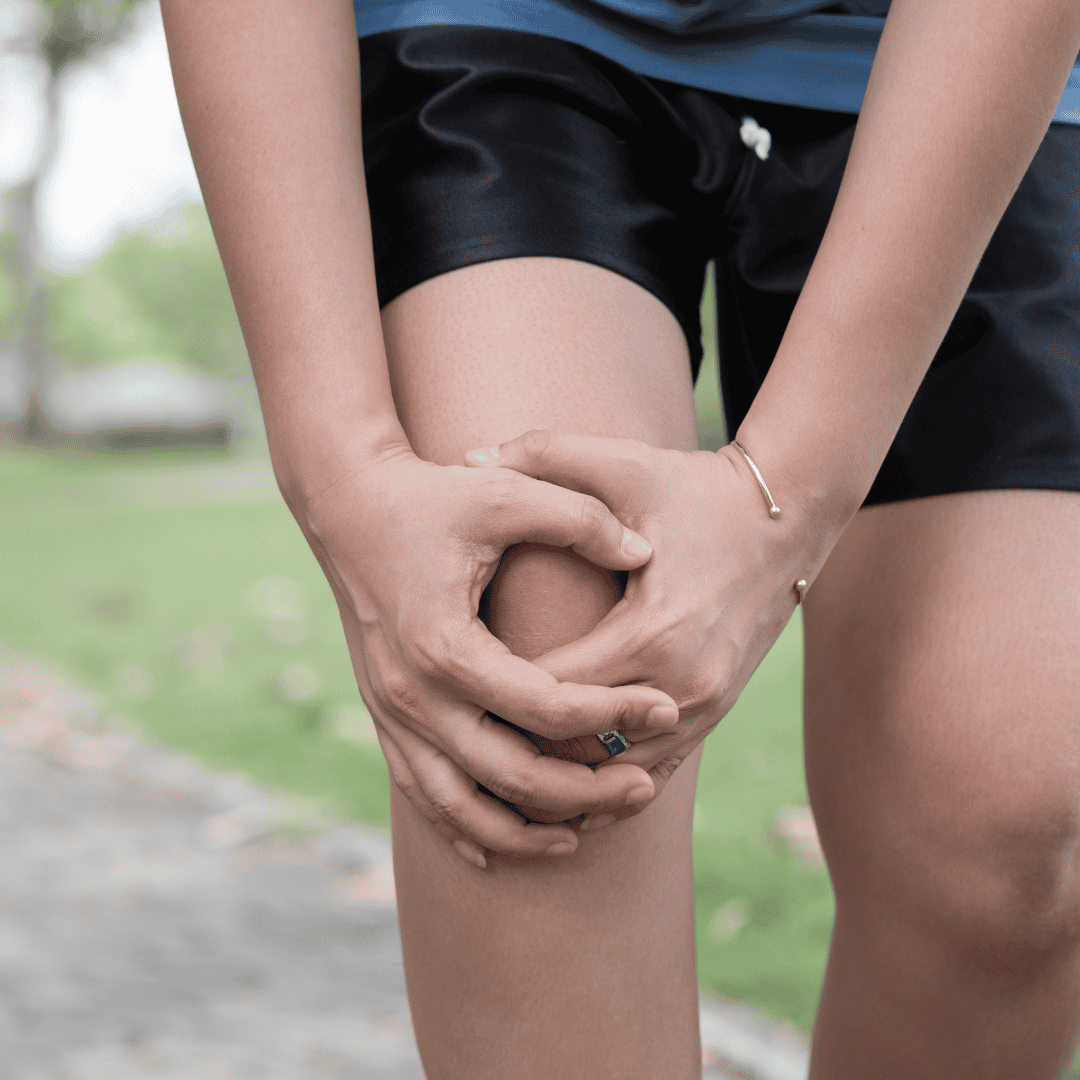
For many Canadians living with chronic joint pain or reduced mobility, navigating the public healthcare system can involve extended wait times for elective orthopedic procedures. As a result, a growing number of patients are exploring alternatives abroad. Choosing to undergo orthopedic surgery in Mexico offers a potential pathway to faster treatment, but it also introduces unique considerations regarding patient safety, travel logistics, and continuity of care.
Understanding the landscape of cross-border healthcare is essential before making any medical decisions. While Mexico boasts numerous modern, well-equipped hospitals catering to international patients, medical outcomes are never guaranteed. Evaluating facility accreditation, surgeon credentials, and the inherent risks of combining major surgery with international travel will help you make a more informed choice about your musculoskeletal health.
Key Takeaways
- Safety relies on choosing internationally accredited hospitals (such as JCI or CSG) and verifying surgeon board certifications.
- Thorough pre-operative screening is critical to determine if you are a suitable candidate for surgery and travel.
- Flying after orthopedic procedures carries an increased risk of deep vein thrombosis (DVT), requiring specific preventive measures.
- Establishing a plan for local physical therapy and follow-up care in Canada before you leave is vital for a successful recovery.
- Provincial health insurance plans typically do not cover elective orthopedic surgeries performed outside of Canada.
1. Why are Canadians traveling to Mexico for orthopedic surgery?
The Canadian public healthcare system prioritizes urgent and life-threatening conditions, which often places elective orthopedic surgeries—like knee and hip replacements—on long waiting lists. Depending on the province and the complexity of the condition, patients can wait anywhere from several months to over a year for a joint replacement. During this time, quality of life and mobility can deteriorate significantly.
By engaging in medical tourism in Mexico, Canadians can often schedule their procedures within weeks rather than months. This expedited access allows individuals to return to their normal activities, work, and hobbies much sooner. Additionally, the availability of specialized private care in Mexico offers personalized attention and modernized facilities that cater specifically to the needs of international visitors.
2. How do safety standards for orthopedic procedures in Mexico compare to Canada?
In Canada, all hospitals operate under strict provincial and federal regulations ensuring uniform safety standards. In Mexico, the healthcare system is a mix of public and private facilities, and the quality of care can differ significantly. However, private hospitals that cater to medical tourists often seek rigorous accreditations to demonstrate their commitment to patient safety.
When evaluating an orthopedic surgery clinic in Mexico, you should look for accreditations from respected bodies such as the Joint Commission International (JCI) or the Mexican General Health Council (Consejo de Salubridad General - CSG). These organizations enforce stringent guidelines regarding infection control, surgical safety protocols, equipment sterilization, and patient monitoring, creating environments that mirror the safety expectations of Canadian patients.
3. What are the most common orthopedic procedures performed in Mexico?
Orthopedic specialists in Mexico offer a wide spectrum of treatments. Patients commonly travel for procedures that are either subject to extensive delays in their home countries or require specialized surgical techniques. Commonly sought procedures include:
- Total Knee Replacement (Arthroplasty): Removing damaged cartilage and bone from the knee and replacing it with an artificial joint.
- Total Hip Replacement: Replacing the hip joint with a prosthetic implant to relieve arthritis pain or fix joint damage.
- Arthroscopic Surgery: Minimally invasive procedures to repair torn ligaments (like the ACL), meniscus tears, or shoulder rotator cuffs.
- Spinal Surgery: Procedures such as spinal fusion, laminectomy, or artificial disc replacement to address severe back pain or nerve compression.
4. How much does orthopedic surgery cost in Mexico compared to private care?
Because Canada's primary healthcare system is publicly funded, most Canadians do not pay directly for medically necessary orthopedic surgeries at home. However, for those who choose to circumvent public wait times by paying for private care—either at select private clinics within Canada or by traveling to the US—the financial burden can be massive.
The orthopedic surgery cost in Mexico typically offers a more accessible alternative. While exact prices vary based on the specific procedure, the type of implant required, the surgeon's expertise, and the facility's location, patients often note substantial differences compared to North American private pricing. Estimates for a knee or hip replacement in Mexico generally range from a fraction to half of what one might pay in a private US hospital. When budgeting, patients must also factor in the costs of flights, accommodations, companion travel, and post-operative physical therapy back home.
5. How do I choose a safe orthopedic surgery clinic in Mexico?
Patient safety must always be the driving factor when planning medical travel. To ensure you are choosing a reputable orthopedic surgery clinic in Mexico, consider the following evaluation steps:
- Verify Accreditations: Ensure the facility holds current certifications from JCI, CSG, or ISO, indicating strict adherence to international healthcare standards.
- Check Surgeon Credentials: Look for surgeons who are board-certified by the Mexican Council of Orthopedics and Traumatology (CMOT). Many top specialists also hold memberships in international organizations like the American Academy of Orthopaedic Surgeons (AAOS).
- Ask About Volume: Inquire how often the surgeon performs your specific procedure. Higher surgical volumes are generally associated with better outcomes and lower complication rates.
- Evaluate Communication: Ensure the medical staff is fluent in English or provides professional medical translators so you fully understand your risks, procedure, and aftercare.
6. What are the medical and travel risks of medical tourism in Mexico?
No surgical procedure is entirely risk-free, and engaging in medical tourism in Mexico adds a layer of travel-related complexities. Standard surgical risks include anesthesia complications, bleeding, implant rejection, or nerve damage. However, the most critical risk for orthopedic patients traveling abroad is Deep Vein Thrombosis (DVT)—the formation of blood clots in the legs.
Both lower-extremity surgery (like hip or knee replacements) and long periods of immobility during flights are major risk factors for DVT, which can lead to a life-threatening pulmonary embolism. To mitigate this, surgeons usually require patients to remain in Mexico for a designated recovery period (often 10 to 14 days) before being cleared to fly. Patients may also be prescribed blood thinners and instructed to wear compression stockings. Additionally, differing microbial environments can pose a risk of surgical site infections, making stringent facility hygiene paramount.
Important Consideration
Your medical history—including heart conditions, diabetes, obesity, or smoking—can heavily impact your surgical risk. Always provide your Mexican surgical team with complete and honest medical records to ensure you are a safe candidate for treatment.
7. How does the recovery process work for international orthopedic patients?
After your procedure, you will typically spend a few days recovering in the hospital, where medical staff will manage your pain, monitor your vitals, and initiate early mobility exercises. Following hospital discharge, patients usually transition to a local hotel or recovery retreat in Mexico to rest, attend follow-up appointments, and begin gentle physical therapy.
Once your surgeon clears you as "fit to fly," the second phase of recovery begins in Canada. Orthopedic surgeries require dedicated, ongoing physical therapy to restore joint function, strength, and range of motion. It is your responsibility to arrange outpatient physical therapy in your local community, as rehabilitation is a long-term commitment that directly influences the success of your new joint.
8. Will Canadian provincial health insurance cover my orthopedic surgery in Mexico?
Provincial health plans are designed to fund medically necessary services provided within Canada. Elective procedures sought abroad to avoid wait times are viewed as private, out-of-pocket expenses. While provinces have highly specific, complex prior-approval processes for out-of-country care, these are generally reserved for rare, life-saving treatments unavailable anywhere in Canada—not for routine joint replacements.
Therefore, Canadians must be prepared to self-fund their entire medical journey. This includes the surgery itself, medical facility fees, anesthesia, implants, travel, accommodation, and private travel medical insurance. Standard travel insurance policies also typically exclude coverage for complications arising from planned medical procedures, meaning specialized medical tourism insurance may be necessary.
9. What happens if I experience complications after returning to Canada?
Continuity of care is one of the most significant hurdles in cross-border medical travel. If you experience a severe complication upon returning home—such as a high fever, severe bleeding, suspected DVT, or acute infection—you should go to the nearest Canadian emergency room immediately. Public hospitals will not turn you away in an emergency.
However, for non-emergency issues, revisions, or routine post-operative monitoring, securing a local specialist can be difficult. Canadian orthopedic surgeons may be hesitant to take over the care of a patient operated on by another doctor, especially from a foreign jurisdiction, due to liability concerns and already overloaded public schedules. It is strongly recommended to discuss this with your Canadian family doctor or a local specialist before leaving for Mexico, establishing a clear plan for post-operative management.
10. How should Canadians prepare for orthopedic surgery in Mexico?
Proper planning is essential for a smooth medical journey. Begin by obtaining high-quality digital copies of your recent X-rays, MRIs, blood work, and comprehensive medical history to share with your Mexican medical team during the consultation phase. Ensure your passport is valid for at least six months beyond your planned return date.
It is highly advisable to travel with a family member or friend who can advocate for you, assist with mobility, and manage luggage during transit. Finally, prepare your home in Canada before you depart. Since you will return with restricted mobility, set up a comfortable recovery area on the ground floor, arrange for a shower chair, remove tripping hazards, and pre-book your local physical therapy appointments.
Why Choose PlacidWay for Medical Tourism in Mexico?
PlacidWay is an international medical tourism platform designed to help patients research and connect with healthcare providers worldwide. If you are considering medical care abroad, here is how PlacidWay can assist:
- Educational Resources: PlacidWay provides comprehensive information on various procedures, helping patients understand their medical options across different countries.
- Provider Comparisons: The platform allows users to compare multiple hospitals, clinics, and specialists side-by-side to find a facility that aligns with their needs.
- Global Network Access: Patients gain visibility into a wide directory of internationally accredited medical centers located in Mexico and beyond.
- Direct Communication: PlacidWay facilitates direct contact between patients and healthcare providers, streamlining the consultation and quoting process.
- Patient-Centric Information: The service focuses on providing transparent details about facility accreditations, surgeon credentials, and estimated treatment costs to support informed decision-making.
Frequently Asked Questions
How long do I need to stay in Mexico after a knee replacement?
Most surgeons recommend staying in Mexico for 10 to 14 days after a knee replacement. This allows time for initial physical therapy, staple removal, and medical clearance to ensure you are safe to fly home.
Can I fly home immediately after hip surgery in Mexico?
No. Flying immediately after major joint surgery significantly increases the risk of deep vein thrombosis (DVT) and pulmonary embolism. You must wait until your surgeon officially clears you for air travel, which is typically one to two weeks post-surgery.
Do Mexican orthopedic surgeons speak English?
Many orthopedic surgeons who specialize in treating international patients are fluent in English, and several have completed fellowships in the US or UK. However, you should always verify the language capabilities of the medical team before booking.
What type of implants are used in Mexican orthopedic clinics?
Reputable clinics typically use internationally recognized, FDA-approved, or CE-marked implants from major global medical device manufacturers. It is appropriate to ask your surgeon about the specific brand and material of your intended implant.
Is physical therapy included in Mexican orthopedic packages?
Some medical facilities include initial inpatient physical therapy in their treatment estimates, while others bill it separately. Outpatient rehab is usually an additional cost. Always request a detailed breakdown of what your estimate covers.
How do I transport my medical records from Canada to Mexico?
You can request digital copies of your X-rays, MRIs, and medical history from your Canadian healthcare provider. These are typically shared with your Mexican surgeon via secure, encrypted patient portals prior to your consultation.
Can a family member stay with me in the hospital in Mexico?
Many private hospitals in Mexico provide private rooms equipped with a sleeper sofa or extra bed for an adult companion. Policies vary by facility, so confirm visitation and overnight rules directly with the hospital.
What is the risk of deep vein thrombosis (DVT) when flying after surgery?
Major orthopedic surgery and prolonged immobility on flights are both primary risk factors for DVT (blood clots). Surgeons often prescribe blood thinners and recommend compression stockings and frequent movement to mitigate this serious risk during your flight home.
Do I need a visa to travel from Canada to Mexico for medical care?
Canadians typically do not need a visa to enter Mexico for short stays (up to 180 days) for tourism or medical treatment. However, a valid passport and a completed Multiple Immigration Form (FMM) are required.
Are prescription pain medications from Mexico legal to bring back to Canada?
You can usually bring a single course of treatment (up to a 90-day supply) of prescription medication into Canada for personal use. You must declare them at customs, keep them in their original packaging, and carry a valid prescription or doctor’s note.
Explore Your Orthopedic Options Abroad
Take the next step in researching your medical travel options. Compare internationally accredited facilities, review specialist profiles, and request comprehensive treatment information today.
Request Treatment InformationReferences
- Medical Tourism – Government of Canada Travel Health
- Medical Tourism – Centers for Disease Control and Prevention (CDC)
- Wait Times for Priority Procedures in Canada – Canadian Institute for Health Information (CIHI)
- JCI Accreditation Standards – Joint Commission International
- Hospital Certification and Accreditation – Consejo de Salubridad General (CSG) Mexico
- Deep Vein Thrombosis After Orthopaedic Surgery – American Academy of Orthopaedic Surgeons (AAOS)
- Surgical Care and Safety – World Health Organization (WHO)























Share this listing