
Thailand is an Excellent Choice for Medical Tourism Abroad
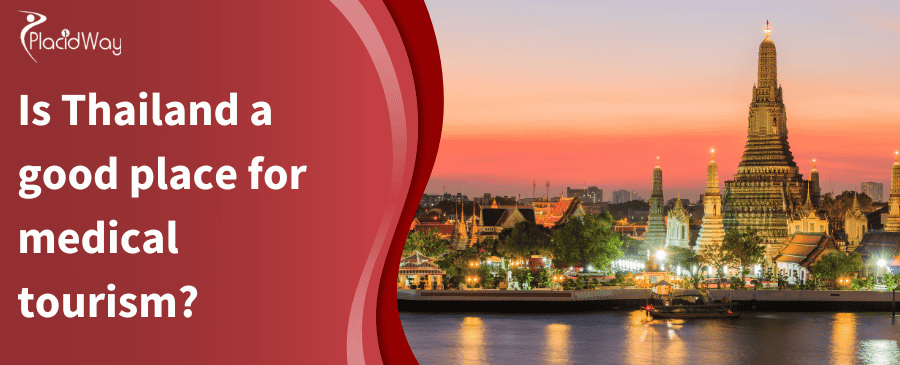
Every year, thousands of people travel internationally to receive medical care, and Southeast Asia remains one of the most prominent regions for this practice. If you are exploring your healthcare options abroad, you might be wondering about the safety, quality, and logistics of medical tourism in Thailand. This country has built a large infrastructure dedicated to treating international patients, integrating modern medical practices with its well-known hospitality sector.
However, traveling abroad for medical care is a major decision that requires thorough research and careful consideration of both the benefits and the potential risks. In this guide, we will explore what you need to know before considering Thailand as your medical travel destination, including care standards, preparation, and recovery.
Key Takeaways
- Thailand is home to numerous hospitals accredited by international bodies like the Joint Commission International (JCI).
- The country is a popular destination for elective surgeries, dentistry, wellness, and fertility treatments.
- Thoroughly vetting medical professionals and facilities is a critical step for patient safety.
- Long-haul travel after surgery carries inherent medical risks, such as blood clots, that must be managed.
- Arranging local follow-up care in your home country before you travel is essential for your long-term health.
Why do patients choose Thailand for medical treatments?
Thailand was one of the earliest adopters of the medical travel model, meaning its healthcare system has had decades to develop processes that cater specifically to international patients. Many of the large private hospitals in urban centers like Bangkok function almost like international hubs, complete with specialized departments that handle everything from visa extensions to medical translations in multiple languages.
Furthermore, many doctors practicing in these major private hospitals have completed portions of their medical training or fellowships in the United States, Europe, or Australia. This international training often helps bridge communication gaps and aligns their medical practices with standards familiar to Western patients. The presence of these highly trained professionals is a strong drawing factor for individuals seeking complex procedures.
Are hospitals and clinics in Thailand safe and regulated?
Safety should always be the primary concern when evaluating any destination for medical care. In Thailand, all healthcare facilities are regulated by the Ministry of Public Health. While this provides a baseline of safety, many private facilities that cater to international patients voluntarily pursue higher international accreditations to demonstrate their commitment to quality.
The Joint Commission International (JCI) is widely considered the gold standard in global healthcare accreditation. Thailand has dozens of JCI-accredited hospitals, which means these facilities are regularly audited for patient safety, infection control, facility management, and continuous quality improvement. However, it is important to understand that not every clinic or hospital holds these credentials. Smaller outpatient centers may operate under local standards only, making it imperative for patients to independently verify the credentials of the facility they choose.
What are the most popular medical procedures in Thailand?
The scope of healthcare services available to international patients in Thailand is vast. Many patients travel for procedures that are classified as elective and are therefore not typically covered by health insurance in their home countries. Cosmetic surgery—such as breast augmentation, rhinoplasty, and facelifts—is highly sought after due to the experience of local surgeons who perform high volumes of these operations annually.
Beyond aesthetics, Thailand is also a major destination for routine and complex dental procedures, including dental implants and full-mouth restorations. Additionally, the country has a strong reputation for orthopedic procedures, such as knee and hip replacements, as well as specialized treatments like in vitro fertilization (IVF) and comprehensive health screening programs.
What factors influence medical costs in Thailand?
It is generally true that medical care in Southeast Asia can be less expensive than in the United States, the UK, or Australia. This difference is primarily due to lower administrative costs, lower living wages, and a different medicolegal environment. However, the final price a patient pays can vary widely based on several variables.
Premium international hospitals located in the heart of Bangkok will charge more than smaller, regional facilities. Additionally, the type of medical materials used—such as the specific brand of a joint implant, dental crown, or breast prosthesis—will significantly impact the cost. Patients must also factor in travel expenses, including long-haul flights, hotel accommodations for the recovery period, local transportation, and potential companion costs. These logistical expenses can sometimes offset the savings gained on the medical procedure itself.
How do I choose the right medical facility?
Selecting the right healthcare provider is the most critical step in your medical journey. Begin by looking into the specific doctor who will perform your procedure. They should be registered with the Thai Medical Council, and ideally, they will hold memberships in recognized international professional societies relevant to their specialty.
When assessing the facility, look for international accreditations such as JCI, ISO certifications, or recognized specialized accreditations. Transparency is also key; a responsible clinic will not hesitate to discuss the potential risks, complication rates, and contraindications of a procedure. Be cautious of any facility that guarantees perfect results or pressures you into making an immediate booking without proper medical evaluation.
Important Consideration: Continuity of Care
Medical care does not end once the surgery is complete. Before traveling, ensure that the hospital will provide you with all medical records, operative notes, and imaging in English, so your local doctor can smoothly take over your aftercare.
Are there risks associated with traveling to Thailand for surgery?
All surgical procedures carry inherent risks, including infection, adverse reactions to anesthesia, and poor wound healing. When you add international travel to the equation, these risks can be amplified. Long-haul flights, especially those lasting 10 to 15 hours to reach Southeast Asia, involve prolonged immobility. This significantly increases the risk of developing blood clots, such as deep vein thrombosis (DVT) or a pulmonary embolism, particularly shortly before or after surgery.
Additionally, being far from your home support network can make recovery more stressful. If a complication arises after you have returned home, local doctors may be unfamiliar with the specific techniques or materials used by your foreign surgeon. It is vital to discuss travel timing with your surgeon and only fly when you are medically cleared to do so.
How should I prepare for a medical trip to Thailand?
- Consultation: Conduct detailed video consultations with your prospective surgeon to discuss expectations, medical history, and required tests.
- Medical History: Provide complete and accurate medical records, including current medications, allergies, and pre-existing conditions, as these can affect your eligibility for surgery.
- Local Clearance: Visit your primary care doctor at home to undergo pre-operative blood work, EKGs, or general health checks to ensure you are healthy enough for surgery and long flights.
- Travel Logistics: Research visa requirements. While some patients can use standard tourist visas for short procedures, longer treatments may require a dedicated medical visa.
- Financial Planning: Ensure you understand the payment structure of the hospital and have access to emergency funds in case your stay needs to be extended due to slower-than-expected healing.
What is the recovery process like for international patients?
Your post-operative period is a critical phase of your treatment. Patients are usually required to stay in the country until the surgeon clears them for travel. This period can range from a few days for minor procedures to several weeks for extensive surgeries like joint replacements or major body contouring. Many hospitals have arrangements with nearby hotels or recovery facilities designed to accommodate patients during this phase.
Thailand's tropical climate is another factor to consider during recovery. High heat and humidity can increase sweating, which may elevate the risk of surgical site infections. Patients are generally advised to stay in air-conditioned environments, keep incisions clean and dry, and strictly avoid swimming in pools or the ocean until fully healed. Sun exposure must also be avoided, as UV rays can permanently darken new surgical scars.
How do I ensure proper follow-up care once I return home?
A common challenge in medical tourism is the discontinuity of care once the patient returns to their home country. Some local doctors may be hesitant to manage complications arising from a surgery performed abroad. To mitigate this, have an open conversation with your local primary care physician or specialist before you travel, ensuring they are willing to oversee your aftercare.
Before checking out of your hospital in Thailand, request comprehensive documentation of your treatment. This should include detailed operative reports, a list of all medications administered and prescribed, information about any implanted devices (such as lot numbers and brands), and instructions for local care providers. Having these records readily available is vital for your safety.
Why Choose PlacidWay for Medical Tourism Research?
Navigating the complexities of international healthcare can be overwhelming. PlacidWay acts as an informational platform to help patients explore global medical options. When researching through PlacidWay, you can expect:
- Access to Information: Detailed profiles of medical facilities and providers around the world, including their accreditations and specialties.
- Comparison Tools: The ability to compare treatment options, facility features, and estimated cost ranges across multiple destinations.
- Direct Communication: Tools that help facilitate direct contact between patients and international clinics to ask specific medical questions.
- Educational Resources: A wide range of articles, guides, and patient checklists to help you understand the realities of medical travel.
- Global Network: Information on diverse medical specialties spanning from dentistry and wellness to complex surgical procedures in multiple regions.
Frequently Asked Questions
Do doctors in Thailand speak English?
Many doctors in major Thai hospitals, especially those catering to international patients, speak fluent English. These hospitals often have dedicated international departments that provide translators for various other languages as well to ensure clear communication.
Is it safe to combine a holiday with medical treatment?
While it is possible to enjoy a holiday before your procedure, combining physical activities with early recovery is rarely advised. Patients should avoid swimming, sun exposure, and strenuous activities after surgery to reduce the risk of infection and complications.
Do I need a special visa for medical tourism in Thailand?
Thailand offers specific medical visas (Non-Immigrant O-Medical) for patients requiring extended stays for treatment. However, for shorter, less complex procedures, many patients enter on a standard tourist visa or visa exemption. You should verify current requirements with your local Thai embassy.
How long should I stay in Thailand after my procedure?
The required stay depends entirely on the procedure. Minor dental work may require just a few days, while major surgeries often require a stay of two to three weeks to allow for initial healing, removal of sutures, and clearance to fly from your surgeon.
Can I use my home health insurance in Thailand?
Most domestic health insurance plans do not cover elective procedures abroad. However, if you are traveling for a medically necessary surgery, some international insurance policies may provide partial coverage. Always check with your insurance provider prior to travel.
What happens if I experience complications after leaving Thailand?
If complications arise after you return home, you will need to seek immediate care from a local healthcare provider or emergency room. This is why it is critical to arrange local follow-up care before you travel and bring all your surgical records back with you.
Are medical facilities in Thailand equipped for emergencies?
Major accredited hospitals in urban centers like Bangkok and Phuket are fully equipped with intensive care units (ICUs) and emergency response teams to handle surgical complications. However, smaller clinics may lack these facilities and typically transfer critical patients to larger hospitals.
Can I bring a companion with me for my medical trip?
Yes, bringing a companion is highly recommended. A travel partner can provide emotional support, assist with daily tasks during your recovery, communicate with medical staff if you are incapacitated, and help you navigate the logistics of returning home.
How do I transfer my medical records to a Thai hospital?
You can usually transfer digital copies of your medical records, imaging (like X-rays or MRIs), and test results through secure email or dedicated hospital patient portals. All records should be translated into English if they are in another language.
Is the standard of care the same across all regions of Thailand?
No, the standard of care varies significantly by location. The highest concentration of internationally accredited hospitals and English-speaking specialists is found in major cities like Bangkok, Chiang Mai, and Phuket. Rural areas typically have fewer resources for international patients.
Explore Your Medical Options Abroad
If you are considering traveling for healthcare, gathering accurate information is your first step. Connect with medical providers and compare your treatment options today.
Request Treatment InformationReferences
- Medical Tourism – Centers for Disease Control and Prevention (CDC)
- JCI-Accredited Organizations Directory – Joint Commission International
- Travel and Health: Deep Vein Thrombosis – World Health Organization (WHO)
- Global Statistics on Aesthetic Surgery – International Society of Aesthetic Plastic Surgery (ISAPS)
- Medical Tourism: What You Need to Know – American Society of Plastic Surgeons (ASPS)
- Going Abroad for Medical Treatment – National Health Service (NHS UK)
- Thailand Medical Hub Policy – Ministry of Public Health Thailand (MoPH)




























Share this listing