
Many American Patients Choosing Mexico for Dental Work
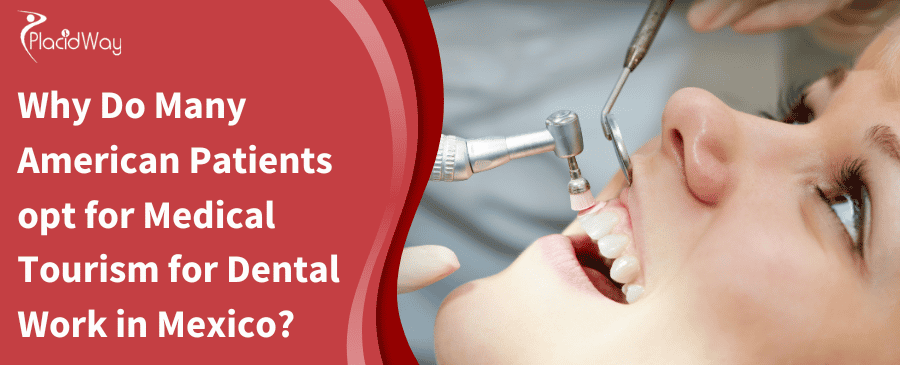
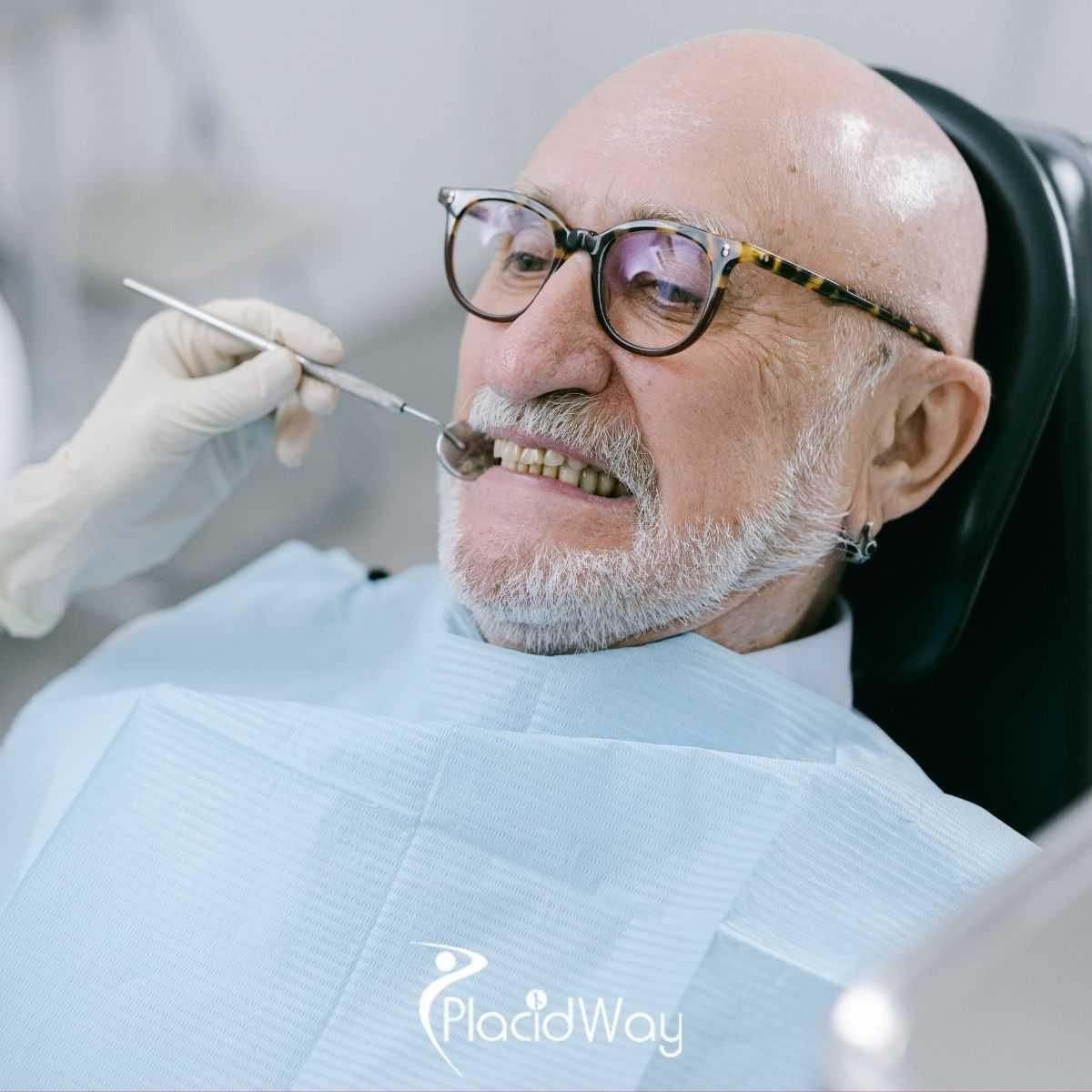
For years, the rising cost of healthcare in the United States has led many individuals to look beyond their local providers for affordable care. One of the most prominent trends in this space is seeking dental work in Mexico. Patients often face high out-of-pocket expenses for extensive treatments such as implants, crowns, and full-mouth restorations, especially since many traditional insurance plans offer limited coverage or strict annual maximums. As a result, thousands of Americans travel south each year, searching for viable alternatives that balance quality treatment with financial feasibility.
This article explores the specific reasons why this cross-border healthcare trend continues to grow, what patients typically expect during their journey, how standards of care compare, and the important medical considerations you must understand before making a decision.
Key Takeaways
- The primary driver for cross-border dental care is the potential to reduce out-of-pocket expenses for extensive procedures.
- Geographic proximity makes travel convenient, especially for residents of US border states.
- Many international clinics utilize the same dental materials and technologies found in American practices.
- Careful research into provider credentials, hygiene standards, and patient reviews is essential for mitigating risks.
- Establishing a clear plan for post-procedure aftercare with a local dentist at home is critical for long-term safety.
What drives the high demand for dental medical tourism among US patients?
A significant portion of the American population either lacks dental insurance entirely or holds policies that cap annual benefits at relatively low amounts, often between $1,000 and $2,000. When patients require complex rehabilitation, such as multiple extractions followed by implant placement, these annual maximums are quickly exhausted, leaving the patient responsible for the majority of the bill.
In contrast, the economic structure in neighboring regions allows healthcare providers to operate with lower overhead costs. Reduced expenses for commercial real estate, staffing, and administrative duties translate into lower overall fees for the patient. This structural difference in the healthcare economy makes cross-border travel highly appealing to those who would otherwise have to delay necessary oral healthcare.
How much money do patients typically save on dental procedures?
It is important to understand that healthcare prices are estimates and can fluctuate based on the specific clinic, the materials chosen, and the individual patient's anatomical needs. However, broad comparisons consistently show that self-pay prices for restorative dentistry are less burdensome south of the border. For instance, a single titanium dental implant that might place a heavy financial strain on an uninsured patient in the US can often be completed for a fraction of that estimate abroad.
These reduced costs do not only apply to implants. Patients seeking porcelain veneers, multi-unit dental bridges, root canal therapies, and complex bone grafting often report substantial reductions in their total treatment estimates. However, prospective travelers must factor in the auxiliary costs of medical tourism, such as airfare, lodging, local transportation, and time off work, to accurately assess their true net savings.
Is it medically safe to travel across the border for dental treatments?
Safety is the most critical factor when considering any medical procedure. No surgery is entirely risk-free, regardless of geography. Risks such as infection, nerve damage, implant failure, and adverse reactions to anesthesia exist in every clinical setting. Therefore, the safety of cross-border dentistry depends heavily on the individual clinic's adherence to stringent health regulations.
Many facilities that cater specifically to international patients voluntarily adhere to guidelines set forth by respected organizations, such as the American Dental Association (ADA) or equivalent international bodies. Patients are strongly advised to inquire about a clinic’s sterilization techniques—specifically the use of autoclaves for instruments—and their protocols for handling bloodborne pathogens. Furthermore, patients with underlying conditions like uncontrolled diabetes, autoimmune disorders, or cardiovascular disease must consult their primary care physician before traveling, as these conditions can complicate healing and increase surgical risks.
How does the quality of these international dental clinics compare to American practices?
A common misconception is that lower prices equate to inferior medical care. In reality, the quality of care in prominent medical tourism hubs is frequently comparable to what one would receive in the United States. To attract international patients, successful clinics invest heavily in their infrastructure. It is common to find offices equipped with 3D Cone Beam Computed Tomography (CBCT) scanners, intraoral digital scanners, and in-house milling machines for same-day crowns.
Additionally, many dentists practicing in these specialized hubs have pursued continuing education or postgraduate degrees at universities in the United States or Europe. They are often members of international professional associations, which requires them to stay updated on global best practices. However, quality can vary widely from one practice to another, making independent verification of a provider's background and facility standards essential.
What should a patient look for when selecting a dental work clinic in Mexico?
Finding the right provider requires due diligence. You should evaluate multiple options rather than making a decision based solely on the lowest price estimate. Important factors to investigate include:
- Credentials and Specialization: Ensure the dentist performing complex surgery (like implant placement) is a specialist, such as a periodontist or an oral and maxillofacial surgeon, rather than a general practitioner.
- Transparency: The clinic should provide clear, written estimates that outline the costs of consultations, imaging, materials, and surgical fees without hidden charges.
- Communication: Fluent communication is necessary for obtaining informed consent. Verify that the dentist or an on-staff medical translator can thoroughly explain the procedure, risks, and alternatives in your primary language.
- Material Traceability: Ask for details about the specific brands of implants or restorative materials used. Reputable clinics use globally recognized brands and provide patients with the material passports or lot numbers post-surgery.
What types of dental treatments are most frequently sought abroad?
While some patients cross the border for routine cleanings or simple fillings, the travel logistics usually only make sense for major restorative or cosmetic work. Dental implantology—including single implants, implant-supported bridges, and "All-on-4" or full-arch rehabilitation—makes up a vast majority of the medical tourism volume. These procedures are intricate, require high-grade materials, and involve multiple phases of treatment, making the potential reduction in out-of-pocket costs highly attractive.
Cosmetic dentistry is another major draw. Smile makeovers utilizing custom porcelain veneers or high-end zirconia crowns are popular among those looking to improve dental aesthetics without the heavy financial burden typical of domestic cosmetic practices. Endodontic treatments (root canals) accompanied by crowns are also highly sought after, as they allow patients to save compromised natural teeth that might otherwise be extracted due to cost constraints.
How does geographic proximity influence the decision to travel?
For residents of southern states like California, Arizona, New Mexico, and Texas, border towns offer unparalleled convenience. Patients can frequently park on the US side of the border and walk directly to a clinic just minutes away. This eliminates the need for expensive international flights or complex navigation in a foreign transit system.
Even for patients flying from the Midwest or the East Coast, the proximity remains advantageous compared to traveling to dental tourism hubs in Asia or Eastern Europe. Shorter flights reduce travel fatigue and make it physically easier to handle the journey home shortly after undergoing oral surgery. It also makes the necessary follow-up visits—such as returning a few months after implant placement for the final crowns—much more manageable from both a time and logistical perspective.
What are the potential risks and how can patients mitigate them?
Traveling for healthcare involves inherent vulnerabilities. One primary concern is continuity of care. If a patient experiences an infection, excessive bleeding, or implant rejection after returning to the United States, obtaining prompt, affordable care can be complicated. Some US dentists are reluctant to assume liability for work initiated by another provider, particularly if they are unfamiliar with the specific implant systems used.
To mitigate these risks, patients should maintain realistic expectations and understand that no medical outcome is guaranteed. Thoroughly vet the facility for emergency protocols. Bring a complete copy of your medical history, including current medications, to the consultation. Finally, demand detailed post-operative records, clinical notes, and X-rays before leaving the foreign clinic; these documents are vital for any dentist managing your care back home.
How does aftercare and follow-up work when returning home?
Oral surgery requires appropriate healing time and diligent aftercare. Immediately following the procedure, patients must adhere strictly to the provider's instructions regarding diet, oral hygiene, and medication. Avoid the temptation to rush the recovery process or combine the medical trip with strenuous vacation activities, which can elevate blood pressure and risk post-surgical bleeding.
Long-term maintenance is just as critical. Dental implants and crowns require regular professional cleanings and examinations to prevent peri-implantitis (infection around the implant) and ensure long-term stability. Before committing to treatment abroad, have an open conversation with a trusted local dentist. Confirm their willingness to perform routine maintenance and assist in the event of minor complications. Proper follow-up ensures the longevity of your investment and safeguards your overall oral health.
Is medical tourism in Mexico for dental care suitable for everyone?
Eligibility for medical travel depends on more than just the desire to save money. Suitability must be determined through individualized assessment by a qualified healthcare professional. Patients with a history of heart disease, uncontrolled hypertension, bleeding disorders, or compromised immune systems are at a higher risk of complications during and after surgery. For these individuals, remaining close to their primary care networks and specialists is typically the safest course of action.
Additionally, patients who suffer from severe dental anxiety or who prefer multiple, short consultations to build trust over time may find the accelerated pace of medical tourism stressful. International care requires a degree of flexibility, independence, and a proactive approach to one's own health management. If navigating unfamiliar environments or managing potential post-operative issues independently causes significant stress, seeking local care may be a better option.
Why Use PlacidWay for Medical Tourism Research?
Navigating the landscape of international healthcare can be complex. PlacidWay acts as a health information resource to help patients research their options globally.
- Directory Access: Provides access to an extensive directory of international healthcare facilities and dental clinics.
- Provider Comparison: Allows patients to compare treatment estimates, clinic profiles, and doctor credentials in one centralized platform.
- Patient Resources: Offers educational resources to help patients formulate the right questions for their prospective providers regarding safety and materials.
- Global Options: Consolidates information about internationally accredited clinics across multiple borders and specialties.
- Initial Communication: Helps facilitate the initial outreach and communication between prospective patients and their chosen medical centers.
Frequently Asked Questions
Do dentists in Mexican border towns typically speak English?
Yes, many dentists and clinic staff in popular medical tourism destinations cater primarily to North American patients and speak fluent English to facilitate clear communication.
Can I use my United States dental insurance in Mexico?
Some traditional US dental insurance plans do not cover international care, but certain providers allow out-of-network claims if you submit the proper billing paperwork. It is necessary to verify international coverage directly with your provider prior to traveling.
Do I need a passport to cross the border for dental care?
Yes, a valid US passport or a passport card is required for American citizens returning to the United States by land or air, in compliance with federal travel regulations.
How long does a typical trip for dental procedures take?
Trip length depends on the procedure. Simple cleanings or fillings may take a single day trip, whereas extensive work like implants often requires a multi-day stay and subsequent return trips months later for final restorations.
Are the dental materials used in Mexico the same as those in the US?
Many reputable facilities import materials from the same global manufacturers used by American dentists, including well-known brands of titanium implants and porcelain crowns. Patients should ask clinics to specify the brands they use.
What happens if a dental implant fails after I return home?
If complications arise, you may need to travel back to the original provider, or seek emergency care from a local dentist. Local dentists may charge full price to repair work done abroad, emphasizing the need for a pre-arranged local follow-up plan.
Is it possible to finance dental treatments done abroad?
Some third-party medical financing companies offer loans specifically for healthcare services abroad, and certain international clinics partner with specialized lenders to help patients manage costs.
Will a local US dentist be willing to treat complications from work done in Mexico?
Many US dentists will treat emergencies or complications, but some may be hesitant to perform maintenance on unfamiliar implant systems. Establishing a relationship with a local dentist before traveling is highly recommended.
Is there a long waiting period to get an appointment at an international clinic?
Waiting times vary, but international clinics often accommodate medical tourists quickly, sometimes offering appointments within a few weeks, which is a draw for patients facing long wait times at home.
Are advanced imaging and X-rays available at these facilities?
Many facilities that cater to international patients are equipped with modern imaging technology, including 3D CBCT scanners and digital panoramic X-rays, necessary for safe implant planning and diagnostics.
Compare Treatment Options
Gather educational information and request estimates to help you make an informed decision about your oral healthcare journey.
Request Treatment InformationReferences
- Medical Tourism Guidelines – Centers for Disease Control and Prevention (CDC)
- Dental Tourism Considerations – American Dental Association (ADA)
- Health Care Tourism Fact Sheet – World Health Organization (WHO)
- Dental Implants Safety and Efficacy – StatPearls, National Institutes of Health (NIH)
- Policy Statement on Dental Tourism – FDI World Dental Federation
- Infectious Disease Risks in Medical Tourism – Journal of Travel Medicine























Share this listing