
Cost of Breast Augmentation in Turkey
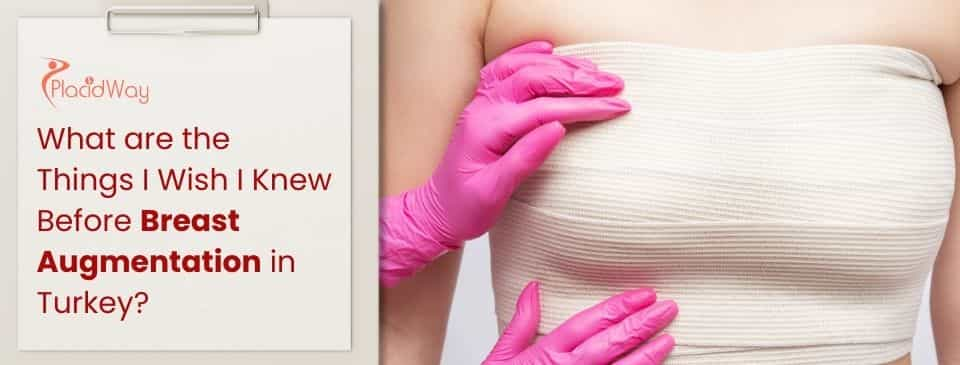
Choosing to travel abroad for cosmetic surgery is a major personal and medical decision. If you are considering breast augmentation in Turkey, you are likely looking forward to a change in your physical appearance. However, going overseas for a medical procedure involves layers of planning that go far beyond picking an implant size. Many patients return home wishing they had known more about the practical realities of the trip, the physical demands of recovery, and the logistical challenges of international care.
Navigating consultations, understanding estimates, and preparing for the unexpected are all vital steps. In this guide, we will walk through the realistic aspects of preparing for your surgery, managing your expectations, and ensuring your safety remains the priority.
Key Takeaways
- Plan to stay in the country for at least 7 to 10 days to allow for safe initial recovery and necessary follow-up appointments.
- Establish a relationship with a local doctor in your home country who can assist with any unexpected complications after you return.
- Medical travel is not a standard vacation; physical restrictions will prevent you from enjoying typical tourist activities like swimming or heavy walking.
- Air travel shortly after surgery increases the risk of blood clots, making post-operative walking and hydration critically important.
- Patience is required for final results, as implants often take several months to fully settle into their natural position.
How long do I actually need to stay in the country for recovery?
A common misconception is that you can fly in, have surgery, and head home a day or two later. In reality, the first week is a vulnerable time. Your body is responding to trauma, and you may have surgical drains that need to be removed by your medical team a few days post-op. Rushing home can compromise your safety and your results.
During these 7 to 10 days, you will attend follow-up appointments where your surgical site is checked for early signs of infection or hematoma. The medical team will also change your dressings and assess your overall stability before providing medical clearance for your flight home.
What should I expect regarding the final cost?
When researching breast augmentation cost in Turkey, you might see package deals that look highly appealing. While these packages can offer value, it is essential to understand exactly what is included. Some estimates might cover standard round implants, but if you and your surgeon decide that teardrop or a specific premium brand of implants is better for your anatomy, the price may increase.
Additionally, you need to factor in the logistical costs. Meals during your extended stay, transport to and from the clinic, compression garments, and prescription medications for pain and infection prevention are not always bundled into the initial quote. Having a financial buffer is a practical way to reduce stress during your recovery.
Can I treat this trip like a normal vacation?
Many people associate medical tourism in Turkey with the opportunity to explore historic sites in Istanbul or beaches in Antalya. However, after breast surgery, your mobility will be significantly limited. Walking long distances will be exhausting, and raising your arms above your head or carrying bags will be strictly prohibited by your medical team.
Furthermore, fresh surgical incisions must be kept out of the sun and away from natural or chlorinated bodies of water to prevent severe infections and hyperpigmentation of the scars. Your itinerary will mostly consist of moving between your bed, a comfortable chair, and your follow-up medical appointments.
What happens if I experience complications after I go home?
This is arguably the most critical aspect of planning surgery abroad. While major complications are not the norm, issues such as delayed wound healing, localized infections, or fluid buildup can occur weeks after you have flown home. Your overseas team can offer advice via video call, but they cannot physically examine or treat you.
Before you travel, speak with your primary care physician or a local specialist. Ask if they would be willing to monitor your healing or order tests if you suspect an issue. Relying solely on emergency rooms for routine post-operative concerns can be costly and frustrating.
How does flying affect my body after breast surgery?
Air travel involves sitting in a confined space for several hours, which slows blood circulation in your legs. Combined with the natural inflammatory response from surgery, this elevates the risk of developing a blood clot (DVT). Your medical team may advise you to wear compression socks, stay highly hydrated, and walk the aisle of the plane periodically.
Additionally, you will not be able to handle your own luggage. Lifting a suitcase off a baggage carousel or pushing it into an overhead bin uses the exact chest muscles that are trying to heal. You will need to arrange for airport assistance or travel with a companion who can handle all heavy lifting.
How do I choose the right facility?
Finding a reliable breast augmentation clinic in Turkey means looking beyond social media before-and-after photos. Photographs can be easily edited, and they do not reflect the safety protocols of the operating room. Instead, check if the facility holds accreditations from recognized organizations, such as the Joint Commission International (JCI), which indicates adherence to rigorous safety standards.
Ask detailed questions during your virtual consultation. Inquire about the types of implants used, the specific surgical techniques, and the protocol for handling emergencies. A reputable team will answer your questions thoroughly and encourage you to take time to make an informed decision without pushing you to book immediately.
What are the emotional realities of the recovery process?
Many patients are unprepared for the post-op blues. When you look in the mirror for the first time, your breasts will likely be highly swollen, sit very high on your chest, and may look asymmetrical. This is a normal part of the early healing phase, but it can be jarring to see.
Understanding that it takes weeks for the swelling to subside and months for the implants to settle into their final position can help manage this anxiety. Having a support system, either a companion traveling with you or friends you can call back home, is vital for getting through the first emotional week.
What will my physical limitations actually look like?
The placement of the implant, especially if it is placed partially or fully under the pectoral muscle, means that activating your chest muscles will cause discomfort. Patients often adopt what is jokingly called T-Rex arms, keeping their elbows pinned to their sides to avoid stretching the chest.
To prepare, you will need to organize your recovery space. Before you leave for your trip, place essential items on waist-high counters at home so you do not have to reach up or bend down. You will also need to practice rolling out of bed using your core and leg muscles, rather than pushing up with your arms.
| Recovery Phase | Typical Physical Ability | General Restrictions |
|---|---|---|
| Days 1-5 | Short walks indoors, needs help sitting up. | No lifting arms above shoulders, no carrying anything over 2 lbs. |
| Weeks 2-3 | Can perform light daily tasks, driving may resume if off pain meds. | No heavy lifting, no strenuous exercise, no sleeping on stomach. |
| Weeks 4-6 | Gradual return to lower body exercise and normal routine. | Avoid heavy upper body workouts and direct sun on scars. |
How is the initial consultation different when traveling abroad?
Unlike visiting a local clinic where a doctor can examine your tissue elasticity and chest wall shape in person, international consultations rely heavily on your ability to provide accurate information remotely. You must disclose all previous surgeries, current medications, and any underlying health conditions honestly, as these can affect your eligibility for surgery.
Once you arrive in the country, you will have an in-person preoperative consultation. This is when final sizing decisions are made, often using sizers to help you visualize the outcome. If the surgeon examines you in person and determines that your desired size is unsafe or that a different approach (such as adding a breast lift) is medically necessary, you must be prepared to adjust your expectations.
Why Choose PlacidWay for Medical Tourism?
Organizing healthcare across borders involves researching numerous options, comparing information, and understanding different healthcare systems. PlacidWay serves as an educational platform to help patients navigate these complexities.
- Global Network: PlacidWay provides access to directories of medical centers and clinics across numerous countries, allowing patients to view a wide range of options in one place.
- Information Comparison: The platform allows users to review facility profiles, read about available procedures, and compare general cost estimates to aid in preliminary research.
- Direct Connection: Patients can use the platform to send inquiries directly to international healthcare providers to ask specific medical or logistical questions.
- Educational Resources: PlacidWay offers articles and guides that help patients understand the general landscape of medical travel, including common terminology and what questions to ask providers.
- Multiple Specialties: Beyond cosmetic procedures, the platform categorizes information for various medical fields, from dentistry to orthopedics, helping users find relevant international facilities.
Frequently Asked Questions
Is it safe to get breast implants in Turkey?
Safety depends heavily on the facility and the surgeon you choose. While many clinics maintain high standards and international accreditations, all surgery carries inherent risks such as infection or bleeding. Thoroughly researching your provider's credentials can help mitigate some risks.
Do healthcare teams in Turkey usually speak English?
Many facilities that frequently treat international patients employ English-speaking medical staff or provide dedicated translators. It is important to confirm language support before booking to ensure clear communication during your consultation and recovery.
Can I bring a companion to the clinic with me?
Yes, having a friend or family member accompany you is often encouraged. A companion can assist with carrying luggage, helping you sit up in bed, and providing emotional support during the initial post-operative days.
How soon can I swim after surgery in coastal cities like Antalya?
Surgeons typically advise against swimming in pools, oceans, or hot tubs for at least four to six weeks. Submerging healing incisions can significantly increase the risk of infection and delay proper wound healing.
What is the difference between teardrop and round implants?
Round implants generally provide more fullness in the upper pole of the breast, creating a more dramatic look. Teardrop shaped implants slope gently to mimic the natural curve of a breast. Your surgeon can help determine which suits your anatomy.
Will my breast implants need to be replaced eventually?
Breast implants are not considered lifetime devices. Many patients require replacement or removal after 10 to 15 years due to natural changes in the breast tissue, implant rupture, or complications like capsular contracture.
Are surgical drains always used during this procedure?
The use of drains depends on the surgical technique and the individual surgeon's preference. Some doctors use them to prevent fluid buildup, while others utilize drainless techniques. You should discuss this during your initial consultation.
How do I need to sleep after getting breast implants?
You will generally need to sleep on your back with your upper body elevated for the first few weeks. This position helps reduce swelling and prevents unnecessary pressure or shifting of the newly placed implants.
Do clinics provide the necessary compression garments?
Most comprehensive treatment packages include the initial post-operative support bra. However, it is a good idea to confirm this beforehand and ask if you need to purchase an additional one for when the first is being washed.
How long does it take to see the final results?
While you will see an immediate change in size, it can take anywhere from three to six months for the swelling to fully resolve and for the implants to settle, often referred to as the fluff and drop period.
Ready to Compare Treatment Options?
Gathering information is the first step toward making an informed decision about your healthcare journey. Request educational materials and explore available providers.
Request Treatment InformationReferences
- Breast Augmentation Recovery – American Society of Plastic Surgeons (ASPS)
- Risks and Complications of Breast Implants – U.S. Food and Drug Administration (FDA)
- Breast Augmentation Overview – Mayo Clinic
- Breast Augmentation Patient Information – International Society of Aesthetic Plastic Surgery (ISAPS)
- Medical Tourism Guidelines – Centers for Disease Control and Prevention (CDC)
- Breast Augmentation Procedure Details – Cleveland Clinic
- Breast Enlargement (Implants) – National Health Service (NHS)















Share this listing