
Is Ensenada the Smart Choice for Your Medical Travel?
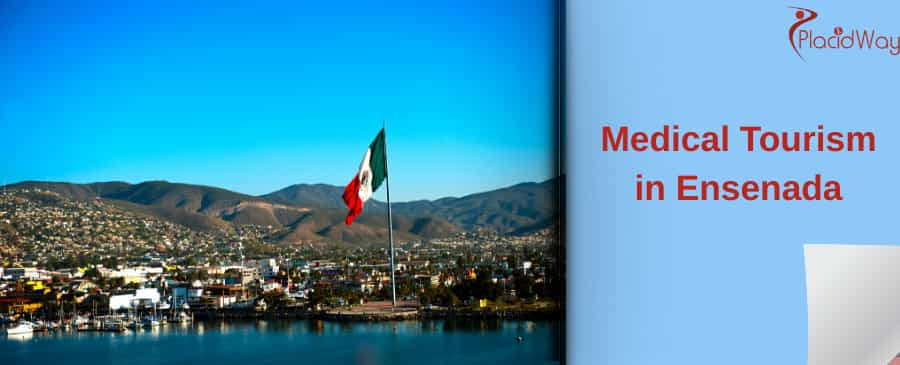
Every year, thousands of individuals look beyond their domestic borders for healthcare alternatives. Among the various global destinations, medical tourism in Mexico has become increasingly prominent. Ensenada, a port city in Baja California, attracts patients from the United States and Canada who seek a balance of accessibility, estimated cost savings, and a tranquil atmosphere for recovery. Understanding why individuals choose this location, how they plan their trips, and the vital safety considerations involved can help you make an informed choice about your own healthcare journey.
Key Takeaways
- Ensenada is a popular destination for elective procedures not usually covered by US health insurance.
- Cost estimates for treatments are frequently lower than those in the US, but vary by individual needs.
- Thoroughly researching provider credentials and facility accreditation is essential for patient safety.
- Proximity to the San Diego border makes Ensenada easily accessible by car or shuttle.
- Consulting with your local physician before traveling is vital to confirm you are healthy enough for medical travel.
What are the most common procedures for medical tourism in Ensenada, Mexico?
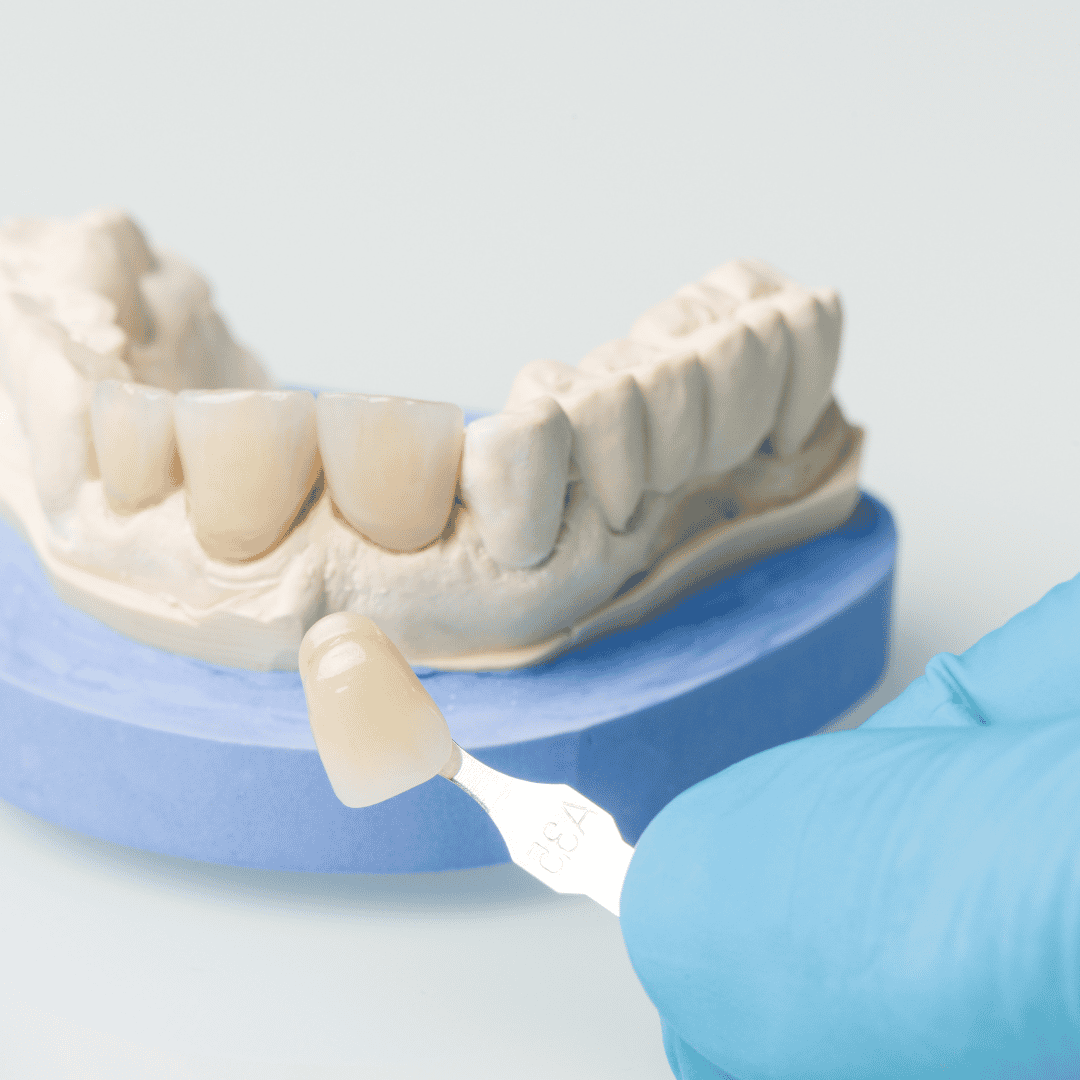
Because domestic health insurance often limits or denies coverage for certain elective treatments, many patients seek alternatives abroad. In Ensenada, dental tourism is particularly prevalent. Patients often cross the border for procedures like dental implants, full-mouth restorations, veneers, and root canals. The ability to complete complex dental work over a few days rather than months appeals to those requiring extensive interventions.
Bariatric surgery is another major draw. Procedures such as the gastric sleeve and gastric bypass are common among medical travelers. These surgeries require specialized care, and many facilities in the region focus specifically on treating international metabolic patients. Additionally, cosmetic and aesthetic surgeries—including tummy tucks, liposuction, and facial rejuvenation—are frequently sought by individuals aiming to combine their procedure with a discreet recovery period away from home.
It is important to remember that not all patients are suitable candidates for these procedures. Your medical history, current medications, and existing health conditions all play a role in determining eligibility, which should be assessed by a qualified healthcare professional.
How does the medical tourism cost in Ensenada, Mexico compare to the US?
The primary motivation for most medical travelers is financial. Healthcare pricing in the United States can be prohibitive, especially for out-of-pocket expenses. In Ensenada, the lower cost of overhead, facility operations, and administrative requirements often translates to reduced pricing for the patient. For example, a dental implant that might stretch a patient's budget at home can often be obtained for a fraction of the price just a few hours south of the border.
However, it is crucial to view these prices as estimates rather than guaranteed fixed rates. The final cost of any treatment can vary significantly based on several factors:
- The specific clinic and the provider's level of experience.
- The complexity of your individual medical case.
- The type and quality of materials used (such as specific brands of dental implants or surgical meshes).
- Additional necessary treatments, such as pre-operative testing or extended hospital stays.
When budgeting for a trip, patients must also factor in travel expenses, accommodation, specialized insurance, and the cost of bringing a companion. Always request a detailed, itemized estimate before committing to treatment.
Is it safe to travel to Ensenada for medical treatments?
Safety in medical tourism encompasses both the clinical safety of the procedure and the general physical safety of traveling to a foreign country. Clinically, undergoing surgery abroad carries the same inherent risks as it does at home, including infection, adverse reactions to anesthesia, and poor wound healing. Traveling shortly after surgery can further increase the risk of complications, such as deep vein thrombosis (blood clots).
Regarding travel safety, Ensenada is generally considered a tourist-friendly port city. Most international patients reach the city by driving down the scenic Toll Road (Highway 1D) from Tijuana, which is actively patrolled. However, travelers should always remain vigilant. It is highly recommended to travel during daylight hours, stick to main tourist areas, and avoid flashing valuables.
How should a patient select a medical tourism clinic in Ensenada, Mexico?
Choosing the right facility requires looking past glossy marketing materials and extremely low prices. Patients should research whether the clinic holds national accreditation, such as from the Consejo de Salubridad General (CSG) in Mexico, or international recognition from bodies like the Joint Commission International (JCI).
Ask direct questions during your initial consultations. Inquire about how many times the surgeon has performed your specific procedure and what their complication rates are. A reputable clinic will be transparent about their limitations and will not promise guaranteed, risk-free results. Additionally, determine what emergency infrastructure the clinic has in place; if they operate in an outpatient surgical center, ask which local hospital they transfer patients to in the event of an emergency.
What qualifications do healthcare providers in Ensenada hold?
The standard of medical education in Mexico is regulated, and specialists undergo years of rigorous training. However, requirements for maintaining board certification can differ from those in the US or Canada. Patients should specifically look for specialists who are certified by their respective national boards, such as the Mexican Council of Plastic, Aesthetic and Reconstructive Surgery (CMCPER) or the Mexican College of Bariatric and Metabolic Surgery (CMCOEM).
Many providers who cater to the medical tourism market also seek out memberships in international professional organizations. These affiliations can indicate a commitment to continuing education and adherence to global standards of care. Nevertheless, the responsibility lies with the patient to verify these credentials independently rather than relying solely on the clinic's claims.
How do international patients travel to Ensenada?
Because Ensenada does not have a major international airport for commercial flights, logistics require a border crossing. The majority of patients utilize the San Diego International Airport (SAN). From there, it is roughly a two-hour drive depending on traffic and border wait times.
Patients have several transportation options:
- Clinic Shuttles: Many medical facilities offer private, dedicated transportation from the airport or border directly to the clinic or hotel.
- Rental Cars: Some patients prefer to rent a car and drive down Highway 1D, though this requires purchasing specialized Mexican auto insurance.
- Buses: Comfortable cross-border coach buses operate daily between San Diego, Tijuana, and Ensenada.
What does the recovery process look like in Ensenada?
Ensenada is known for its mild climate and ocean views, which can offer a calming environment during the initial postoperative phase. Depending on the extent of the treatment, patients may stay in standard hotels, or they may opt for specialized recovery boutiques that offer nursing assistance, tailored meals, and transportation to follow-up appointments.
During this period, attending all scheduled follow-up visits with your surgeon or dentist is critical. Your provider needs to monitor healing, check for early signs of infection, and ensure you are stable enough for the journey home. Traveling too soon against medical advice can lead to severe complications.
What happens if complications arise after returning home?
Continuity of care is one of the most challenging aspects of medical tourism. Once you are back in your home country, the original surgeon is no longer physically accessible. If an infection, wound separation, or severe pain occurs, prompt local medical attention is required. Delaying care to contact a foreign clinic can be dangerous.
To mitigate these risks, secure comprehensive medical records, operative reports, and details of any implants or materials used before leaving Ensenada. Have them translated into English if necessary. It is highly recommended to establish an agreement with a local primary care physician or specialist in your hometown before you travel, ensuring someone is willing to manage your long-term follow-up and step in if aftercare is required.
How should patients prepare for a medical trip to Ensenada?
Successful medical tourism relies on rigorous preparation. First and foremost, consult your primary care physician to discuss your intent to travel abroad for surgery. They can conduct necessary preoperative testing—such as blood work or EKGs—and advise you on any specific health risks related to your medical history.
Next, ensure your passport is up to date; you will need it to re-enter the United States. Pack comfortable, loose-fitting clothing suitable for recovery, and bring a sufficient supply of any daily prescription medications in their original bottles. Finally, plan your finances carefully. Notify your bank of your travel dates to prevent fraud alerts from blocking your cards while you are in Mexico paying for treatment.
Why Choose PlacidWay for Medical Tourism Research?
PlacidWay is a comprehensive medical tourism platform that helps patients explore global healthcare options. When researching treatments abroad, PlacidWay offers:
- Extensive Directory: Access to a wide network of international healthcare providers and clinics.
- Educational Resources: Detailed articles and guides to help patients understand different procedures and destinations.
- Direct Communication: A transparent platform that allows patients to request information and estimates directly from facilities.
- Global Focus: Specialization in connecting patients with medical centers across various countries, including Mexico.
- Industry Experience: Years of active experience in the medical tourism sector, facilitating patient research and initial provider contact.
Frequently Asked Questions
Do I need a passport for medical tourism in Ensenada, Mexico?
Yes, US and Canadian citizens need a valid passport to cross the border back into the United States after receiving medical treatment in Ensenada.
Can I use US health insurance for treatments in Ensenada?
Most standard US health insurance plans do not cover elective procedures in Mexico. Patients typically pay out-of-pocket or use specialized medical financing.
Are medical facilities in Ensenada accredited?
Some facilities hold accreditation from Mexican national health organizations (like CSG), while a few may have international recognition. However, accreditation status varies widely by facility.
Do doctors and medical staff in Ensenada speak English?
Many healthcare providers and patient coordinators who cater to international tourists speak fluent English, though fluency can vary among general support staff.
How long should I plan to stay in Ensenada for a procedure?
Stay durations depend on the treatment. Minor dental work may require just a weekend, while bariatric or cosmetic surgeries often necessitate staying five to ten days for initial recovery and follow-up.
What currency is typically accepted for medical treatments in Ensenada?
While the Mexican Peso is the official currency, most clinics catering to international patients readily accept US dollars, major credit cards, and sometimes bank transfers.
Can I bring a companion with me to Ensenada?
Yes, bringing a companion is highly recommended. A companion can assist with your luggage, help you navigate the city, and provide support during your initial recovery.
Are prescription medications cheaper in Ensenada?
Many medications cost less in Mexico than in the US, but patients must ensure they purchase from reputable pharmacies and follow US Customs regulations when bringing medication back.
How does the border crossing process work for medical tourists?
Patients typically cross via the San Ysidro or Otay Mesa ports of entry. Some clinics provide access to a fast medical lane (Medical Lane Pass) to reduce border wait times on the return trip.
What are the main contraindications for traveling to Ensenada for surgery?
Contraindications include severe cardiovascular disease, poorly controlled diabetes, high risk of deep vein thrombosis, or any condition that makes traveling or undergoing general anesthesia unsafe.
Ready to Explore Your Healthcare Options?
Compare treatment options and gather detailed information to make the best decision for your health.
Request Treatment InformationReferences
- Medical Tourism – Centers for Disease Control and Prevention (CDC)
- Mexico Travel Advisory – U.S. Department of State
- Questions and Answers: Medical Tourism – World Health Organization (WHO)
- Bariatric Surgery Misconceptions (Medical Tourism) – American Society for Metabolic and Bariatric Surgery (ASMBS)
- Patient Safety for International Travelers – International Society of Aesthetic Plastic Surgery (ISAPS)
- Dental Tourism Guidelines – American Dental Association (ADA)
























Share this listing