
Find the Right Mexico Dental Tourism Package for You
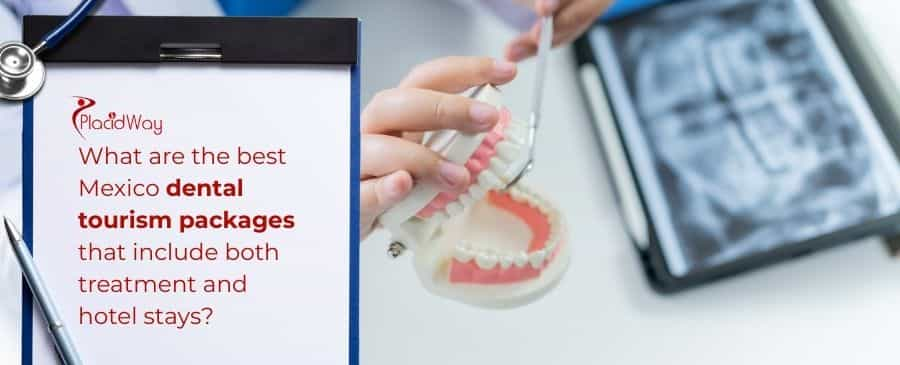
Traveling across the border for dental care is a popular option for many North Americans looking to manage the costs of extensive oral health treatments. Over the years, clinics have streamlined this process by offering comprehensive packages that take the stress out of planning. If you are considering dental tourism in Mexico, understanding exactly what these packages entail, how they function, and what risks are involved is vital for a safe and successful trip.
Key Takeaways
- Dental packages usually bundle your treatment plan, hotel stays, and ground transportation, though international flights are rarely included.
- These packages are best suited for complex procedures like implants, veneers, or full-mouth restorations rather than routine checkups.
- You will need to coordinate with a local dentist back home for long-term maintenance and emergency follow-up care.
- Safety relies on your own diligent research into a clinic’s hygiene standards, dentist credentials, and patient reviews.
- Treatment timelines vary; some implant procedures require you to purchase packages for two separate trips spaced months apart.
1. What is typically included in a comprehensive dental package?
When you book a package through a dedicated dental clinic in Mexico, the goal is to make your arrival and stay as straightforward as possible. Typically, the clinic has established relationships with local hotels. Your package will cover the room rate for the days required to complete your dental work and initial recovery.
Transportation is another major component. Many clinics provide a concierge service that picks you up from the nearest airport (which could be in Mexico or on the US side of the border, depending on the location) and drives you to your hotel. During your stay, a shuttle often runs between the hotel and the clinic for your appointments.
What is usually not included? You will typically be responsible for booking and paying for your own international flights. Additionally, while some hotels offer free breakfast, your daily meals, room service, and leisure activities are out-of-pocket expenses. Always ask for an itemized list of what the package covers before putting down a deposit.
2. How much does a complete dental tourism cost in Mexico?
Because every patient's oral health needs are unique, providing an exact price is impossible without a consultation. A package for a few porcelain veneers will cost significantly less than a package for a full-mouth restoration using dental implants. Generally, patients seek care in Mexico because the cost of treatment—even when factoring in travel and lodging—can be lower than the cost of the same complex procedures in the United States or Canada.
When reviewing cost estimates, remember to account for potential hidden expenses. You may need preliminary treatments like bone grafting, sinus lifts, or tooth extractions before the main procedure can begin. These additional medical requirements will alter your final bill.
3. Which dental procedures are most commonly bundled with hotel stays?
It rarely makes financial sense to travel internationally, pay for flights, and book a hotel just for a routine cleaning or a single cavity filling. Dental tourism packages are designed for extensive treatment plans.
Common procedures included in these packages are:
- Dental Implants: This includes single implants, implant-supported bridges, or All-on-4/All-on-6 full mouth restorations.
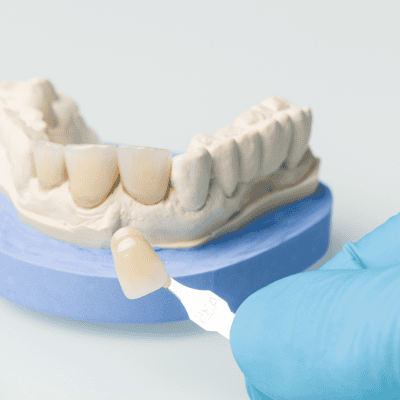
- Cosmetic Makeovers: Multiple porcelain veneers or crowns designed to alter the shape and shade of the teeth.
- Extensive Restorations: Root canals followed by crowns, or full mouth rehabilitations for patients with severe wear or decay.
These procedures often require time for a dental laboratory to create custom prosthetics. The hotel package allows you to rest comfortably while your crowns or dentures are being manufactured locally.
4. Are flights usually included in these dental tourism packages?
Because patients travel from all over the world, clinics cannot easily standardize the cost of airfare within a flat-rate package. You will need to coordinate your arrival time with the clinic so they can arrange your airport pickup.
For some popular border destinations like Tijuana or Los Algodones, patients do not fly into Mexico at all. Instead, they fly into nearby US airports (like San Diego, California, or Yuma, Arizona). In these cases, the clinic's package often includes a driver who meets you at the US airport or the border crossing and escorts you directly to your hotel in Mexico.
5. How long do you need to stay in Mexico for major dental work?
Your timeline depends entirely on your specific treatment plan. If you are getting a few crowns or veneers, you might need to stay in the hotel for 3 to 5 days. This allows the dentist to prepare your teeth on day one, send impressions to the lab, and then fit the final restorations a few days later.
Dental implants require a longer and more complex timeline. Standard implant placement usually involves two distinct phases:
- Phase 1 (Placement): You travel to Mexico for 3 to 5 days to have the titanium posts surgically placed in your jawbone. You then return home.
- Healing Period: You wait 3 to 6 months at home for osseointegration (the bone fusing to the implant).
- Phase 2 (Restoration): You purchase a second package to return to Mexico for 5 to 7 days to have your permanent crowns or fixed dentures attached to the healed implants.
Always ask your dentist for a clear, written timeline before booking your trip so you know exactly how much time you need to take off work.
6. Is it safe to participate in medical tourism in Mexico?
Safety encompasses both your medical well-being and your general security as a traveler. Medically, the risks of getting dental work abroad are the same as getting it at home: infection, implant failure, nerve damage, or dissatisfaction with aesthetic results. However, being in a foreign country can complicate how you handle these issues.
To mitigate medical risks, you must ensure the clinic adheres to strict infection control protocols. Look for facilities that utilize modern technology (like CBCT 3D scanners) and employ dentists who are board-certified in their specific specialties, such as prosthodontics or periodontics.
Regarding travel safety, it is wise to stick to established tourist zones or designated medical districts. Utilizing the transportation provided in your hotel package helps minimize the stress of navigating an unfamiliar city. Always check your home country's official travel advisories for your specific destination in Mexico before booking.
7. How do you choose a reputable dental clinic for package deals?
You cannot rely on a website's appearance to judge the quality of a clinic. Instead, you need to conduct careful research. Ask the clinic for the names and license numbers of the specific dentists who will perform your procedure. Verify their education and see if they belong to recognized international organizations, such as the American Dental Association (ADA) as affiliate members.
Request an initial virtual consultation. A reputable clinic will ask you to send local X-rays or 3D scans before offering a treatment plan. If a clinic promises a complex surgery without ever seeing your medical records, that is a significant red flag. Furthermore, ask direct questions about the materials they use for crowns and implants to ensure they are internationally recognized brands.
8. What happens if you experience complications after returning home?
This is one of the most critical considerations for dental tourism. Dental work, no matter where it is performed, can fail. A crown might become loose, an implant might not integrate with the bone, or an infection could develop after surgery.
Before you commit to a package, establish a relationship with a local dentist in your hometown who is willing to take over your maintenance and aftercare. Be aware that some local dentists may be hesitant to work on complex restorations performed abroad, especially if they are unfamiliar with the implant systems used.
Also, clarify the Mexican clinic's warranty or guarantee policy. While a clinic might offer to fix a failed implant for free, you will likely still have to pay for the flights and hotel to return to Mexico to have the work done.
9. Who is an ideal candidate for a dental tourism package?
Not everyone should travel for dental care. If you have severe underlying health conditions, uncontrolled diabetes, or a compromised immune system, traveling for surgery might pose too great a risk. Your local physician should clear you for travel and surgery before you book any packages.
Dental tourism is also not appropriate for dental emergencies. If you are in acute pain or have a severe infection, you need immediate care at home, not a flight to another country. Patients who benefit most are those who have carefully planned out their restorative needs and have realistic expectations about the recovery process.
10. How should I prepare for a bundled dental trip?
Preparation begins weeks before your departure. You will need to coordinate with your current dentist to obtain your panoramic X-rays and health history to send to Mexico. It is also highly recommended to arrange a video call with your treating dentist abroad to discuss the procedure step-by-step.
If your procedure involves IV sedation or general anesthesia, you must bring a traveling companion. You will not be able to navigate a hotel or manage your own care immediately following deep sedation. Finally, confirm all details of your package in writing—including hotel check-in times, transportation pickup locations, and exactly what is required for payment upon arrival.
Why Choose PlacidWay for Medical Tourism in Mexico?
Navigating international healthcare options can be overwhelming. PlacidWay serves as an educational resource to help patients explore their medical tourism options.
- Global Directory: PlacidWay connects patients to a wide network of healthcare providers and dental clinics across Mexico and the world.
- Information Gathering: The platform allows users to request information and treatment estimates from multiple international clinics for easy comparison.
- Provider Details: Profiles on PlacidWay often include details about a clinic's facilities, doctor credentials, and spoken languages to aid your research.
- Educational Resources: PlacidWay provides articles and guides to help patients understand the basics of traveling abroad for medical care.
- Streamlined Communication: The platform offers integrated tools to help patients initiate contact with international healthcare teams directly.
Frequently Asked Questions
Do Mexican dental packages include meals?
Most standard dental packages in Mexico cover your hotel room and local transportation, but meals are usually not included. You will typically be responsible for your own dining, though many partner hotels offer on-site restaurants or free breakfast.
Can I bring a companion to stay in the hotel with me?
Yes, you can usually bring a companion. Most clinic-partnered hotels allow double occupancy at no extra charge, though you should confirm this with the clinic when booking your package.
Do dentists in Mexico speak English?
Dentists and staff who cater to international patients in popular border towns and resort cities often speak fluent English, making communication regarding your treatment plan straightforward.
What type of payment do Mexican dental clinics accept for packages?
Clinics typically accept major credit cards, cash (US dollars are widely accepted in border and tourist areas), and sometimes bank transfers. It is important to ask about payment methods and potential foreign transaction fees before you travel.
Are dental clinics in Mexico clean and hygienic?
Many clinics catering to international patients follow strict sterilization protocols, often adhering to guidelines set by organizations like the ADA or OSHA. However, standards can vary, so you must research and ask specific questions about a clinic's infection control practices.
Will my home dental insurance cover a package in Mexico?
Some US and Canadian dental insurance plans offer out-of-network reimbursement for procedures performed in Mexico, but they will not cover the travel or hotel portion of your package. Check directly with your insurance provider to understand your specific benefits.
Do I need a passport for dental tourism in Mexico?
Yes, you need a valid passport to travel to Mexico, whether you are flying into a resort city or walking across a land border.
What is the best city in Mexico for dental tourism?
There is no single best city; it depends on your needs. Los Algodones and Tijuana are popular for quick border access, while Cancun and Puerto Vallarta are favored by those who want to recover in a resort setting.
Can I combine a vacation with my dental package?
While you can combine your trip with a vacation, you should plan leisure activities before your dental procedures. After extensive dental work, you will likely need time to rest, and activities like swimming or drinking alcohol may be restricted.
How do I know if I need one or two trips for my dental work?
Your dentist will determine this during your initial virtual consultation. Procedures like simple crowns may take one trip, while traditional dental implants require two trips spaced several months apart to allow the jawbone to heal.
Ready to Explore Your Dental Tourism Options?
Request information and compare treatment options for dental packages in Mexico today. Gather the details you need to make an informed decision about your oral health journey.
Request Treatment InformationReferences
- Medical Tourism Guidelines – Centers for Disease Control and Prevention (CDC)
- Dental Tourism Considerations – American Dental Association (ADA)
- Travel and Health: Medical Tourism – World Health Organization (WHO)
- Risks and Complications in Medical Tourism – Journal of Travel Medicine
- Infection Control for Dental Travelers – Organization for Safety, Asepsis and Prevention (OSAP)
- International Healthcare Accreditation Standards – International Society for Quality in Health Care (ISQua)




















Share this listing