
Why Turkey is a Global Hub for Weight Loss Surgery

When considering bariatric surgery in Turkey, finding the right medical professional is one of the most critical decisions you will make. The internet is filled with lists claiming to rank the "best" doctors, but in the medical field, such rankings are highly subjective. What makes a provider ideal for one patient may not make them suitable for another due to differing medical histories, required procedures, and specific health risks.
Instead of relying on arbitrary top-ten lists, patients should focus on objective criteria to evaluate potential healthcare providers. This involves looking closely at a surgeon’s training, the accreditations of the facility where they operate, and their approach to patient safety. Understanding how to navigate these factors can help you make an informed choice regarding your health.
Key Takeaways
- Evaluate surgeons based on their board certifications and specific experience with weight loss procedures rather than online rankings.
- Look for facilities that maintain recognized international accreditations and have dedicated intensive care units (ICUs).
- Understand that bariatric surgery requires lifelong dietary changes and a commitment to ongoing medical follow-ups.
- Establish a local care plan in your home country before traveling, as international medical tourism requires localized aftercare.
- Always prioritize medical safety, complication protocols, and thorough initial consultations over promotional pricing.
How do I choose a qualified bariatric surgeon in Turkey?
The foundation of evaluating any medical professional begins with verifying their primary credentials. In Turkey, legitimate medical practitioners must be registered with the Turkish Medical Association (Türk Tabipleri Birli?i). Patients can often verify a doctor's standing and specialization through official health ministry portals or professional medical associations.
Beyond basic licensing, you should look into the surgeon’s specific volume of experience. Bariatric surgery is a highly specialized field of general surgery. A doctor who dedicates the majority of their practice to metabolic and weight loss procedures typically has a deeper understanding of anatomical variations, potential complications, and specialized techniques than a general surgeon who performs these operations infrequently.
It is also helpful to review their educational background, including any fellowships they may have completed in bariatric or minimally invasive surgery. Fellowships provide advanced, specialized training that goes beyond standard surgical residencies. Take the time to research their background thoroughly rather than rushing into a decision based on marketing materials.
What certifications should I look for in a Turkish bariatric surgeon?
Certifications serve as a benchmark for a surgeon's commitment to adhering to standard medical guidelines and continuing education. Membership in the International Federation for the Surgery of Obesity and Metabolic Disorders (IFSO) is a strong indicator that a surgeon engages with the global bariatric community. IFSO members are typically expected to uphold high standards of patient care and surgical safety.
Additionally, check if the surgeon has any affiliations with recognized European or American surgical societies. While not mandatory for practicing in Turkey, memberships in organizations such as the American Society for Metabolic and Bariatric Surgery (ASMBS) or the European Association for Endoscopic Surgery (EAES) can show a dedication to international best practices.
These memberships often require the surgeon to attend regular conferences, submit case data, and stay updated on the latest evidence-based techniques. When speaking with potential providers, you can directly ask them about their active professional memberships and how they stay current with evolving medical standards.
Which weight loss procedures are commonly performed?
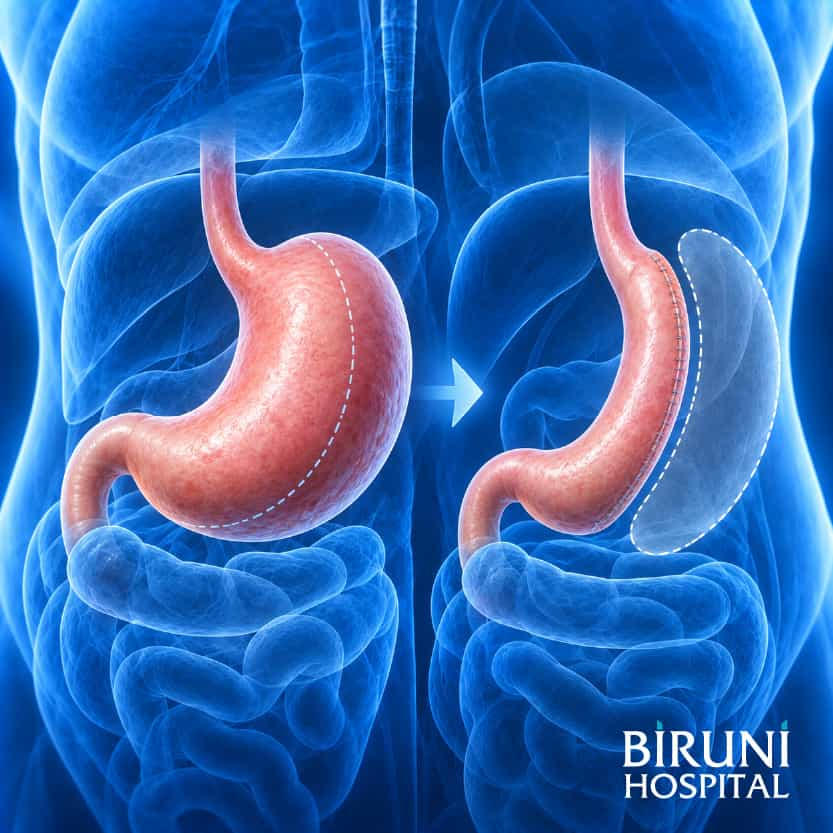
The field of bariatric surgery includes several different procedures, each with its own mechanisms for promoting weight loss, as well as distinct risk profiles. The sleeve gastrectomy (gastric sleeve) involves removing a large portion of the stomach to restrict food intake. The Roux-en-Y gastric bypass alters the digestive tract to restrict food intake and reduce nutrient absorption.
Not every procedure is appropriate for every patient. Factors such as your Body Mass Index (BMI), presence of severe acid reflux (GERD), diabetes, and previous abdominal surgeries heavily influence which operation may be safest and most effective for you. A responsible surgeon will not offer a one-size-fits-all approach but will tailor their recommendation based on a thorough medical evaluation.
Furthermore, revision surgeries—procedures performed to correct or alter a previous, unsuccessful bariatric surgery—are significantly more complex than primary operations. If you require a revision, it is particularly important to seek out a surgeon who specifically highlights extensive experience in managing revisional cases and complex bariatric anatomy.
What is the typical bariatric surgery cost in Turkey?
Cost is a significant factor for many individuals researching medical treatments abroad. The overall expenses for these procedures are generally lower than in North America or Western Europe due to differences in the cost of living, healthcare administration expenses, and favorable exchange rates. However, prices can fluctuate widely based on several variables.
Factors that influence the final estimate include the type of surgery being performed, the hospital's accreditation status, the materials and staplers used during the operation, and the surgeon's level of experience. A comprehensive quote should ideally cover pre-operative testing, surgeon and anesthesiologist fees, the hospital stay, and immediate post-operative medications.
Patients must also budget for indirect costs associated with traveling abroad. These include airfare, accommodation for the recovery period before being cleared to fly, specialized travel health insurance, and ongoing follow-up care once you return home. Be cautious of prices that appear unusually low, as they may indicate a compromise in facility standards or exclude essential medical services.
How do I evaluate a bariatric surgery clinic in Turkey?
The facility where your surgery takes place is just as important as the surgeon performing the operation. When looking into a hospital or clinic, check if it holds international accreditations, such as from the Joint Commission International (JCI). These accreditations signify that the facility undergoes regular inspections and meets stringent global standards for patient safety, hygiene, and emergency protocols.
Because all major surgeries carry inherent risks, it is vital to confirm that the hospital has a fully equipped Intensive Care Unit (ICU) and a multidisciplinary team on staff. In the rare event of a severe complication, immediate access to an ICU and specialists like cardiologists or pulmonologists can be life-saving.
Additionally, comprehensive bariatric care requires support beyond the operating room. Look for facilities that integrate dietitians, psychologists, and internal medicine specialists into their care pathways. Proper nutritional guidance and mental health support are crucial components of long-term success following metabolic surgery.
Why is medical tourism in Turkey popular for weight loss?
The growth of cross-border healthcare has positioned certain regions as frequent destinations for elective procedures. The country has heavily invested in modernizing its private healthcare infrastructure over the past two decades, resulting in numerous facilities that feature advanced medical technology and modern patient amenities.
Another factor contributing to this trend is accessibility. Many patients in countries with long public healthcare waiting lists or prohibitive private healthcare costs find that traveling abroad allows them to access treatment in a more timely manner. The geographical location also makes it accessible for patients traveling from Europe, the Middle East, and parts of Asia.
However, participating in medical travel requires careful planning. Traveling for surgery introduces unique logistical challenges and physical stressors, particularly regarding the flight home. Proper research, conservative recovery timelines, and prioritizing medical safety over convenience are necessary steps for anyone considering this path.
How safe is it to travel for weight loss surgery?
Safety during medical travel depends heavily on patient compliance and the careful selection of healthcare providers. One of the most significant risks associated with traveling shortly after surgery is Deep Vein Thrombosis (DVT), a condition where blood clots form in the deep veins, often in the legs. Air travel and recent surgery are both independent risk factors for DVT.
To mitigate these risks, surgeons generally require international patients to remain in the area for a minimum of 7 to 10 days post-surgery. This period allows the medical team to monitor your initial healing, check for early signs of complications such as leaks or infections, and ensure you are stable enough to withstand the physiological changes of flying.
Before boarding a flight, your medical team may advise you to wear compression stockings, stay hydrated, walk the airplane aisles frequently, and in some cases, take prescribed blood-thinning medication. Always consult your surgeon regarding your specific travel clearance and follow their postoperative protocols strictly.
What are the potential risks of bariatric surgery?
Bariatric operations are major intra-abdominal surgeries, and like all surgeries, they carry inherent risks. Short-term complications can include adverse reactions to anesthesia, excessive bleeding, wound infections, and blood clots in the legs or lungs. A specific and serious risk for these procedures is a staple line leak, where stomach acid or food particles escape into the abdominal cavity, requiring immediate emergency intervention.
Long-term risks are also an important consideration. Because these procedures alter how the body digests food and absorbs nutrients, patients are at a higher risk for developing vitamin and mineral deficiencies. Deficiencies in iron, vitamin B12, calcium, and vitamin D can lead to serious conditions like anemia or osteoporosis if not properly managed.
Other potential long-term issues include gallstone formation, acid reflux, ulcers, and bowel obstructions. Furthermore, rapid weight loss can have a profound psychological impact. It is crucial to have a realistic understanding of these risks and to maintain open communication with your healthcare providers both before and after the operation.
What questions should I ask during my initial consultation?
The consultation phase is your opportunity to interview the surgeon and assess their transparency. You should approach this conversation prepared with specific questions regarding their practice and your safety. Avoid generalities and ask for specific data regarding their outcomes.
Consider asking the following questions:
- How many times have you performed this specific procedure in the last year?
- What is your personal rate of major complications, such as leaks or bleeding?
- If a complication occurs, will you be the one treating it, and is the facility equipped to handle it?
- What are the specific pre-operative dietary and testing requirements?
- What criteria would cause you to determine that I am not a suitable candidate for surgery?
A trustworthy medical professional will welcome these questions and answer them clearly without making unrealistic guarantees. If a provider appears dismissive of your concerns or pressures you into scheduling the surgery quickly, consider seeking a second opinion.
How does aftercare work when returning home?
One of the most challenging aspects of medical tourism is the fragmentation of care once the patient returns home. Bariatric surgery is not a procedure you can recover from and forget; it requires lifelong follow-up. Before you ever board a plane, it is highly recommended to speak with your primary care physician to ensure they are willing to assist with your post-operative monitoring.
Routine follow-up typically involves regular blood panels at 3, 6, and 12 months post-surgery, and annually thereafter, to check for nutritional deficiencies. You may require lifelong supplementation with specialized bariatric vitamins. Working with a registered dietitian who understands bariatric nutrition is also crucial for adapting to your new digestive system and preventing weight regain.
If you experience symptoms such as severe abdominal pain, persistent vomiting, fever, or difficulty swallowing after returning home, you must seek immediate emergency medical care locally. Do not wait to contact your international surgeon for acute symptoms, as physical examination and diagnostic imaging are necessary to rule out life-threatening complications.
Why Choose PlacidWay for Medical Tourism Research?
Planning medical treatments internationally requires access to comprehensive information. PlacidWay acts as an informational platform to assist patients in researching their options.
- Global Network: Offers access to a diverse network of healthcare providers and medical facilities across multiple countries.
- Informational Resources: Provides educational materials and facility details to help patients compare different healthcare options.
- Direct Communication: Allows patients to request direct quotes and information from clinics regarding medical procedures.
- Patient Education: Focuses on providing information regarding medical tourism, helping users understand what to expect.
- Various Specialties: Helps individuals connect with facilities offering numerous medical specialties, including bariatric care.
Frequently Asked Questions
How long do I need to stay in Turkey after weight loss surgery?
Patients are generally advised to stay in the country for 7 to 10 days following their procedure. This time allows the medical team to monitor your initial recovery, check for early complications, and provide clearance before you take a flight home.
Can I fly immediately after a gastric sleeve procedure?
No, flying immediately after surgery is not recommended due to the increased risk of Deep Vein Thrombosis (DVT) and pulmonary embolism. Surgeons typically require a waiting period and may prescribe blood thinners or compression garments for your flight.
What diet must I follow before traveling for my operation?
Most surgeons require a specific pre-operative diet, often referred to as a liver-shrinking diet, starting two to three weeks before surgery. This typically involves high protein, low carbohydrate intake to reduce fat around the liver, making the surgery technically easier and safer.
Are English-speaking medical teams common in Istanbul and Antalya?
Yes, facilities that frequently cater to international patients in major cities usually employ English-speaking surgeons and nursing staff. Many also provide dedicated patient coordinators or translators to assist with communication.
How do I share my medical records with a foreign surgeon?
You can usually share medical records, including blood tests, previous surgical history, and current medications, through secure patient portals or encrypted email provided by the clinic during your initial consultation phase.
Will my home insurance cover complications from international surgery?
Standard health insurance policies in your home country often do not cover elective procedures abroad, and they may exclude coverage for treating complications arising from them. Patients should review their policies and consider specialized medical tourism insurance.
What happens if I experience a complication after returning home?
If a complication arises after returning home, you should immediately seek care at your nearest emergency department or from your local primary care physician. It is highly recommended to establish a relationship with a local doctor before traveling.
How much weight can I expect to lose?
Weight loss outcomes are highly variable and depend on the specific procedure, your starting weight, and strict adherence to postoperative dietary and lifestyle changes. Surgery is a tool that requires lifelong commitment to yield sustained results.
Is it safe to undergo multiple procedures at once?
Combining bariatric surgery with other procedures, such as cosmetic surgery, significantly increases surgical time, anesthesia exposure, and complication risks. Responsible medical professionals typically advise against combining major surgeries.
Can I get a revision surgery if my first bariatric procedure failed?
Revision surgeries are possible but carry a higher risk of complications than primary surgeries. A thorough evaluation by a highly experienced bariatric specialist is necessary to determine if a revision is medically appropriate and safe.
Explore Your Treatment Options
Gather the information you need to make an informed decision about your healthcare journey. Request educational materials and facility details today.
Request Treatment InformationReferences
- Bariatric Surgery Procedures – American Society for Metabolic and Bariatric Surgery (ASMBS)
- About IFSO – International Federation for the Surgery of Obesity and Metabolic Disorders
- Blood Clots and Travel: What You Need to Know – Centers for Disease Control and Prevention (CDC)
- Bariatric Surgery Overview, Risks, and Results – Mayo Clinic
- Bariatric Surgery – National Institute of Diabetes and Digestive and Kidney Diseases (NIDDK)
- Metabolic and Bariatric Surgery Quality Improvement Program – American College of Surgeons
























Share this listing