
Top Cancer Treatment Centers in Mexico
The best cancer treatment centers in Mexico provide advanced integrative, alternative, and conventional oncology care. Facilities offer specialized therapies at a fraction of typical North American prices, making the region a top choice for medical tourists.
Key Takeaways
- Integrative clinics offer a blend of conventional protocols and alternative holistic therapies.
- Therapies often include immunotherapy, cellular medicine, and targeted infusions.
- Programs typically require a multi-week stay for comprehensive daily care and monitoring.
- Thoroughly verifying medical credentials and facility standards is an essential step for every patient.
- Post-treatment care requires careful coordination with a local healthcare provider back home.
What Are the Top Rated Cancer Treatment Clinics in Mexico?
Several notable facilities specialize in oncology, immunotherapy, and cellular medicine, catering specifically to international patients seeking comprehensive care.
When researching a cancer treatment in Mexico, patients will find a variety of highly specialized clinics. These facilities range from border city centers to comprehensive institutes in major metropolitan areas, each focusing on distinct medical approaches to support oncology patients.
To help patients navigate their options, here is a list of recognized facilities that provide various forms of oncology care, immunotherapy, and cellular therapies:
- Alternative Cancer Treatment by ITC - Immunity Therapy Center: Known for offering holistic and integrative protocols designed to stimulate the immune system and support overall well being.
- Limphocare by Limphocite - Immunotherapy for Cancer in Mexico: Focuses heavily on immune system modulation and targeted biological therapies to assist the body in fighting malignant cells.
- Clinica de Urologia Dr Uriel Ayala ,Tijuana: A specialized facility concentrating on urological conditions, providing targeted approaches for specific localized concerns.
- Immunotherapy Regenerative Medicine in Puerto VallartaMexico: Combines the principles of regenerative science with oncology support in a coastal recovery environment.
- Infuzone - Premium Infusion CenterMexico CityMexico: Provides targeted intravenous therapies, nutritional support, and specialized infusions tailored to individual health requirements.
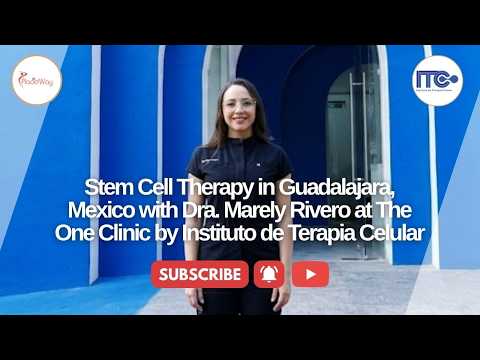
- Instituto de Terapia Celular - Stem Cell Guadalajara Mexico: Focuses on advanced cellular therapies, regenerative medicine, and supportive care for patients undergoing complex health challenges.
How Much Does Cancer Treatment Cost in Mexico?
The cancer treatment cost in Mexico typically ranges from $12,000 to $35,000 for an intensive, multi-week program, depending on the specific therapies utilized.
Pricing can vary significantly based on the complexity of the case, the length of stay, and the specific modalities included in the treatment protocol. Conventional therapies mixed with daily alternative infusions generally form a comprehensive package that covers medical fees, facility costs, and sometimes local accommodation.
Patients often seek these options because the out-of-pocket expenses are considerably lower than comparable integrative programs in the United States or Europe. However, it is vital to request a detailed, itemized estimate before committing to any facility to understand exactly what is included in the initial quote.
| Therapy Type | Estimated Cost Range (USD) | Typical Duration |
|---|---|---|
| Integrative Oncology Program | $18,000 - $35,000 | 3 to 6 Weeks |
| Targeted Immunotherapy (Per Cycle) | $5,000 - $12,000 | Varies by Protocol |
| Cellular Therapy Supportive Care | $8,000 - $15,000 | 1 to 2 Weeks |
What Types of Alternative Therapies Are Offered?
Centers provide a mix of supportive treatments, including whole-body hyperthermia, high-dose intravenous vitamin C, ozone therapy, and customized immune modulation.
Many cancer treatment clinics in Mexico operate on the principle of integrative medicine, meaning they combine elements of traditional oncology with complementary practices. The goal of these alternative therapies is often to strengthen the immune system, improve quality of life, and potentially enhance the efficacy of conventional methods while minimizing adverse side effects.
Treatments like hyperthermia use heat to target malignant cells, which are typically more sensitive to temperature changes than healthy tissues. Meanwhile, biological therapies aim to train the body to recognize and attack foreign cells naturally. Patients must undergo a thorough medical evaluation to determine which combination of therapies is suitable for their specific diagnosis.
Important Consideration
Alternative therapies should be viewed as complementary rather than guaranteed cures. Responses to treatment vary greatly among individuals, and patients should maintain open communication with all their healthcare providers regarding their chosen protocols.
What Are the Benefits of Medical Tourism in Mexico?
Medical tourism in Mexico offers rapid access to innovative therapies, significantly lower out of pocket costs, and highly personalized patient care in supportive environments.
The proximity to the United States and Canada makes travel relatively straightforward for North American patients. Border cities like Tijuana have developed robust healthcare infrastructures dedicated entirely to international visitors, featuring bilingual staff and modern clinical settings designed for comfort during long recovery periods.
Furthermore, regulatory differences allow some clinics to offer emerging therapies that are still undergoing lengthy trial phases in other jurisdictions. This rapid access provides additional options for patients who have exhausted conventional avenues in their home countries. The emphasis on compassionate, individualized care is frequently cited by patients as a major benefit of traveling south for treatment.
How Can Patients Verify Credentials of Oncology Centers?
Patients must independently verify the Cédula Profesional of their treating physicians and ensure the facility operates under the approval of local regulatory health bodies.
When evaluating facilities, due diligence is non-negotiable. Patients should never rely solely on marketing materials. It is essential to look for official documentation proving that the medical staff possesses the appropriate specialty training in oncology, internal medicine, or immunology.
- Request the national professional registry number (Cédula Profesional) for the lead physician and verify it online through government portals.
- Ask for proof of facility accreditation and operational licenses granted by COFEPRIS, the national health regulatory agency.
- Inquire specifically about the emergency protocols in place should an unexpected medical complication arise during treatment.
- Request detailed written protocols explaining exactly what substances will be administered and their sources.
- Speak with former patients independently to understand their practical experiences regarding care quality and post-treatment follow-up.
What Risks Are Associated With Alternative Cancer Care?
Potential risks include receiving treatments lacking peer-reviewed efficacy, experiencing adverse biological reactions, and facing challenges with continuity of care upon returning home.
While many patients report positive experiences, seeking unconventional therapies carries inherent uncertainties. Some modalities may not be backed by large-scale clinical trials, making their true efficacy and long-term safety profile difficult to predict. Patients must weigh the potential benefits against the risk of the unknown.
Additionally, traveling while dealing with a severe illness can be physically exhausting and may suppress the immune system further. Patients must also consider the risk of disjointed care; if a local oncologist at home disagrees with the international protocol, securing necessary follow-up monitoring or emergency interventions can become complicated.
How Long Does a Typical Oncology Program Last?
Most comprehensive, integrative oncology programs require an in-person commitment of three to six weeks, depending on the patient's baseline health and specific protocols.
These programs are designed to be intensive. Patients typically undergo therapies six days a week, often spending several hours a day at the clinic receiving intravenous infusions, nutritional counseling, and localized treatments. The rigorous schedule aims to aggressively support the body within a concentrated timeframe.
Following the initial intensive phase, patients are usually sent home with a maintenance protocol. This at-home phase may include oral supplements, dietary guidelines, and sometimes prescribed medications designed to sustain the progress achieved during the clinical stay. Continuous remote communication with the international clinic is usually maintained during this period.
What Support Systems Do Mexican Clinics Provide?
Facilities often provide holistic support including psychological counseling, specialized nutritional meal planning, and dedicated patient coordinators to assist with daily logistics.
Understanding the emotional toll of severe illness, many reputable clinics integrate mental health professionals into their standard care packages. Stress reduction techniques, meditation sessions, and individual therapy are frequently offered to help patients maintain a positive mindset, which is considered a crucial component of the healing process.
Nutritional support is also heavily emphasized. Medical chefs or specialized dietitians often prepare organic, anti-inflammatory meals tailored to the patient's specific metabolic needs. Furthermore, bilingual patient coordinators are assigned to help navigate communication, schedule appointments, and ensure the patient feels comfortable and secure throughout their stay.
Did You Know?
Many specialized clinics are purposely located in quiet, scenic areas, such as coastal regions or dedicated medical plazas, to provide a calm, stress-free environment that promotes healing and relaxation away from the hustle of major hospital settings.
Why Choose PlacidWay to Find Your Treatment Provider?
PlacidWay serves as a comprehensive medical resource, empowering patients to research, compare, and connect directly with international healthcare providers.
Navigating the complexities of international healthcare requires reliable information and clear communication. PlacidWay assists patients by providing a structured platform to explore their medical options safely and effectively.
- Provides access to a wide network of internationally recognized healthcare facilities and specialized clinics.
- Allows patients to easily compare various treatment packages, facility credentials, and professional biographies.
- Offers transparent pricing estimates to help patients budget effectively for their entire medical journey.
- Facilitates direct, secure communication between patients and medical providers to address specific clinical questions.
- Empowers patients with educational resources and detailed guides to make informed, confident healthcare decisions.
Frequently Asked Questions About Cancer Care in Mexico
Is it safe to travel for international oncology care?
Traveling for international oncology care can be safe if patients thoroughly research their chosen facility. It is crucial to verify clinic accreditations, doctor credentials, and ensure the facility has protocols for medical emergencies and supportive care.
Do international clinics use approved medications?
Many international clinics use medications approved by their local regulatory bodies, such as COFEPRIS. While some drugs overlap with FDA cleared lists, others might be approved locally but remain in clinical trials elsewhere.
Can I combine conventional and holistic therapies?
Yes, many integrative oncology centers specialize in combining conventional treatments like low dose chemotherapy with holistic therapies such as nutritional support and immune modulation to support overall well being.
Do I need a passport to cross the border for medical care?
Yes, international patients traveling across borders generally require a valid passport. Depending on your country of origin, a visa may also be necessary to enter the country for medical purposes.
Will my domestic health insurance cover international therapies?
Domestic health insurance plans typically do not cover therapies received outside of your home country, especially alternative treatments. Patients should expect to pay out of pocket and consult their provider directly.
What languages do doctors in these centers speak?
Doctors and medical staff at prominent medical tourism facilities are often bilingual, speaking fluent English and Spanish to ensure clear communication with international patients.
Are there wait times for specialized oncology therapies?
One of the advantages of seeking care internationally is that wait times are typically minimal. Most clinics can schedule initial consultations and begin therapies within a few weeks.
Can family members accompany me during the recovery process?
Yes, most facilities encourage patients to bring a companion for emotional and physical support. Many programs offer accommodations or partner with local hotels to house both the patient and their companion.
How do I transfer my medical records to an international doctor?
Patients usually need to request digital copies of their oncology records, imaging scans, and pathology reports from their current doctor, which can then be securely emailed or uploaded to the destination clinic.
What happens if I need follow up care back home?
It is essential to establish a relationship with a local oncologist who is willing to provide follow up care and monitor your progress after you return from your international treatment program.
Ready to Explore Your Medical Options?
Take the next step in your healthcare journey. Compare top-rated facilities, review comprehensive treatment plans, and find the specialized care that fits your needs.
Request Treatment InformationMedical Disclaimer: The information provided in this article is for educational purposes only and should not be considered as medical advice. Treatment options and outcomes vary significantly between patients. Always consult with a qualified healthcare professional regarding diagnosis, treatment plans, and travel for medical purposes. Pricing data is estimated and subject to change based on individual facility rates and patient requirements.
References
- Immunotherapy to Treat Cancer – National Cancer Institute
- Complementary and Integrative Methods – American Cancer Society
- Medical Tourism: Travel for Medical Care – Centers for Disease Control and Prevention
- Cancer Fact Sheet – World Health Organization
- Regulatory Information and Clinic Standards – COFEPRIS (Federal Committee for Protection from Sanitary Risks)




.png)
.png)




.jpg)
.png)










Share this listing