
Why Choose Bangkok for Eyelid Surgery?
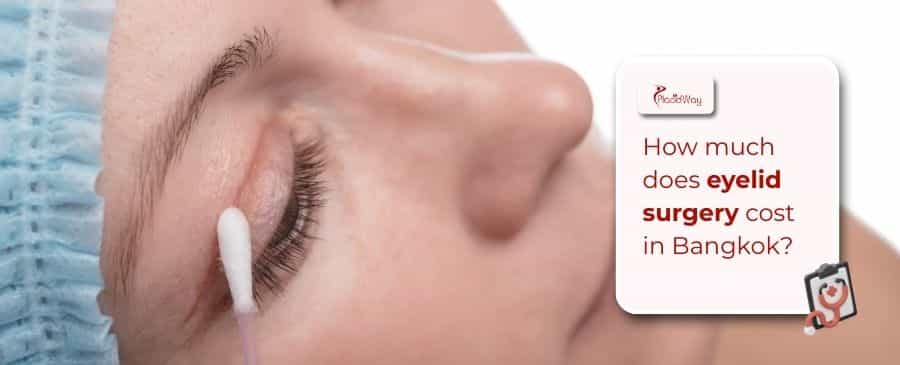
Each year, countless individuals consider traveling abroad for cosmetic enhancement, making medical tourism in Bangkok a frequently discussed topic among prospective patients. Blepharoplasty, commonly known as eyelid surgery, addresses excess skin, muscle, and sometimes fat around the eyes. If you are exploring this option, understanding the financial estimates, clinical considerations, and travel requirements is an essential first step.
Key Takeaways
- Cost estimates for blepharoplasty in Thailand generally run between $1,000 and $4,500, depending on the scope of the procedure.
- The surgery can target the upper eyelids, lower eyelids, or both, and techniques vary based on your anatomy.
- Patients are typically advised to plan a stay of 7 to 10 days for adequate monitoring and safe stitch removal before flying home.
- Careful research into a provider's credentials is vital for your safety and to help set realistic expectations.
- Outcomes, risks, and recovery timelines differ for every individual, requiring personalized medical consultation.
What factors influence the total price of blepharoplasty in Thailand?
When you start researching the eyelid surgery cost in Bangkok, you will quickly notice that clinics offer a wide range of estimates. This variation is normal in medical care. The primary driver of cost is the complexity of the operation. Removing a small amount of upper eyelid skin under local anesthesia requires less operating time and resources than repositioning fat pads in the lower eyelids under intravenous sedation or general anesthesia.
Additionally, the setting where your procedure takes place affects your bill. An internationally accredited hospital usually charges higher facility fees than a smaller private clinic, as they maintain larger infrastructures and critical care support. Finally, the surgeon’s experience level and board certifications will influence their professional fees. Highly sought-after specialists often charge more for their expertise.
| Procedure Type | Typical Estimated Range (USD) | Anesthesia Generally Used |
|---|---|---|
| Upper Eyelid Surgery | $1,000 - $2,000 | Local with or without sedation |
| Lower Eyelid Surgery | $1,200 - $2,500 | Local with sedation or General |
| Combined (Upper & Lower) | $2,000 - $4,500 | Local with sedation or General |
*Note: Prices are estimates and subject to change. They do not include travel, accommodation, or potential unforeseen medical expenses.
What is the difference between upper and lower eyelid surgery?
Upper blepharoplasty is often performed to address functional issues, such as when sagging skin (a condition sometimes related to ptosis) obscures the patient's line of sight. During this procedure, the surgeon makes an incision in the natural crease of the eyelid, excises the redundant skin and sometimes a small strip of muscle, and carefully sutures the area to minimize visible scarring.
Conversely, lower blepharoplasty is typically sought for cosmetic reasons to reduce a tired or aged appearance. The approach can vary; some surgeons use a transconjunctival technique (an incision made inside the lower eyelid) which leaves no external scar and is excellent for fat removal. If excess skin also needs to be removed, an incision is usually made just below the lash line. Your surgeon will recommend the best approach based on your unique facial anatomy and tissue elasticity.
Expert Insight
Many patients mistake sagging eyebrows for upper eyelid skin excess. A thorough medical evaluation is necessary, as a brow lift might be a more appropriate intervention than blepharoplasty in certain cases.
Is double eyelid surgery a popular procedure in Bangkok?
Because of its geographic location and demographics, eyelid surgery in Bangkok frequently involves the creation of a supratarsal crease. Many regional specialists have extensive experience with this specific anatomical requirement. Suture techniques involve creating the crease using carefully placed permanent sutures without making a full incision. This method typically results in a faster recovery but may not be suitable for patients with thicker eyelid skin or excess fat.
The incisional method, while requiring a slightly longer recovery period, allows the surgeon to remove excess fat and skin while creating a more distinct and long-lasting crease. Patients traveling for this procedure should discuss their desired eyelid height and shape extensively with their provider, as aesthetic preferences vary widely and communication is key to achieving a satisfactory outcome.
Who is considered a suitable candidate for this cosmetic treatment?
Suitability for any surgical procedure requires individual assessment by a qualified healthcare professional. Generally, candidates should not have underlying medical conditions that impair healing, such as uncontrolled diabetes or severe cardiovascular issues. Smoking significantly impedes blood flow and increases the risk of complications, so surgeons typically require patients to cease nicotine use well before and after the operation.
Additionally, pre-existing eye conditions can be contraindications. Patients with dry eye syndrome, glaucoma, detached retinas, or severe thyroid eye disease (such as Graves' disease) may be advised against undergoing blepharoplasty. A thorough preoperative consultation will involve reviewing your complete medical history, including any current medications, supplements, and previous facial surgeries.
What should patients expect during the initial consultation?
When you arrive at an eyelid surgery clinic in Bangkok, the initial face-to-face consultation is critical. The surgeon will examine your eyelid structure, skin elasticity, and underlying bone structure. They may take measurements and photographs for your medical record and to help plan the surgical approach.
This is also the time when the surgeon will explain what the procedure can and cannot achieve. It is important to ask questions about the surgeon’s experience, the specific risks of the operation (such as bleeding, infection, dry eyes, or temporary changes in vision), and the details of the recovery process. A reputable doctor will never pressure you into surgery and will encourage you to take time to make an informed decision.
What is typically included in a surgical package?
Medical packages are designed to make financial planning easier for patients traveling from abroad. However, it is vital to request an itemized breakdown to understand exactly what you are paying for. Most standard quotes will cover the operating room fees and the local anesthesia or sedation used during the procedure.
Be aware of what is usually excluded. Costs that may fall outside the initial quote include specialized cardiac or medical clearances if you have underlying health issues, treatment for unforeseen complications, prescription medications once you return home, and any revision surgeries. Accommodation and travel expenses are almost always the patient's responsibility and must be factored into your overall budget.
How long does recovery take after traveling for this procedure?
Recovery experiences vary widely depending on the individual and the extent of the surgery. In the first few days, patients commonly experience tightness, mild discomfort, blurred vision (due to prescribed healing ointments), and significant bruising around the eyes. Keeping the head elevated and consistently applying cold compresses as directed can help manage swelling.
Stitches are usually removed within 5 to 7 days post-surgery if non-dissolvable sutures were used. While you may feel physically well enough to engage in light activities quickly, strenuous exercise, heavy lifting, and activities that raise your blood pressure must be avoided for several weeks to prevent bleeding and excessive swelling at the surgical site.
What kind of aftercare is necessary before flying home?
Because Thailand has a hot and humid climate, special attention must be paid to your aftercare environment. Sweating can irritate fresh incisions, and the intense tropical sun can cause permanent hyperpigmentation (darkening) of the healing scars. Patients are strongly advised to wear dark sunglasses and a wide-brimmed hat whenever they must step outside, and to spend the majority of their early recovery indoors.
Your surgeon will provide specific instructions regarding how to clean your eyes and apply any prescribed eye drops or antibiotic ointments. It is imperative that you attend all local follow-up appointments before your departure. The final check-up is when your doctor assesses the initial healing and provides medical clearance, confirming you are fit for the journey home.
Are there risks associated with flying after eye surgery?
Medical travel requires careful logistical planning, especially regarding your return flight. Cabin air is notoriously dry, which can exacerbate the dry-eye symptoms frequently experienced after blepharoplasty. You should carry lubricating eye drops approved by your surgeon in your carry-on luggage to maintain moisture throughout the flight.
Furthermore, prolonged immobility on a long flight increases the risk of blood clots in the legs (DVT), a risk already slightly elevated by having undergone surgery. Staying hydrated, performing seated leg exercises, and walking the aisles periodically are important preventative measures. Always adhere strictly to your surgeon's timeline regarding when it is safe to board an aircraft.
How can international patients verify a clinic's quality?
Thorough independent research is non-negotiable when planning medical treatment abroad. Start by looking for facility accreditations, such as from the Joint Commission International (JCI), which indicates that a hospital meets stringent global standards for patient safety and care quality.
Equally important is the individual surgeon's background. Verify that they are fully licensed to practice in Thailand and have specific board certification in plastic surgery or oculoplastic surgery. Memberships in professional bodies, such as the International Society of Aesthetic Plastic Surgery (ISAPS) or national equivalent medical councils, can provide additional assurance of their training and commitment to ethical practice. Do not rely solely on social media marketing; look for objective credentials.
Why Choose PlacidWay for Medical Tourism in Bangkok?
Navigating healthcare options in a foreign country requires access to clear, organized information. PlacidWay serves as a resource for international patients.
- ? Informational Network: PlacidWay provides an extensive directory of medical providers and clinics across Thailand.
- ? Provider Details: The platform allows you to review clinic profiles, surgeon credentials, and facility accreditations in one place.
- ? Direct Communication: Patients can use the platform to request quotes and communicate directly with healthcare facilities.
- ? Educational Resources: Access articles and guides designed to help you understand the realities of seeking medical care abroad.
- ? Global Reach: Explore and compare options not only in Bangkok but across various international medical destinations.
Frequently Asked Questions
Does insurance cover eyelid surgery in Thailand?
Insurance typically does not cover eyelid surgery if it is performed purely for cosmetic reasons. However, if the procedure is deemed medically necessary—such as correcting severe drooping that impairs your vision—some international insurance plans may offer partial coverage. You should verify coverage details with your provider before traveling.
How long should I stay in Bangkok after the operation?
Most surgeons recommend staying in Bangkok for at least 7 to 10 days following your procedure. This allows enough time for the initial healing phase, removal of non-dissolvable stitches, and a final postoperative clearance examination before you are permitted to fly.
Can I wear contact lenses during my recovery in Thailand?
You should avoid wearing contact lenses for at least two weeks after the surgery, or as directed by your surgeon. Inserting and removing lenses pulls on the healing tissues, which can disrupt incisions and increase the risk of infection. Bring prescription glasses for your trip.
Will there be visible scarring after the procedure?
Surgeons typically place incisions in the natural creases of the upper eyelids or just below the lash line for the lower eyelids to help conceal scars. While some scarring is inevitable, it often fades significantly over several months. Individual healing varies by patient.
Do medical professionals in Bangkok speak English?
Yes, many board-certified surgeons and medical staff at facilities catering to international patients speak English fluently. Larger hospitals often provide dedicated translation services for multiple languages to ensure clear communication regarding your treatment.
Can I combine blepharoplasty with other facial procedures?
It is quite common for patients to combine blepharoplasty with other treatments, such as a brow lift, facelift, or non-surgical treatments. However, combining procedures increases the overall surgical time and may extend your required recovery period in the country.
What happens if I need a revision surgery later?
If complications arise or results are asymmetrical, revision surgery might be necessary. Because secondary healing can be complex, revisions are usually not performed until the eyes have fully healed, which can take six months to a year. You would need to arrange local care or plan a return trip.
How do currency exchange rates impact my final bill?
Prices are often quoted in Thai Baht (THB). Fluctuations in the exchange rate between the Baht and your home currency can slightly raise or lower your actual out-of-pocket expenses. It is helpful to ask the clinic how long their price quote remains valid.
Is it safe to explore the city immediately after surgery?
No. Rest is critical during the first few days. The tropical heat, intense sun, and urban pollution can irritate healing eyes and increase swelling or the risk of infection. Patients are advised to rest indoors in an air-conditioned environment initially.
How do I prepare for my flight to Thailand for surgery?
Prior to flying, obtain medical clearance from your local physician. Stop taking blood-thinning medications and certain supplements as advised by your surgeon, stay hydrated on the long flight, and plan to arrive a day or two before your consultation to recover from jet lag.
Ready to Compare Treatment Options?
Explore clinic profiles, review procedure details, and request information to help you make an informed decision regarding your care in Thailand.
Request Treatment InformationReferences
- Eyelid Surgery (Blepharoplasty) – American Society of Plastic Surgeons (ASPS)
- Blepharoplasty Overview & Risks – Mayo Clinic
- Medical Tourism Travel Guidelines – Centers for Disease Control and Prevention (CDC)
- Aesthetic Eyelid Surgery Information – International Society of Aesthetic Plastic Surgery (ISAPS)
- Blepharoplasty Medical Insights – Johns Hopkins Medicine
- Safety Considerations for Cosmetic Procedures – U.S. Food and Drug Administration (FDA)























Share this listing