
Top 10 Plastic Surgeons Worldwide
While identifying exactly who are the top 10 plastic surgeons in the world is subjective, the most reputable providers share rigorous board certifications, extensive experience, and operate in globally accredited facilities across major medical destinations.

Key Takeaways
- Objective global rankings for medical professionals do not exist; prioritize verifiable credentials over social media popularity.
- Safety and outcomes vary widely; always verify the surgeons local licensing and specific specialty training.
- Cost estimates for international procedures depend on geographic location, facility standards, and case complexity.
- Proper aftercare requires establishing contact with a local healthcare provider in your home country prior to traveling.
- Internationally recognized accreditations like JCI help indicate a facility adherence to rigorous patient safety standards.
How Do We Determine Who Offers The Best Plastic Surgery In The World?
Locating exceptional surgical care requires looking beyond marketing claims to evaluate objective medical credentials and facility accreditations. Patients must conduct thorough research to verify continuous medical education and complication protocols.
Because no official international governing body ranks individual surgeons, finding exceptional care involves rigorous personal research. Patients should begin by verifying that a prospective surgeon holds recognized board certification in their respective country. This often indicates that the provider has completed specialized training and adheres to established ethical guidelines.
In addition to individual credentials, the standards of the operating facility play a critical role in patient safety. Hospitals and clinics that earn accreditations from organizations like Joint Commission International demonstrate a commitment to rigorous safety and hygiene protocols. It is vital to confirm that the location where the surgery will take place is equipped to handle potential medical emergencies.
Finally, prospective patients should critically evaluate before and after portfolios while understanding that results vary widely among individuals. Consultations should focus on realistic outcomes, balanced risks, and contraindications rather than guaranteed success rates. A reputable professional will clearly communicate what can and cannot be achieved safely.
10 Globally Recognized Plastic Surgeons
When researching international options, it is helpful to review the profiles of established specialists. Below is a list of practitioners known in their respective regions for aesthetic and reconstructive procedures. Note: Always verify current licensing, board certifications, and facility accreditations independently before proceeding with any medical treatment.
Dr. Rohit Krishna
Location: Delhi, India
A Plastic Surgeon with over two decades of experience, practicing at facilities including Cosmetic Surgery Clinic and Max Hospital. He holds an MCh in Plastic Surgery from Sawai Mansingh Medical College.
Dr. Felipe Castro Esguerra
Location: Bogotá & Bucaramanga, Colombia
An independent surgeon who completed additional body sculpting training in Houston, Texas. He is registered with the Colombian Society of Plastic Surgery and ISAPS.
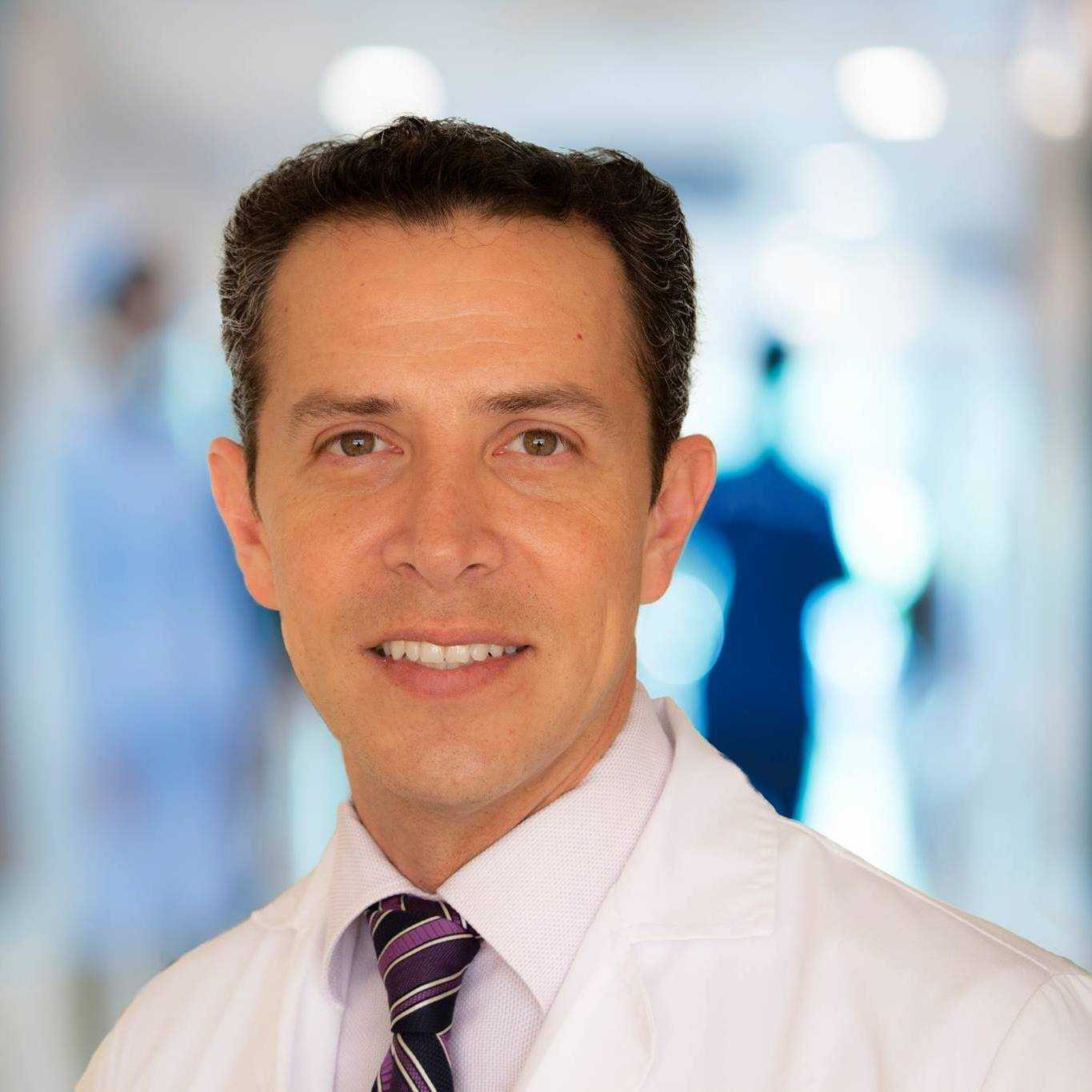
Dr. Joaquin Ayala
Location: Tijuana, Mexico
A Mexican board-certified plastic surgeon recognized for his experience in body contouring and reconstructive procedures, having completed fellowship training under Dr. Ivo Pitanguy in Brazil.
Dr. Jorge Sandoval
Location: Mexico City, Mexico
A highly experienced plastic surgeon focusing on body contouring, breast enhancement, and facial rejuvenation surgeries such as ultrasonic rhinoplasty.
Dr. Alejandro Paredes Vallejo
Location: Mexicali, Mexico
A professional in plastic surgery located in Baja California, dedicated to providing personalized aesthetic surgical care.
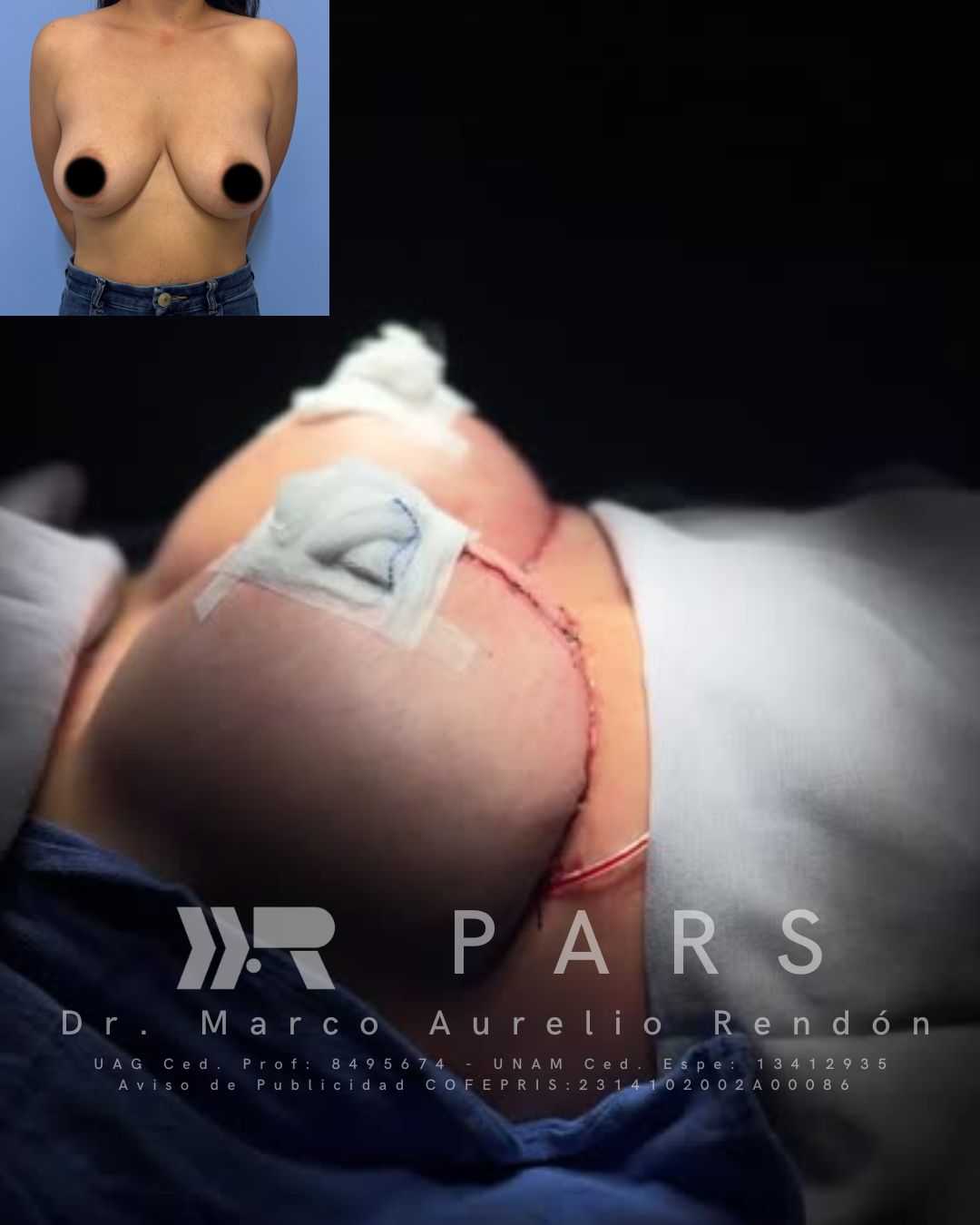
Dr. Marco Tulio Marroquin Batres
Location: Mexico City, Mexico
Certified by the Mexican Board of Plastic, Aesthetic and Reconstructive Surgery, specializing in procedures such as deep plane facelifts and ultrasonic rhinoplasty.
Dr. Eduardo Cartagena
Location: Mexico City, Mexico
An internationally trained surgeon with certifications from AMCPER and ASPS, addressing both aesthetic enhancement and complex medical reconstruction.
Assoc. Prof. Dr. Asim Uslu
Location: Antalya, Turkey
An acclaimed Associate Professor and member of the Turkish Plastic Reconstructive and Aesthetic Surgery Association, offering advanced reconstructive and aesthetic treatments.
Dr. Juan Sanabria
Location: Bogotá, Colombia
A certified member of the Colombian Society of Plastic Surgery and an international member of ASPS, known for body contouring and reconstructive techniques.
Dr. Gabriel Sandoval
Location: Tijuana, Mexico
Board-certified by CMCPER, he brings over a decade of surgical experience focusing on body contouring, facial rejuvenation, and post-weight loss surgeries.
What Common Procedures Do The Best Plastic Surgeons In The World Perform?
Patients typically seek out globally renowned specialists for highly complex, transformative, or revision surgeries where advanced techniques and extensive experience are paramount to achieving safe, natural-looking results.
When evaluating international providers, patients often look for surgeons with dedicated expertise in specific anatomical areas. The most frequently requested procedures among traveling patients include:
- Facial Rejuvenation (Deep Plane Facelifts): Advanced facelift techniques require an intimate knowledge of facial anatomy to reposition underlying muscle and tissue, providing longer-lasting and more natural results compared to traditional skin-pulling methods.
- Ultrasonic Rhinoplasty: This modern approach to nose reshaping uses high-frequency ultrasound waves to sculpt bone precisely, minimizing trauma to surrounding soft tissue, which can significantly reduce postoperative bruising and swelling.
- Complex Body Contouring: Post-bariatric skin removal, abdominoplasty (tummy tucks), and high-definition liposuction demand exceptional surgical skill to maintain proper proportions and manage the risks associated with extensive tissue removal.
- Breast Revision and Reconstruction: Correcting previous unsatisfactory breast surgeries or performing complex reconstructions requires highly specialized training, often separating general practitioners from elite reconstructive specialists.
Connecting a specific procedure to a surgeon's documented specialty training is crucial. A provider who excels in body contouring may not be the optimal choice for a delicate facial procedure. Thoroughly researching a surgeon's specific clinical focus helps ensure alignment between their expertise and your individual aesthetic goals.
What Impacts The Plastic Surgery Cost In Mexico?
Financial estimates for procedures south of the border fluctuate based on the specific geographic region, the experience level of the surgical team, and the complexity of the treatment plan. It is crucial to request comprehensive, itemized quotes.
Pricing structures in Latin American destinations are generally more accessible than in the United States or Canada due to lower localized costs of living and operational overhead. However, patients must recognize that extremely low prices may indicate compromised safety standards or the use of generic materials. A comprehensive estimate should clearly separate the surgeons fee from anesthesia, facility costs, and postoperative garments.
When evaluating costs, patients seeking treatments like dental restorations alongside cosmetic procedures must be particularly vigilant. For instance, clinics must clearly distinguish the implant post price from the total cost of the implant, abutment, crown, imaging, extraction, bone graft, and sedation. These are estimates that vary by clinic, city, materials, case complexity, and treatment requirements.
Safety should never be compromised for financial savings. Always verify official credentials before transferring any funds. For procedures in this region, patients should mention checking the dentist or surgeons cedula profesional through the SEP professional registry, as well as verifying specialty training, clinic documentation, and complication protocols.
Important Consideration
Do not use professional association membership as sole proof of licensing or board certification. Memberships can sometimes be obtained by paying annual dues without requiring rigorous clinical examinations or peer review. Always request the official government issued medical license number and verify it through independent state registries.
How To Select A Plastic Surgery Clinic In South Korea?
Identifying an appropriate facility in East Asia requires assessing their technological capabilities, their experience with international patients, and the availability of clear translation services. Reputable centers provide detailed consultations that address anatomical differences and personalized aesthetic goals.
East Asia is renowned for advanced surgical techniques and high volume clinical experience, particularly in facial contouring and specialized aesthetic modifications. When selecting a facility, patients should investigate whether the center utilizes internationally recognized implant systems and modern diagnostic imaging. It is essential not to claim that all clinics in the country follow the same standards, as quality can vary significantly.
Communication is a vital component of a successful surgical outcome. Clinics that routinely handle international visitors usually provide dedicated medical interpreters to ensure that surgical risks, recovery timelines, and expected results are fully understood. Patients should ensure that language barriers do not impede informed consent or postoperative care instructions.
Additionally, prospective patients should inquire about the clinics specific protocols for handling adverse events. Understanding how a foreign facility manages unexpected complications, extended hospital stays, and emergency interventions is crucial for mitigating risks associated with traveling far from home for medical care.
What Makes Medical Tourism In Turkey Popular For Aesthetics?
This transcontinental region has developed a robust infrastructure dedicated to international healthcare seekers, offering comprehensive treatment packages. The availability of experienced specialists and modern healthcare facilities attracts thousands of patients annually.
- Specialized Expertise: Many providers focus intensely on specific high demand procedures, allowing them to accumulate significant clinical experience over time.
- Modern Infrastructure: Substantial investments in private healthcare have resulted in numerous facilities that are equipped with advanced medical technology and diagnostic tools.
- Comprehensive Care Packages: Clinics often bundle the surgical fees with necessary postoperative garments, localized nursing care, and translation services.
- Geographic Accessibility: Situated at the crossroads of Europe and Asia, it serves as a convenient logistical hub for patients traveling from various continents.
- Regulatory Oversight: The local Ministry of Health has implemented specific certification requirements for facilities wishing to treat international visitors, though patients must still verify these credentials independently.
| Verification Step | Why It Matters | How To Confirm |
|---|---|---|
| Medical License | Ensures the provider is legally permitted to practice medicine. | Check official government health ministry databases. |
| Specialty Board Certification | Indicates advanced, specific training in aesthetic or reconstructive techniques. | Verify through recognized national specialty boards. |
| Facility Accreditation | Confirms the operating room meets strict emergency and hygiene standards. | Search JCI or local equivalent accreditation registries. |
| Material Authenticity | Prevents complications from substandard implants or injectables. | Request product lot numbers and clearance documentation. |
Are Outcomes Reliable For Plastic Surgery In Thailand?
Surgical outcomes in Southeast Asia can be excellent when patients carefully select internationally accredited hospitals and board certified specialists. However, results vary by individual biology and strict adherence to postoperative care protocols.
Many major hospitals in this region hold prestigious international accreditations and cater specifically to a global clientele. These institutions often employ specialists who have completed fellowships or extended training programs in North America or Europe. While this globalized training may contribute to high standards of care, patients must recognize that no medical procedure is completely devoid of risk.
When considering complex operations or extensive reconstructive work, it is important to review the materials being utilized. For treatments involving prosthetics or dental work, providers should replace generic references with FDA cleared or internationally recognized implant systems, where applicable. Understanding the exact specifications of what is being placed in the body is a critical patient right.
Prospective patients must also factor in the physical toll of long haul travel. Sitting on extended flights shortly after an operation may increase the probability of vascular complications. Surgeons typically require a mandatory recovery period on site to monitor healing before authorizing a patient to fly, emphasizing that safety protocols must override travel convenience.
What Credentials Matter For Plastic Surgery In Colombia?
When seeking treatment in South America, patients must verify that their chosen provider is officially registered as a specialist with the national medical regulatory authorities. Membership in recognized domestic surgical societies also provides an additional layer of professional accountability.
South America has a long standing history of innovation in aesthetic medicine, drawing patients from around the globe. To ensure quality care, it is imperative to distinguish between general practitioners offering cosmetic services and surgeons who have completed dedicated, formal residency programs in reconstructive and aesthetic surgery. Proper training fundamentally impacts surgical outcomes and risk management.
Patients are encouraged to ask direct questions about the facilities emergency response capabilities. Aesthetic procedures should be performed in environments equipped with intensive care units or within close proximity to major hospitals. Ensuring that the clinical setting meets high safety standards is just as critical as the operators individual skill level.
Furthermore, it is vital to secure comprehensive preoperative medical evaluations. A responsible surgical team will require extensive blood work, cardiac clearance, and a detailed medical history before approving any procedure. This rigorous vetting process helps identify contraindications and ensures that the patient is a suitable candidate for elective surgery.
How Is Quality Maintained For Plastic Surgery In Brazil?
Quality is largely dependent on the rigorous educational requirements and extensive clinical hours mandated for surgical residents in the country. Patients should verify these qualifications and ensure operations take place in licensed, regulated clinical environments.
- Extensive Residency Requirements: Becoming a recognized specialist typically requires years of general surgical training followed by dedicated years focused solely on aesthetic and reconstructive techniques.
- Regulatory Framework: National medical councils establish guidelines for ethical practice and continuing medical education, though enforcement can vary by region.
- Peer Review and Societies: Active participation in recognized professional organizations often indicates a commitment to staying updated on modern surgical safety protocols.
- Focus on Anatomical Harmony: Training in this region often heavily emphasizes maintaining natural proportions and functional integrity during aesthetic enhancements.
- Postoperative Care Emphasis: Quality providers implement strict follow up schedules, utilizing specialized lymphatic drainage and localized wound care to optimize healing.
Expert Insight
Explain that implant survival rates vary and must not be presented as guaranteed success rates. Biological responses to foreign materials, adherence to postoperative lifestyle restrictions, and preexisting anatomical conditions all play significant roles in the long term viability of any surgical enhancement.
What Is The Timeline For Plastic Surgery In Costa Rica?
A successful treatment timeline includes preoperative virtual consultations, a required in country recovery period spanning several days to weeks, and long term local follow up. Rushing the process significantly elevates the risk of postoperative complications.
The journey begins well before boarding a plane, involving thorough virtual assessments where medical history and surgical goals are discussed. Once arriving in Central America, patients usually undergo in person physical examinations and laboratory tests to confirm their fitness for surgery. This mandatory preoperative phase is designed to identify any last minute contraindications.
Following the operation, a mandatory recovery window is enforced before the patient is cleared for international travel. During this period, the medical team monitors for signs of infection, manages pain protocols, and ensures that incisions are healing appropriately. Patients must factor this extended stay into their overall budget and time away from work.
The timeline does not end upon returning home. Long term follow up is a critical component of the surgical process. Patients must establish a relationship with a local healthcare provider willing to assist with routine healing assessments or unforeseen complications, ensuring a seamless transition of care across borders.
Why Choose PlacidWay For Plastic Surgery In The World?
Educational Resources
Supplies comprehensive informational materials and facility profiles to help patients make informed decisions about their global healthcare options.
Transparent Estimates
Offers access to baseline pricing structures, allowing patients to compare potential financial obligations across different international destinations.
Direct Communication
Facilitates initial contact between prospective patients and international medical facilities for personalized inquiries and virtual consultations.
Global Network
Connects users with a wide directory of international clinics, hospitals, and specialists across multiple continents and medical specialties.
Factual Comparisons
Provides standardized data points regarding facility accreditations and localized medical infrastructure for objective patient review.
Frequently Asked Questions
What is the average recovery time for plastic surgery in the world?
Recovery timelines for plastic surgery vary significantly based on the specific procedure performed and individual healing rates. Generally, patients may need anywhere from one to six weeks of initial downtime before resuming normal activities. It is essential to plan for adequate rest and follow all postoperative guidelines provided by your medical team.
Does insurance cover plastic surgery cost in Mexico?
Most international health insurance plans do not cover elective cosmetic procedures performed abroad. However, if the surgery includes reconstructive elements deemed medically necessary, partial coverage might apply depending on your specific policy. Patients should always verify benefits directly with their insurance provider before traveling.
How long should I stay near a plastic surgery clinic in South Korea?
Patients are typically advised to remain in the destination country for at least seven to fourteen days following their procedure. This timeframe allows the medical team to monitor the initial healing phase, remove sutures, and identify any potential early complications before the patient boards a long flight home.
Is it safe to fly after experiencing medical tourism in Turkey?
Flying immediately after surgery can increase the risk of deep vein thrombosis and excessive swelling due to cabin pressure changes. Surgeons usually require patients to wait a specific number of days, often between five and fourteen, depending on the extent of the surgical intervention and the patient overall health status.
What follow up care is needed for plastic surgery in Thailand?
Comprehensive postoperative care requires initial checkups at the destination clinic followed by long term monitoring once you return home. Patients must secure a local healthcare provider willing to assist with routine healing assessments or unforeseen complications, as continuity of care is vital for optimal long term results.
How do language barriers affect plastic surgery in Colombia?
Clear communication regarding medical history, surgical goals, and postoperative instructions is critical for patient safety. Reputable international facilities often employ multilingual staff or professional medical interpreters to ensure that patients fully understand their treatment plans and consent forms without any misinterpretation.
Can I combine procedures during plastic surgery in Brazil?
While combining procedures can reduce overall travel time and facility fees, it also extends the time spent under anesthesia and may increase complication risks. Surgeons evaluate each patient individually to determine if multiple operations can be performed safely during a single surgical session based on health status.
What are the common risks of plastic surgery in Costa Rica?
All surgical procedures carry inherent risks, including infection, unfavorable scarring, adverse reactions to anesthesia, and prolonged swelling. Seeking treatment abroad adds travel related variables, making it essential to choose accredited facilities and adhere strictly to all medical clearance and recovery protocols.
How do I prepare for plastic surgery in Spain?
Preparation involves obtaining medical clearance from your primary care physician, ceasing certain medications or supplements that increase bleeding risk, and organizing your travel logistics carefully. Patients should also prepare their recovery environment and ensure they have a dedicated support system during the initial healing phase.
What payment methods are accepted for plastic surgery in India?
International medical facilities typically accept major credit cards, direct bank wire transfers, and sometimes specialized medical financing options. It is important to confirm all accepted payment methods, currency exchange rates, and deposit requirements in writing prior to finalizing any treatment agreements.
Ready To Explore Your Options?
Take the next step in your medical journey. Compare global facilities, understand estimated costs, and connect directly with dedicated international healthcare coordinators.
Request InformationDisclaimer: The information provided in this article is for educational purposes only and does not constitute medical advice. Costs mentioned are estimates that vary widely based on individual needs, facility standards, and geographic location. Always consult with a qualified healthcare provider and verify all medical credentials, facility accreditations, and travel requirements independently before undergoing any surgical procedure. Date of last review: August 2026.
References
- Global Statistics – International Society of Aesthetic Plastic Surgery
- Medical Tourism Guidelines – Centers for Disease Control and Prevention
- Patient Safety Fact Sheet – World Health Organization
- Improve Patient Safety – Joint Commission International
- Implants and Prosthetics Safety – U.S. Food and Drug Administration
- Risks and Complications of Medical Tourism – National Center for Biotechnology Information
.jpg)



.jpg)

.png)




.jpg)
.jpg)
.jpg)
.jpg)









Share this listing