


Average Cost of Composite Veneers in Mexico
.jpg)
Dreaming of a brighter, more uniform smile but concerned about the high costs? You're not alone. Many people are discovering that Mexico offers an attractive solution for cosmetic dental procedures like composite veneers. With significant savings compared to North American prices, without compromising on quality, it's no wonder that "How much are composite veneers in Mexico?" has become a frequently searched query. This guide will delve into the costs, benefits, and important considerations for getting composite veneers south of the border.
Mexico has emerged as a top destination for dental tourism, drawing patients from the U.S. and Canada seeking affordable dental care. From major cities to border towns, clinics provide a range of services, including high-quality composite veneers, at a fraction of the price found elsewhere. Let's explore everything you need to know about enhancing your smile with composite veneers in Mexico, ensuring you make an informed decision for your dental health and aesthetics.
How much do composite veneers cost per tooth in Mexico?
The cost of composite veneers in Mexico is a primary motivator for many individuals seeking dental work abroad. These prices represent a significant saving, often allowing patients to treat multiple teeth for the cost of one or two veneers back home. Factors influencing the exact price include the clinic's location, the dentist's experience, and the specific materials used.
While the average range is $200-$450, some high-end clinics in popular tourist destinations might charge slightly more, while smaller clinics in less urban areas could offer prices at the lower end. It's important to get a detailed quote from your chosen clinic, ensuring it covers all aspects of the procedure, including initial consultation, X-rays, veneer application, and follow-up care.
Why are composite veneers significantly cheaper in Mexico?
The cost disparity is a result of several economic factors. The overall cost of living and doing business in Mexico is lower, which translates directly into reduced prices for dental services. This includes everything from the wages paid to dental staff to the cost of rent for clinic spaces and administrative expenses.
Additionally, the cost of education for dentists in Mexico can be less expensive, and the regulatory environment regarding malpractice insurance premiums is generally more favorable. While the materials used for composite veneers are often sourced internationally and are similar in quality, the operational savings allow clinics to pass those savings on to the patients, making high-quality dental care more accessible.
What is the process for getting composite veneers in Mexico?
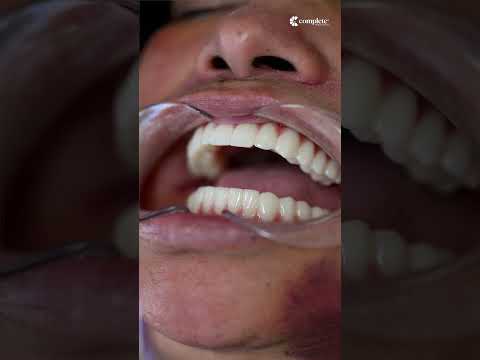
Getting composite veneers is a relatively straightforward and minimally invasive procedure. It usually begins with a thorough examination and discussion with your Mexican dentist to assess your oral health and understand your smile goals. X-rays may be taken to ensure there are no underlying issues that need addressing first.
Once suitability is confirmed, the dentist will lightly etch the surface of your teeth to create a better bonding surface. Then, a tooth-colored composite resin material is applied directly to the tooth, sculpted into the desired shape, and hardened with a special light. This process is repeated in layers until the veneer is complete. Finally, the veneers are polished to match the natural luster of your teeth. The entire procedure for several teeth can often be completed in one or two appointments, making it ideal for dental tourists.
What are the advantages of choosing composite veneers over porcelain veneers?
While both composite and porcelain veneers are excellent for improving smile aesthetics, composite veneers come with distinct benefits.
Advantages of Composite Veneers:
- Cost-Effectiveness: They are significantly less expensive than porcelain veneers, both in Mexico and elsewhere.
- Minimally Invasive: The application often requires little to no removal of the natural tooth enamel, preserving more of your original tooth structure.
- Faster Procedure: They can typically be applied in a single dental visit, whereas porcelain veneers require multiple appointments due to laboratory fabrication.
- Repairable: If a composite veneer chips or cracks, it can usually be repaired directly by adding more composite material, unlike porcelain which often requires full replacement.
- Reversible: Because minimal tooth reduction is involved, composite veneers are considered a more reversible procedure compared to porcelain veneers.
How long do composite veneers last?
The longevity of composite veneers is generally good, making them a worthwhile investment for smile enhancement. While not as durable as porcelain veneers, which can last 10-15 years or more, their lower cost and ease of repair make them a popular choice. Regular dental check-ups and good oral hygiene are crucial to maximizing their lifespan.
Factors that can influence how long your composite veneers last include your dietary habits (avoiding excessively hard or sticky foods), whether you grind your teeth (a nightguard might be recommended), and avoiding habits like chewing on ice or using your teeth as tools. With diligent care, some patients find their composite veneers last even longer than the average estimate.
Are composite veneers in Mexico of good quality?
The perception that lower prices equate to lower quality is a common misconception, especially in the context of dental tourism in Mexico. Many Mexican dental professionals receive their education and training from prestigious universities, both within Mexico and internationally. They frequently participate in continuing education to stay updated on the latest techniques and technologies.
Furthermore, reputable clinics in Mexico invest in state-of-the-art equipment and use high-quality composite resins and bonding agents from renowned manufacturers. Patients often report experiences comparable to or even exceeding those they've had in their home countries. It's crucial, however, to choose a well-regarded clinic with positive patient reviews and transparent practices to ensure the best possible outcome.
What should I consider when choosing a dental clinic in Mexico for veneers?
Selecting the right clinic is paramount for a successful dental tourism experience. Don't base your decision solely on the lowest price. Here's a checklist of what to look for:
- Dentist Credentials: Verify the dentist's education, specializations in cosmetic dentistry, and years of experience.
- Clinic Reputation: Read online reviews, testimonials, and look for before-and-after photos of previous veneer patients. Independent review platforms are often good sources.
- Accreditations: Look for clinics that are accredited by international dental organizations or adhere to recognized quality standards.
- Hygiene Standards: Ensure the clinic maintains strict sterilization protocols and cleanliness.
- Communication: The dental team should be able to communicate effectively in English to ensure all your questions are answered and you understand your treatment plan.
- Transparent Pricing: The quote should be comprehensive, with no hidden fees. Ask what exactly is included.
Is it safe to travel to Mexico for dental work, specifically composite veneers?
Millions of people safely travel to Mexico for dental and medical procedures each year. The key to a safe experience lies in careful planning and choosing reliable providers. Many popular dental tourism cities, like Tijuana, Los Algodones, Cancun, and Guadalajara, have highly developed infrastructure to cater to international patients.
While general travel safety concerns in Mexico should always be considered, focusing on clinics located in safe, tourist-friendly areas and arranging reliable transportation can minimize risks. Always research the specific region you plan to visit, stay informed about current travel advisories, and share your itinerary with family or friends. Your dental clinic may also offer guidance or assistance with travel arrangements.
What other dental treatments can I get in Mexico alongside veneers?
One of the significant advantages of dental tourism in Mexico is the opportunity to combine multiple treatments at a lower cost than a single procedure in your home country. Many patients use their trip for veneers as an opportunity to address other dental needs or cosmetic enhancements.
Popular additional procedures include:
- Dental Implants: For replacing missing teeth with a durable, long-lasting solution.
- Crowns and Bridges: To restore damaged teeth or replace missing ones.
- Root Canals: To treat infected tooth pulp and save natural teeth.
- Teeth Whitening: A quick and effective way to brighten your smile.
- Orthodontics: Including traditional braces or clear aligners.
- General Dentistry: Routine cleanings, fillings, and extractions are also available.
Discussing all your dental needs with your chosen Mexican dentist during the initial consultation can help create a comprehensive treatment plan that maximizes your time and budget.
How do I maintain my composite veneers after treatment?
Proper maintenance is crucial to ensure the longevity and appearance of your new composite veneers. Think of them as your natural teeth, requiring the same level of care, if not a little more attention to detail.
Key maintenance tips include:
- Brush and Floss Regularly: Brush at least twice a day with a non-abrasive toothpaste and a soft-bristled brush. Floss daily to remove food particles and plaque from around the veneers.
- Avoid Staining Agents: Composite resin can stain over time. Limit consumption of highly pigmented foods and drinks like coffee, red wine, tea, and berries, or rinse your mouth immediately after consumption.
- Protect Against Damage: Avoid biting on hard objects (ice, nuts, hard candy) and refrain from using your teeth to open packages. If you grind your teeth, consider wearing a nightguard.
- Regular Dental Check-ups: Continue with your biannual dental check-ups and cleanings. Inform your hygienist that you have veneers so they can use appropriate tools and polishing techniques.
- Professional Polishing: Your dentist may recommend periodic professional polishing to maintain their luster and reduce staining.
How does dental tourism for veneers compare between Mexico and other countries?
While other countries like Costa Rica, Turkey, and Thailand also attract dental tourists for veneers, Mexico often stands out, especially for North American patients.
Comparison Factors:
- Proximity and Travel Ease: Mexico's greatest advantage is its close proximity to the U.S. and Canada. Many border towns are easily accessible by car, and major cities have direct flights, reducing travel time and costs significantly compared to flying to Europe or Asia.
- Cost Savings: While Eastern European countries like Turkey and Hungary also offer competitive pricing, Mexico's cost savings for veneers are often comparable, and when combined with reduced travel expenses, the overall package can be more economical.
- Quality of Care: High-quality clinics with English-speaking staff and modern facilities are prevalent in all these dental tourism hotspots. Mexico has a well-established reputation and a large number of experienced cosmetic dentists.
- Cultural Experience: Mexico offers a vibrant cultural experience alongside your dental trip, often easier to navigate for North American travelers.
For those in North America, the convenience, accessibility, and robust dental tourism infrastructure often make Mexico the preferred choice for composite veneers and other dental work.
Ready to explore your options for an affordable smile makeover or other healthcare solutions? Visit PlacidWay to connect with top-rated clinics and experienced specialists in Mexico and around the world, and discover personalized solutions for your medical tourism needs.

.jpg 1x)




.png)
.png)
.png)
.png)



.jpg)
.png)
.jpg)
.png)











Share this listing