


How Calf Implant & Fat Transfer to Calves Works in Mexico
Thinking about enhancing the shape and size of your calves but feeling a bit overwhelmed by the options? You're not alone! Many people desire more defined, proportionate lower legs, and modern cosmetic surgery offers fantastic solutions. In particular, calf implants and fat transfer to the calves are two popular and effective methods, with Mexico emerging as a prime destination for these procedures due to its combination of experienced surgeons, advanced facilities, and attractive pricing.
Choosing between calf implants and fat transfer involves understanding their fundamental differences, including the materials used, the surgical approach, recovery, and the kind of results you can expect. This guide will walk you through everything you need to know, comparing these two procedures head-to-head. We'll dive into the specifics, answer common questions, and help you determine which option might be best suited for your aesthetic goals and lifestyle. Whether you're seeking subtle enhancement or a more dramatic change, understanding these options is the first step toward achieving the calf contours you desire.
What is the core difference between calf implants and fat transfer for calves?
The primary distinction lies in the material used for augmentation. Calf implants are pre-formed, medical-grade silicone prostheses designed to mimic muscle tissue. These implants are surgically placed beneath the fascia or muscle to create a more defined and larger calf contour. The result is typically a more dramatic and predictable increase in size and shape.
Fat transfer to calves, also known as fat grafting or lipofilling, uses your own adipose tissue. This involves liposuction to harvest fat from areas like the abdomen, flanks, or thighs. The harvested fat is then processed and strategically injected into the calves to add volume and improve contour. This method offers a more natural feel and appearance, and has the added benefit of body contouring at the fat harvesting site.
How do calf implants in Mexico compare in cost to fat transfer to calves?
When considering calf augmentation in Mexico, cost is often a significant factor for international patients. Both procedures offer substantial savings compared to prices in the United States or Canada, without compromising on quality or safety. The exact cost can vary based on several factors, including the surgeon's experience, the clinic's location and accreditation, anesthesia fees, and the complexity of the individual case.
Here's a general comparison:
- Calf Implants in Mexico: The cost for calf implants typically includes the implants themselves, surgeon's fees, anesthesia, and facility costs. While offering a more permanent solution, the upfront cost might be slightly higher than fat transfer due to the specialized materials.
- Fat Transfer to Calves in Mexico: This procedure involves two stages: liposuction and fat injection. Therefore, its cost encompasses both procedures. The price can fluctuate depending on the amount of fat needing to be harvested and transferred.
It's important to get a personalized quote from a chosen clinic, as some packages may include post-operative care, medications, or even accommodation for medical tourists.
What exactly are calf implants, and what materials are typically used?
Calf implants are solid, flexible silicone forms designed to be permanently placed in the calf area. Unlike breast implants, which contain a gel, calf implants are solid, meaning they won't rupture or leak. They are specifically shaped to augment the existing calf muscles, creating a fuller and more athletic appearance. Surgeons use a variety of sizes and shapes to best match the patient's anatomy and desired aesthetic outcome.
The surgical procedure involves making small incisions, typically in the crease behind the knee, through which the implants are carefully inserted into a pocket created between the muscle and its overlying fascia. The goal is to achieve a natural-looking contour that complements the patient's overall physique. These implants are considered very durable and are intended to be a long-term solution for calf enhancement.
How does fat transfer to calves work, and where is the fat sourced from?
Fat transfer to calves is a two-step procedure that utilizes your body's own resources. The first step is liposuction, where a surgeon carefully extracts excess fat from areas of your body that have it in abundance. Common donor sites include the abdomen, love handles, thighs, or buttocks. This process not only provides the material for calf augmentation but also offers the benefit of contouring and slimming the donor area.
Once the fat is harvested, it undergoes a purification process to separate healthy fat cells from oils, fluids, and damaged cells. This purified fat is then meticulously injected into the calves using fine cannulas. The surgeon strategically places the fat to sculpt and enhance the desired areas of the calf, creating a smoother, fuller, and more naturally defined appearance. A portion of the transferred fat cells will survive permanently, providing long-lasting results, though some initial reabsorption is normal.
Which calf augmentation procedure offers more natural-looking results?
The "natural" aspect can be subjective and depends on the patient's individual goals and anatomy. However, generally speaking, fat transfer often provides results that feel and look more natural. Since it uses your own living tissue, the augmented calves will feel soft and move naturally with your body. The fat can be injected in a very precise and distributed manner, allowing for subtle enhancements and contouring that blend seamlessly with your existing musculature.
Calf implants, while providing excellent and consistent volume, can sometimes feel firmer to the touch than natural muscle. Modern implants are designed to be quite pliable and anatomically shaped, so with a skilled surgeon, they can still look very natural.
However, the result is a fixed volume and shape. Ultimately, both procedures, when performed by an experienced surgeon, can yield aesthetically pleasing and natural-looking results; the choice often comes down to the desired degree of augmentation, specific contouring needs, and personal preference regarding materials.
What is the typical recovery process and timeline for calf implants?
Recovering from calf implant surgery requires patience and adherence to post-operative instructions. Immediately after the procedure, patients will experience soreness, swelling, and bruising in the calf area. Compression garments are typically worn to help reduce swelling and support the implants as the tissues heal. Pain medication will be prescribed to manage discomfort.
Here's a general recovery timeline:
- First few days: Significant discomfort, difficulty walking, and rest are crucial. Elevating the legs helps with swelling.
- 1-2 weeks: Most patients can return to light, sedentary work. Walking will still be somewhat uncomfortable, and strenuous activities must be avoided.
- 4-6 weeks: Swelling largely subsides, and patients can gradually resume more normal activities, avoiding heavy lifting or intense leg exercises.
- 6-8 weeks and beyond: Full recovery, including the resumption of all physical activities, is usually possible. The final results become more apparent as all swelling diminishes.
Regular follow-up appointments with your surgeon are essential to monitor your healing progress.
What can I expect during recovery after fat transfer to calves?
Recovery from fat transfer to calves involves healing in two distinct areas: the liposuction donor site and the calf recipient site. Both areas will experience bruising, swelling, and some soreness. Compression garments are typically worn on both the donor and recipient areas to aid healing, reduce swelling, and help the skin conform to its new contours.
The recovery process for fat transfer is generally considered less intense than with implants, though it still requires downtime:
- First few days: You will experience discomfort at both the donor and calf sites. Limited mobility is advised, and rest is important.
- 1-2 weeks: Most bruising and significant swelling begin to subside. Many patients can return to light activities and desk work. Discomfort should be manageable with over-the-counter pain relievers.
- 4-6 weeks: The majority of swelling resolves, and you can gradually increase your activity level. The calves will begin to feel softer and more natural.
- 3-6 months: The final results become apparent as any remaining swelling dissipates and the transferred fat cells establish a blood supply and stabilize. Some initial fat reabsorption is normal, and this is factored into the initial amount injected.
The gentle nature of fat grafting often leads to a smoother recovery experience compared to implant surgery.
Who is an ideal candidate for calf implants versus fat transfer to calves?
Identifying the right procedure depends heavily on your body type, aesthetic goals, and available fat stores. A thorough consultation with a qualified surgeon is crucial for determining the best approach.
Ideal Candidate for Calf Implants:
- Individuals with naturally small or underdeveloped calves that lack definition, often due to genetics.
- Those who are quite lean and do not have sufficient excess body fat for a fat transfer procedure.
- Patients seeking a significant and very predictable increase in calf volume and shape.
- People looking for a permanent solution to their calf augmentation concerns.
- Individuals who may have asymmetrical calves and need precise shaping.
Ideal Candidate for Fat Transfer to Calves:
- Individuals who desire a more natural look and feel for their calves.
- Those with excess fat deposits in other areas of their body (e.g., abdomen, thighs) that can be harvested.
- Patients seeking subtle to moderate enhancement, rather than a dramatic increase in size.
- People who also want the added benefit of body contouring at the fat donor site (liposuction).
- Individuals looking for a procedure with a potentially less invasive recovery than implants.
Your surgeon will assess your anatomy, discuss your expectations, and recommend the procedure that aligns best with your desired outcome and ensures the safest approach.
Are calf augmentation procedures in Mexico safe, and what are the risks?
Mexico has become a leading destination for medical tourism, attracting patients with its combination of high-quality care and competitive pricing. Many clinics and hospitals in major cities like Cancun, Tijuana, and Guadalajara are internationally accredited, adhering to rigorous safety and hygiene standards. The key to a safe experience lies in thorough research and choosing a reputable, board-certified surgeon with extensive experience in calf augmentation.
However, like all surgical procedures, calf augmentation carries potential risks, regardless of location:
Risks specific to Calf Implants:
- Capsular contracture: Scar tissue forming around the implant, potentially causing hardness or distortion.
- Implant displacement or shifting: The implant moving from its intended position.
- Numbness or altered sensation: Due to nerve irritation.
- Visible implant edges: More likely in very lean individuals.
Risks specific to Fat Transfer to Calves:
- Unpredictable fat survival: A portion of the transferred fat may not survive, requiring touch-up procedures.
- Asymmetry: Uneven results if fat absorption is inconsistent.
- Cysts or calcifications: Small lumps can form from necrotic fat cells.
General Surgical Risks (for both procedures):
- Infection
- Bleeding or hematoma
- Adverse reaction to anesthesia
- Scarring (though typically minimal and well-hidden)
- Deep vein thrombosis (blood clots)
Choosing an experienced surgeon in a certified facility significantly minimizes these risks.
Why should I consider Mexico for calf augmentation, and how do I choose a clinic?
Mexico has established itself as a premier destination for medical tourism, particularly for cosmetic procedures like calf augmentation. Several compelling reasons draw patients from around the globe:
- Cost-Effectiveness: Procedures in Mexico can be significantly more affordable than in countries like the U.S. or Canada, often representing a 50-70% savings, making advanced cosmetic surgery accessible to more people.
- High Standards of Care: Many Mexican clinics and hospitals are equipped with state-of-the-art technology and adhere to international patient safety and quality standards, often holding accreditations from organizations like the American Association for Accreditation of Ambulatory Surgery Facilities (AAAASF) or Joint Commission International (JCI).
- Experienced Surgeons: Mexico boasts a large pool of highly trained, board-certified plastic surgeons who specialize in various body contouring procedures, including calf augmentation.
- Convenience and Accessibility: With numerous international airports and proximity to the U.S., travel to Mexico is relatively easy and affordable. Many clinics also offer medical tourism packages that include airport transfers, accommodation, and post-operative care assistance.
How to Choose a Clinic for Calf Augmentation in Mexico:
Selecting the right clinic and surgeon is paramount for a successful and safe experience:
- Verify Surgeon Credentials: Ensure your surgeon is board-certified by the Mexican Council of Plastic, Aesthetic and Reconstructive Surgery (CMCPER) or an equivalent international board. Look for their specialization in body contouring.
- Check Clinic Accreditation: Prioritize clinics with international accreditations (e.g., JCI, AAAASF) or national certifications that demonstrate adherence to high safety and quality standards.
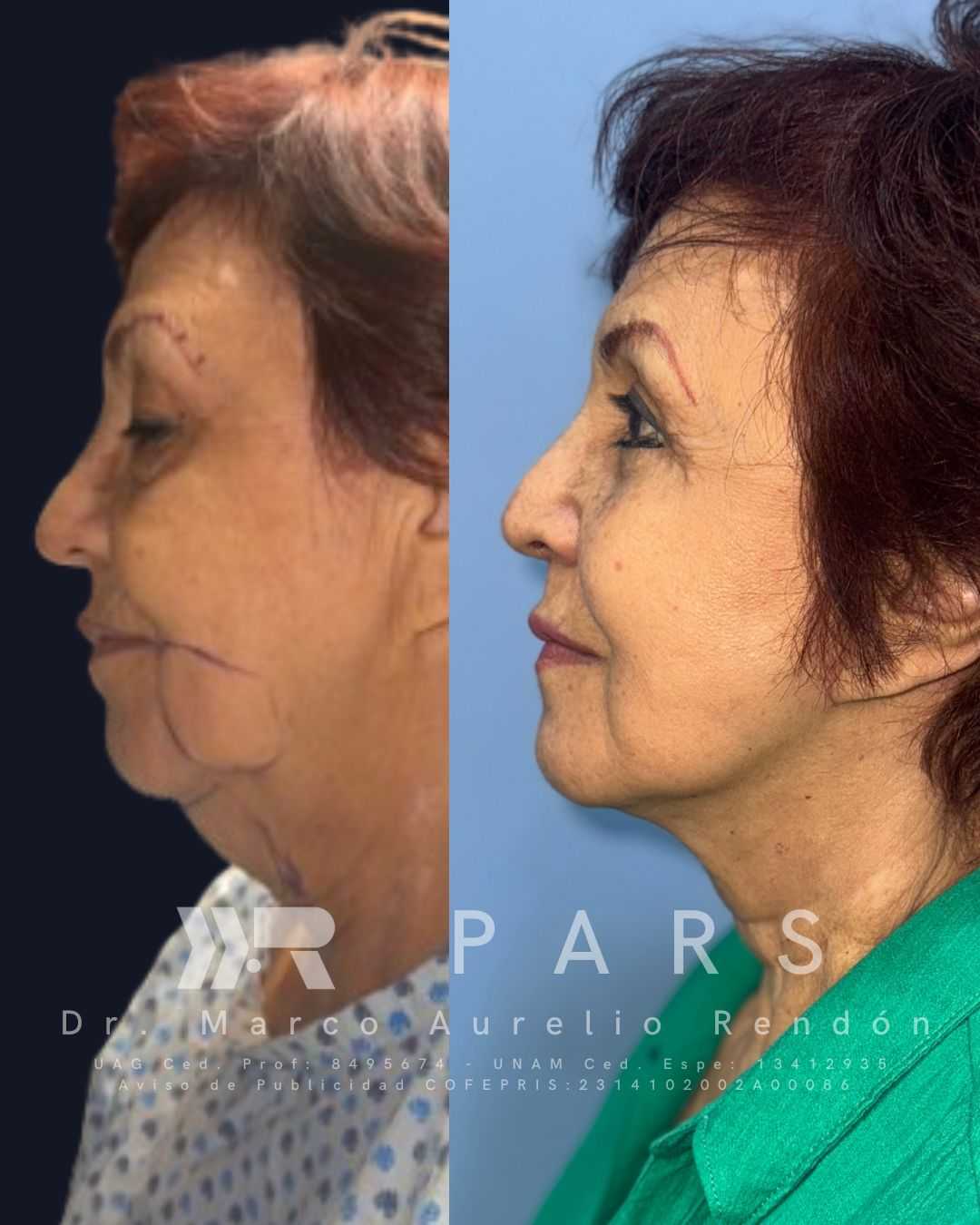
- Review Before & After Photos: Examine the surgeon's portfolio for calf augmentation results to ensure their aesthetic aligns with your goals.
- Read Patient Testimonials: Look for reviews and testimonials from previous international patients, particularly those who underwent similar procedures.
- Clear Communication: Ensure the clinic staff and surgeon can communicate effectively in your language (e.g., English) and provide detailed, transparent information about the procedure, costs, and recovery.
- Consultation: Many clinics offer virtual consultations. Take advantage of this to discuss your goals, ask questions, and assess your comfort level with the medical team.
For individuals exploring medical tourism options for calf augmentation and other healthcare services, PlacidWay offers a comprehensive platform to research, compare, and connect with top-rated clinics and experienced surgeons in Mexico and globally.
Explore PlacidWay to find tailored solutions for your health and aesthetic needs, ensuring a safe and successful journey.

.jpg)


.png)
.png)
.png)
.png)
.png)

Share this listing