
Cost Guide: Eyelid Surgery in Mexico
Eyelid surgery in Mexico typically costs $1,500–$2,500 USD for upper or lower blepharoplasty and $2,500–$4,500 for combined surgery. The final price varies by city, surgeon, anesthesia, facility fees, and case complexity.

Key Takeaways:
- A typical eyelid surgery cost in Mexico is about $1,500–$2,500 for upper or lower blepharoplasty and about $2,500–$4,500 for combined upper and lower surgery.
- Quotes can differ because surgeon fees, anesthesia, operating-room charges, tests, medicines, and follow-up may be bundled differently.
- Upper blepharoplasty addresses excess upper-lid skin and selected fat; lower blepharoplasty may address under-eye bags, excess skin, and fat position.
- Patients should verify the surgeon's professional and specialty credentials and confirm that the facility is authorized for surgical procedures.
- Bruising and swelling are expected during early recovery, and many patients allow about 10–14 days before important social or work events.
How much does blepharoplasty in Mexico cost by procedure type?
Upper or lower eyelid surgery generally costs about $1,500–$2,500 USD, while combined upper and lower blepharoplasty is commonly about $2,500–$4,500. These are planning estimates, not guaranteed national prices.
The amount a patient pays depends on exactly what is being corrected. A straightforward upper-lid procedure may require less operating time than a four-lid operation. Lower eyelid surgery may also involve fat repositioning, skin removal, or eyelid support when clinically appropriate. Revision surgery or procedures combined with a brow lift, facelift, or other facial surgery can change both the treatment plan and total cost.
Current published examples for blepharoplasty in Mexico show why patients should request an individualized quote rather than assume a single countrywide price. The table below is useful for initial budgeting only.
| Procedure | Estimated Cost in Mexico | What It May Address? |
|---|---|---|
| Upper blepharoplasty | $1,500–$2,500 | Excess upper-lid skin and selected fat |
| Lower blepharoplasty | $1,500–$2,500 | Under-eye bags, selected skin, and fat position |
| Upper and lower blepharoplasty | $2,500–$4,500 | Upper and lower eyelid concerns in one plan |
| More complex or combined facial surgery | Individual quote required | Additional eyelid support, revision, brow, or facial procedures |
What factors change the eyelid surgery cost in Mexico?
The main cost factors are procedure type, surgical complexity, anesthesia, facility charges, city, preoperative assessment, and what the written package includes. A low headline price may not represent the final amount due.
Upper blepharoplasty, lower blepharoplasty, and four-lid surgery are not interchangeable services. Lower eyelid surgery can be technically different depending on whether the plan involves external skin incisions, a transconjunctival approach, fat removal or repositioning, or additional support for eyelid laxity. The surgeon's planned technique and expected operating time therefore matter when comparing quotations.
Patients should ask for an itemized estimate that identifies:
- surgeon and assistant fees, if applicable;
- local anesthesia, sedation, or general anesthesia fees;
- operating-room or hospital charges;
- laboratory tests, medical clearance, or eye assessment;
- prescription medicines, ointment, or eye drops;
- planned postoperative visits and suture removal; and
- fees that could apply if additional treatment or an unexpected problem occurs.
This approach makes the eyelid surgery cost in Mexico easier to compare because two similar advertised prices can represent very different inclusions.
What is usually included in a blepharoplasty package in Mexico?
Many quotes include the surgery itself, surgeon fee, use of the surgical facility, and routine immediate follow-up, but inclusions are not standardized. Patients should never assume that anesthesia, tests, medications, or accommodation are automatically included.
A written estimate should clearly separate medical services from nonmedical expenses. Ask whether preoperative blood work is included, whether an anesthesiologist bills separately, whether prescription medicines are provided, how many postoperative reviews are covered, and whether there is a charge if a visit is needed after the routine follow-up period.
A price described as a package does not necessarily mean all expenses are included. Request the exact inclusions and exclusions in writing before paying a deposit, particularly for anesthesia, facility charges, preoperative testing, prescriptions, follow-up, and treatment of complications.
For international patients, separate personal expenses may include flights or ground transport, hotel nights, meals, and changes to the return trip if the surgeon recommends a longer stay. These costs should be budgeted separately from the medical quote.
How do upper, lower, and combined eyelid surgery differ in Mexico?
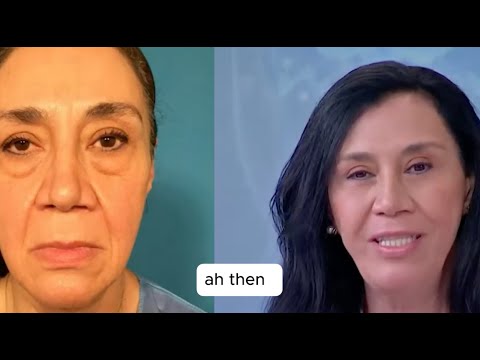
Upper blepharoplasty generally treats excess upper-lid tissue, lower blepharoplasty focuses on lower-lid bags or tissue changes, and combined surgery treats both areas during one operative plan. The right operation depends on anatomy rather than price alone.
Upper eyelid surgery may remove selected skin and, when appropriate, muscle or fat. In patients whose upper-lid skin obstructs peripheral vision, evaluation should determine whether the problem is excess skin, true eyelid ptosis, brow descent, or a combination. Blepharoplasty is not automatically the correct treatment for every drooping eyelid.
Lower blepharoplasty can address under-eye bags and selected skin or fat concerns. Depending on the patient's anatomy, the surgeon may remove or reposition fat and decide whether an external or internal incision is appropriate. Because the lower eyelid must remain well supported against the eye, pre-existing laxity and dry-eye symptoms are important parts of assessment.
Combined upper and lower surgery may reduce the need for separate operating sessions, but it is a larger procedure. Patients should discuss whether doing both areas together is suitable for their health, goals, and recovery plan.
How does blepharoplasty cost in Mexico compare with the United States?
Mexico cash-pay quotes can be lower than U.S. pricing, but percentage-savings claims should be treated cautiously because quotes often include different services. Compare the complete treatment price rather than one advertised number.
The American Society of Plastic Surgeons lists average U.S. cosmetic surgeon fees of $3,359 for upper blepharoplasty and $3,876 for lower blepharoplasty. Those figures do not include anesthesia, operating-room facilities, medical tests, prescriptions, or other related expenses. A Mexico quote that includes some of those items cannot be compared fairly with a U.S. surgeon fee alone.
Patients comparing eyelid surgery in Mexico should place the numbers in the same categories: surgeon, anesthesia, facility, tests, medications, follow-up, and personal travel costs. Also budget for the possibility of delayed travel or treatment after returning home.
Cost is one part of the decision. Credentials, facility authorization, surgical plan, anesthesia arrangements, emergency protocols, and access to follow-up are more important than choosing the lowest quotation.
Where can international patients find blepharoplasty in Mexico?
Blepharoplasty is available in multiple Mexican cities, including Mexico City, Tijuana, Cancun, Guadalajara, Monterrey, Mexicali, and other regional centers. Availability does not mean every provider offers the same training, facility standards, technique, or price.
Location can affect the overall budget because local operating costs, provider fees, and travel logistics differ. Border destinations may be practical for some North American patients traveling by land, while other patients may prefer cities served by direct flights. The clinical decision should remain separate from destination convenience.
When researching medical tourism in Mexico, compare the exact procedure offered, surgeon credentials, facility authorization, anesthesia plan, postoperative schedule, and what happens if a problem develops after discharge.
Patients should also check entry and travel-document requirements based on citizenship and whether they travel by air, land, or sea. These rules can change and should be confirmed through the appropriate government source before travel.
How should patients verify a surgeon and facility for eyelid surgery in Mexico?
Verify the surgeon's Mexican professional credentials, relevant specialty training, and the facility's authorization for surgical procedures before booking. Association membership, social-media popularity, reviews, or before-and-after photos should not be used as substitutes for licensing checks.
Mexico's Registro Nacional de Profesionistas allows patients to search professional credentials. The SEP also provides information specifically addressing specialist credentials in plastic, aesthetic, and reconstructive surgery. COFEPRIS states that facilities where surgical aesthetic procedures are performed should have the appropriate health authorization for surgical acts.
Before choosing a blepharoplasty clinic in Mexico, ask:
- Who will perform the surgery, and what professional and specialty credentials can be verified?
- How frequently does the surgeon perform upper, lower, and combined eyelid procedures?
- What is the exact name and address of the surgical facility?
- Does the facility hold the authorization required for surgical procedures?
- Who provides anesthesia, and what type is planned?
- How are bleeding, infection, vision changes, or other urgent complications handled?
- Who provides follow-up after the patient returns home?
For broader facial procedures, the same verification principles apply when researching plastic surgery in Mexico.
Who may be a candidate for blepharoplasty in Mexico?
Candidacy depends on eyelid anatomy, eye health, general health, expectations, medications, and whether the concern is cosmetic, functional, or both. A medical consultation should determine whether blepharoplasty addresses the actual cause of the problem.
Patients should disclose dry-eye symptoms, glaucoma, thyroid disease, diabetes, cardiovascular conditions, bleeding problems, previous eye surgery, allergies, smoking or nicotine use, and all prescription and nonprescription medicines. Aspirin, anti-inflammatory medicines, anticoagulants, supplements, and other products can matter because some affect bleeding risk. Medication changes should only be made under medical guidance.
The consultation should include discussion of the patient's goals and a focused examination of the eyelids and surrounding structures. When visual obstruction is a concern, an ophthalmic evaluation or visual-field testing may be needed. Patients with true ptosis may require a different or additional procedure rather than skin removal alone.
Pre-existing dry eye deserves specific attention because temporary dryness and irritation can occur after blepharoplasty. An appropriate eye examination may be useful when symptoms or ocular-surface disease are present.
What are the risks and recovery timeline after eyelid surgery in Mexico?
Early recovery commonly includes swelling, bruising, irritation, tightness, and dry-eye symptoms, while less common complications can include infection, bleeding, eyelid malposition, scarring, and vision changes. Individual recovery varies.
Patients are often advised to keep the head elevated, use cold compresses as directed, protect the eyes, and follow instructions for ointment or eye drops. Stitches, when used externally, may need removal during a postoperative visit. Many people look presentable for routine public activities in about 10–14 days, but residual swelling can last longer and final healing takes more time.
Urgent symptoms require prompt medical assessment. These can include severe or rapidly increasing pain, sudden vision change, marked one-sided swelling, persistent bleeding, breathing difficulty, fever, or other symptoms identified by the treating surgeon. Patients should receive written instructions explaining who to contact after hours and where emergency care is available.
Medical travel creates an additional follow-up issue: complications may become apparent after the patient has left Mexico. Before surgery, provide a local clinician at home with relevant records when possible and ask the Mexican surgeon how records, photographs, and postoperative questions will be handled after return.
International patients should also plan enough time in Mexico for the surgeon's required early postoperative review and should not schedule return travel without individual clearance. Some patients have follow-up within the first several days, and external sutures may be removed around the first week when non-dissolving stitches are used. Long flights or prolonged sitting soon after surgery deserve consideration because medical travel can add recovery-related risks. The treating clinician should advise when travel is appropriate based on the patient's procedure, health, mobility, and healing.
How can PlacidWay be used when researching eyelid surgery in Mexico?
PlacidWay can be used as an information and comparison resource while patients independently verify medical suitability, professional credentials, facility authorization, pricing, and follow-up arrangements. It should not replace medical advice.
Patients can use PlacidWay to organize early research without treating a listing, price, review, or description as proof that a procedure is appropriate. Useful steps include:
- Compare procedure information: review differences between upper, lower, and combined blepharoplasty before requesting individualized medical advice.
- Review published price examples: use them as budgeting references and request an itemized quote directly for the planned procedure.
- Prepare provider questions: ask about credentials, surgical experience, anesthesia, facility authorization, risks, and complication protocols.
- Compare inclusions: identify whether testing, facility fees, anesthesia, medications, and postoperative appointments are included or separate.
- Request treatment information: gather information for comparison, then verify important medical and regulatory details independently before deciding.
The decision to undergo elective surgery should follow a direct consultation with an appropriately qualified clinician who has reviewed the patient's medical history, eye health, anatomy, and goals.
Frequently Asked Questions
Does insurance cover eyelid surgery performed in Mexico?
Cosmetic blepharoplasty is usually self-funded. When excess upper-eyelid tissue causes documented visual-field obstruction, some health plans may consider treatment medically necessary, but coverage rules vary. International treatment may have different network, authorization, reimbursement, or documentation requirements. Patients should obtain written confirmation from the insurer before relying on coverage for surgery in Mexico.
Can ptosis repair be combined with blepharoplasty in Mexico?
It may be possible when true eyelid ptosis is present, but ptosis repair and blepharoplasty address different anatomical problems. Removing excess skin does not necessarily correct weakness or stretching of the eyelid-lifting mechanism. A qualified clinician should determine whether the patient needs blepharoplasty, ptosis repair, brow treatment, or a combination after examining eyelid position and function.
Can upper blepharoplasty in Mexico improve peripheral vision?
It can improve visual-field obstruction in suitable patients when excess upper-eyelid skin physically blocks part of the field of vision. Not every heavy or drooping eyelid has the same cause, so functional symptoms should be evaluated rather than assumed. Visual-field testing or ophthalmic assessment may be appropriate when the operation is being considered for functional reasons.
What type of anesthesia is used for eyelid surgery in Mexico?
Blepharoplasty may be performed with local anesthesia, local anesthesia plus sedation, or general anesthesia depending on the procedure, patient health, surgeon's plan, and facility. Patients should ask who will administer or monitor anesthesia, what credentials that clinician has, what monitoring is used, and whether the anesthesia fee is included in the written price.
Can someone with dry eyes have blepharoplasty in Mexico?
Some people with dry-eye symptoms may still be candidates, but the condition should be assessed before surgery because blepharoplasty can temporarily worsen dryness or irritation. Patients should disclose artificial-tear use, previous eye procedures, contact-lens problems, and other ocular symptoms. The surgeon may recommend ophthalmic evaluation when the history or examination suggests ocular-surface disease.
When can contact lenses be worn after blepharoplasty in Mexico?
Contact lenses are commonly avoided during the early healing period because the eyelids and ocular surface may be swollen, sensitive, or dry. Some guidance uses roughly two weeks as a general reference, but the correct timing depends on healing and the surgeon's instructions. Glasses may be needed until the patient is cleared to resume contact lenses.
Will blepharoplasty scars be visible after surgery in Mexico?
Upper-lid incisions are typically planned within the natural eyelid crease, while lower-lid approaches may place an incision beneath the lash line or inside the eyelid, depending on the technique. Scars generally change as healing progresses, but their appearance varies. Infection, wound problems, skin characteristics, sun exposure, and individual healing can affect the final scar.
How long do blepharoplasty results in Mexico last?
Results can be long-lasting, but surgery does not stop normal aging. Skin elasticity, brow position, genetics, sun exposure, smoking, and other factors continue to influence the eye area over time. No provider can guarantee a permanent cosmetic appearance. Patients should discuss realistic goals and understand that future treatment may be considered as aging continues.
What preoperative tests may be needed before eyelid surgery in Mexico?
Testing depends on age, medical history, medications, anesthesia, and the planned surgery. The clinician may request laboratory testing or general medical evaluation. Patients with functional vision concerns, dry eye, glaucoma, prior eye surgery, or other eye symptoms may need additional ophthalmic assessment. Testing should be based on the individual rather than a standard package applied to everyone.
What travel documents are needed for medical tourism in Mexico?
Requirements depend on citizenship, immigration status, length and purpose of stay, and whether the traveler enters Mexico by air, land, or sea. Patients should check current requirements with the appropriate Mexican and home-country government sources before departure. A clinic or booking page should not be treated as the authority for passports, visas, entry permits, or border rules.
Would you like to compare eyelid surgery options in Mexico?
Request treatment information to compare procedure options, estimated prices, and package inclusions. Confirm medical suitability, provider credentials, facility authorization, and follow-up details before making a decision.
Request InformationPricing Disclaimer: Prices are planning estimates and may change by city, provider, procedure, anesthesia, facility charges, medical needs, and package inclusions. Request a personalized written quotation before booking.
Medical Disclaimer: This information is educational and does not replace evaluation, diagnosis, or advice from a licensed healthcare professional. Blepharoplasty has potential risks, and individual suitability must be assessed before treatment.
References
- Eyelid Surgery – NHS
- Eyelid Lift – MedlinePlus, U.S. National Library of Medicine
- Eyelid Surgery Cost – American Society of Plastic Surgeons
- Eyelid Surgery Risks and Safety – American Society of Plastic Surgeons
- Blepharoplasty – Mayo Clinic
- Medical Tourism: Travel to Another Country for Medical Care – CDC
- Alta Directiva for Establishments Performing Aesthetic Surgical Procedures – COFEPRIS
.png)




.png)
.png)


.jpg)
.jpg)
.jpg)
.jpg)










Share this listing