


Total Knee Replacement Recovery in Mexico
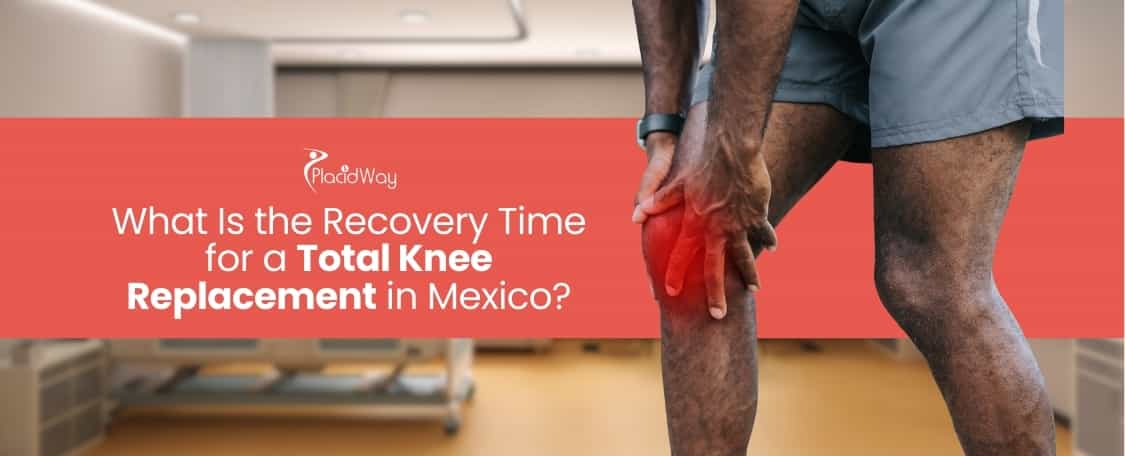
Undergoing a total knee replacement in Mexico is a significant decision that requires careful logistical and medical planning. For many patients experiencing chronic joint pain or advanced osteoarthritis, traveling abroad offers an accessible pathway to regaining mobility. However, understanding the timeline of your rehabilitation is essential for a safe and successful journey.
The recovery process is not instantaneous. It involves a phased approach, beginning with your immediate post-operative care in the hospital, transitioning to a local recovery period at your hotel, and culminating in months of physical therapy once you return home. Managing your expectations regarding timelines, mobility restrictions, and travel constraints will help you prepare effectively for your surgery.
Key Takeaways
- Extended Stay: Patients typically remain in Mexico for 10 to 14 days post-surgery to attend initial physical therapy and surgical follow-ups.
- Hospital Time: The immediate hospital stay generally lasts 2 to 3 nights, focusing on pain management and assisted mobility.
- Flight Safety: Flying home requires medical clearance to minimize the risk of deep vein thrombosis (DVT).
- Long-Term Healing: While daily tasks may become easier after 4 to 6 weeks, full joint strength takes 3 to 6 months to develop.
- Preparation: Securing a local physical therapist in your home country before you travel is critical for continuous post-operative care.
How long do I need to stay in Mexico after knee replacement surgery?
A critical component of medical tourism is allowing sufficient time for immediate recovery before boarding an airplane. Your orthopedic surgeon will monitor the incision site, manage your pain protocols, and evaluate your ability to walk with assistive devices during this period.
Rushing the return trip increases the risk of travel-related complications. During your 10 to 14-day stay, you will typically transition from the hospital to a comfortable local accommodation. Many patients utilize this time to begin localized physical therapy sessions. These early interventions focus on reducing swelling and slowly introducing a gentle range of motion to your new joint.
What does the initial hospital recovery look like?
Immediately following the procedure, you will be taken to a recovery room where medical staff will closely monitor your vital signs as the anesthesia wears off. Pain management is a primary focus during the first 24 to 48 hours. You may receive intravenous (IV) pain medications or a nerve block, which will gradually be transitioned to oral pain relievers.
Nurses will frequently check the surgical dressing, monitor your circulation, and administer prophylactic blood thinners to mitigate the risk of deep vein thrombosis (DVT). You will also be asked to perform simple exercises in bed, such as ankle pumps, to promote blood flow. Within a day, a physical therapist will assist you in standing and walking short distances using a walker.
When can I safely fly home after knee surgery?
Air travel poses a unique set of challenges following major orthopedic surgery. The combination of prolonged sitting, changes in cabin pressure, and decreased mobility elevates the risk of developing deep vein thrombosis. Your surgeon must evaluate your cardiovascular stability and mobility before issuing a "fit-to-fly" certificate.
When you do travel, preparation is vital. You will likely be instructed to wear compression stockings and continue taking prescribed blood thinners. It is advisable to request wheelchair assistance at the airport to avoid long walks and prolonged standing. During the flight, make sure to perform seated leg exercises and, if permitted by the flight crew, take short walks in the aisle to maintain circulation.
How soon will physical therapy begin in Mexico?
Rehabilitation starts almost immediately. Your local physical therapist in Mexico will guide you through passive and active exercises designed to bend and straighten the knee. These early sessions focus on achieving a functional range of motion and teaching you how to properly use assistive devices like crutches or a walker.
Before you are discharged to your hotel, the therapist will ensure you can safely navigate flat surfaces and, if necessary, climb a few stairs. Continuing these exercises daily at your accommodation is crucial. By the time you are ready to fly home, you should have established a structured routine that you will carry forward with your physical therapist in your home country.
What is the typical timeline for returning to normal activities?
Recovery from joint replacement is gradual. Patients often want to know when they can get back to work, drive, or exercise. Here is an estimated timeline, though individual results vary significantly based on age, overall health, and adherence to physical therapy:
| Timeframe | Expected Milestones |
|---|---|
| Weeks 1–3 | Relying on a walker/crutches. Focus on managing pain, swelling, and basic mobility. Sutures are typically removed. |
| Weeks 4–6 | Transitioning to a cane. Resuming light household chores. Some patients may be cleared to drive if the surgical leg is not required for braking. |
| Months 2–3 | Walking unassisted. Returning to sedentary office work. Engaging in low-impact activities like stationary biking or swimming. |
| Months 3–6+ | Continued strengthening. Tissues fully heal. Achieving maximum functional range of motion. |
How do I manage post-operative care and follow-ups once back home?
One of the most important aspects of medical tourism in Mexico is planning your transition of care. Before traveling, it is highly recommended to secure a local physician or physical therapist willing to take over your post-operative rehabilitation. You should ask your clinic in Mexico to provide all surgical notes, implant details, and imaging on a secure digital format to give to your home doctor.
Your local medical team will evaluate your healing progress, track your range of motion, and adjust your physical therapy routine. Consistent outpatient physical therapy—often required two to three times a week for several months—is vital for preventing scar tissue buildup and ensuring the longevity of the knee implant.
What are the potential risks and complications during recovery?
As with any major surgery, a knee replacement involves inherent risks. Patients must be vigilant during recovery and know when to seek immediate medical attention. Being far from your original surgical team means you must rely on local emergency services or orthopedic specialists if complications arise.
Signs that require urgent medical evaluation include:
- A sudden increase in severe pain that is not relieved by medication.
- Redness, heat, or unusual drainage around the incision site, which may indicate an infection.
- A fever exceeding 100.4°F (38°C) or experiencing chills.
- Significant swelling in the calf or thigh, or shortness of breath, which could be signs of a blood clot or pulmonary embolism.
Does the recovery duration affect the total knee replacement cost in Mexico?
When budgeting for treatment abroad, patients often focus primarily on the surgical fee. However, the extended recovery period plays a significant role in calculating the overall estimate. Because you must remain in the country for approximately two weeks, you must factor in the cost of hotel stays, transportation, and daily meals.
Additionally, while some comprehensive medical tourism packages include immediate post-operative physical therapy and follow-up consultations, others may charge these as separate fees. It is essential to request a detailed breakdown from your provider so you understand exactly which recovery services are included in the initial estimate and what out-of-pocket expenses you should expect while staying locally.
How do I prepare my home for recovery before traveling?
Returning home with limited mobility requires advanced planning. You will likely be tired from travel and navigating with a walker or crutches. To ensure a safe environment, take time to modify your home layout before you depart.
Consider moving a bed to the ground floor if you live in a multi-story house, as climbing stairs will be challenging initially. Clear walkways of loose rugs, electrical cords, and clutter to prevent tripping. In the bathroom, a raised toilet seat, a shower chair, and sturdy grab bars can significantly enhance safety and independence. Stocking your pantry with easy-to-prepare meals will also relieve stress during the first few weeks back home.
How do I find a reputable total knee replacement clinic in Mexico?
Selecting a facility goes beyond comparing costs; prioritizing patient safety and verifiable credentials is paramount. Look for hospitals or surgery centers that hold recognized accreditations, such as those from the Joint Commission International (JCI) or the Consejo de Salubridad General (CSG), which dictate stringent standards for patient care and infection control.
Furthermore, it is advisable to research the operating surgeon’s background. Determine if they are board-certified in orthopedics, inquire about their specific experience with total joint arthroplasty, and ask what type of implants they utilize. Open communication regarding their post-operative follow-up protocols is a hallmark of a professional medical institution.
Why Choose PlacidWay for Medical Tourism?
Navigating international healthcare options requires access to reliable information and clear communication. PlacidWay serves as an educational platform and facilitator for patients seeking medical care globally.
- Extensive Directory: PlacidWay provides access to a large global network of clinics, hospitals, and healthcare providers.
- Treatment Comparisons: The platform allows you to compare different facilities, treatment options, and cost estimates in one centralized location.
- Direct Connection: Patients can communicate directly with medical providers to ask clinical questions and request detailed treatment plans.
- Multilingual Support: PlacidWay offers resources and communication assistance in multiple languages to support international patients.
- Informational Resources: The site features detailed guides, patient reviews, and educational content to help you understand various procedures before making a decision.
Frequently Asked Questions (FAQs)
Will I need someone to travel with me to Mexico for my knee replacement?
It is highly recommended to bring a companion. You will have limited mobility during the first few weeks, and a travel partner can help you navigate the airport, manage luggage, and assist with daily tasks at your hotel.
Can I walk immediately after receiving a new knee joint?
You will likely be encouraged to stand and take your first assisted steps within 24 hours of surgery. However, you will need a walking aid, such as a walker or crutches, for balance and support during the initial weeks.
How long will I need crutches or a walker during my recovery?
Most patients rely on a walker or crutches for the first two to three weeks. As your strength and balance improve, your physical therapist will typically help you transition to a cane before you can walk completely unassisted.
Is it safe to ride in a car during the first week after surgery?
Short car rides, such as traveling from the hospital to your hotel in Mexico, are generally safe. However, you should sit in the front seat with your leg extended as much as possible, take breaks on longer trips, and continue taking prescribed blood thinners to prevent blood clots.
When am I allowed to shower after a knee replacement?
You can typically shower once your surgical wound is completely closed, which is often a few days to a week post-surgery. Your surgeon will provide specific instructions based on the type of waterproof dressing or sutures used.
Do I need to buy special medical equipment in Mexico or bring it with me?
Many patients prefer to purchase lightweight equipment like a folding walker or compression socks at home to bring with them. Alternatively, the clinic or your hotel may provide or rent certain mobility aids during your stay.
What happens if I experience a complication after returning home from Mexico?
If you experience complications such as fever, severe pain, or signs of infection after returning home, you should immediately seek care at a local emergency room or from your local orthopedic specialist. Do not wait to contact your international surgeon for urgent issues.
How long does post-operative pain typically last?
Acute surgical pain generally subsides within the first two to three weeks and can be managed with prescribed medications. Mild to moderate discomfort, especially after physical therapy, can linger for several months as tissues continue to heal.
Can I swim or use the hotel pool while recovering in Mexico?
No, you must avoid submerging your knee in pools, hot tubs, or the ocean until your surgeon confirms the incision is completely healed, which typically takes at least four to six weeks. Submerging an unhealed incision significantly increases the risk of infection.
Will my primary care doctor back home accept my post-operative care?
Most local primary care physicians and physical therapists will provide follow-up care. However, it is crucial to establish this relationship and schedule your post-operative appointments before you leave for Mexico.
Compare Treatment Options
Explore globally accredited clinics and gather detailed information to help you make an informed decision regarding your orthopedic care.
Request Treatment InformationReferences
- Total Knee Replacement – American Academy of Orthopaedic Surgeons (AAOS)
- Knee Replacement: About the Procedure – Mayo Clinic
- Medical Tourism Travel Information – Centers for Disease Control and Prevention (CDC)
- Patient Safety and Quality Improvement – Joint Commission International (JCI)
- Preventing Blood Clots After Joint Surgery – Arthritis Foundation
- Knee Replacement Implants Overview – U.S. Food and Drug Administration (FDA)
.jpg)



.png)
.png)
.png)
.png)

.png)
.png)
.png)
.png)












Share this listing