
Understanding Full Body Contouring Packages in Thailand

Navigating the process of securing a full body contouring package in Thailand requires careful planning and a strong focus on medical safety. Thailand has grown into a major destination for individuals seeking surgical body refinement, particularly after massive weight loss or pregnancy. However, combining multiple surgeries is a serious medical undertaking that demands proper preparation, transparent communication with healthcare providers, and realistic expectations regarding recovery.
Key Takeaways
- Thoroughly verify the credentials of any full body contouring clinic in Thailand before paying a deposit.
- Packages often bundle multiple procedures, but surgical plans must be tailored to your individual health limits.
- Anticipate a lengthy stay in the country—usually 3 to 4 weeks—to ensure safe initial healing before flying.
- You will need local medical clearance in your home country both before traveling and upon your return.
- Safety, rather than finding the lowest possible cost, must be the driving factor when engaging in medical tourism in Thailand.
What is included in a full body contouring package in Thailand?
When you book a package, the goal of the clinic is to consolidate the necessary medical expenses into one transparent estimate. This usually covers the heavy logistical aspects of the surgery itself. In comprehensive hospital settings, you will often find that 1 to 3 nights of inpatient hospitalization are built directly into the cost, ensuring you receive round-the-clock nursing care immediately following extensive surgery.
However, it is crucial to clarify exactly what is excluded. Most medical packages do not cover international airfare, long-term hotel accommodation for your extended recovery, or meals outside the hospital. Additionally, while the initial set of compression garments is usually provided, you may need to purchase extra garments and specialized wound care supplies out of pocket. Always request an itemized breakdown so you understand your total financial commitment before making travel arrangements.
How much does full body contouring cost in Thailand?
Cost variations exist because "full body contouring" is not a single operation; it is a highly customized series of procedures. A patient requiring a circumferential body lift and arm reduction will face different costs than someone needing standard liposuction and a breast lift. The complexity of your specific anatomical needs directly influences the time required in the operating room, which is a major driver of the final price.
You also need to factor in the facility type. Internationally accredited hospitals with specialized post-operative care units generally charge more than standalone day clinics, but they provide a safety net that is critical when undergoing multiple combined surgeries. Remember that these figures are estimates. Your final quote will only be determined after a plastic surgeon reviews your photographs, medical history, and specific aesthetic goals.
Am I a suitable candidate for extensive body contouring surgery?
Undergoing extensive surgery requires a strong baseline of physical health. Because contouring procedures often involve prolonged periods under general anesthesia, patients must have healthy cardiovascular and respiratory systems. Your surgeon will likely request a comprehensive metabolic panel, complete blood count (CBC), EKG, and a chest x-ray before approving you for a travel-based surgery.
For individuals who have experienced massive weight loss—whether through diet, exercise, or bariatric surgery—it is generally advised to wait until your weight has plateaued for 6 to 12 months. Operating while you are still actively losing weight can result in new loose skin developing after the procedure. Furthermore, nicotine restricts blood vessels and severely impairs wound healing, so you must commit to being entirely nicotine-free for several weeks before and after surgery to minimize necrosis risks.
How do I choose a safe clinic for multiple surgeries?
When researching options, prioritize facilities that hold recognized accreditations, such as from the Joint Commission International (JCI). This indicates that the hospital or clinic adheres to strict global standards for patient safety, infection control, and medical equipment maintenance. Extensive procedures should take place in a fully equipped hospital rather than a small private office, ensuring that emergency specialists and intensive care units are available if complications arise.
Equally important is the surgeon's pedigree. Look for specialists who are recognized by international plastic surgery organizations like ISAPS (International Society of Aesthetic Plastic Surgery) or the equivalent national medical council in Thailand. Do not hesitate to ask directly about their specific experience with combined contouring surgeries, their complication rates, and what protocols they have in place to limit anesthesia duration.
What procedures are typically combined in these packages?
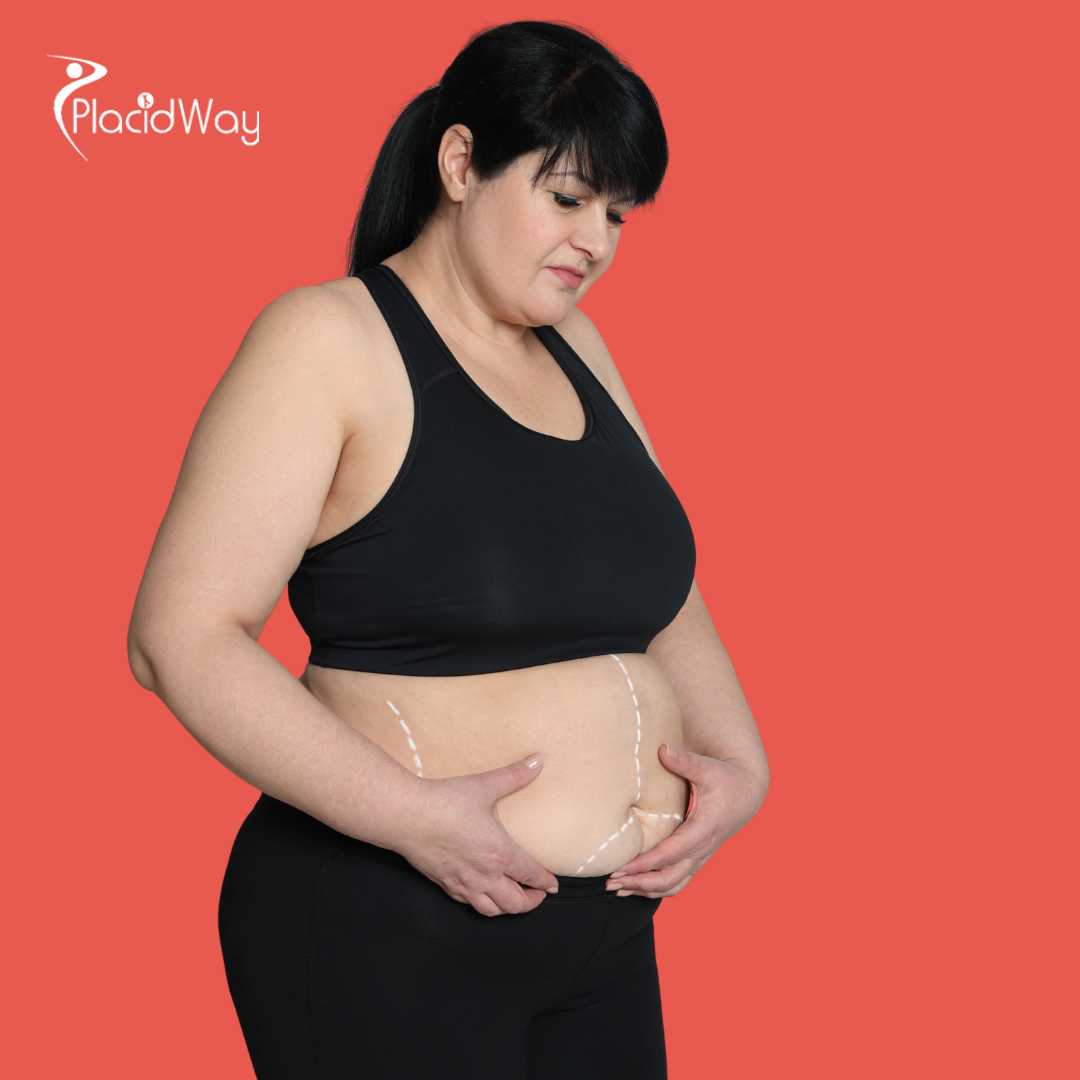
- Abdominoplasty: Removal of excess skin and fat from the middle and lower abdomen, often with muscle repair.
- Breast Refinement: A mastopexy (lift), reduction, or augmentation depending on the patient's anatomy and tissue laxity.
- Liposuction: Used to sculpt stubborn fat pockets on the flanks, back, or thighs to improve overall body proportions.
- Extremity Lifts: Brachioplasty (arm lift) or thigh lifts may be included, though these are sometimes scheduled as a separate surgical stage to avoid overloading the body.
- Panniculectomy: Specifically for massive weight loss patients to remove the overhanging "apron" of lower abdominal skin.
A responsible surgeon will strictly limit the total time you spend on the operating table—often capping it at 4 to 6 hours. If your aesthetic goals require more time than is medically safe, your surgeon will likely suggest breaking the package down into multiple separate surgeries staged months apart.
How long do I need to stay in Thailand for recovery?
Recovery from extensive body contouring is a slow and demanding process. For the first few days, your mobility will be highly restricted, and you will likely need assistance getting out of bed, using the restroom, and managing surgical drains. This is why the first few nights are usually spent in a hospital bed under professional supervision.
Once discharged to your hotel or a specialized recovery center, you will still require frequent check-ins with your surgical team. They need to monitor your incisions for signs of infection, remove drains when fluid output decreases, and remove sutures. Flying too soon after major surgery drastically increases the risk of deep vein thrombosis (DVT) and pulmonary embolism. Your surgeon will need to issue a medical "fit to fly" certificate before you can safely board a long-haul flight home.
What are the risks of combining multiple cosmetic surgeries?
Every surgery carries risks, but those risks multiply when multiple procedures are performed simultaneously. Prolonged anesthesia puts additional strain on your heart and lungs. The extensive nature of the incisions creates a larger area susceptible to infection and delayed wound healing. Fluid shifts during large-volume liposuction and skin removal can also impact your body's hemodynamic stability, sometimes necessitating blood transfusions.
Furthermore, recovery becomes more complex. For instance, if you have surgery on both your abdomen and your back, finding a comfortable position to rest can be exceedingly difficult. It is vital to discuss these risks openly with your chosen provider. A reputable medical professional will always prioritize your physiological safety over achieving all aesthetic goals in a single trip.
How should I prepare for a medical trip to Thailand?
Start by consulting your primary care physician at home to discuss your travel and surgery plans. They can help perform the necessary pre-operative bloodwork and cardiac tests required by your Thai surgeon. You will also need to review your current medications; certain supplements, herbal teas, anti-inflammatory drugs (like ibuprofen), and blood thinners must be paused weeks in advance to reduce bleeding risks.
Logistically, check your visa requirements. Depending on your nationality, a standard tourist exemption might not cover the 3 to 4 weeks you need in the country, meaning you may have to apply for a medical tourist visa. Finally, plan your post-hospital accommodation carefully—ensure it has an elevator, an accessible shower, and is relatively close to the clinic for your follow-up visits.
What happens if I experience complications after returning home?
One of the most complex aspects of medical tourism is navigating post-operative care once you leave the destination country. While your Thai surgeon may offer virtual check-ins via video call, they cannot physically examine an opening incision, drain a seroma, or prescribe local antibiotics if an infection develops a month later.
Before you depart Thailand, request a complete, translated copy of your medical records. This file should include the surgical report, anesthesia details, records of any implants used (including serial numbers), and a summary of your post-operative care. Hand this file over to your local primary care physician so they have a clear understanding of the trauma your body has undergone and can intervene promptly if you experience prolonged swelling, fever, or severe pain.
Why Choose PlacidWay for Medical Tourism?
Navigating international healthcare options can be overwhelming. PlacidWay provides resources to help patients organize their medical journeys effectively.
- Extensive Provider Network: Access a directory of internationally recognized clinics and medical centers across multiple continents.
- Educational Resources: Utilize articles, guides, and checklists to understand procedures, preparation, and international health protocols.
- Direct Communication: Use the platform to connect directly with medical facilities, allowing you to ask questions and request individualized quotes.
- Transparent Information: Access facility accreditations, surgeon profiles, and available medical technologies all in one centralized location.
- Non-Pressuring Environment: Explore options and gather information at your own pace without obligation to proceed until you are fully ready.
Frequently Asked Questions
Can I break my full body contouring into multiple trips?
Yes, many plastic surgeons highly recommend breaking extensive full body contouring into two or more separate surgical trips. This approach reduces the time spent under anesthesia in a single session, significantly lowering the risks of complications like deep vein thrombosis or severe blood loss.
What is the maximum BMI allowed for body contouring in Thailand?
While limits vary by clinic and specific surgical plans, most board-certified surgeons prefer patients to have a Body Mass Index (BMI) below 30 for extensive contouring. Some may evaluate patients with a BMI up to 32 on a case-by-case basis, but a higher BMI generally increases anesthesia and surgical risks.
Will I need a blood transfusion during extensive surgery?
Extensive body contouring, particularly when multiple areas of liposuction and skin excision are involved, can lead to significant blood loss. Surgeons monitor blood levels closely, and while transfusions are not always necessary, you will be typed and cross-matched for blood before surgery just in case.
Do full body contouring packages include flights to Thailand?
No, medical packages rarely include international airfare. Patients are responsible for booking their own flights. Some premium packages might include airport transfers to your hotel or hospital upon arrival in Thailand.
Is it safe to travel alone for full body contouring?
It is generally not recommended to travel alone for multiple combined procedures. Recovery involves restricted mobility, and having a friend or family member to help you navigate the hotel, manage medications, and provide emotional support is crucial. Some patients hire private local nursing care if they must travel alone.
How soon can I go to the beach or swim in Thailand after surgery?
Patients must avoid swimming in pools, oceans, or using hot tubs until all incisions are fully closed and cleared by their surgeon—usually a minimum of 4 to 6 weeks. Sun exposure on healing scars must also be avoided for several months to prevent permanent hyperpigmentation.
What type of anesthesia is used for full body contouring?
Full body contouring involving multiple large areas is performed under general anesthesia, administered and continuously monitored by a qualified anesthesiologist in a fully equipped hospital setting.
Can massive weight loss patients get full body contouring in Thailand?
Yes, many clinics specialize in post-bariatric or massive weight loss body contouring. These patients often require specialized techniques, such as a lower body lift or circumferential abdominoplasty, to address significant loose skin.
How do I handle language barriers with medical staff in Thailand?
Major hospitals and clinics catering to international patients usually have fluent English-speaking doctors. Many also employ dedicated international departments with medical interpreters available in various languages to ensure clear communication.
Are compression garments provided in contouring packages?
Most comprehensive packages include the first set of medical-grade compression garments required immediately after surgery. However, patients often need to purchase additional sets to wear while washing the primary garments, as they must be worn continuously for several weeks.
Compare Treatment Options
Ready to explore your options for body contouring abroad? Connect with internationally accredited clinics and request detailed information to help you make an informed decision.
Request Treatment InformationReferences
- Body Contouring After Major Weight Loss – American Society of Plastic Surgeons (ASPS)
- Surgical Body Procedures Overview – International Society of Aesthetic Plastic Surgery (ISAPS)
- Medical Tourism and Safe Travel Guidelines – Centers for Disease Control and Prevention (CDC)
- International Patient Safety Goals – Joint Commission International (JCI)
- Health and International Travel – World Health Organization (WHO)
- Deep Vein Thrombosis and Pulmonary Embolism in Plastic Surgery – ASPS Patient Safety


























Share this listing