


Guide to Choosing the Best Smile Makeover Clinic in Colombia
.jpg)
Key Takeaways
- Always verify that the dentist holds specialty training in prosthodontics or cosmetic dentistry, rather than just general dentistry.
- Request detailed, written treatment plans before traveling to understand the timeline, risks, and required follow-up.
- Ensure the clinic communicates clearly in your native language to avoid misunderstandings regarding your health and aesthetic goals.
- Plan your logistics carefully; certain procedures require multiple visits, which affects your overall budget and travel time.
- Arrange for local dental support in your home country before you leave, in case you need adjustments after returning.
Combining aesthetic dental care with travel has become increasingly popular, drawing patients from North America and Europe to South America. As you consider a smile makeover in Colombia, knowing how to vet facilities, understand credentials, and evaluate your own health needs can help you make a more informed, comfortable decision.
A "smile makeover" is not a single procedure. It is a customized combination of treatments that may include veneers, crowns, implants, teeth whitening, or gum contouring. Because the process is highly individualized, choosing the right provider requires thorough research. The guide below breaks down the most critical questions patients face when exploring international dental care.
What should I look for in a Colombian cosmetic dentist's credentials?
Evaluating credentials is the first step in assessing any dental provider. A general dentist can legally perform many cosmetic procedures, but specialists like prosthodontists undergo years of additional training specifically focused on restoring and replacing teeth. This advanced education is crucial when planning complex, multi-tooth reconstructions.
You can verify a dentist's background by checking their educational history, asking where they completed their specialty training, and seeing if they participate in ongoing global education. Many dentists catering to international patients actively display their credentials and affiliations on their websites.
Do not hesitate to ask a clinic for the specific registration numbers or licensing details of the dentist who will be performing your procedure. Cross-referencing this information with local dental boards can provide an added layer of confidence.
How can I verify the quality of a smile makeover clinic in Colombia?
When assessing a facility from afar, visual evidence and patient experiences are vital tools. A reputable clinic will gladly provide extensive portfolios showing their previous work. Look for cases similar to your own and pay attention to how natural the results appear.
- Sterilization standards: Ask the clinic if they follow guidelines set by international bodies like the CDC or the FDI World Dental Federation. You have the right to know how they sterilize instruments and maintain a safe environment.
- Technology: Modern clinics should utilize digital dentistry tools, such as 3D CBCT scanners, intraoral scanners, and CAD/CAM milling machines. This technology often leads to more precise diagnostics and better-fitting restorations.
- Transparency: High-quality clinics provide clear, straightforward answers. If a clinic avoids answering direct questions about materials or risks, consider looking elsewhere.
What treatments are typically included in a smile makeover?
Because every patient starts with a different baseline of oral health, no two makeovers are identical. A comprehensive evaluation by a qualified dentist will determine which procedures are suitable for you. If you have underlying issues like gum disease or tooth decay, these must be treated before any cosmetic work begins.
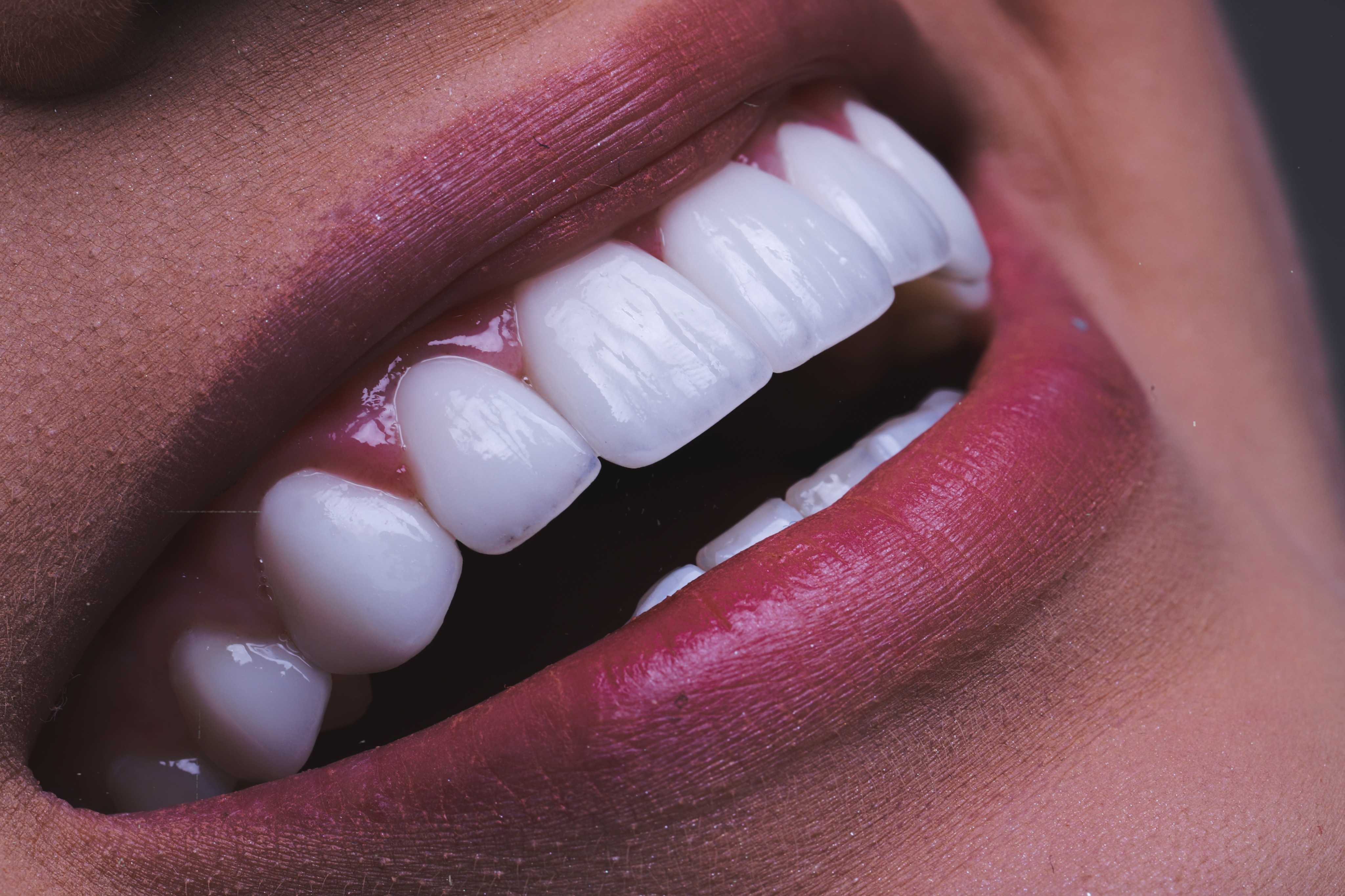
Veneers are often the foundation of aesthetic makeovers. These thin shells of porcelain cover the front surface of the teeth to correct color, shape, and alignment. If teeth are heavily damaged, crowns may be required instead, as they cover the entire tooth structure to provide strength.
For missing teeth, dental implants are usually the preferred long-term solution. Keep in mind that combining surgical procedures (like implants) with cosmetic ones (like veneers) will dictate your treatment timeline and travel schedule.
How much does a smile makeover cost in Colombia compared to the US?
Cost is a primary driver for patients seeking care abroad. The lower prices are generally a result of lower local living costs, reduced administrative overhead, and different malpractice insurance structures, rather than a decrease in material quality. However, it is essential to remember that prices vary widely between clinics, cities, and specific dental brands used.
| Procedure (Per Tooth) | Estimated US/Canada Cost | Estimated Colombia Cost |
|---|---|---|
| Porcelain Veneer | $1,000 - $2,500 | $350 - $600 |
| Zirconia Crown | $1,200 - $3,000 | $400 - $700 |
| Dental Implant (w/ Crown) | $3,000 - $5,000+ | $900 - $1,500 |
Are language barriers an issue when getting dental work in Colombia?
Clear communication is non-negotiable in medical and dental care. You need to be able to accurately describe your symptoms, understand the proposed treatment plan, discuss risks, and follow aftercare instructions perfectly. Miscommunications can lead to outcomes that do not match your expectations.
When initially contacting a clinic, evaluate their communication skills. Are their emails clear and comprehensive? Do they offer a video consultation with the dentist in English? If a clinic relies heavily on a single translator rather than the medical team speaking your language, consider how that might impact your comfort level while sitting in the dental chair.
What technology should a modern dental clinic offer?
Advancements in dental technology have significantly improved the precision and speed of complex restorative work. An in-house laboratory, for instance, allows the dentist and the ceramist to collaborate in real-time. This often results in better color matching and faster adjustments, which is highly beneficial for patients on a tight travel schedule.
3D imaging (CBCT) is particularly vital if your smile makeover includes dental implants. This technology allows the dentist to evaluate your bone density and map out the exact placement of the implant, reducing surgical risks and improving long-term success rates.
How do I handle consultations before traveling for medical tourism in Colombia?
To get a realistic treatment plan and cost estimate before buying a plane ticket, you must provide the clinic with comprehensive diagnostic information. Simply describing your dental issues over the phone is not enough for a dentist to determine your suitability for treatment.
You can usually obtain panoramic X-rays from your local dentist. Once the Colombian clinic's medical team reviews your files, they can outline the feasible options. However, you must understand that virtual evaluations have limitations. The final treatment plan can only be confirmed after an in-person clinical examination, and costs or timelines may shift if the dentist discovers underlying issues, such as hidden decay or inadequate bone volume.
What are the risks of traveling abroad for extensive dental work?
No medical or dental procedure is entirely free of risk, regardless of where it is performed. Complications such as infection, implant failure, or dissatisfaction with the aesthetic result can occur. When you factor in travel, these risks carry different logistical challenges.
- Follow-up limitations: If a veneer chips or an implant feels loose three weeks after you get home, you cannot easily drive back to your treating dentist. You will likely need to find a local dentist willing to work on restorations placed abroad, which can incur additional domestic costs.
- Rushed timelines: There can be pressure to condense months of necessary healing time into a two-week vacation. Reputable dentists will refuse to rush biological healing processes, even if it means you must make multiple trips.
- Travel stress: Navigating a foreign city while recovering from extractions or surgical implant placement can be exhausting and uncomfortable.
How long will I need to stay in Colombia for my treatment?
Your travel timeline is dictated entirely by the type of work you need. For veneers, the process usually involves an initial consultation and tooth preparation, followed by a waiting period of a few days while the laboratory crafts the restorations. The final appointment involves the permanent bonding of the veneers.
If you require implants, the biological process of osseointegration (where the bone fuses to the titanium post) cannot be rushed. The first trip involves placing the implant. You must then wait several months before returning for the second trip to have the permanent crowns attached. Attempting to speed up this process can drastically increase the risk of implant failure.
What kind of aftercare is necessary once I return home?
A smile makeover is an investment that requires long-term maintenance. Porcelain restorations are strong but not indestructible. Chewing on ice, biting nails, or using your teeth to open packaging can chip or dislodge veneers and crowns. If you have a history of grinding your teeth (bruxism), your dentist will likely recommend a custom night guard to protect your new smile while you sleep.
Routine check-ups back home are essential. Your local dentist will need to monitor the health of your gums and the integrity of the restorations. Establishing a relationship with a local provider before you leave for Colombia is a proactive way to ensure seamless aftercare.
Why Choose PlacidWay for Medical Tourism in Colombia?
Navigating international healthcare can be complex. PlacidWay offers resources to help you research and compare dental providers effectively.
Extensive Provider Profiles
Access detailed information about clinic facilities, dental technologies, and available services across multiple Colombian cities.
Direct Clinic Communication
PlacidWay facilitates direct contact between patients and dental clinics, allowing you to ask specific medical questions and request personalized quotes.
Educational Resources
Utilize patient guides, cost comparisons, and procedural information to better understand what a smile makeover entails.
Transparent Comparisons
Review different facilities side-by-side to evaluate their credentials, listed services, and international patient focus.
Global Network
In addition to Colombia, explore options across a wide network of international dental hubs to find the right fit for your budget and needs.
Frequently Asked Questions
Is Colombia safe for dental tourists?
Many major cities in Colombia have established safe zones popular with international patients. However, like any travel destination, safety depends on your specific location and awareness. Always follow travel advisories, stay in recommended areas, and consult your clinic about safe transportation.
Can I get my entire smile makeover done in one trip?
This depends entirely on the procedures involved. Veneers and crowns can often be completed in a single trip of one to two weeks. However, if your treatment requires dental implants, you will typically need two separate trips spaced several months apart to allow the jawbone to heal.
Do Colombian clinics use the same materials as dentists in the US or UK?
Many clinics catering to international patients use globally recognized brands for implants, crowns, and veneers. When researching clinics, ask specifically which international brands and material grades they use to ensure they align with standard global practices.
What happens if I experience a complication after returning home?
Complications can occur after any dental procedure. It is crucial to have a local dentist at home who knows you traveled for care and is willing to help with follow-up or emergencies. You should also ask your Colombian clinic about their specific policies regarding international complications.
Are dental veneers or implants better for a smile makeover?
Neither is universally better; they serve different purposes. Veneers are cosmetic shells placed over existing teeth to improve shape and color. Implants are surgical replacements for missing teeth. A dentist must evaluate your oral health to determine which combination suits your specific needs.
How soon can I fly after getting dental implants or major extractions?
Most dentists recommend waiting at least two to three days before flying after extractions or implant surgery to reduce the risk of bleeding, swelling, and discomfort caused by cabin pressure changes. Always follow your treating dentist's specific timeline.
Can I finance my dental treatment abroad?
While traditional domestic health financing companies usually do not cover international care, some medical tourism platforms and international clinics offer third-party payment plans. You can also explore personal loans or dedicated medical tourism financing options.
Do clinics in Bogota differ from those in Medellin or Cartagena?
The quality of care depends on the specific clinic rather than the city. Bogota and Medellin are major metropolitan hubs with large concentrations of specialists. Cartagena is a popular coastal destination, often blending vacation time with cosmetic dental treatments. All three host facilities experienced with international patients.
What is the typical recovery time for a smile makeover?
Recovery varies wildly based on the procedures. Simple whitening or non-prep veneers may have almost no downtime. Traditional veneers might cause sensitivity for a few days. Surgical procedures like implants require several days of initial healing and months of bone integration.
Do I need a visa to travel to Colombia for dental care?
Citizens of many countries, including the US, Canada, and most European nations, do not need a visa for short-term visits (usually up to 90 days) to Colombia. However, passport and entry requirements change, so always check with your local Colombian consulate before booking flights.
Compare Treatment Options Today
Take the next step in researching your dental care journey. Request more information, compare clinics, and explore potential treatment plans.
Request Treatment InformationReferences
- Medical Tourism: Travel for Medical Care – Centers for Disease Control and Prevention (CDC)
- Veneers – American Dental Association (ADA)
- Infection Prevention and Control in Dental Practice – FDI World Dental Federation
- Colombia International Travel Information – U.S. Department of State
- Tooth Decay (Caries) – National Institute of Dental and Craniofacial Research (NIDCR)
- Patient Resources for Cosmetic Dentistry – American Academy of Cosmetic Dentistry (AACD)
(26).jpg)





.png)
.png)



.jpg)
-(1).png)

.png)









Share this listing