
A Guide to Meniscus Repair Surgery in Mexico
Knee pain caused by a torn meniscus can severely disrupt your mobility, keeping you away from the activities you love and making everyday tasks feel daunting. For many patients, preserving the native knee cartilage through surgical repair is the preferred route over removal. However, finding accessible, timely, and affordable care close to home can be challenging. As a result, countless individuals explore cross-border healthcare options.
Key Takeaways
- Safety levels depend heavily on selecting internationally accredited hospitals and board-certified orthopedic surgeons.
- The procedure focuses on suturing torn cartilage rather than removing it, demanding specialized surgical skills and a longer recovery.
- Traveling across borders requires strict planning for limited mobility and the prevention of blood clots during flights.
- You must establish a post-operative care and physical therapy plan in your home country before you travel.
- Cost estimates are often significantly lower than North American averages, but variations exist based on clinical needs.
What are the safety standards for orthopedic procedures in Mexico?
The healthcare landscape varies considerably across regions. Facilities that cater heavily to international patients often maintain rigorous safety and hygiene standards comparable to those found in the US and Canada. You can identify these higher-tier institutions by looking for national certifications from the Consejo de Salubridad General (CSG), which is the Mexican equivalent of the Joint Commission. Some elite facilities take it a step further by securing Joint Commission International (JCI) accreditation.
Safety is not just about the building; it is primarily about the medical professionals operating inside it. Leading orthopedic surgeons in major healthcare hubs undergo extensive medical training, often completing fellowships in sports medicine or arthroscopic surgery abroad. They typically hold board certification from the Mexican Council of Orthopedics and Traumatology. Evaluating the specific background, clinical experience, and complication rates of your prospective surgeon is the most effective way to assess safety.
How much does meniscus repair cost in Mexico on average?
Affordability is a major driver for patients exploring cross-border healthcare. In the United States, patients paying out-of-pocket or dealing with high-deductible insurance plans might face bills exceeding $10,000 for outpatient knee surgery. In contrast, Mexican facilities benefit from lower administrative overhead, reduced domestic medication costs, and different malpractice insurance structures, which allows them to offer services at a more accessible price point.
When reviewing a quote, you should ask for a comprehensive breakdown. A transparent estimate ought to encompass the surgeon's fee, anesthesiology, operating room time, specialized arthroscopic equipment, and standard surgical supplies (like the sutures used for the repair). Remember that your total expenditure will also include travel expenses, accessible hotel accommodations, and months of post-operative physical therapy once you return home.
Am I a suitable candidate for a meniscus repair?
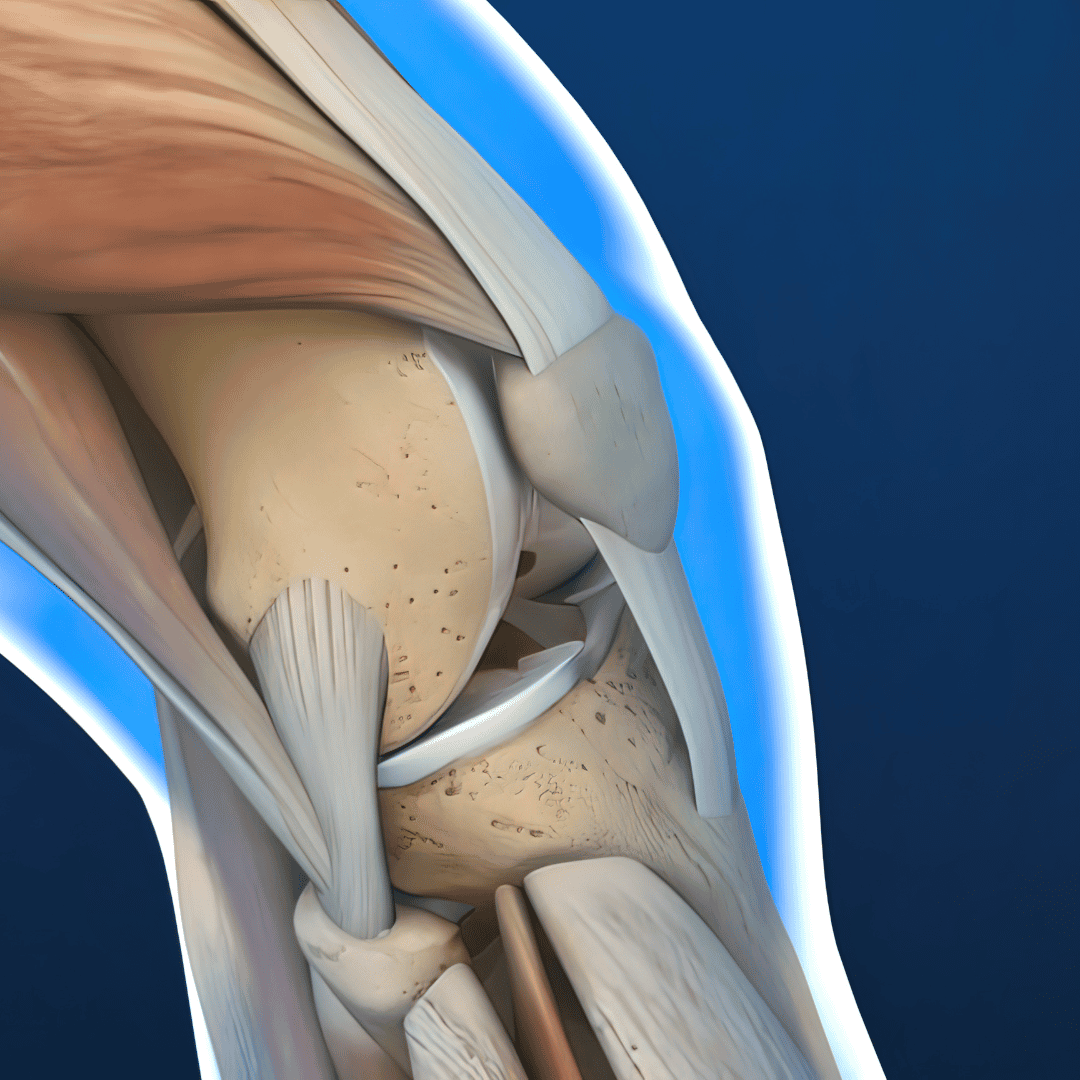
The meniscus is a C-shaped piece of tough, rubbery cartilage that acts as a shock absorber between your shinbone and thighbone. Not all tears can be repaired. Cartilage requires a robust blood supply to heal properly after being stitched back together. The outer edge of the meniscus, known as the "red zone," has a rich blood supply, making tears in this area excellent candidates for repair.
Conversely, the inner two-thirds of the meniscus, called the "white zone," lacks a direct blood supply. Tears in this region struggle to heal even if they are surgically repaired. In these cases, a surgeon may recommend a partial meniscectomy—trimming away the damaged tissue—instead of a repair. A comprehensive evaluation of your MRI results by a qualified orthopedic specialist is necessary to determine if a repair is medically appropriate for your specific injury.
How do I identify a reputable meniscus repair clinic in Mexico?
Thorough vetting is your most important task when considering medical travel. Start by requesting the curriculum vitae (CV) of the surgeon who will be performing your procedure. Look for specialized training in arthroscopy and sports medicine. A credible facility will be completely transparent about their team's qualifications and will willingly provide documentation of their facility accreditations.
Additionally, the clinic should have a structured protocol for international patients. This includes pre-operative tele-consultations where you can discuss your MRI results directly with the surgeon, clear guidelines for surgical preparation, and a well-defined aftercare plan for the days you spend recovering in the city before your flight home. If a clinic rushes you into booking or avoids answering specific medical questions, consider that a red flag.
What surgical techniques are typically used by Mexican orthopedic surgeons?
Arthroscopy is the global gold standard for treating meniscus injuries. Instead of making a large incision to open the knee joint, the surgeon creates two or three small punctures (portals). An arthroscope, a small tube containing a camera and a light source, is inserted into one portal, projecting a clear, magnified image of the inside of the knee onto a monitor.
Once the tear is located and assessed, the surgeon decides on the best suturing method. Common techniques include "inside-out," "outside-in," and "all-inside" repairs. The choice of technique depends entirely on where the tear is situated and its specific pattern (such as a bucket-handle tear or a longitudinal tear). By using these minimally invasive methods, surgeons can minimize damage to surrounding tissues, which often results in less post-operative pain and a more streamlined initial recovery phase.
What are the potential risks and complications of knee surgery abroad?
No surgical intervention is entirely risk-free. While arthroscopic procedures have an excellent safety profile, complications can occur. One of the most significant specific risks of a meniscus repair is non-healing. Because blood supply to the cartilage is limited, the tissues may simply fail to fuse together over time, which might necessitate a second surgery later on to remove the unhealed fragments.
Traveling for surgery adds another layer of risk. Prolonged immobility during flights, combined with a recent lower-extremity surgery, increases the chance of developing Deep Vein Thrombosis (DVT)—a dangerous blood clot in the leg. Patients must discuss DVT prevention strategies with their surgeon, which may include wearing compression stockings, performing specific ankle exercises during travel, or taking prescribed blood thinners for a short period.
How long should I plan to stay in Mexico after the procedure?
Rushing home immediately after joint surgery is strongly discouraged. The first few days are critical for managing pain, monitoring the surgical portals for signs of infection, and getting accustomed to moving with crutches and a knee immobilizer brace. Your surgeon will want to observe your early progress to ensure there are no immediate complications.
Usually, around the 7 to 10-day mark, you will attend a follow-up appointment where the surgeon may remove your external sutures and assess the reduction of swelling in the joint. Only after receiving official medical clearance should you attempt the physical rigors of navigating airports and enduring the cramped conditions of commercial air travel. You should book a hotel with accessible features, such as ground-floor rooms or reliable elevators and walk-in showers.
What does the immediate recovery and rehabilitation process involve?
Rehabilitation is arguably as important as the surgery itself. Unlike a meniscectomy, where recovery is relatively rapid, a meniscus repair requires significant patience. For the first four to six weeks, your primary job is to protect the repair while the cartilage slowly heals. Your surgeon will provide strict guidelines detailing exactly how much weight you can put on the leg and what range of motion is safely allowed.
Physical therapy begins gently, focusing on reducing swelling and activating the quadriceps muscles without stressing the joint. As the weeks progress, therapy will intensify to restore full range of motion, build strength in the surrounding leg muscles, and eventually reintroduce functional movements. A full return to high-impact sports or heavy physical labor can take four to six months of dedicated rehabilitation.
How do I handle my post-operative care once I return home?
Continuity of care is the biggest logistical hurdle in international medicine. Before you ever board a plane for surgery, you should identify a physical therapy center near your home that is willing to work with the protocols provided by your international surgeon. Your Mexican surgical team will provide you with a detailed operative report, imaging files, and a step-by-step rehabilitation timeline.
Additionally, you need a plan for medical complications. If you develop a fever, excessive swelling, or acute pain weeks after returning home, you cannot simply fly back to your surgeon for a quick check-up. Establishing a relationship with a local primary care physician or orthopedist who understands your medical travel choices ensures you have immediate access to care if delayed complications arise.
How does medical tourism in Mexico work for orthopedic patients?
Participating in medical tourism involves much more than booking a flight and a surgical date. For orthopedic patients, the logistics of movement become the primary challenge. You must consider how you will get from the airport to your hotel, from the hotel to the clinic, and back again, all while relying on crutches. Many patients travel with a companion who can assist with luggage, meals, and mobility during the early days of recovery.
When planning, prioritize direct flights whenever possible to minimize walking through expansive airport terminals during layovers. Arrange for wheelchair assistance at the airport well in advance. Keep in mind that international borders, even for medical travel, require a valid passport and compliance with current entry requirements. Thoughtful preparation reduces stress, allowing you to focus your energy entirely on healing your knee.
Why Choose PlacidWay for Medical Tourism?
PlacidWay is a health and wellness resource platform that helps patients navigate their international healthcare options. When researching procedures abroad, PlacidWay offers several practical tools:
Frequently Asked Questions
Does meniscus repair always work?
Not always. While many patients experience excellent outcomes, the meniscus can fail to heal properly, especially if the tear was in an area with poor blood supply or if postoperative rehabilitation protocols were not strictly followed.
Can I walk immediately after meniscus repair in Mexico?
No. Unlike a meniscectomy where the damaged tissue is removed, a repair requires time for the stitched tissue to heal. You will typically need to use crutches and a knee brace to limit weight-bearing and movement for several weeks.
Is a meniscus repair the same as a meniscectomy?
No. A meniscus repair involves suturing the torn cartilage back together to preserve it, while a meniscectomy involves trimming away the damaged portions of the meniscus. Repairs require a much longer recovery time.
Do I need an MRI before scheduling surgery in Mexico?
Yes, an MRI is standard practice. It provides detailed images of the soft tissues in your knee, allowing the orthopedic surgeon to confirm the location, size, and pattern of the tear to determine if it is repairable.
Will my domestic health insurance cover surgery in Mexico?
Most US and Canadian domestic health insurance plans do not cover elective procedures performed internationally. Patients usually pay out-of-pocket, though some specialized employer medical tourism plans may offer coverage.
Can I travel by plane with a recovering knee?
Flying is possible but requires clearance from your surgeon. You will face challenges with limited legroom, navigating airports on crutches, and an increased risk of deep vein thrombosis (DVT) due to immobility and altitude.
How long does the arthroscopic surgery usually take?
The procedure itself typically takes between one and two hours, depending on the complexity of the tear and the specific surgical technique required to anchor the sutures.
What kind of anesthesia is used for this procedure?
Meniscus repair is often performed under regional anesthesia (like a spinal block) combined with sedation, or occasionally under general anesthesia, depending on the surgeon's recommendation and patient health history.
Are Mexican orthopedic surgeons board-certified?
Many practicing in established medical tourism sectors are certified by the Mexican Council of Orthopedics and Traumatology. Some also hold international memberships with organizations in North America or Europe.
What happens if I experience complications after flying home?
If complications arise after returning home, you must seek immediate care from a local healthcare provider or emergency room. It is vital to establish a relationship with a local orthopedic specialist before you travel for exactly this reason.
Compare Treatment Options
Gather more information about orthopedic specialists, review facility accreditations, and explore estimates to make an educated decision about your knee care.
Request Treatment InformationReferences
- Meniscus Tears – American Academy of Orthopaedic Surgeons (AAOS)
- Torn Meniscus Diagnosis & Treatment – Mayo Clinic
- Medical Tourism travel guidelines – Centers for Disease Control and Prevention (CDC)
- Knee Arthroscopy Procedures – Johns Hopkins Medicine
- Accreditation Standards for International Hospitals – Joint Commission International (JCI)
- Arthroscopy and Knee Surgery Information – International Society of Arthroscopy, Knee Surgery and Orthopaedic Sports Medicine (ISAKOS)
- Travel and Deep Vein Thrombosis (DVT) Risks – World Health Organization (WHO)






















Share this listing