
A Guide to Knee Replacement Surgery in Cabo San Lucas, Mexico
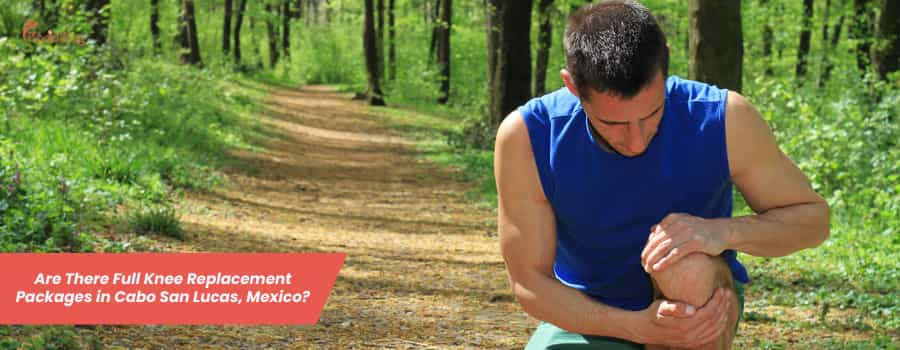
If you are exploring options for joint surgery abroad, you might be wondering about the availability of a full knee replacement in Cabo San Lucas, Mexico. Over the past decade, medical travel has expanded significantly, and patients seeking relief from chronic knee pain are increasingly looking across borders for orthopedic care. Cabo San Lucas offers a combination of private healthcare facilities and a warm environment for early recovery, making it a viable consideration for suitable candidates.
A full knee replacement, medically known as total knee arthroplasty, is a major surgical procedure designed to replace a severely damaged or arthritic knee joint with an artificial implant. Because the surgery involves significant preparation, specialized surgical skill, and a dedicated rehabilitation period, understanding exactly what these international packages entail is critical to making an informed health decision.
Key Takeaways
- Medical packages generally bundle surgical fees, anesthesia, standard implants, and a brief hospital stay.
- Estimated costs are typically lower than equivalent uninsured procedures in the United States or Canada.
- Thorough preoperative screening by a local physician is required to ensure you are healthy enough for surgery and travel.
- Patients must plan for an extended stay in the destination to begin physical therapy and monitor for postoperative complications.
- Securing local follow-up care in your home country before you travel is a vital step for long-term recovery.
What is typically included in a full knee replacement package in Cabo San Lucas?
When evaluating a treatment package, it is essential to request a fully itemized breakdown from the facility. Standard packages are designed to cover the clinical necessities of the procedure itself. The hospital stay included is typically two to three nights, during which nurses monitor your vital signs, manage your pain, and help you take your first steps with a walker.
However, not everything is included. Patients must be aware of what falls outside the scope of a standard medical bundle. Upgraded implants, extended hospital stays due to unexpected complications, complex preoperative cardiovascular testing, and long-term physical therapy usually incur additional costs.
| Typically Included | Typically Excluded |
|---|---|
| Surgeon and anesthesiologist fees | Airfare and local hotel accommodations |
| Operating room and nursing staff | Treatment for unforeseen medical complications |
| Standard artificial knee implant | Long-term outpatient physical therapy |
| 2 to 3 nights in the hospital | Post-discharge prescription medications |
How much does a full knee replacement cost in Cabo San Lucas, Mexico?
Understanding the financial aspect of traveling for surgery requires looking at the total cost of care, rather than just the surgical fee. While the procedure itself often presents a lower estimated cost compared to average uninsured rates in the United States, patients must budget for travel, extended accommodation, and the cost of bringing a travel companion to assist during early recovery.
The specific price you are quoted will depend on the brand of the prosthesis, the complexity of your joint deterioration, and the facility's fee structure. It is important to ask the clinic if their quote is a fixed package price or an estimate that could change if additional surgical time or specialized materials are needed during the operation.
Who is an ideal candidate for knee replacement surgery abroad?
Total knee arthroplasty is generally recommended for patients suffering from advanced osteoarthritis, rheumatoid arthritis, or post-traumatic arthritis where the cartilage has worn away entirely, resulting in bone-on-bone friction. Candidates have typically tried conservative management, such as physical therapy, weight loss, anti-inflammatory medications, and corticosteroid injections, without achieving sufficient pain relief.
Traveling for surgery adds an additional layer of medical requirements. Candidates must have a stable medical history without severe active heart disease, uncontrolled diabetes, or a history of blood clotting disorders. Because flying increases the risk of deep vein thrombosis (DVT), a thorough preoperative assessment by your primary care physician at home is a necessary step to confirm you are fit for both the surgery and the travel.
Important Consideration
Never discontinue your current medications or attempt to self-diagnose your joint condition. Only a qualified orthopedic specialist can determine if knee replacement surgery is the correct intervention for your specific anatomy and symptoms.
What happens during a total knee arthroplasty procedure?
The procedure typically takes between one and two hours. Once anesthesia is administered, the surgeon makes an incision over the front of the knee to expose the joint. The damaged surfaces at the end of the femur (thigh bone) and the top of the tibia (shin bone) are cut away. The surgeon prepares the bone surfaces to exact specifications so the artificial implant will fit securely.
The metal components are then attached to the bone, often using specialized surgical bone cement. A medical-grade plastic spacer is inserted between the metal parts to create a smooth gliding surface, replicating the function of natural cartilage. Finally, the surgeon may resurface the underside of the kneecap (patella) with a plastic button before closing the incision with stitches or surgical staples.
How long should I plan to stay in Cabo San Lucas for recovery?
The immediate recovery phase is critical for the long-term success of the implant. After spending two to three days in the hospital, you will transition to a local hotel or recovery facility. During this time, you will not be bedridden; instead, you will begin daily physical therapy exercises designed to strengthen the leg muscles and restore range of motion.
The primary reason surgeons require patients to stay in the area is to monitor for early signs of complications, particularly infection and deep vein thrombosis. Flying too soon after major lower-extremity surgery significantly heightens the risk of dangerous blood clots. You must receive explicit medical clearance from your operating surgeon before boarding an airplane for your return journey.
How do I choose a safe full knee replacement clinic in Cabo San Lucas, Mexico?
When researching a full knee replacement clinic in Cabo San Lucas, Mexico, prioritize medical credentials over promotional materials. Look for orthopedic surgeons who have completed specialized fellowships in joint replacement and maintain active memberships in recognized orthopedic boards or medical societies. Facilities that adhere to high standards often hold accreditations from the Mexican General Health Council (CSG) or international bodies like the Joint Commission International (JCI).
You should also inquire about the facility’s intensive care capabilities. While complications are statistically low in elective knee replacements, it is vital to know that the hospital is fully equipped to handle medical emergencies should they arise during your procedure.
What are the potential risks and complications of traveling for knee surgery?
- Infection: A serious complication that can occur at the incision site or deep around the artificial joint, sometimes requiring additional surgery.
- Deep Vein Thrombosis (DVT): The formation of blood clots in the leg veins, a risk that is elevated both by the surgery and by subsequent air travel.
- Implant Failure: Over time, components may wear down, loosen, or dislocate, requiring a revision surgery in the future.
- Nerve and Blood Vessel Damage: Although rare, the structures surrounding the knee can be injured during the procedure, leading to numbness or weakness.
- Stiffness: Without rigorous adherence to physical therapy, the new joint may develop scar tissue, limiting range of motion.
- Continuity of Care: Patients may struggle to find local doctors willing to manage follow-up care for an operation performed internationally.
What kind of physical therapy will I need after surgery?
The success of a knee replacement relies heavily on your commitment to physical therapy. While in Cabo San Lucas, a therapist will guide you through gentle exercises to prevent stiffness and improve circulation. You will learn how to safely navigate stairs, get in and out of a bed, and manage daily activities without overstressing the new joint.
Upon returning home, you must continue structured outpatient physical therapy. Restoring full range of motion often takes three to six months, and building adequate muscle strength around the joint can take up to a year. You should organize appointments with a local physical therapist before you depart for your surgery so there is no gap in your rehabilitation program upon your return.
How does medical tourism in Cabo San Lucas, Mexico, work for orthopedic patients?
Participating in medical tourism in Cabo San Lucas, Mexico, begins with remote medical evaluations. Patients typically send their medical history, recent X-rays, and MRI reports to the prospective clinic via secure digital portals. The orthopedic team reviews these documents to determine initial eligibility for the procedure before the patient commits to traveling.
Once approved, patients organize their itinerary around the medical schedule. It is highly advised to travel with a family member or friend who can assist with daily tasks during the initial recovery period in the hotel. Clear communication regarding the timeline for hospital admission, surgery day, and outpatient follow-up appointments must be established prior to arrival.
What should I know about flying home after a knee replacement?
The pressurized cabin and prolonged immobility associated with air travel create a specific set of risks for recent orthopedic patients. To mitigate these risks, surgeons often prescribe prophylactic anticoagulant medications (blood thinners) to be taken in the weeks following the surgery.
When navigating the airport, you should arrange for wheelchair assistance to avoid prolonged standing and excessive walking. During the flight, it is recommended to request an aisle seat, allowing you to easily stretch your leg, perform ankle pumps, and get up to walk the cabin if permitted by the flight crew. Any sudden swelling, calf pain, or shortness of breath upon your return requires immediate emergency medical evaluation.
Why Choose PlacidWay for Medical Tourism in Cabo San Lucas?
Navigating international healthcare options requires access to structured information. PlacidWay serves as a global medical tourism platform designed to help patients research their options abroad. Here are five factual ways PlacidWay functions:
- Connects patients with an extensive network of international healthcare providers and clinics.
- Provides access to informational resources detailing the infrastructure of various medical facilities.
- Helps users compare estimated costs for various orthopedic procedures across different regions.
- Facilitates initial communication between patients and international medical centers.
- Offers a platform to review detailed clinic profiles, enabling patients to understand a facility’s specific medical focus.
Frequently Asked Questions
Can I have both knees replaced at the same time in Cabo San Lucas?
Bilateral knee replacement is possible but depends heavily on your overall health, age, and cardiovascular fitness. Because replacing both knees simultaneously increases surgical time, blood loss, and the physical demands of recovery, your orthopedic surgeon will need to perform a thorough medical evaluation to determine if this approach is medically appropriate for you.
Will my domestic health insurance cover knee surgery in Mexico?
Most standard US and Canadian domestic health insurance plans do not cover elective procedures performed outside of their specific network or country. However, some specialized medical tourism insurance policies or progressive employer self-funded health plans may offer partial or full coverage. You should always verify your specific benefits directly with your insurance provider before traveling.
How long does a typical full knee replacement implant last?
Current data suggests that modern full knee replacement implants can last 15 to 20 years, and sometimes longer, in the majority of patients. The longevity of the implant depends on factors such as your activity level, body weight, the type of implant used, and adherence to postoperative care and physical therapy guidelines.
What type of anesthesia is used during knee replacement surgery?
Total knee arthroplasty is typically performed using either general anesthesia, where you are completely unconscious, or regional anesthesia, such as a spinal or epidural block, which numbs your lower body while you remain awake but heavily sedated. The anesthesiologist will recommend the safest option based on your medical history and specific health conditions.
Are medical records required before booking a package?
Yes. Before any responsible clinic approves you for surgery, you will need to provide current medical records, including recent X-rays or MRI scans of your knee, blood test results, and a comprehensive medical history. This allows the surgical team to properly evaluate your joint deterioration and confirm that you are a suitable candidate for the procedure.
Can I walk immediately after knee replacement surgery?
Patients are often encouraged to stand and take a few steps with the assistance of a walker or crutches on the same day as the surgery or the day after. Early mobilization is a key component of modern orthopedic recovery protocols, as it helps prevent blood clots and promotes joint flexibility, though it must always be done under the supervision of your care team.
What type of implants are used by orthopedic surgeons in Mexico?
Many orthopedic clinics catering to international patients utilize the same high-quality, FDA-approved or internationally certified implants used in the US and Europe. These are often manufactured by recognized global orthopedic brands. You should always ask your prospective surgeon exactly which implant brand and material they recommend for your specific anatomy.
Is it safe to undergo knee replacement if I have diabetes?
Patients with well-managed diabetes can often safely undergo knee replacement surgery. However, poorly controlled blood sugar significantly increases the risk of postoperative infections and slows wound healing. Your endocrinologist and orthopedic surgeon will need to coordinate care to ensure your A1C levels are within a safe range prior to the operation.
Do surgeons in Cabo San Lucas speak English?
Because Cabo San Lucas is a major destination for international visitors, many orthopedic surgeons and medical staff at private clinics are fully bilingual and speak fluent English. It is always recommended to verify the communication capabilities of the clinic staff before booking your treatment to ensure you can clearly understand all medical instructions.
What happens if I experience a complication after returning home?
If you develop a complication such as an infection, severe pain, or signs of a blood clot after returning home, you must seek immediate medical attention from a local healthcare provider or emergency room. It is vital to establish a relationship with a local primary care doctor or physical therapist before traveling, so you have a support system in place for your postoperative care.
Compare Treatment Options for Knee Replacement
Gather the information you need to make an informed decision about orthopedic care abroad. Explore facility details, verify credentials, and request treatment information today.
Request Treatment InformationMedical Disclaimer:
The information provided in this article is for educational purposes only and does not constitute professional medical advice, diagnosis, or treatment. Outcomes, risks, recovery times, and suitability for knee replacement surgery vary widely by individual patient. Always seek the advice of a qualified healthcare provider regarding a medical condition. Do not disregard professional medical advice or delay in seeking it because of something you have read here.
References
- Total Knee Replacement – American Academy of Orthopaedic Surgeons (AAOS)
- Knee Replacement: About the Procedure – Mayo Clinic
- Medical Tourism: Travel for Medical Care – Centers for Disease Control and Prevention (CDC)
- Knee Replacement Implants – U.S. Food and Drug Administration (FDA)
- Knee Replacement Surgery Overview – Arthritis Foundation
- Osteoarthritis Fact Sheet – World Health Organization (WHO)
























Share this listing