


A Guide to Shoulder Dislocation Surgery in Puerto Vallarta, Mexico
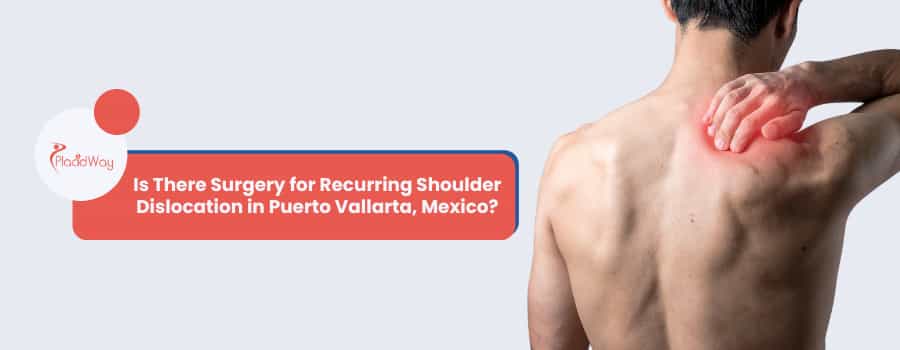
If you've experienced the painful and disruptive event of a shoulder dislocation more than once, you're likely familiar with the frustration and apprehension it brings. Recurring shoulder dislocations can significantly impact your daily life, sports activities, and overall well-being. The good news is that for many individuals facing this challenge, surgery can offer a lasting solution, and Puerto Vallarta, Mexico, has emerged as a prominent destination for high-quality orthopedic care.
Puerto Vallarta is home to modern medical facilities and skilled orthopedic surgeons who specialize in treating shoulder instability. Patients from around the globe are increasingly choosing this vibrant city for its combination of expert medical care, state-of-the-art technology, and significant cost savings compared to procedures in their home countries. Whether you're considering surgery to restore stability, reduce pain, or regain full function of your shoulder, understanding the options available in Puerto Vallarta can provide clarity and confidence in your treatment journey.
What types of shoulder surgery are available for recurring dislocations?
For recurring shoulder dislocations, several surgical techniques aim to restore stability to the joint. The choice of procedure depends on factors like the patient's age, activity level, the number of dislocations, and the specific damage to the shoulder's anatomy. The most common procedures performed by orthopedic surgeons in Puerto Vallarta are:
- Arthroscopic Bankart Repair: This minimally invasive procedure involves reattaching the torn labrum (a rim of cartilage around the shoulder socket) to the bone. It's often performed when the primary damage is a Bankart lesion, which occurs when the shoulder dislocates and tears the labrum from the front of the shoulder socket.
- Capsular Shift/Plication: This procedure tightens the stretched or lax shoulder capsule, the fibrous tissue surrounding the joint, to prevent further dislocations. It can be performed arthroscopically or through an open incision.
- Latarjet Procedure (Coracoid Transfer): This is an open surgical procedure typically reserved for cases with significant bone loss from the glenoid (shoulder socket) or humerus (upper arm bone), or for failed previous surgeries. It involves transferring a piece of bone (the coracoid process) and its attached muscles to the front of the glenoid, providing a bony block and a sling effect to prevent further dislocation.
Orthopedic specialists will conduct a thorough evaluation, including imaging studies, to determine the most appropriate surgical approach for your specific condition.
How much does shoulder stabilization surgery cost in Puerto Vallarta compared to other countries?
One of the primary reasons many individuals consider medical tourism for procedures like recurring shoulder dislocation surgery is the substantial cost savings. In Puerto Vallarta, the cost of shoulder stabilization surgery can be dramatically lower than in North America or Western Europe, often ranging from $6,000 to $12,000 USD, depending on the complexity of the procedure, hospital fees, and surgeon's fees. This price typically includes the surgeon's fee, anesthesia, hospital stay, and sometimes initial physical therapy sessions.
To illustrate the potential savings, consider this general comparison:
| Country | Estimated Cost (USD) |
|---|---|
| United States | $20,000 - $50,000+ |
| Canada | $15,000 - $30,000+ (for uninsured) |
| Puerto Vallarta, Mexico | $6,000 - $12,000 |
These figures are estimates and can vary based on specific circumstances, but they highlight the significant financial advantage of choosing Puerto Vallarta for orthopedic surgery. The lower cost does not imply lower quality; rather, it reflects different economic structures and healthcare systems.
What should I look for in an orthopedic surgeon for shoulder surgery in Mexico?
Choosing the right surgeon is paramount for a successful outcome. Here are key aspects to consider when evaluating an orthopedic surgeon for recurring shoulder dislocation surgery in Puerto Vallarta:
- Board Certification and Credentials: Ensure the surgeon is board-certified by the Mexican Council of Orthopedics and Traumatology (Consejo Mexicano de Ortopedia y Traumatología). This indicates they have met rigorous standards of training and expertise.
- Specialization and Experience: Look for a surgeon with a subspecialty in shoulder and elbow surgery, and extensive experience performing the specific procedure you need (e.g., Bankart repair, Latarjet). Inquire about their success rates and the number of these procedures they perform annually.
- Facility Accreditation: The hospital or clinic where the surgery will be performed should be modern and well-equipped, preferably with international accreditations if available, signifying high standards of patient care and safety.
- Communication: Effective communication is crucial. The surgeon and their staff should be fluent in English to ensure you fully understand your diagnosis, treatment plan, risks, and recovery instructions.
- Patient Reviews and Testimonials: Seek out feedback from previous patients regarding their experiences with the surgeon and the facility. This can offer valuable insights into the quality of care and patient satisfaction.
A thorough consultation, potentially even a virtual one, is essential to establish trust and ensure all your questions are answered before making a decision.
What is the recovery process like after shoulder dislocation surgery?
The recovery process following surgery for recurring shoulder dislocation is a critical component of achieving a successful long-term outcome. It is generally divided into several phases:
- Phase 1 (Initial Immobilization - 4-6 weeks): Immediately after surgery, your arm will be placed in a sling to protect the repaired tissues and prevent unwanted movement. During this phase, you will learn gentle pendulum exercises and passive range of motion exercises, often assisted by a therapist, to prevent stiffness without stressing the repair.
- Phase 2 (Early Motion and Strengthening - 6-12 weeks): Once the surgeon deems it safe, you'll begin more active physical therapy to gradually regain shoulder mobility. This phase focuses on active range of motion exercises and light strengthening. The goal is to improve flexibility and begin rebuilding muscle strength without overstressing the healing tissues.
- Phase 3 (Advanced Strengthening and Return to Activity - 3-6 months+): This phase concentrates on more intensive strengthening, endurance, and proprioception (awareness of joint position). If you're an athlete, sport-specific drills will be introduced. The ultimate goal is to safely return to full activities, including sports, typically around 6 months to a year post-surgery, depending on the individual and the sport.
Adherence to your physical therapy program is crucial. Skipping exercises or pushing too hard too soon can jeopardize the surgical repair. Your surgeon and physical therapist will provide detailed instructions and monitor your progress closely.
What are the risks associated with shoulder stabilization surgery?
While shoulder stabilization surgery is generally safe and highly effective, it's important to be aware of potential risks, as with any surgical procedure. These risks are typically discussed in detail with your surgeon before the operation:
- Infection: Though rare, infection at the surgical site can occur. Antibiotics are typically administered before and after surgery to minimize this risk.
- Nerve or Blood Vessel Damage: There's a small risk of damage to nerves or blood vessels around the shoulder during the procedure. Experienced surgeons take great care to avoid these structures.
- Stiffness (Frozen Shoulder): Some patients may experience post-operative stiffness, which can usually be managed with diligent physical therapy.
- Re-dislocation: While the surgery aims to prevent re-dislocation, there's a small chance it could still occur, especially with trauma or non-compliance with post-operative instructions.
- Hardware Issues: If sutures or anchors are used, there's a minor risk of them failing or causing irritation, though this is uncommon.
- Anesthesia Complications: General anesthesia carries its own set of risks, which will be discussed by the anesthesiologist.
It's crucial to follow your surgeon's pre-operative and post-operative instructions carefully to minimize these risks and promote the best possible outcome.
Why choose Puerto Vallarta for shoulder dislocation surgery?
The growing popularity of Puerto Vallarta as a medical tourism hub isn't just about the beaches. It's a strategic choice for many seeking specialized medical care, particularly for orthopedic procedures like recurring shoulder dislocation surgery. Here's why:
- Cost-Effectiveness: As discussed, the cost of procedures can be a fraction of what they are in other countries, making high-quality healthcare accessible.
- Quality of Care: Many hospitals and clinics in Puerto Vallarta adhere to international standards, employing highly trained, often US-trained or certified, medical professionals. Facilities are equipped with advanced technology.
- Experienced Surgeons: The city attracts talented orthopedic surgeons who specialize in various subfields, including shoulder and sports medicine, performing numerous procedures annually.
- Proximity and Convenience: For patients from North America, Puerto Vallarta is relatively easy to reach with direct flights, minimizing travel stress.
- Recovery Environment: The pleasant climate and beautiful surroundings of Puerto Vallarta can contribute positively to the psychological aspect of recovery, offering a relaxing environment for healing post-surgery.
This combination of factors makes Puerto Vallarta a compelling option for those considering recurring shoulder dislocation surgery.
How do I prepare for shoulder surgery as a medical tourist in Puerto Vallarta?
Careful preparation is key to a smooth and successful medical tourism experience. Here are essential steps for preparing for recurring shoulder dislocation surgery in Puerto Vallarta:
- Medical Records Compilation: Gather all relevant medical documents, including previous MRI scans, X-rays, diagnosis reports, and a list of medications. Be ready to share these with your prospective surgeon.
- Virtual Consultations: Arrange virtual consultations with several surgeons to discuss your case, understand their proposed treatment plan, and clarify costs. This helps you make an informed decision remotely.
- Travel Logistics: Book flights and accommodation well in advance. Consider staying in a location convenient to the hospital or clinic, and plan for transportation to and from appointments.
- Post-Operative Stay: Plan for an extended stay (typically 1-2 weeks after discharge) to allow for initial recovery and follow-up appointments before traveling home. Ensure your accommodation is comfortable and accessible with limited arm mobility.
- Communication Plan: Establish clear communication channels with the clinic and surgeon's office. Understand who to contact for emergencies or questions during your stay.
- Financial Planning: Confirm all costs, payment methods, and what is included in the package. Have emergency funds readily available.
It’s also advisable to inform your primary care physician at home about your plans and obtain any necessary pre-operative clearances.
What are the long-term outcomes of surgery for recurring shoulder dislocation?
For most patients, surgery for recurring shoulder dislocation provides a highly effective and long-lasting solution to instability. The primary goal is to prevent future dislocations and allow individuals to return to their desired activities without fear of the shoulder giving out. Studies show success rates of preventing re-dislocation often exceeding 90% for arthroscopic Bankart repair and even higher for procedures like the Latarjet when indicated.
Key factors influencing long-term success include:
- Surgical Technique and Expertise: A well-performed surgery by an experienced surgeon is fundamental.
- Patient Compliance: Adhering strictly to the post-operative rehabilitation protocol, including physical therapy, is crucial for regaining strength, mobility, and stability.
- Underlying Damage: The extent of damage to bone and soft tissues before surgery can influence the complexity of the repair and, subsequently, the outcome.
- Return to Activity: Gradual return to sports and strenuous activities as advised by the surgeon and therapist minimizes the risk of re-injury.
Most individuals can expect to regain near-normal function and lead active lives free from the constant worry of their shoulder dislocating again.
Is follow-up care for shoulder surgery manageable for international patients?
The concern about follow-up care is a common one for medical tourists. Fortunately, clinics and hospitals in Puerto Vallarta that cater to international patients are well-versed in facilitating post-operative care, even after you've returned home. Here's how it's managed:
- Initial Local Follow-up: You will have immediate post-operative check-ups with your surgeon in Puerto Vallarta before you are cleared to travel home. This usually occurs within 1-2 weeks of surgery.
- Telemedicine and Virtual Consultations: Many surgeons offer remote consultations via video calls. This allows them to monitor your progress, answer questions, and provide guidance as you continue your recovery at home.
- Coordination with Local Physical Therapists: Your surgeon in Puerto Vallarta can provide detailed rehabilitation protocols and communicate directly with your physical therapist in your home country. They can share surgical reports and specific instructions to ensure continuity of care.
- Clear Communication Channels: Clinics typically provide dedicated contact information for international patients to address any concerns that may arise during recovery.
Effective communication between you, your Puerto Vallarta surgeon, and your local physical therapist is key to a smooth and successful rehabilitation journey.
Ready to explore your options for shoulder dislocation surgery or other medical treatments?
Visit PlacidWay to connect with leading clinics and specialists worldwide and plan your personalized medical journey.



.png)










Share this listing