
Stem Cell Therapy in Thailand for Osteoarthritis Relief
Living with chronic joint discomfort can make everyday activities feel like an uphill battle. If you are exploring regenerative options abroad, you might be considering stem cell therapy for osteoarthritis in Thailand. This approach uses the body's own biological materials—or safely sourced donor cells—to try and change the environment inside a painful joint. Many patients look into this therapy in hopes of managing their symptoms without immediate reliance on invasive surgeries.
Key Takeaways
- Stem cell therapy aims to reduce joint inflammation and manage pain rather than acting as a guaranteed cure.
- Results vary widely based on the patient's age, overall health, and the severity of their osteoarthritis.
- Treatment typically involves an outpatient injection process, but proper recovery and physical therapy are often required.
- It is vital to undergo a thorough medical evaluation to determine if you are a suitable candidate before traveling.
- Consulting with a licensed local orthopedic specialist is recommended both before leaving and after returning home.
How does stem cell therapy for osteoarthritis actually work?
Osteoarthritis is characterized by the gradual breakdown of cartilage, leading to friction, swelling, and chronic pain. When stem cells are injected into an osteoarthritic knee or joint, the primary goal is not necessarily to regrow thick layers of new cartilage, as was once widely believed. Instead, current medical understanding suggests that these cells act more like biological managers.
Once inside the joint space, stem cells release various proteins, cytokines, and growth factors. These substances can help to calm down the aggressive inflammatory response that causes pain and further tissue degradation. By changing the harsh, inflamed environment of an osteoarthritic joint into a more balanced one, the therapy can sometimes provide significant pain relief and improve joint mobility.
It is important to remember that this process takes time. The cells need weeks or even months to interact with the joint tissues and reduce the localized inflammation. Because of this, patients should not expect an overnight reduction in their symptoms.
What types of stem cells are used for joint pain treatments?
The source of the stem cells plays a significant role in the treatment protocol. There are two primary categories of cells used in regenerative joint therapies:
| Stem Cell Type | Source | Details |
|---|---|---|
| Autologous | Your own bone marrow or adipose (fat) tissue. | Requires an extraction procedure (like a mini-liposuction or bone marrow aspiration) before the cells are processed and reinjected. Carries zero risk of cell rejection. |
| Allogeneic | Donated umbilical cord tissue or Wharton's Jelly. | Ethically sourced from healthy, full-term pregnancies. These cells are highly robust and eliminate the need for a painful extraction procedure on the patient. |
Your evaluating physician will determine which type of cell is most appropriate based on your age, the severity of your arthritis, and your overall medical history.
Who is a good candidate for this osteoarthritis treatment?
Suitability for regenerative treatments is highly individualized. Generally, physicians look for the following traits when assessing a potential patient:
- Stage of Arthritis: Patients with early to mid-stage osteoarthritis often see better responses. Those with severe, end-stage, "bone-on-bone" arthritis may not benefit significantly and might be better suited for surgical options.
- Previous Treatments: Individuals who have tried non-steroidal anti-inflammatory drugs (NSAIDs), physical therapy, or corticosteroid injections with limited success often turn to stem cell therapy.
- General Health: A strong immune system and the absence of active infections or certain blood disorders are necessary for the treatment to be administered safely.
- Realistic Expectations: Patients must understand that this is a symptom management tool, not a time machine that will give them a brand-new joint.
Certain medical conditions, such as active cancer, severe bleeding disorders, or ongoing systemic infections, are usually strict contraindications for stem cell injections. Always disclose your complete medical history to your provider.
What is the typical stem cell therapy for osteoarthritis cost in Thailand?
When evaluating the stem cell therapy for osteoarthritis cost in Thailand, it is crucial to recognize that these figures are estimates. The final price is influenced by several variables. For instance, utilizing your own bone marrow requires an extraction procedure, processing time in a laboratory, and then the reinjection, which can impact the overall price tag compared to using pre-prepared donor cells.
Additionally, treating a single knee will be less expensive than treating both knees or adding a hip or shoulder to the treatment plan. Some facilities might bundle the cost of initial consultations, diagnostic imaging (like MRIs or X-rays), and post-treatment physical therapy into one comprehensive package, while others itemize these services.
Patients should request a detailed, written estimate from their chosen facility before traveling. Ensure you ask what is included in the quoted price and what might result in extra fees, such as specialized blood panels or required follow-up appointments.
Are there risks or side effects associated with joint stem cell injections?
While many patients tolerate regenerative joint injections well, safety should always be the top priority. Because the procedure involves breaking the skin barrier to access the joint capsule, there is a small risk of infection. Clinics mitigate this by maintaining sterile environments and utilizing proper aseptic techniques.
Common, mild side effects often include:
- Soreness or stiffness in the joint for a few days following the injection.
- Mild swelling or bruising around the injection site.
- A temporary flare-up of pain as the joint responds to the introduced cells and fluid volume.
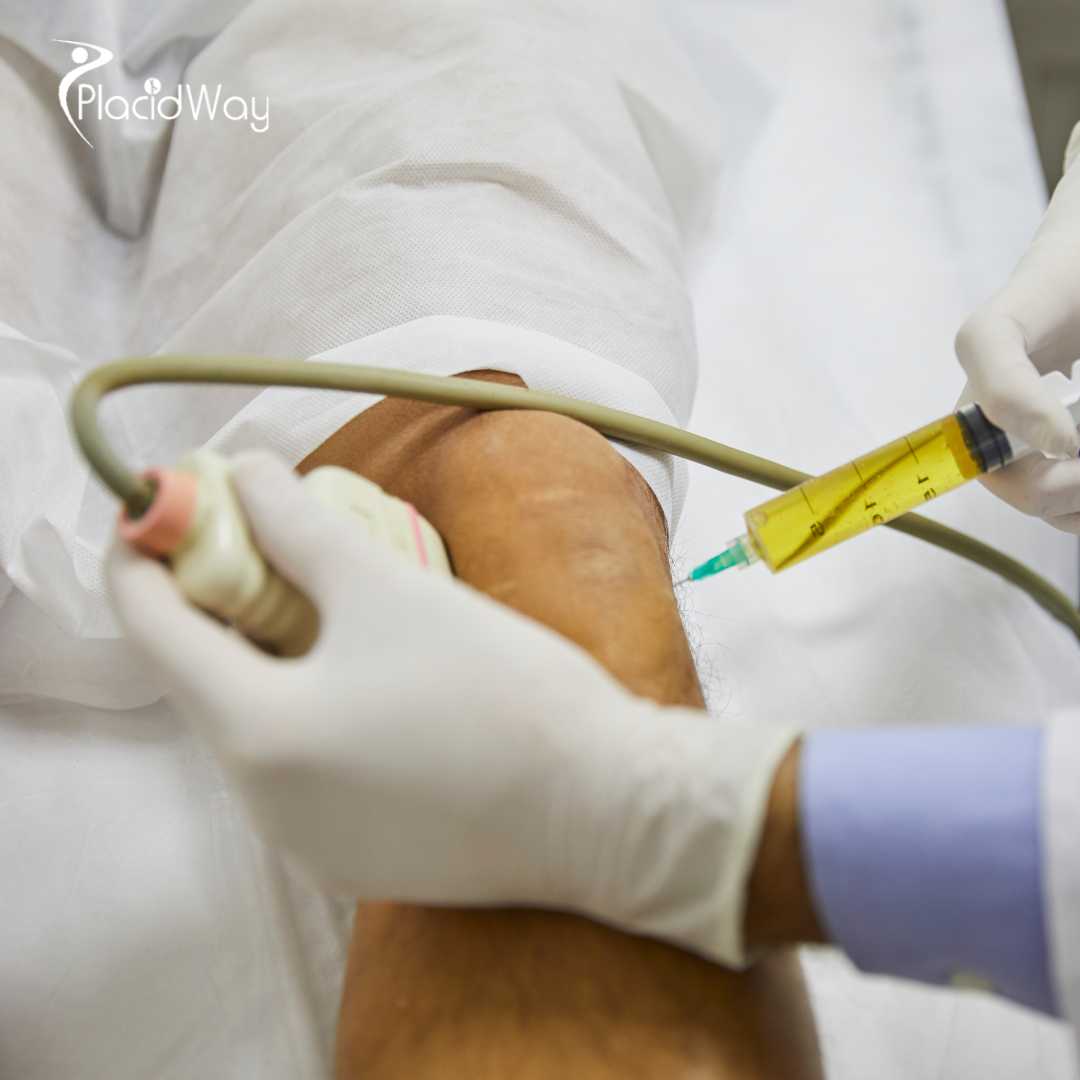
Rare but severe complications could include joint damage, nerve injury if the needle is misplaced, or an adverse immune reaction. To minimize risks, it is vital to be evaluated by a qualified medical professional who uses image guidance (such as ultrasound or fluoroscopy) to ensure the precise placement of the cells into the joint space.
How long does the treatment process take when traveling abroad?
Traveling for medical care requires careful logistical planning. While the injection itself is an outpatient procedure that often takes less than an hour, the total duration of your trip will be longer. A standard timeline often involves an initial in-person consultation and physical examination to confirm your diagnosis and review recent imaging.
If you are undergoing autologous treatment (using your own cells), you will have a day dedicated to the extraction procedure, followed by a waiting period while the laboratory isolates and concentrates the stem cells. If donor cells are used, this middle step is bypassed.
After the injection is administered, physicians strongly advise against immediate long-haul travel. Staying in the area for roughly 3 to 7 days allows the medical team to monitor your initial recovery, check the injection site for signs of infection, and manage any acute post-procedure discomfort before you board a flight home.
What does the recovery and aftercare process look like?
Post-treatment care is heavily influential on the potential success of the therapy. For the first few days after the procedure, patients are usually instructed to limit weight-bearing activities and rest the treated joint. You may be provided with a brace or crutches to assist with mobility while preventing unnecessary strain on the knee.
Providers typically advise against taking NSAIDs (like ibuprofen or naproxen) for several weeks following the procedure. Because NSAIDs aggressively suppress inflammation, they can inadvertently interfere with the natural healing cascade that the stem cells are attempting to promote.
Once the initial soreness subsides, beginning a tailored physical therapy regimen is often recommended. A physical therapist can help you safely strengthen the supporting muscles around the joint, which relieves pressure on the damaged cartilage and helps maintain an improved range of motion.
How do I choose a safe stem cell therapy for osteoarthritis clinic in Thailand?
When evaluating a stem cell therapy for osteoarthritis clinic in Thailand, patient safety must dictate your decision. The regulatory landscape for regenerative medicine can be complex, making thorough independent research essential.
- Physician Credentials: Look for specialists who are board-certified in orthopedics, sports medicine, or rheumatology, rather than general practitioners.
- Cell Sourcing: The clinic should be completely transparent about where their cells come from, how they are processed, and the safety testing protocols used by their laboratory.
- Diagnostic Approach: A reputable clinic will insist on reviewing recent MRIs or X-rays and conducting a thorough medical history before agreeing to treat you.
- Facility Standards: Verify that the facility holds appropriate local and, if applicable, international accreditations for hygiene and patient care.
- Realistic Claims: Avoid any facility that promises a 100% cure rate, claims the procedure is completely risk-free, or uses high-pressure sales tactics.
How long might it take to notice improvements in my knee pain?
Unlike a localized steroid injection, which can sometimes provide pain relief within a few days, regenerative therapies work on a biological timeline. The cells require time to integrate into the joint environment, release anti-inflammatory cytokines, and promote a healthier localized ecosystem.
Most physicians advise patients that they may start noticing subtle improvements in joint stiffness and pain reduction around the four-to-six-week mark. The maximum benefit from a single treatment cycle is often observed between three and six months post-injection.
During this waiting period, it is crucial to follow the prescribed rehabilitation guidelines and avoid over-stressing the joint, even if it starts feeling better early on. Tracking your daily pain levels and mobility can help you and your local doctor accurately assess the treatment's effectiveness over time.
Why is medical tourism in Thailand popular for regenerative therapies?
Over the past two decades, medical tourism in Thailand has grown significantly, transitioning from offering primarily cosmetic procedures to complex medical treatments, including orthopedics and regenerative medicine. The country is home to numerous private hospitals and specialized clinics that cater heavily to international patients.
Many of these facilities employ medical staff who have trained or completed fellowships internationally, ensuring clear communication with English-speaking patients. Furthermore, the regulatory environment in some Asian countries has allowed for the clinical application of certain stem cell therapies that may still be restricted to clinical trials in North America or parts of Europe.
However, the availability of these treatments does not automatically guarantee safety or efficacy for every individual. Patients choosing to travel abroad for healthcare must take extra precautions to coordinate their medical records, plan for potential complications, and ensure they have a local physician willing to oversee their aftercare upon returning home.
Why Choose PlacidWay for Medical Tourism?
Navigating international healthcare options can be overwhelming. PlacidWay provides a platform to help patients gather information and explore their medical choices abroad.
- Informational Resources: PlacidWay offers detailed content and guides about various medical procedures and international healthcare systems.
- Provider Comparisons: Patients can view profiles, read about facility credentials, and compare different healthcare centers in one centralized location.
- Global Reach: The platform connects users with information on medical facilities across multiple continents, including Asia, Europe, and the Americas.
- Direct Communication Tools: PlacidWay enables patients to send inquiries directly to international healthcare providers to ask specific questions about treatments.
- Patient-Focused Focus: The platform emphasizes providing educational materials so patients can discuss options with their local doctors before making health decisions.
Frequently Asked Questions
Is stem cell therapy a permanent cure for osteoarthritis?
No, stem cell therapy is not a permanent cure for osteoarthritis. While it can help manage symptoms, reduce inflammation, and improve joint function for a period of time, it does not permanently reverse the underlying degenerative joint disease.
Can stem cells rebuild lost knee cartilage?
Current clinical evidence suggests that while stem cells may help slow further degeneration and improve the health of existing tissue by reducing inflammation, they typically do not regrow or rebuild substantial amounts of lost cartilage in severely degraded joints.
Will I need multiple treatment sessions?
The number of sessions depends on your specific condition, the type of stem cells used, and the clinic's protocol. Some patients receive a single injection, while others may require a series of treatments spaced weeks or months apart.
Do I need to stay in the hospital for this procedure?
Stem cell injections for joint pain are typically performed as an outpatient procedure. Patients usually visit the clinic for the extraction and injection process and can return to their accommodation the same day.
Can older adults safely receive stem cell joint injections?
Many older adults can safely undergo stem cell therapy, but eligibility depends on overall health, medical history, and the severity of the osteoarthritis. A thorough medical evaluation is necessary to determine if the treatment is appropriate.
How soon can I fly home after knee stem cell therapy?
Most physicians recommend waiting at least a few days to a week before flying home. This allows time for an initial follow-up appointment and ensures you are not experiencing any immediate complications or excessive swelling.
Does stem cell therapy replace the need for knee replacement surgery?
Stem cell therapy is not a direct replacement for knee replacement surgery, especially in cases of severe, bone-on-bone osteoarthritis. However, for mild to moderate cases, it may help delay the need for surgery by managing pain and improving function.
Are stem cell treatments in Thailand regulated?
Yes, medical treatments in Thailand are regulated by the Thai Ministry of Public Health and the Thai Food and Drug Administration. However, regulations regarding specific regenerative therapies can vary, so patients should ensure they visit appropriately licensed facilities.
What should I do if my joint pain returns after treatment?
If joint pain returns, you should consult with your local orthopedic specialist. They can assess your joint health, recommend additional conservative treatments like physical therapy or bracing, and determine the next appropriate medical steps.
Can physical therapy help after receiving stem cells?
Yes, physical therapy is often a crucial part of the recovery process. A structured rehabilitation program can help strengthen the muscles around the joint, improve range of motion, and support the overall effectiveness of the stem cell treatment.
Compare Treatment Options Abroad
Gather the information you need to make educated decisions about your joint health. Connect with healthcare providers to review treatment plans and options.
Request Treatment InformationReferences
- Osteoarthritis Fact Sheet – World Health Organization (WHO)
- FDA Warns About Stem Cell Therapies – U.S. Food and Drug Administration
- Stem Cell Therapy for Arthritis – Arthritis Foundation
- Mesenchymal Stem Cells in Osteoarthritis Therapy – National Institutes of Health (NIH) / PMC
- Medical Tourism Guidelines – Centers for Disease Control and Prevention (CDC)
- Stem cells: What they are and what they do – Mayo Clinic
- Orthobiologics and Stem Cells – American Academy of Orthopaedic Surgeons (AAOS)





























Share this listing