


Regain Function with Spinal Cord Stem Cells in Japan
.png)
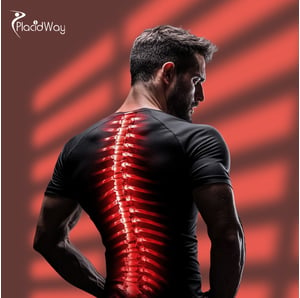
For decades, a spinal cord injury (SCI) diagnosis came with a devastating prognosis: permanent paralysis. But in Japan, the narrative is changing. Japan has become the first country in the world to grant government approval for a stem cell treatment specifically designed for spinal cord injuries.
This therapy is drawing patients from around the globe who are seeking to restore mobility, sensation, and bladder function. But is it a "miracle cure," or just a promising step forward? In this guide, we will analyze the real-world effectiveness, the science behind the "homing effect," and the costs of seeking this advanced treatment in Tokyo or Sapporo.
How effective is stem cell therapy for Spinal Cord Injury in Japan?
The effectiveness of the treatment depends heavily on when you receive it. The Japanese Ministry of Health approved stem cell therapy for Spinal Cord Injury in Japan based on a landmark study by Sapporo Medical University. In this trial involving patients with "sub-acute" injuries (recent but stable):
- 92% of patients (12 out of 13) improved by at least one grade on the ASIA Impairment Scale (e.g., moving from "Complete" paralysis to "Incomplete").
- Patients reported regaining the ability to move toes or fingers, improved balance, and restored sweating functions.
For chronic patients (injury > 1 year), miracle recoveries like walking again are rare. However, many chronic patients report life-changing "micro-gains" such as regained bladder/bowel control, reduced neuropathic pain, and enough trunk stability to sit without support.
What is the "stem cell therapy for Spinal Cord Injury in Japan" Protocol?
Unlike treatments that inject cells directly into the spine (which can be risky), the Japanese protocol primarily uses Intravenous (IV) infusion. This relies on a biological phenomenon called the "homing effect." When the spinal cord is damaged, it releases distress signals (chemokines). The injected stem cells detect these signals and travel through the bloodstream specifically to the injury site.
Once there, they do not just "turn into nerves." They release powerful neurotrophic factors that:
- Protect surviving neurons from further death (neuroprotection).
- Stimulate the regeneration of the myelin sheath (nerve insulation).
- Bridge the gap in the neural circuitry.
Is it legal?
In many countries, stem cell therapy for SCI is unregulated or "experimental." In Japan, it is mainstream medicine. The PMD Act allows clinics to legally administer these therapies provided they have a license from the Ministry of Health. This ensures that the cells are processed in sterile, "Grade A" Cell Processing Centers (CPCs), virtually eliminating the risk of contamination or "dead cells" often found in unregulated markets.
What is the cost of Spinal Cord Injury Stem Cell Therapy in Japan?
The price tag is high due to the advanced technology required to culture millions of your own cells safely. For international patients, paying the full insurance cost of Spinal Cord Injury Stem Cell Therapy is often impossible. Fortunately, many private licensed clinics in Tokyo and Osaka offer similar Autologous MSC protocols at a lower price point.
| Treatment Type | Estimated Cost (USD) | What's Included |
|---|---|---|
| Clinic MSC Protocol (Standard) | $20,000 - $30,000 | Bone marrow harvest, culture, 1-2 infusions. |
| Advanced Rehab Package | $35,000 - $50,000 | Stem cells + intensive "Cyberdyne HAL" robotic rehab. |
What is the treatment timeline?
You cannot just walk in and get treated. Since they use your cells, they must be grown in a lab first.
Visit 1: The doctor extracts a small amount of bone marrow from your hip (under local anesthesia). You can fly home afterward.
Lab Phase: For 3 to 4 weeks, technicians expand your cells from a few thousand to over 100 million.
Visit 2: You return for the infusion. This is often combined with HAL (Hybrid Assistive Limb) robotic rehabilitation, a Japanese technology that helps "train" the new cellular connections to fire muscles correctly.
Who is NOT a candidate?
While the therapy can bridge gaps in a damaged cord, it cannot reconnect a cord that has been completely severed (transected). It is most effective for "contusion" injuries where the cord is crushed or bruised but intact. A review of your MRI is mandatory before travelling.
Is Japan's Therapy Right for You?
If you are looking for the most regulated and scientifically advanced stem cell treatment for spinal cord injury, Japan is the gold standard.
Contact PlacidWay Medical Tourism today to connect with licensed Japanese clinics and start your evaluation.







.png)










Share this listing