


Stem Cell Therapy for Autism in Mexico: What to Expect
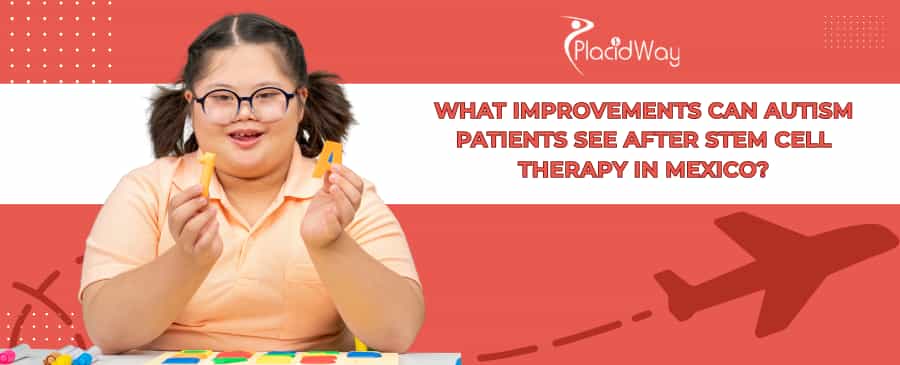
If you love someone on the autism spectrum, you know that the journey is filled with both beautiful victories and difficult challenges. You might have spent countless nights researching therapies, diets, and interventions, looking for something that can help your child or loved one connect more deeply with the world around them. Recently, stem cell therapy for autism in Mexico has become a topic of intense hope and conversation for many families.
You’re probably wondering: does it actually work? What kind of changes can we realistically expect? Mexico has emerged as a global hub for this regenerative treatment because of its advanced medical infrastructure and regulations that allow for the use of potent, ethically sourced stem cells that aren't always available elsewhere. Families aren't just looking for a "cure"—they are looking for a better quality of life.
In this guide, we are going to dive deep into the specific improvements autism patients see after stem cell therapy. We’ll skip the medical jargon where we can and talk straight about speech, behavior, costs, and safety, so you can make an informed decision for your family.
What are the most common improvements after stem cell therapy for autism?
When families return from Mexico, the feedback often centers on "awakenings." While every child is different, the most frequently reported improvements in autism patients relate to cognitive and social function. It is rarely an overnight fix; rather, it’s a gradual unfolding of new abilities. Parents often report that their child seems more "present" and aware of their surroundings.
Specific gains often include a significant reduction in sensory processing issues. Children who used to cover their ears at loud noises or refuse to wear certain fabrics may become more tolerant. Additionally, a major area of relief for families is the reduction in hyperactivity and repetitive behaviors (stimming). When the neurological "noise" is quieted, the child can focus better on learning and interacting.
Here is a breakdown of common areas of improvement:
- Cognitive: Better focus, faster learning, and improved memory.
- Social: Increased desire to play with peers and improved emotional recognition.
- Physical: Better sleep cycles and improved digestion.
How does stem cell therapy help with speech and communication?
One of the most heart-warming changes parents hope for is hearing their child’s voice. Stem cell therapy for autism works by reducing neuroinflammation (inflammation in the brain) and improving blood flow (perfusion) to oxygen-deprived areas of the brain. When inflammation subsides, the brain's neural connectivity can improve, often unlocking language centers.
For non-verbal children, this might start as making new sounds or mimicking words for the first time. For children who are already verbal, you might see an explosion in vocabulary and sentence complexity. Instead of "echolalia" (repeating words without meaning), children may start using language functionally—asking for water when thirsty or saying "look" to share an experience. These small victories in communication can drastically reduce frustration and tantrums.
Can stem cell therapy improve behavioral issues and aggression?
Behavioral challenges in autism are often a response to physical discomfort or an overwhelmed nervous system. Research suggests that mesenchymal stem cells (MSCs) have a powerful immunomodulatory effect. This means they can help balance the immune system and calm the "cytokine storm" (chronic inflammation) often found in the brains and guts of autistic individuals.
When this internal biological stress is relieved, outward behaviors often soften. Parents frequently report a decrease in the intensity and frequency of meltdowns. Self-injurious behaviors, such as head-banging or biting, may diminish or disappear. This "calming effect" allows the child to participate more effectively in other therapies like ABA or speech therapy, creating a positive cycle of improvement.
How does the therapy affect sleep and digestion?
It is well-known that autism is not just a brain condition; it affects the whole body. A large percentage of children with ASD suffer from severe gastrointestinal (GI) issues and insomnia. Stem cells administered intravenously (IV) circulate throughout the body, homing in on areas of inflammation, including the gut lining.
Repairing the "leaky gut" can have a profound impact on the brain (the gut-brain axis). As the gut heals, improvements in digestion are common—less bloating, regular bowel movements, and fewer stomach aches. Consequently, when a child isn't in physical pain and their neurotransmitters (many of which are produced in the gut) are balanced, sleep patterns often normalize. A rested child is a child who can learn and regulate their emotions much better.
What is the cost of stem cell therapy for autism in Mexico?
Cost is a major factor for families, as this therapy is rarely covered by insurance. Mexico offers a significant financial advantage without compromising on quality, primarily due to lower operating costs and overheads. In the US, similar treatments (often less potent due to FDA restrictions on cell expansion) can cost two to three times as much.
Below is a detailed comparison of estimated costs for stem cell therapy for autism across different regions:
| Region | Estimated Cost (USD) | Cell Types Typically Used |
|---|---|---|
| Mexico | $5,000 - $15,000 | Expanded Umbilical Cord MSCs (High Dose) |
| United States | $15,000 - $30,000+ | Autologous (Patient's own) / Limited Expansion |
| Panama | $15,000 - $25,000 | Expanded Umbilical Cord MSCs |
| Europe (Switzerland/Germany) | $20,000 - $40,000+ | Various / Fetal Cells |
It is important to note that the cost in Mexico usually includes the treatment itself, medical consultations, and sometimes airport transfers. However, accommodation and flights are typically extra.
Why is Mexico a popular destination for this treatment?
The primary reason families choose Mexico isn't just the price—it's the dosage and cell quality. In the United States, regulations strictly limit the manipulation of stem cells. This means US clinics generally cannot "expand" (grow) cells in a lab to create large numbers. They typically rely on the patient's own bone marrow, which involves a painful harvest and yields fewer cells.
In contrast, Mexican regulations allow reputable labs to culture umbilical cord tissue cells (Wharton’s Jelly). These cells are "young," potent, and immune-privileged (meaning they won't be rejected). Clinics can administer dosages of 50 million to over 100 million cells per treatment. High doses are often considered crucial for systemic conditions like autism to ensure enough cells cross the blood-brain barrier to effect change.
Is stem cell therapy for autism safe in Mexico?
Safety is the number one concern for any parent. In Mexico, legitimate clinics are overseen by COFEPRIS, which is the equivalent of the FDA. These clinics adhere to strict protocols regarding sterility, cell counting, and viability testing. Using mesenchymal stem cells (MSCs) from umbilical cords is considered safe because these cells do not produce tumors (unlike embryonic stem cells) and do not require blood matching.
However, "medical tourism" requires due diligence. Parents must ensure they are choosing a facility that uses an certified lab. The side effects are usually minor and transient, such as a low-grade fever, headache, or fatigue for 24 hours post-treatment as the immune system reacts to the new cells. Serious adverse events are extremely rare when protocols are followed correctly.
What types of stem cells are used for autism?
There are different types of stem cells, but not all are equal for treating autism.
- Umbilical Cord MSCs (Wharton’s Jelly): These are the "gold standard" in Mexico. They are harvested from donated cords after healthy C-section births. They are young, replicate fast, and are highly anti-inflammatory.
- Bone Marrow Stem Cells: Harvested from the patient’s own hip. This is invasive and the cells are as "old" as the patient, potentially making them less effective for regeneration.
- Adipose (Fat) Stem Cells: Harvested from the patient's fat. Good for some conditions, but generally considered less effective for neurological inflammation than cord tissue cells.
Clinics in Mexico favor Umbilical Cord MSCs because they can be administered in high doses without invasive surgery on the child.
How is the therapy administered to the child?
The procedure is designed to be as stress-free as possible. The most common method is a simple IV infusion, similar to getting fluids. This takes about 30 to 60 minutes. Many clinics in Mexico have pediatric-friendly rooms with toys and iPads to keep the child distracted.
Some advanced protocols may recommend intrathecal administration (lumbar puncture). This involves injecting cells into the spinal fluid to bypass the blood-brain barrier completely. While this sounds improved, it is more invasive and usually requires light sedation. Doctors will recommend the best route based on the child's specific severity and needs.
How long does it take to see results?
Patience is key with regenerative medicine. Stem cells are not a drug that wears off in hours; they are living biological agents that initiate a healing process. The timeline for improvements varies. In the first few weeks, you might only see physical changes like better appetite or sleep.
The "heavy lifting" of neural repair takes time. Most families report that the most striking gains—like new words, complex play, or social initiation—occur between the 3-month and 6-month mark. Some doctors recommend a follow-up treatment after 6 to 12 months to compound the benefits and sustain the progress.
What is the success rate of this therapy?
It is vital to manage expectations: stem cell therapy is a treatment, not a guaranteed cure. "Success" is defined as a measurable improvement in quality of life. According to clinical data from major stem cell treatment centers in Mexico, roughly 70-80% of patients respond positively to the treatment.
About 20-30% of patients may be "non-responders," showing little to no discernible change. Factors influencing success include the child's age (younger brains are more plastic), the severity of the condition, and the quality of the rehabilitation therapies (speech, OT) maintained after the stem cell procedure.
Are there age limits for autistic patients?
The concept of neuroplasticity—the brain's ability to rewire itself—is highest in early childhood. This is why early intervention is pushed so heavily. Consequently, children between the ages of 2 and 8 often see the most dramatic "developmental leaps" after therapy.
However, this does not exclude older children or adults. Adults with autism receiving stem cell therapy in Mexico often report improvements in emotional stability, reduced anxiety, and better independence, even if speech patterns are already established. The goal for adults often shifts from "development" to "quality of life" and management of co-occurring symptoms.
Do I need to continue other therapies after the procedure?
Think of stem cells as the hardware upgrade for the computer, and therapies (Speech, OT, ABA) as the software installation. Stem cells prepare the brain to learn, but the teaching must still happen. Parents who intensify their child’s therapy schedule in the months immediately following the stem cell procedure often see the best results.
The increased focus and reduced irritability provided by the stem cells make the child more receptive to their therapists. A child who previously cried through a speech session might suddenly sit through it and engage, allowing the speech therapist to finally make progress.
How do I choose the right clinic in Mexico?
Finding the right provider is the most important step. Do not rely solely on flashy websites. Ask for their COFEPRIS license number. Ask where they get their cells—do they have an in-house lab or do they buy them? (In-house or exclusive lab partnerships often ensure better freshness/viability).
Furthermore, speak to the doctors directly. A reputable doctor will review your child’s medical history before accepting you and will be honest about the fact that results vary. Avoid any clinic that guarantees a 100% cure. Look for reviews and testimonials from other parents who have actually traveled there.
Does the therapy help with sensory processing disorder?
Sensory Processing Disorder (SPD) is debilitating for many on the spectrum. The world can feel too loud, too bright, or physically painful. By reducing neuroinflammation, stem cell therapy seems to "turn down the volume" on these sensory inputs.
Parents often share stories of taking their child to a grocery store or a busy park for the first time without a meltdown after treatment. This reduction in sensory overload is a massive relief for the entire family, opening up opportunities for travel and social outings that were previously impossible.
Ready to Explore Stem Cell Options?
Finding the right clinic and understanding the costs can be overwhelming. PlacidWay Medical Tourism can help you navigate the best medical tourism options for stem cell therapy in Mexico.
Get a free quote and connect with top-rated, certified clinics today.
















Share this listing