
Same-Day Dental Crowns in San Jose, Costa Rica: Everything You Need to Know
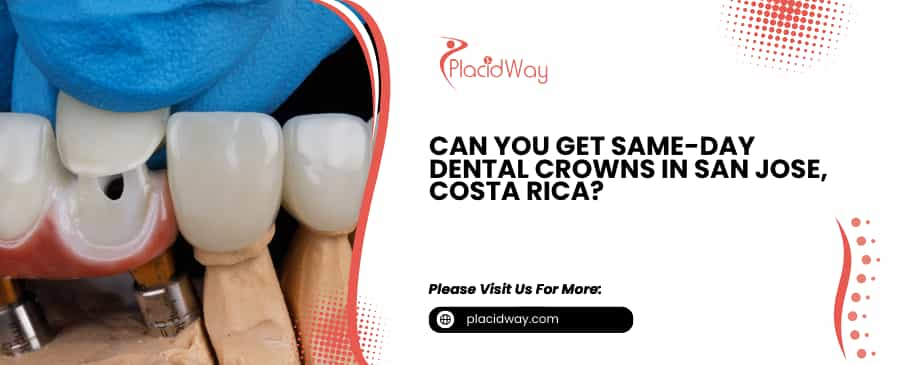
For many international patients exploring dental care abroad, time is a crucial factor. Traveling requires planning, taking time off work, and managing accommodation expenses. This makes same-day dental crowns in Costa Rica an appealing option for those seeking restorative dental work without the typical multi-week wait associated with traditional dental laboratories.
San Jose has developed into a prominent hub for modern dental care, integrating advanced technology to meet the needs of both local residents and international visitors. If you have a damaged, weakened, or severely decayed tooth, you might be considering whether a single-visit crown is the right approach for your dental health.
Key Takeaways
- San Jose dental facilities frequently use CAD/CAM technology to mill crowns in a single appointment.
- The one-visit process eliminates the need for messy impressions and temporary plastic crowns.
- Costs are generally lower than in North America, making the procedure a common choice for medical tourists.
- Not every tooth or dental condition qualifies for a same-day restoration.
- A thorough in-person evaluation with X-rays is required to confirm your eligibility.
How do same-day dental crowns work?
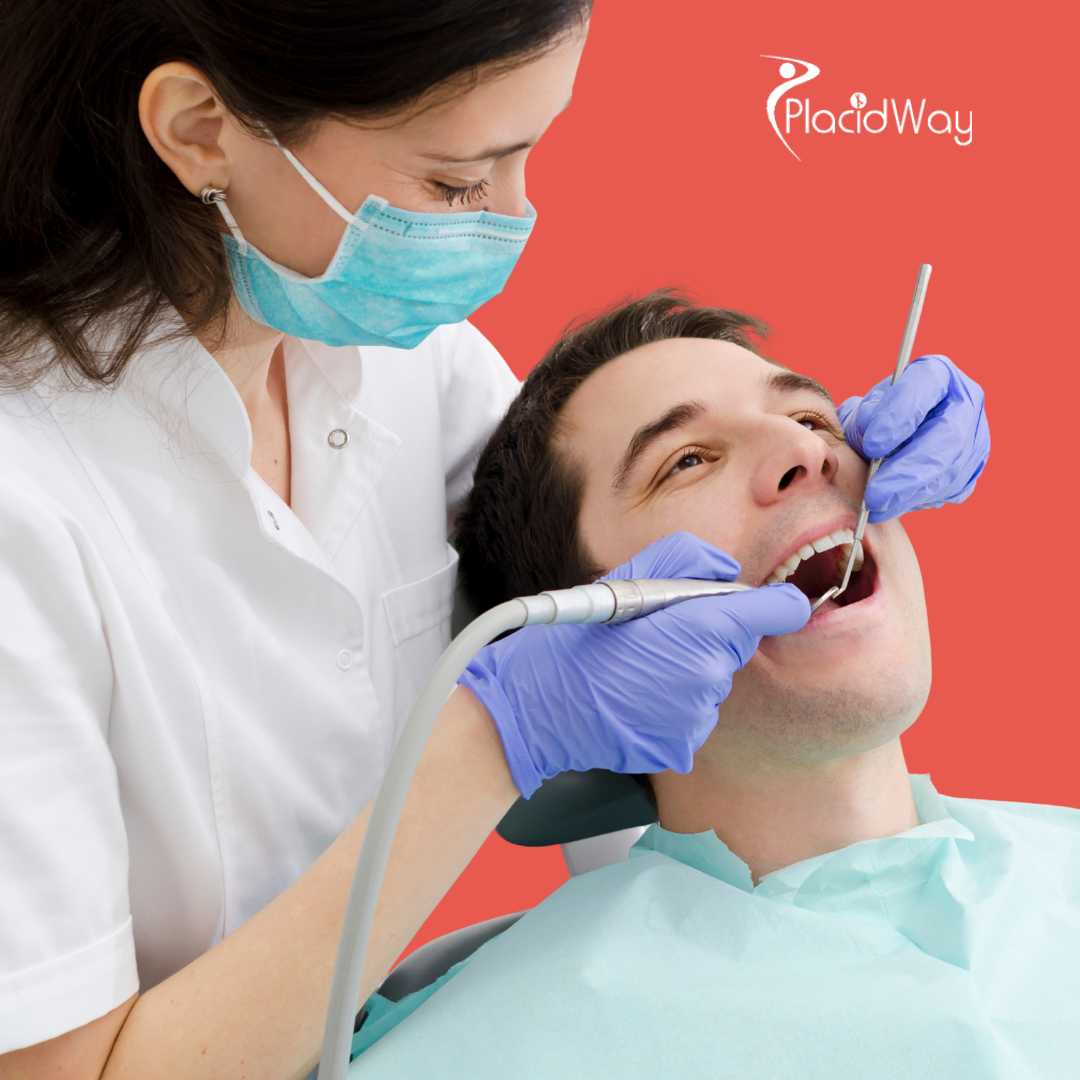
The process begins much like a traditional crown procedure. Your dentist will administer local anesthesia, remove any decay, and shape the tooth so a crown can fit over it. However, instead of taking a physical impression using a putty-like material, the dentist uses an intraoral camera to take a precise 3D digital scan of your mouth.
This digital impression is sent to a computer, where specialized software designs your new crown to match your bite and adjacent teeth. Once the design is finalized, the data is sent to a milling machine located right in the clinic. The machine carves the crown out of a solid block of ceramic or composite material.
After the milling is complete, the dentist will check the crown for color match, fit, and proper bite alignment. Once everything is confirmed, the crown is polished and permanently cemented into place, completing the entire process in a single day.
Am I a good candidate for a single-visit crown?
Suitability for a CAD/CAM crown depends heavily on the clinical condition of the tooth in question. Candidates generally have teeth that are cracked, worn down, or compromised by large fillings, but still have enough healthy root and bone support to hold a restoration.
However, there are situations where traditional laboratory-made crowns may be a better option. For example, if a tooth is located in the very back of the mouth and endures extreme biting pressure, or if the patient suffers from severe teeth grinding (bruxism), stronger materials like traditional zirconia or porcelain-fused-to-metal (PFM) might be recommended.
Additionally, if a tooth requires a complex root canal or post-and-core buildup to create enough structure to hold the crown, the treatment timeline may be extended. Only a qualified dental professional can diagnose whether a same-day approach aligns with your specific clinical needs.
What materials are used for one-visit crowns?
The specific block chosen for your restoration will depend on where the tooth is located and the amount of biting force it must withstand. Dentists aim to balance aesthetics with structural integrity.
- Lithium Disilicate: Often known by brand names like IPS e.max, this glass-ceramic is highly regarded for its strength and excellent light-reflecting properties, making it look very similar to natural tooth enamel.
- Feldspathic Porcelain: This is a highly aesthetic material often used for front teeth where cosmetic blending is the top priority, though it may not be strong enough for heavy-chewing molars.
- Resin Nano-Ceramic: These materials combine composite resin with ceramics. They are slightly more flexible, which can be gentle on opposing teeth, but they may wear down faster over time.
Your dentist should discuss the pros and cons of the available materials with you during your consultation, taking into account your individual biting habits and cosmetic goals.
How much do same-day dental crowns cost in Costa Rica?
Pricing can fluctuate based on several variables. The cost is influenced by the specific ceramic block used, the complexity of the digital design, and the individual clinic's fee structure. While the baseline price for the crown itself may look appealing, it is essential to ask for a comprehensive treatment plan.
Before traveling, request a breakdown that includes any associated costs. You may need preliminary treatments such as an initial consultation, panoramic X-rays, 3D imaging, or tooth preparation (like a core build-up). If a tooth is infected, the cost of a root canal will be separate from the crown itself.
How long does the actual appointment take?
The timeline is relatively predictable but can vary based on the difficulty of the tooth preparation. The initial numbing and shaping of the tooth usually take about 30 to 45 minutes. Following this, the dentist captures the digital scan, which takes only a few minutes.
The digital design phase requires the dentist's expertise to manipulate the software, ensuring the crown will fit harmoniously with your adjacent teeth. Once sent to the milling unit, carving the block into a crown typically takes 15 to 30 minutes. During this downtime, patients can usually relax, read, or watch television.
Finally, the dentist will dry-fit the crown, make any subtle bite adjustments, and permanently cement it. If you are having multiple same-day crowns created, the appointment time will naturally be extended.
Are single-visit crowns as durable as traditional ones?
Advancements in dental ceramics have significantly improved the strength of same-day restorations. For many patients, these crowns withstand normal chewing forces well and can last for many years. However, no dental restoration is entirely indestructible or guaranteed to last a lifetime.
| Feature | Same-Day CAD/CAM Crown | Traditional Lab Crown |
|---|---|---|
| Visits Required | One continuous appointment | Two or more visits |
| Temporary Crown | Not needed | Required for 1-3 weeks |
| Materials | Ceramics, composite resin | Zirconia, PFM, gold, porcelain |
| Best For | Fast turnaround, routine restorations | Heavy grinders, complex shading, high-stress molars |
It is worth noting that traditional crowns allow for the use of materials like full-contour zirconia or gold, which may be more appropriate for patients with severe bruxism. Your dentist's recommendation should guide your choice.
What are the potential risks or disadvantages?
All dental procedures carry some level of risk. After getting a crown, it is common to experience sensitivity to hot and cold temperatures. If the crown is placed slightly too high, it can alter your bite, leading to jaw discomfort or pain when chewing. This usually requires the dentist to file down the surface slightly.
From a cosmetic standpoint, while CAD/CAM technology is highly advanced, milling a single-color block of ceramic might lack the subtle color gradations found in natural front teeth. Traditional lab technicians often hand-paint and bake multiple layers of porcelain to achieve perfect translucency for highly visible teeth.
Furthermore, receiving care abroad adds the challenge of distance. If a complication arises after you return home—such as persistent pain or a cracked crown—you will likely need to seek treatment from a local dentist, which can incur additional out-of-pocket expenses.
How should I care for my new crown while traveling home?
Immediate aftercare is crucial for the long-term success of your crown. While the dental cement cures quickly, it is generally recommended to chew on the opposite side of your mouth for a day or two. Foods like hard nuts, chewy candies, or tough bread should be avoided initially.
If you are flying shortly after your procedure, keep in mind that changes in cabin pressure occasionally cause mild discomfort in newly treated teeth. Pack over-the-counter pain relievers in your carry-on luggage just in case.
Once you are home, care for your same-day crown exactly as you would a natural tooth. Routine brushing twice a day, daily flossing, and attending regular dental checkups with your local provider are essential to prevent decay from forming underneath the margins of the crown.
How do I choose a same-day dental crowns clinic in Costa Rica?
Engaging in medical tourism in Costa Rica requires diligent research. Not all clinics invest in the same level of technology or maintain the same standards of care. When researching clinics, inquire specifically about the CAD/CAM system they use and how frequently the dentists perform single-visit restorations.
It is helpful to ask questions during an initial virtual consultation. You might want to ask about the dentist's educational background, whether they hold memberships in recognized dental organizations, and what materials they typically use for milling.
Transparency is another critical factor. A reputable clinic should be willing to provide a clear estimate of costs, explain potential risks, and outline a realistic timeline for your specific case without pressuring you into immediate treatment.
Why Choose PlacidWay for Medical Tourism?
Planning dental treatment abroad involves gathering reliable information and connecting with the right professionals. PlacidWay serves as an informational resource for patients considering international healthcare.
- Global Connections: PlacidWay connects patients with healthcare facilities and dental clinics across various international destinations, including San Jose.
- Objective Profiles: The platform provides standardized clinic profiles, helping patients review available treatments and facility details.
- Direct Communication: Patients can use the platform to communicate directly with clinics, allowing them to ask specific clinical questions.
- Transparent Estimates: PlacidWay helps patients request and compare initial pricing estimates for various procedures.
- Educational Resources: The platform offers guides and articles to help patients understand the logistics of seeking medical or dental care abroad.
Frequently Asked Questions
Is it painful to get a crown in one day?
Your dentist will use local anesthesia to numb the area, so you should not feel sharp pain during the procedure. You may experience mild pressure while the tooth is prepared and some minor sensitivity for a few days afterward.
Can I get multiple same-day crowns at once?
Yes, CAD/CAM technology can often scan and design multiple crowns during the same appointment. Keep in mind that treating multiple teeth will extend your time in the dental chair, and your dentist will need to determine if your bite allows for multiple immediate restorations.
Do same-day crowns look natural?
Ceramic blocks used for milling come in a variety of shades designed to match your natural teeth. While they look highly realistic, extremely complex shading for a highly visible front tooth might sometimes benefit from traditional laboratory custom staining.
Will I need a root canal before getting my crown?
A root canal is only necessary if the inner pulp of your tooth is infected, inflamed, or severely damaged. Your dentist will take X-rays during your evaluation to determine if endodontic treatment is required before a crown can be placed.
What happens if my same-day crown cracks?
If a ceramic crown fractures, it generally needs to be replaced. If this happens after you have returned home, you will need to seek care from a local dentist, as ceramic repairs are rarely a long-term fix.
How soon can I eat after the procedure?
You should wait until the local anesthesia has completely worn off to avoid accidentally biting your cheek or tongue. Once feeling returns, you can eat soft foods, but you should avoid hard or sticky items for a few days.
Is English widely spoken by dentists in San Jose?
Many dental providers in San Jose who routinely work with international patients speak English fluently. However, language proficiency varies by clinic, so it is helpful to confirm communication options before booking.
Can I fly home the same day as my procedure?
While physically possible, dentists typically advise waiting at least 24 to 48 hours before flying. This buffer allows time for any immediate bite adjustments and ensures you are not dealing with unexpected discomfort mid-flight.
What if the crown does not fit correctly?
Before the crown is permanently cemented, the dentist will try it in your mouth and make adjustments to the shape and your bite. Minor adjustments can still be made after placement to ensure a comfortable fit.
Do I need a follow-up visit before leaving San Jose?
Scheduling a brief follow-up appointment a day or two after placement is highly recommended. This allows the dentist to check your bite, ensure your gums are healing properly, and confirm the cement is completely cleared from between your teeth.
Compare Treatment Options
Gathering accurate information is the first step in planning your dental care abroad. Connect with professionals and request treatment details tailored to your needs.
Request Treatment InformationReferences
- MouthHealthy: Dental Crowns – American Dental Association (ADA)
- Medical Tourism: Travel Health Yellow Book – Centers for Disease Control and Prevention (CDC)
- Tooth Decay Overview – National Institute of Dental and Craniofacial Research (NIDCR)
- Oral Health Fact Sheet – World Health Organization (WHO)
- Dental Exam Information – Mayo Clinic
- Dental Materials Fact Sheet – American Dental Association (ADA)






















Share this listing