
Patients facing severe bone loss often struggle with the high expenses of restoration procedures at home prompting them to research safe alternatives abroad. Traveling for a bone graft requires careful consideration of board certified specialists national healthcare regulations and comprehensive treatment costs. This guide will help you understand the clinical process and verify the credentials of top clinics to ensure a secure and successful medical journey.
- Estimated treatment cost ranges from $300 to $800 per quadrant or socket depending on material complexity
- San Jose features clinics accredited by the Colegio de Cirujanos Dentistas de Costa Rica ensuring high clinical standards
- Ideal candidates are patients requiring jawbone density improvement before receiving dental implants or joint surgery
- Initial recovery typically spans three to seven days while complete bone integration takes three to six months
- North American patients primarily choose San Jose for its specialized medical infrastructure and direct flight accessibility
- Always request a comprehensive itemized quote that includes consultation fees imaging materials and aftercare medications
Understanding Bone Graft Procedures in San Jose Costa Rica
Bone grafting is a highly specialized surgical procedure designed to replace missing bone and promote natural cellular regeneration. The human body naturally heals small fractures but severe bone loss requires an external framework to guide new tissue growth. Surgeons apply specific materials to the targeted area to create a stable foundation for future restorative treatments.
The clinical mechanism relies on three distinct biological processes known as osteoconduction osteoinduction and osteogenesis. Osteoconduction provides a physical matrix for your native capillaries and cells to populate the void. Osteoinduction involves stimulating local stem cells to differentiate into active bone forming cells.
Why Patients Travel to Costa Rica for Bone Regeneration
San Jose has developed a robust medical tourism infrastructure specifically tailored to North American and European healthcare standards. The combination of rigorous national medical regulations and significantly lower operational costs creates an appealing environment for complex oral and maxillofacial surgeries. Specialists in the region often complete advanced fellowship training internationally before returning to practice.
A primary factor driving this international travel is the comprehensive nature of the care provided. Clinics often assign dedicated case managers to assist with travel logistics language translation and localized post operative support. This structured ecosystem reduces the anxiety commonly associated with cross border healthcare.
- Substantial cost reduction without compromising medical safety
- Access to board certified maxillofacial surgeons
- English speaking clinical support staff
- Geographic proximity to North America
- Requirement for multiple trips if receiving subsequent implants
- Travel stress during early recovery phases
- Need for rigorous background verification of providers
- Navigating foreign prescription medication rules
Types of Bone Grafting Materials Used by Specialists
Surgeons utilize various grafting materials depending on the volume of restoration required and your specific anatomical needs. The selection directly impacts both the total cost and the expected healing timeline. Your specialist will review your diagnostic scans to recommend the most biologically compatible option.
These materials serve as biological scaffolds that eventually absorb into your body as your natural bone replaces them. Understanding the distinct properties of each category can help you make an informed decision during your initial consultation.
| Material Type | Source Origin | Clinical Benefit |
|---|---|---|
| Autograft | Your own body | Highest success rate due to living cells |
| Allograft | Human tissue donor | Eliminates need for a secondary surgical site |
| Xenograft | Animal source | Provides an excellent structural framework |
| Alloplast | Synthetic compounds | Zero risk of biological disease transmission |
Ideal Candidates for Bone Augmentation Surgery
Determining your eligibility for this treatment requires a comprehensive medical evaluation. Ideal candidates are generally healthy adults experiencing insufficient bone density resulting from trauma prolonged tooth loss or advanced periodontal disease. Your immune system must be capable of supporting the metabolic demands of tissue regeneration.
Certain systemic conditions can interfere with healing and may require specialized protocols or rule out the surgery entirely. Uncontrolled diabetes active autoimmune disorders and severe osteoporosis often complicate the integration process. Your surgeon will require a complete medical history to assess your personal risk profile.
Step by Step Patient Treatment Process
The treatment journey begins long before you arrive in San Jose with remote digital consultations playing a crucial role. You will typically send your local imaging scans to the international clinic for preliminary evaluation. This allows the medical team to formulate a tentative surgical plan and provide an accurate cost estimate.
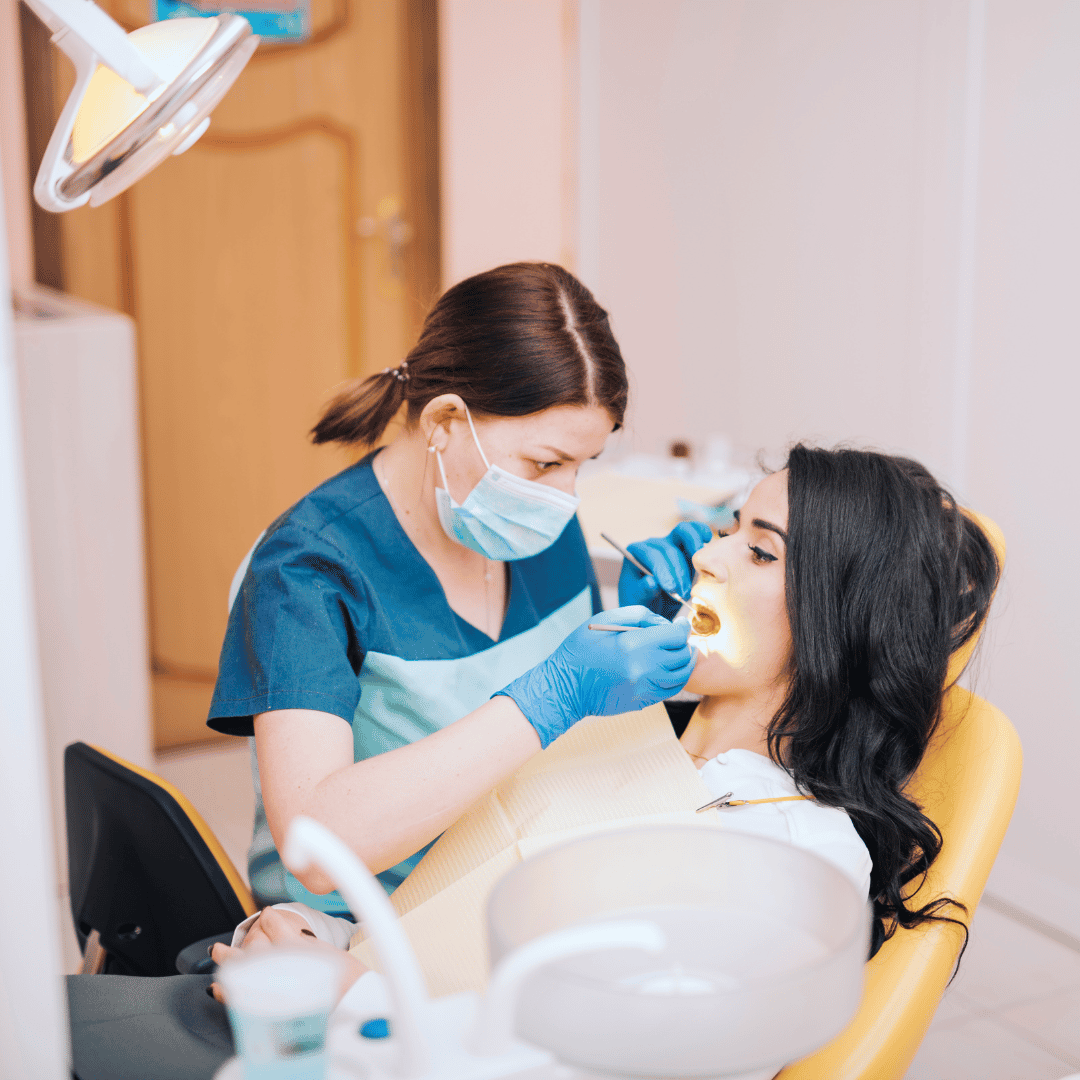
Upon arrival you will undergo an in person physical examination and updated three dimensional imaging. The actual surgery is generally performed under local anesthesia with optional conscious sedation to ensure your absolute comfort. The surgeon places the grafting material covers it with a protective membrane and sutures the soft tissue closed.
Patient Demographics and Global Travel Trends
Recent studies from national medical tourism registries indicate a steady increase in outbound patients seeking restorative procedures. The demographic profile is heavily concentrated among older adults who require structural support for subsequent permanent restorations. Understanding these trends highlights the specialized nature of clinics catering to international needs.
Data recorded between early 2024 and late 2025 shows a significant shift toward proactive structural healthcare among cross border travelers. Clinics in Costa Rica have adapted to this demographic by enhancing accessibility and streamlining complex multidisciplinary care plans.
Clinical Success Rates and Long Term Outcomes
The predictability of regenerative therapies has improved dramatically with advancements in biomaterials and surgical techniques. Contemporary scientific reviews document highly favorable survival rates for integrated matrices over extended periods. Successful maturation of the site ensures proper load bearing capacity for subsequent prosthetic attachments.
Data compiled from global maxillofacial registries published in 2024 underscores the stability of these surgical sites. When performed by highly credentialed specialists using modern sterile protocols the long term viability of the regenerated foundation remains exceptionally robust.
Complete Cost of Bone Graft Treatment in San Jose
Understanding the exact financial requirements is crucial for proper travel planning and budget management. Medical facilities structure their pricing based on clinical complexity facility fees and the specific volume of biomaterial required. You must differentiate between a standard socket preservation and a complex sinus lift procedure.
A transparent quotation should separate the surgeon fees from the diagnostic imaging and consumable materials. Patients frequently encounter hidden fees when coordinators fail to explicitly outline the cost of post operative medications and specialized protective membranes.
| Procedure Category | Estimated Cost Range USD | Clinical Scope |
|---|---|---|
| Standard Socket Preservation | $300 to $500 | Placed immediately after extraction |
| Minor Ridge Augmentation | $400 to $700 | Corrects minor to moderate density loss |
| Sinus Lift Grafting | $800 to $1,500 | Requires accessing the sinus cavity membrane |
| Complex Block Graft | $1,200 to $2,000 | Utilizes autograft for severe structural deficits |
Cost Comparison Between Costa Rica and North America
The primary catalyst for medical travel is the pronounced disparity in out of pocket expenses across borders. The regulatory environment and lower operational overhead in Costa Rica allow premier clinics to offer advanced therapies at substantially reduced rates. This economic advantage extends across all clinical phases including imaging and consultations.
When evaluating affordability you must contextualize the savings against necessary travel expenditures such as airfare and lodging. Even after incorporating all associated logistical costs many patients achieve considerable net savings particularly when combining multiple restorative therapies.
| Location | Standard Graft Cost USD | Sinus Lift Cost USD |
|---|---|---|
| United States | $800 to $1,500 | $2,500 to $5,000 |
| Canada | $700 to $1,200 | $2,000 to $4,500 |
| San Jose Costa Rica | $300 to $600 | $800 to $1,500 |
Choosing a Safe Hospital and Dental Clinic
Selecting a secure healthcare facility requires diligent research and an understanding of local regulatory frameworks. Your primary focus must be on government sanctioned licensing rather than marketing claims or generic consumer reviews. The clinic must possess current authorization from the Costa Rican Ministry of Health.
International patients should seek out clinics recognized by organizations like PROMED which actively monitors standards for cross border medical services. Evaluate the clinical environment by requesting information about their sterilization protocols and access to emergency medical transfer protocols.
How to Verify Your Oral Surgeon Credentials
The expertise of your operating specialist is the single most critical variable determining surgical success. You must ensure the clinician holds specific advanced training in oral and maxillofacial surgery or specialized periodontics. General practitioners often perform minor grafts but complex procedures demand specialized surgical residency training.
In Costa Rica reputable specialists are actively registered with the Colegio de Cirujanos Dentistas. You have the right to request their official registration number and confirm their active standing directly through the national medical council portal before transferring any deposits.
- Registration with the national medical board
- Documented residency in maxillofacial surgery
- Continuing education in regenerative medicine
- Refusal to provide specific license numbers
- Lack of verifiable before and after radiographs
- Consultations conducted solely by sales staff
Post Surgery Recovery Timeline and Patient Expectations
Biological regeneration is a meticulous process that cannot be accelerated beyond natural cellular limits. While the acute surgical recovery is brief the underlying structural maturation takes months to finalize. You will need to adhere strictly to dietary restrictions to protect the surgical site from mechanical disruption.
You can typically return to normal daily activities within a few days but strenuous physical exertion must be avoided. The matrix requires an undisturbed vascular supply to successfully fuse with your native anatomy and premature loading can cause micro movements leading to failure.
| Timeframe | Biological Process | Patient Activity Level | Action Required |
|---|---|---|---|
| Days 1 to 3 | Blood clot formation | Rest with head elevated | Apply ice packs and take prescribed antibiotics |
| Weeks 1 to 2 | Soft tissue closure | Light normal routine | Maintain soft food diet and gentle oral hygiene |
| Months 3 to 6 | Cellular integration | Normal daily activities | Avoid chewing hard items directly on the surgical site |
Potential Risks and Medical Safety Protocols
No surgical intervention is entirely devoid of inherent clinical risk. The primary complications associated with this therapy include localized infection membrane exposure and failure of the matrix to integrate properly. Nerve damage and sinus complications are rare but possible depending on the specific location of the surgery.
Highly regulated clinics mitigate these dangers through rigorous preoperative diagnostic screening and sterile intraoperative technique. Your commitment to maintaining impeccable hygiene and completing the prescribed antibiotic regimen is equally vital to preventing adverse biological events.
Healthcare System and National Regulations in Costa Rica
Costa Rica boasts one of the most advanced and stringently regulated healthcare ecosystems in Latin America. The Ministerio de Salud enforces strict quality control parameters that govern infection control facility safety and patient rights. This governmental oversight ensures that private clinics serving international travelers adhere to modernized clinical practices.
The integration of digital health records and mandatory continuing education requirements for practitioners further elevates the national standard of care. Patients traveling to San Jose benefit directly from this highly structured and monitored medical environment.
Combined Procedures and Complex Restorations
Patients frequently travel for comprehensive rehabilitation rather than isolated interventions. Regenerative surgery is most commonly paired with the subsequent placement of titanium posts for prosthetic support. In some cases minimal grafting can be performed simultaneously with the post placement to consolidate healing times.
However severe volume deficiencies usually dictate a staged approach spanning several months. Your surgical coordinator will map out a precise chronological timeline detailing exactly how many visits to San Jose are clinically necessary to finalize your comprehensive restoration.
- Suitable for minor structural defects
- Requires fewer trips abroad
- Demands excellent initial biological stability
- Mandatory for extensive vertical loss
- Ensures maximum predictable outcomes
- Requires patient patience and multiple travel phases
Traveling to San Jose for Medical Care
Executing a successful medical journey requires precise logistical coordination and an understanding of travel health principles. San Jose is served by the Juan Santamaria International Airport which connects directly to numerous major hubs in North America. You must arrange for comfortable lodging situated within close proximity to your selected clinic.
Plan your itinerary to allow at least one full day of rest before your initial consultation and several days of observation post surgery. Flying too soon after certain types of regenerative procedures particularly those involving the sinus cavity can induce severe barometric pain.
Post Surgery Aftercare and Returning Home
The continuity of care does not end when you board your flight back home. Premier international clinics establish structured remote follow up schedules to monitor your soft tissue healing through digital photographs. You must proactively establish a relationship with a local dentist willing to perform routine cleanings and take progress radiographs.
Clear communication between your international specialist and your domestic care provider ensures a seamless transition of care. Request comprehensive surgical reports and digital copies of all your operative imaging before departing the country to facilitate accurate localized management.
Frequently Asked Questions
Is it safe to get a bone graft in San Jose Costa Rica
Yes it can be highly safe when you select a clinic regulated by the Costa Rican Ministry of Health and a surgeon board certified by the national medical council. Proper vetting of sterilization standards drastically minimizes clinical risks.
How long does the initial recovery take before I can fly home
Surgeons typically recommend staying in San Jose for three to seven days after the procedure. This window allows the clinical team to monitor the early healing phase remove any non dissolvable sutures and ensure you are fit to fly.
Does the surgical procedure cause significant pain
The surgery itself is performed under local anesthesia making it highly comfortable. Post operative pain is generally moderate and easily managed with prescribed analgesics and cold compresses during the first forty eight hours.
What type of biomaterial is most commonly used
Specialists frequently utilize allograft or xenograft materials because they provide an excellent structural scaffold without requiring a second surgical site on your body. Your doctor will recommend the best option based on your biological needs.
How much money can I save traveling for this treatment
Patients often save between forty to sixty percent compared to North American pricing. A procedure costing over one thousand dollars in the United States may range from three hundred to six hundred dollars in Costa Rica.
Can my body reject the grafted material
True biological rejection is exceptionally rare because the materials undergo rigorous sterilization and demineralization. However failure can occur due to infection poor blood supply or mechanical disruption during the early healing weeks.
How long must I wait before receiving my final implants
You must typically wait three to six months for the matrix to fully mineralize and integrate with your native anatomy. Scans are required to confirm adequate density before proceeding with further restorative stages.
Will I need a visa to travel to Costa Rica for medical reasons
Citizens of the United States and Canada generally do not require a special medical visa for stays under ninety days. A valid passport and proof of a return flight are typically the only entry requirements.
What happens if I develop a complication after returning home
Reputable international clinics maintain clear communication protocols to assist remotely. You should establish contact with a local specialist prior to travel to manage any rare urgent complications without needing an immediate return flight.
Does the final quoted price include imaging and medications
Inclusions vary widely between providers. You must explicitly request an itemized breakdown to ensure consultations panoramic scans specialized membranes and postoperative prescriptions are included in your final estimate.
References
- National Health Regulation Guidelines – Ministry of Health Costa Rica
- Registry of Certified Specialists – College of Dental Surgeons of Costa Rica
- Medical Tourism Quality and Safety Standards – PROMED Costa Rica
- Global Oral Health Guidelines and Statistics – World Health Organization
- Long-Term Outcomes of Bone Augmentation Procedures (2024) – National Center for Biotechnology Information
- Health Information for Travelers to Costa Rica – Centers for Disease Control and Prevention




















Share this listing