
A Guide to Dental Tourism in Cancun, Mexico
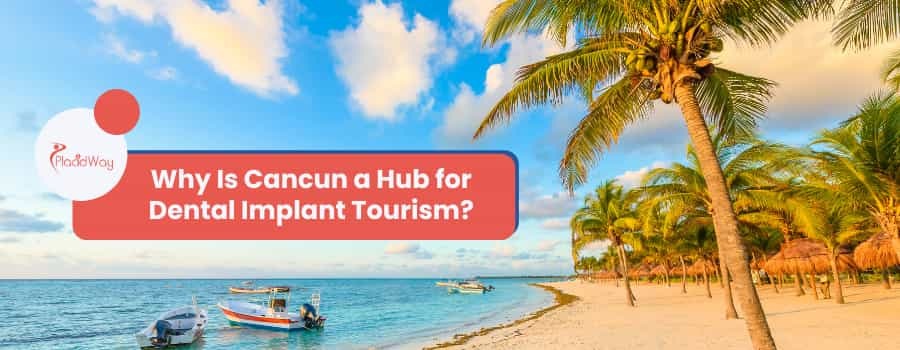
Every year, thousands of individuals cross borders seeking affordable and accessible healthcare. Among the most sought-after treatments are dental implants in Cancun. This coastal Mexican city has transformed from a purely recreational vacation spot into a prominent destination for international patients requiring complex restorative dentistry.
Navigating healthcare in another country requires careful consideration. While the financial savings can be substantial, prospective patients must balance these benefits against the realities of traveling for surgery. From understanding the credentials of local specialists to planning for long-term aftercare once you return home, gathering objective information is an essential first step. This guide explores the factors driving patients to Mexico, what you can expect during the process, and important medical and logistical considerations you should review with your local dentist before making a decision.
Key Takeaways
- Cancun attracts international patients through a combination of lower healthcare costs and proximity to North America.
- The total cost of treatment depends on individual factors like the need for bone grafting, the number of implants, and the materials used.
- Traditional implant procedures typically require at least two separate visits spaced several months apart for proper healing.
- Thoroughly vetting clinics for infection control standards and provider qualifications is critical for patient safety.
- Establishing a relationship with a local dentist at home is vital for handling routine maintenance and any potential complications.
1. What Makes Cancun a Popular Destination for Dental Implants?
One of the primary drivers of cross-border healthcare is accessibility. Cancun features a large international airport with direct, often inexpensive flights from numerous cities across the United States and Canada. This proximity makes traveling for a multi-stage procedure like dental implants logistically simpler than traveling to destinations in Europe or Asia. For many patients, a flight to Mexico takes roughly the same amount of time as a domestic flight.
In addition to geographical convenience, the local economy in this region has heavily adapted to support visiting patients. Many facilities are situated close to the hotel zone, making transportation between accommodations and clinical appointments straightforward. This established infrastructure provides a layer of comfort for individuals navigating healthcare in a foreign environment.
Finally, the exchange rate and the lower overall cost of living and operating a business in Mexico allow providers to offer treatments at a reduced price point. Patients often find that even when factoring in the cost of flights and hotels, the total expenditure remains notably lower than domestic quotes for extensive restorative work.
2. How Much Do Dental Implants Typically Cost in Cancun?
When evaluating the dental implants cost in Cancun, it is helpful to understand that restorative dentistry is rarely a flat-rate service. The final price tag depends heavily on your specific anatomical needs. A straightforward placement of a single titanium post and crown will sit on the lower end of the pricing spectrum. However, if you require preparatory procedures such as tooth extractions, sinus lifts, or bone grafting to create a stable foundation for the implant, the overall expense will increase accordingly.
Material choices also play a significant role in pricing estimates. Standard titanium posts are common and highly reliable, but patients who opt for specialized materials, such as zirconia implants or premium porcelain crowns, should expect higher costs. Similarly, full-arch restorations (often referred to as All-on-4 or All-on-6) require complex engineering and multiple implants, representing a larger financial investment.
Prospective patients should always request a detailed, itemized treatment plan before committing to a procedure. A transparent estimate should break down the cost of consultations, 3D imaging (CBCT scans), surgical placement, abutments, temporary prosthetics, and the final permanent crowns. Remember that any initial quote is an estimate; a clinical evaluation in person is the only way a provider can confirm exactly what treatment you will need.
3. What Qualifications Do Dentists in Cancun Have?
The standard of dental education in Mexico is rigorous, with licensed professionals required to complete formal university training and clinical practice. However, within the medical tourism sector, facilities often highlight providers who have gone beyond standard licensing. It is common to find specialists—such as oral and maxillofacial surgeons or periodontists—performing the surgical phase of the implant procedure, while prosthodontists handle the design and fitting of the custom crowns.
To attract international patients, many providers maintain active memberships in recognized professional organizations. You may see affiliations with groups like the American Dental Association (ADA) as affiliate members, or the International Congress of Oral Implantologists (ICOI). These memberships often indicate a commitment to keeping pace with global standards and emerging technologies.
When researching providers, patients should ask specific questions about the dentist's experience with implants. Inquire about their educational background, how many implant procedures they perform annually, and whether they handle complex cases involving bone loss. A reputable professional will be transparent about their credentials and happy to discuss their specific areas of expertise.
4. Are Dental Implants in Cancun Safe for International Patients?
Patient safety must always take precedence over potential cost savings. Any surgical procedure, including the placement of dental implants, involves risks such as infection, nerve damage, sinus problems, or implant failure. These risks exist whether you have the procedure performed in your hometown or abroad. The key to mitigating these risks lies in the standards maintained by the specific facility you choose.
Safety in medical tourism also involves understanding your own health status. Patients with underlying medical conditions, such as uncontrolled diabetes, osteoporosis, or compromised immune systems, may not be suitable candidates for dental implants or may require heavily modified treatment plans. A comprehensive medical history review should be a mandatory part of your initial consultation. If a provider seems willing to rush you into surgery without asking about your medical background, you should view that as a significant warning sign.
5. How Long Does the Dental Implant Process Take in Mexico?
A common misconception about traveling for dental care is that the entire process can be completed during a single, week-long vacation. While certain preliminary steps and the initial surgery happen quickly, biological healing cannot be rushed. The first trip typically involves the surgical placement of the implant post into the jawbone. Depending on the complexity, you may need to stay in the city for five to seven days to allow for initial healing and a post-operative checkup.
Following the surgery comes the osseointegration phase. This is a critical period lasting several months where the bone tissue naturally grows around and bonds to the implant surface, creating a strong anchor. Patients return home during this phase, often wearing a temporary denture or crown.
Once healing is confirmed, a second trip is required. During this visit, the dentist will expose the implant (if it was placed beneath the gum line), attach the abutment, and place the final, custom-fabricated crown or bridge. While "teeth in a day" or immediate-load implants are sometimes advertised, they are not medically appropriate for all patients and depend heavily on having excellent initial bone density.
6. What Types of Dental Implants Are Available in Cancun?
The materials and techniques available in major Mexican destinations closely mirror those found in modern practices worldwide. Titanium is the most widely used material for the implant post due to its proven biocompatibility and strength. For patients with specific metal allergies or aesthetic preferences, some facilities also offer zirconia (ceramic) implants, though these may have different mechanical properties and suitability constraints.
For patients missing most or all of their teeth on an upper or lower arch, full-arch rehabilitation is often considered. These procedures utilize four to six strategically placed implants to support a full fixed bridge. Because these treatments involve complex biomechanics and precise surgical angling, they require a high level of surgical skill and sophisticated prosthodontic planning.
It is important to understand that the "best" type of implant depends entirely on your clinical presentation. A thorough evaluation using a 3D CBCT scan will help the dentist assess your bone volume, nerve positioning, and sinus cavities to recommend the safest and most effective approach for your specific anatomy.
7. How Should Patients Choose a Reliable Dental Implant Clinic?
Finding a trustworthy provider is arguably the most critical step in the medical tourism journey. Do not base your decision solely on the lowest price point, as unusually low quotes may sometimes reflect compromises in material quality or a lack of specialized surgical experience. Instead, focus on the following criteria when evaluating options:
- Diagnostic Equipment: Modern implant dentistry relies heavily on 3D imaging. Ensure the clinic utilizes CBCT (Cone Beam Computed Tomography) scanners to safely plan the surgical placement.
- Communication: Clear communication is vital for informed consent. The administrative staff and treating dentists should speak your language fluently or provide qualified medical translators to ensure you fully understand the risks, benefits, and treatment plan.
- Transparency: Reliable facilities will gladly provide information regarding the brands of implants they use, their sterilization processes, and detailed, written cost estimates without pressuring you into an immediate commitment.
- Follow-Up Protocols: Ask how the facility handles complications. A responsible provider will have a clear policy on what happens if an implant fails to integrate or if prosthetic adjustments are needed.
8. What Are the Risks Associated With Dental Tourism?
While millions travel for care safely, medical tourism is not without distinct challenges. Travel itself can be physically demanding. Navigating airports, managing luggage, and dealing with changes in routine can add stress to a body that needs to focus on healing. Patients must follow strict postoperative instructions, which usually include resting, applying ice, and adhering to a soft food diet—things that can be less convenient when staying in a hotel.
Another significant risk factor is the compressed timeline often associated with travel. In a domestic setting, a dentist might space out extractions, grafting, and implant placement over several months to monitor tissue healing carefully. When traveling, there can be pressure—from both the patient and the provider—to complete multiple steps in a single, short visit. This aggressive pacing can sometimes increase the risk of complications or infection if not managed with sound clinical judgment.
Furthermore, standardizing legal and ethical recourse across borders can be difficult. If severe malpractice or disputes over treatment quality occur, international patients often have limited legal avenues compared to the protections they might have under their home country's regulatory framework.
9. How Do Patients Handle Aftercare and Potential Complications Back Home?
Aftercare is the most frequently overlooked aspect of medical tourism. Dental implants are not a "set it and forget it" solution; they require meticulous daily hygiene and regular professional cleanings to prevent peri-implantitis (inflammation and bone loss around the implant). You will need a local provider to handle this ongoing care. However, some domestic dentists are hesitant to take on the liability of maintaining or repairing complex restorative work performed in another country.
If a complication occurs—such as a loose abutment, a chipped crown, or an infection—flying back to Mexico for a minor adjustment is rarely practical or cost-effective. Therefore, it is strongly recommended that you discuss your travel plans with a local dentist beforehand. Secure their agreement to monitor your healing and step in if urgent care is required.
To facilitate this continuity of care, request complete copies of all your dental records from the treating facility before you travel home. This documentation should include preoperative and postoperative x-rays, detailed notes on the surgical procedures performed, and the exact specifications (brand, size, and material) of the implants and abutments used. This information is vital for any future provider who treats you.
10. How Does the Overall Experience Blend Medical Care with Travel?
The concept of recovering on a beautiful beach is a major draw for patients. Cancun offers numerous resorts and a relaxing atmosphere, which can provide a peaceful environment for the initial days of recovery. However, it is crucial to temper vacation expectations with medical reality. Dental implant surgery requires downtime, and patients often experience swelling, minor discomfort, and dietary restrictions in the days following the procedure.
Treating providers generally provide strict instructions regarding physical activity. For instance, elevating your heart rate through vigorous exercise can increase the risk of bleeding at the surgical site. Swimming in the ocean or hotel pools is also typically restricted due to the significant risk of introducing bacteria into the healing surgical wounds.
To make the most of the trip while remaining safe, patients should plan low-impact activities. Sightseeing from comfortable transportation, enjoying the coastal views from a shaded resort balcony, or relaxing in a hotel room are appropriate ways to pass the time. Always structure your itinerary around your medical appointments and recovery needs, rather than trying to fit clinical visits into a busy tourist schedule.
Why Choose PlacidWay for Medical Tourism?
PlacidWay is a medical tourism resource designed to help patients gather information about global healthcare options.
- Global Directory: Provides access to a wide-ranging directory of medical centers and dental clinics in various countries, including Mexico.
- Provider Information: Displays available details regarding facility accreditations, dentist credentials, and treatment capabilities to aid in your research.
- Direct Comparisons: Allows prospective patients to compare estimated pricing structures and treatment options across multiple international clinics.
- Educational Resources: Offers guides, articles, and patient resources focused on navigating the complexities of cross-border healthcare.
- Initial Connections: Facilitates the initial contact between international patients and healthcare providers to begin the consultation process.
Frequently Asked Questions
Do I need a passport to travel to Cancun for dental work?
Yes, international travelers flying into Mexico from the United States, Canada, and most other countries are required to present a valid passport to enter the country and return home.
Can I get dental implants and crowns in a single trip?
Typically, traditional dental implants require two separate trips. The first trip involves placing the implant, followed by a healing period of several months. A second trip is usually necessary to place the final permanent crown.
What happens if my implant fails after I return home?
If complications arise after returning home, you will need to seek care from a local dentist or oral surgeon. It is highly recommended to establish a relationship with a local provider who is willing to assist with follow-up care before you travel.
Are bone grafts always necessary before getting implants?
No, bone grafting is not always required. It is usually only necessary if a patient lacks sufficient jawbone density to securely anchor the titanium post. Your dentist will determine this using 3D imaging during your consultation.
How do clinics in Cancun communicate with English-speaking patients?
Many clinics that cater to international patients employ bilingual staff, and dentists often speak fluent English, especially those who have completed continuing education or specialized training in the United States or Canada.
Is it okay to swim in the ocean or pools after implant surgery?
Dentists generally advise against swimming in oceans, pools, or using hot tubs immediately following oral surgery to reduce the risk of infection and prevent elevated blood pressure, which can cause bleeding at the surgical site.
Can medical conditions like diabetes affect my eligibility for implants?
Yes, certain systemic conditions, including uncontrolled diabetes or autoimmune disorders, can impair healing and increase the risk of implant failure. You should disclose your complete medical history so a professional can accurately assess your eligibility.
Do Cancun dental clinics use the same implant brands as US dentists?
Many clinics in popular medical tourism destinations utilize internationally recognized implant brands that are also widely used by dentists in the US and Europe. You can ask the clinic for specific brand names and material specifications before your trip.
What should I pack for a dental tourism trip to Mexico?
Pack all necessary medical records, dental x-rays, comfortable clothing, any prescribed medications, over-the-counter pain relievers, and soft foods for your immediate recovery phase in your hotel room.
How soon after surgery can I fly back home?
Most patients are advised to wait a few days after implant surgery before flying. Changes in cabin pressure can sometimes cause discomfort or minor bleeding, so it is best to get clearance from your treating dentist before boarding a plane.
Ready to Explore Your Dental Options?
Compare treatment options and connect with international providers to begin your research.
Request Treatment InformationReferences
- Medical Tourism: Travel for Medical Care – Centers for Disease Control and Prevention (CDC)
- Dental Implants – American Dental Association (ADA)
- Dental Implants: What You Should Know – U.S. Food and Drug Administration (FDA)
- Complications and treatment errors in dental implantology – National Center for Biotechnology Information (NCBI)
- Dental implant surgery: Risks and what you can expect – Mayo Clinic
- Infection Prevention & Control in Dental Settings – Centers for Disease Control and Prevention (CDC)


























Share this listing