


Zygoma Implants Turkey: Eligibility for Severe Bone Loss
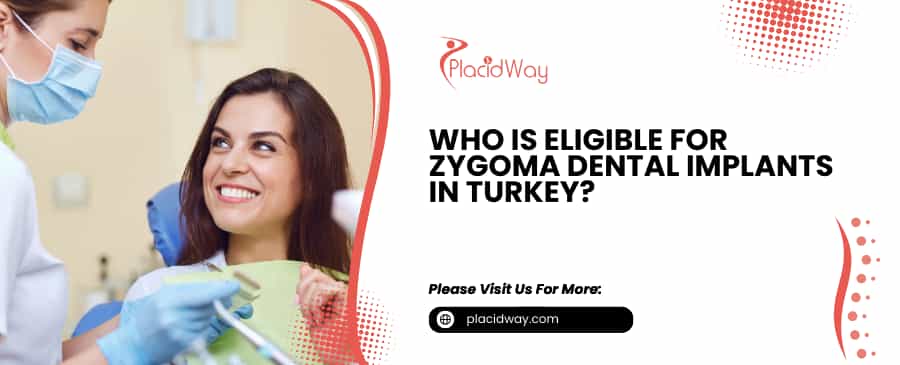
Welcome! If you're exploring options for a full and functional smile, especially after significant tooth loss or bone degradation, you've likely come across various dental implant solutions. Among the most advanced is the zygoma implant, a specialized technique offering hope to those told they don't have enough bone for traditional implants. Turkey has emerged as a leading destination for such specialized dental procedures, attracting patients globally due to its blend of high-quality care, experienced professionals, and cost-effectiveness.
Understanding who qualifies for zygoma implants in Turkey is crucial for anyone considering this life-changing procedure. This comprehensive guide aims to shed light on the eligibility criteria, the assessment process, and what makes Turkey a preferred choice for medical tourism in this field. We'll delve into the specifics, providing clear, concise answers to your most pressing questions to help you determine if this advanced dental solution is right for you.
Who is the ideal candidate for zygoma implants in Turkey?
Zygoma implants are specifically designed for individuals facing substantial bone resorption in the maxilla (upper jaw). This condition often means there isn't enough natural bone to support standard dental implants, even with bone grafting procedures. Patients who have worn dentures for many years, those who have suffered from advanced periodontal disease, or individuals who have experienced trauma or surgical removal of tumors in the upper jaw often present with this level of bone deficiency.
Essentially, if you've been told you're not a candidate for traditional dental implants because of a lack of bone, zygoma implants could be your solution. These longer implants anchor into the strong zygomatic bone (cheekbone) instead of the jawbone, bypassing the need for extensive bone grafting and often allowing for immediate function with temporary prosthetics. This approach significantly reduces treatment time and offers a stable foundation for a new set of teeth, restoring both aesthetics and chewing function effectively.
What causes severe upper jaw bone loss requiring zygoma implants?
Bone loss in the upper jaw is a progressive condition that can severely impact oral health and quality of life. Understanding its causes is key to appreciating why zygoma implants are sometimes the only viable option. The most common trigger is long-term tooth loss. When teeth are missing, the jawbone no longer receives the stimulation it needs from chewing, leading to a gradual process of resorption where the bone shrinks over time.
Another major contributor is advanced periodontal (gum) disease. This bacterial infection can destroy the soft tissues and bone that support your teeth, leading to tooth mobility and eventual loss, accompanied by significant bone degradation. Other causes include severe facial trauma, which can damage the jawbone structure, or surgical procedures to remove large cysts or tumors from the upper jaw, which might leave behind insufficient bone volume. In rare cases, certain systemic conditions or long-term use of specific medications can also contribute to bone loss.
Are there medical conditions that might prevent eligibility for zygoma implants?
While zygoma implants offer a solution for many, certain underlying health conditions can influence eligibility. The overall health of the patient is paramount for any surgical procedure, including implant placement. Conditions that severely compromise the body's healing ability or increase the risk of infection can be contraindications. For instance, uncontrolled diabetes can impair wound healing and increase the risk of implant failure. Similarly, individuals with active autoimmune diseases or those undergoing certain medical treatments that suppress the immune system may face higher risks.
Other factors include a history of radiation therapy to the head and neck area, which can affect bone quality and healing, and certain bone metabolic diseases. Heavy smoking is also a significant risk factor, as it can compromise blood flow and healing, potentially leading to implant failure. It's crucial for patients to provide a complete and accurate medical history during their consultation, as the dental specialist will assess these factors carefully to ensure patient safety and the long-term success of the zygoma implants.
How does a clinic in Turkey determine eligibility for zygoma implants?
The process of determining eligibility for zygoma implants in Turkey is meticulous and thorough, mirroring international best practices. It typically begins with a detailed review of your medical and dental history. You'll be asked about any existing health conditions, medications you're taking, and previous dental treatments. This initial step helps the surgical team understand your overall health profile and identify any potential risks or complications.
The most critical component of the assessment is advanced imaging. This usually involves a Cone Beam Computed Tomography (CBCT) scan, which provides a detailed 3D view of your jawbones, sinuses, and the zygomatic bone. This imaging allows the surgeon to accurately measure bone density and volume, assess the proximity of vital structures like nerves and sinuses, and plan the precise placement of the zygoma implants. Based on these findings and a physical oral examination, the specialist will determine if you are a suitable candidate and discuss the proposed treatment plan with you.
What are the benefits of choosing Turkey for zygoma implant procedures?
Turkey has firmly established itself as a global hub for medical tourism, particularly for specialized dental procedures like zygoma implants. One of the most compelling advantages is the significant cost savings compared to countries in North America or Western Europe. These savings do not come at the expense of quality; rather, they reflect lower operating costs and a favorable exchange rate, making high-quality treatment accessible to a wider range of patients.
Beyond affordability, Turkish clinics often boast state-of-the-art facilities equipped with the latest dental technologies and adhere to international standards of hygiene and patient care. The country is home to highly skilled and experienced oral and maxillofacial surgeons who specialize in complex implantology, including zygoma implants. Many of these professionals have received international training and are members of prestigious dental organizations. Furthermore, the opportunity to combine a significant medical procedure with a recovery period in a culturally rich and scenic destination adds an attractive dimension to the overall experience, offering a more relaxed and enjoyable recovery.
What is the typical cost range for zygoma implants in Turkey compared to other countries?
The cost of zygoma implants can be a significant consideration for many patients, and this is where Turkey truly shines as a medical tourism destination. While exact prices vary based on the number of implants required, the complexity of the case, the specific clinic, and the materials used for the final prosthesis, patients can expect substantial savings compared to similar treatments in the USA, Canada, UK, or Western Europe.
To provide a general comparison, a full arch zygoma implant procedure in Western countries can easily run into tens of thousands of dollars. In Turkey, the same high-quality procedure, often performed by equally qualified specialists using comparable materials, can be considerably more affordable. This price difference makes Turkey an attractive option for patients seeking advanced dental solutions without compromising on quality or safety. It's important to obtain a detailed quote from your chosen clinic that outlines all aspects of the treatment, including surgical fees, implant costs, provisional prosthetics, and final restorations.
How long is the recovery period for zygoma implants?
The recovery process after zygoma implant placement is generally well-managed and follows a predictable timeline. Immediately after the procedure, patients may experience some swelling, bruising, and mild discomfort, which can be controlled with prescribed pain medication. The first few days are crucial for resting and allowing the initial healing to begin. Most patients are able to return to light, non-strenuous activities within a few days to a week.
During this initial phase, a soft diet is recommended to avoid putting undue pressure on the healing sites. While the temporary teeth may be placed shortly after surgery, allowing for immediate aesthetics and limited function, the complete integration of the zygoma implants with the bone (osseointegration) takes several months. This biological process is vital for the long-term stability of the implants. Once osseointegration is complete, the final, permanent prosthesis will be placed, providing full function and a natural-looking smile.
Can individuals with long-term denture use be eligible for zygoma implants?
Patients who have relied on removable dentures for an extended period often experience significant bone loss in their upper jaw. This occurs because dentures only sit on the gum line and do not provide the necessary stimulation to the underlying bone. Over time, the jawbone recedes, leading to ill-fitting dentures, discomfort, difficulty eating, and an aged facial appearance. For these individuals, conventional dental implants are frequently not an option due to the severe lack of bone.
Zygoma implants offer a revolutionary solution in such cases. By anchoring into the robust zygomatic bone, they bypass the atrophied upper jawbone entirely. This means that even after decades of denture use and extensive bone resorption, patients can finally achieve a fixed, stable, and permanent set of teeth. This transformation not only restores chewing ability and speech but also significantly improves quality of life and self-confidence, making zygoma implants a highly beneficial option for long-term denture wearers.
What specific diagnostic tests are required for zygoma implant eligibility in Turkey?
To ensure the highest safety and success rates for zygoma implants, Turkish clinics follow a thorough diagnostic protocol. The primary diagnostic tool is the Cone Beam Computed Tomography (CBCT) scan. This advanced 3D imaging technology provides detailed cross-sectional views of the jaw and facial bones, allowing the surgeon to precisely map the anatomy, assess bone quantity and quality, and identify critical structures like nerves, blood vessels, and sinuses. The CBCT scan is indispensable for meticulously planning the implant placement, especially given the complex anatomy involved with zygoma implants.
In addition to CBCT scans, panoramic X-rays may be taken to provide a broader view of the entire mouth. A detailed clinical examination of the oral cavity is also performed to assess gum health, existing teeth (if any), and bite alignment. Furthermore, to evaluate the patient's overall health and suitability for surgery, blood tests might be requested. These tests check for conditions like diabetes, clotting disorders, or infections that could impact the procedure or recovery. The combination of these diagnostic tests ensures a comprehensive understanding of the patient's condition and guides the optimal treatment strategy.
How does PlacidWay assist patients seeking zygoma implants in Turkey?
Navigating the world of medical tourism, especially for a complex procedure like zygoma implants, can feel overwhelming. This is where a trusted medical tourism facilitator like PlacidWay becomes an invaluable partner. PlacidWay specializes in connecting international patients with top-tier healthcare providers in destinations like Turkey, ensuring a seamless and stress-free experience from start to finish. They act as a bridge, helping you find highly reputable dental clinics and experienced specialists who perform zygoma implants, ensuring that your choice is informed and aligns with your specific needs and budget.
PlacidWay goes beyond just providing clinic recommendations. Their comprehensive services often include assistance with obtaining detailed treatment plans and cost estimates, coordinating appointments, and facilitating communication with the dental team. They can also help with travel logistics, such as accommodation, airport transfers, and even local support during your stay in Turkey. By streamlining these processes, PlacidWay allows patients to focus entirely on their health and recovery, confident that all the practical aspects of their medical journey are being expertly handled.
Ready to explore your options for advanced dental solutions like zygoma implants in Turkey? PlacidWay is your trusted partner, connecting you with top-tier global healthcare providers. Contact us today to learn more about how we can facilitate your medical journey and help you achieve a healthier, more confident smile.



.png)
.png)






.png)

Share this listing