
Nuevo Progreso Dental Prices: How Much Are E-max Veneers?
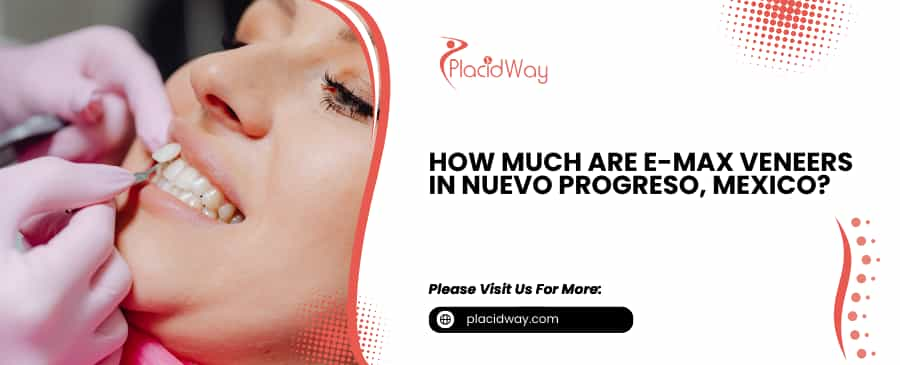
The estimated cost of E-max veneers in Nuevo Progreso, Mexico typically ranges from $350 to $450 per tooth. This is generally lower than US prices, though final costs depend on your specific dental needs, the clinic, and case complexity.
Many patients traveling from the United States consider E-max veneers in Nuevo Progreso, Mexico as an option to restore or alter the appearance of their smiles. Located just across the border from South Texas, the city has developed a distinct focus on cross-border dental care.
While researching the E-max veneers cost in Nuevo Progreso, Mexico, it helps to understand not just the financial aspects, but also what the procedure entails, how clinics operate, and the realities of traveling for healthcare. Every dental procedure carries risks and variables, and costs can fluctuate based on the specific anatomical needs of the patient.
Key Takeaways
- Estimated Pricing: E-max veneers in the area usually range from $350 to $450 per tooth.
- Material Quality: E-max is made from lithium disilicate, known for its durability and translucent, natural appearance.
- Location Convenience: Nuevo Progreso is highly accessible for those driving from or through Texas.
- Consultation is Required: An in-person dental evaluation and X-rays are necessary to confirm if you are an appropriate candidate.
- Varying Outcomes: Results, longevity, and patient satisfaction depend heavily on individual oral health and post-treatment care.
1. What are E-max veneers and why do patients choose them?
E-max veneers are ultra-thin dental restorations made from lithium disilicate glass-ceramic. Patients often choose them because they offer a blend of high physical strength and realistic translucency.
Dental veneers serve as custom-made shells designed to cover the front surface of teeth. They aim to improve the color, shape, size, or length of the visible smile. E-max, a specific brand and type of ceramic material, has gained prominence in restorative dentistry due to its robust structural integrity.
Because the material is inherently stronger than traditional feldspathic porcelain, dental laboratories can craft E-max veneers in thinner layers. This occasionally allows the dentist to remove less natural tooth enamel during the preparation stage, though the exact amount of enamel reduction varies by individual anatomy.
While they are durable, they are not indestructible. Proper candidate selection is necessary, as patients with severe teeth-grinding habits (bruxism) may still risk fracturing these restorations.
2. What variables influence the exact price you pay?
The total cost depends on the number of veneers needed, any required preparatory treatments like deep cleaning or root canals, and the specific technology utilized by the clinic.
When requesting estimates from an E-max veneers clinic in Nuevo Progreso, Mexico, the quoted price per tooth is usually just one part of the financial picture. Your unique oral health status plays a major role in the final bill.
- Pre-existing dental issues: If a dentist discovers active gum disease or severe decay during your consultation, these conditions must be treated before veneers can be safely placed.
- Number of restorations: Treating a full upper arch will naturally cost more than treating a single chipped incisor.
- Diagnostic imaging: 3D scans, panoramic X-rays, and comprehensive consultations may incur separate fees.
- Laboratory methods: Clinics using on-site CAD/CAM milling machines for same-day delivery may price their services differently than those sending impressions to an external lab.
Expert Insight
Always request a comprehensive, written treatment plan after your initial physical evaluation. Preliminary quotes given over email or phone are estimates and often change once a dentist performs a clinical examination.
3. How does pricing compare between the US and Nuevo Progreso?
E-max veneers in the United States often range from $1,200 to $2,500 per tooth, whereas estimates in Nuevo Progreso generally sit between $350 and $450 per tooth.
The difference in healthcare and administrative overhead is the primary reason for this gap. Mexican clinics often face lower costs for commercial real estate, staffing, and operational expenses, allowing them to offer lower out-of-pocket prices to patients.
However, when calculating potential savings, patients must factor in the logistical costs associated with medical tourism in Nuevo Progreso, Mexico. You will need to account for fuel, flights, accommodations, tolls, and meals for the duration of your stay or across multiple visits. In some cases, the cost of travel can offset the savings on a single tooth, meaning the financial benefit is usually more noticeable when multiple teeth require treatment.
4. What is the typical treatment timeline for this procedure?
The traditional process takes a few days to a week, requiring at least two appointments: one for tooth preparation and taking impressions, and a second for bonding the final veneers.
During the first appointment, the dentist evaluates your oral health and prepares the teeth. This usually involves removing a fraction of a millimeter of enamel under local anesthesia to ensure the veneer sits flush against the gum line. The dentist then takes digital or physical impressions to guide the laboratory in creating your custom E-max restorations.
You may wear temporary acrylic veneers while waiting. Once the permanent restorations are ready, you return to the clinic. The dentist checks the fit, shape, and color, makes any necessary minor adjustments, and permanently bonds them to your teeth.
Some clinics equipped with CAD/CAM technology (like CEREC) might offer expedited services. In these cases, the digital impression is sent directly to an in-house milling machine, potentially allowing the veneers to be fabricated and placed on the same day or the next day.
5. What are the potential risks and complications?
Complications can include tooth sensitivity, gum irritation, veneer detachment, or the need for a future root canal if the underlying tooth suffers trauma.
Because getting veneers usually requires removing a thin layer of healthy enamel, the procedure is largely irreversible. The treated teeth will always require some form of covering. Patients commonly experience increased sensitivity to hot and cold temperatures following the preparation phase, which may persist for a few weeks after the final bonding.
Other potential risks include the veneer chipping or debonding from the tooth. While E-max is durable, biting into hard objects like ice, pens, or hard candies can cause damage. Furthermore, if the veneer margins are not precisely matched to your natural gum line, it can lead to plaque accumulation, gum inflammation, or decay of the natural tooth structure underneath.
Any patient experiencing severe, throbbing pain or signs of infection after returning home should promptly seek care from a local licensed dental professional.
6. Who is considered a suitable candidate for veneers?
Suitable candidates generally have healthy gums, sufficient enamel, and mild to moderate cosmetic concerns such as slight discoloration or minor gaps.
An in-person clinical assessment is the only way to confirm eligibility. Dentists typically look for a stable oral foundation; any active periodontitis (gum disease) or significant tooth decay must be resolved before elective cosmetic procedures can begin.
Veneers may not be appropriate for everyone. Individuals with severely misaligned teeth may need orthodontic treatment (like braces or clear aligners) prior to considering veneers. Additionally, patients who heavily clench or grind their teeth may be advised against veneers, or they may be required to wear a custom nightguard to protect the ceramic from fracturing while they sleep.
7. How should you evaluate a clinic in Nuevo Progreso?
Patients should research a clinic's hygiene protocols, the specific credentials of the treating dentist, and the materials they utilize in their laboratory.
When selecting a facility, thorough due diligence helps mitigate risks. Begin by confirming the dentist’s educational background and whether they belong to recognized professional associations. Prosthodontists or cosmetic dentists usually have additional training specifically focused on complex restorative work.
It is helpful to ask specific questions before your trip. You might inquire about their sterilization protocols, whether they use authentic E-max materials, and what sort of diagnostic equipment is available on-site. Transparency regarding potential complications and the necessity of follow-up care is a good indicator of professional responsibility.
Important Consideration
You will be receiving medical care in a foreign jurisdiction. Understanding the limits of your legal recourse and cross-border medical liability is essential if you experience undesirable outcomes.
8. What travel logistics are involved in visiting Nuevo Progreso?
Visitors commonly drive to the border town of Progreso, Texas, park on the US side, and walk across the pedestrian bridge directly into the commercial and medical district of Nuevo Progreso.
The layout of Nuevo Progreso is unique compared to larger medical tourism destinations. The main street, situated immediately past the port of entry, is densely populated with dental clinics, pharmacies, and restaurants, making it highly walkable.
Patients traveling from further away typically fly into local Texas airports—such as Valley International Airport in Harlingen or McAllen International Airport—rent a car, and drive to the border. Proper identification, such as a valid US passport, is required for reentry into the United States.
9. How long do E-max veneers typically last?
With excellent oral hygiene and routine dental examinations, E-max veneers can often last 10 to 15 years, though some may require replacement sooner due to damage or natural changes in the mouth.
Longevity is heavily dependent on the patient's daily habits. While the ceramic itself cannot decay, the natural tooth structure supporting it is still vulnerable to cavities, especially around the margins where the veneer meets the gum line. If a cavity forms, the veneer may need to be removed to treat the decay.
Patients can help maximize the lifespan of their restorations by brushing twice daily with a non-abrasive toothpaste, flossing regularly, and attending professional cleanings. Using the teeth as tools—such as opening packages or tearing tape—significantly increases the risk of fracturing the veneer.
10. What does the aftercare process involve once you return home?
Proper aftercare includes maintaining standard oral hygiene, wearing a nightguard if recommended, and establishing a relationship with a local dentist for regular monitoring.
Following the placement of your veneers, you might experience mild sensitivity or need time to adjust to your new bite alignment. It is important to chew carefully during this initial adjustment period.
A critical component of medical tourism is ensuring you have continuity of care once you cross back into your home country. Not all local dentists are willing to modify or repair extensive restorative work performed abroad due to liability concerns. It is wise to find a local provider who is comfortable taking over your routine maintenance and cleanings so your overall oral health can be monitored long-term.
Why Choose PlacidWay for Medical Tourism?
Planning international dental care requires gathering accurate information. PlacidWay serves as an educational resource to assist patients exploring global healthcare options.
- Informational Access: PlacidWay provides directory listings to help patients research international dental facilities.
- Provider Profiles: Patients can view details regarding a clinic’s services and technology before reaching out.
- Cost Comparisons: The platform offers access to estimated pricing structures across different geographical regions.
- Communication Support: PlacidWay facilitates initial contact between patients and overseas healthcare administrators.
- Global Options: The service connects individuals with varied healthcare destinations worldwide, assisting in the research phase of medical tourism.
Frequently Asked Questions
Do I need a passport to visit Nuevo Progreso for dental work?
Yes, a valid passport or passport card is typically required to cross the border back into the United States from Mexico, even for short day trips for dental care.
Can I use my US dental insurance in Mexico?
Some US dental insurance plans, particularly certain PPO networks, may offer partial reimbursement for out-of-network care received abroad. However, patients usually have to pay out-of-pocket upfront and submit claims themselves. You should verify international coverage directly with your provider.
Is it safe to walk across the border into Nuevo Progreso?
Many patients park on the Texas side (Progreso, Texas) and walk across the pedestrian bridge to dental clinics. While this specific border crossing is heavily utilized by dental tourists, you should always review current US Department of State travel advisories before your trip.
Do dental teams in Nuevo Progreso speak English?
Because the area caters heavily to US and Canadian visitors, many dentists and their administrative staff in Nuevo Progreso speak fluent English to facilitate clear communication about treatment plans.
Does the preparation for E-max veneers hurt?
Dentists typically use local anesthesia to numb the teeth and surrounding gums before removing any enamel. While you may feel some pressure, the procedure itself should not be painful. Mild sensitivity for a few days afterward is common.
Can E-max veneers stain over time?
Lithium disilicate (E-max) is highly resistant to staining compared to natural enamel. However, the dental cement used to bond them or the margins around the gumline can accumulate stains if oral hygiene is neglected.
What happens if a veneer cracks after I return home?
If a complication arises, you will likely need to see a local dentist for immediate evaluation. While some Mexican clinics offer warranties on their work, repairing or replacing the veneer often requires traveling back to the original clinic or paying a local provider for the repair.
Can I get temporary veneers while the E-max ones are made?
Yes. If your teeth require preparation (enamel removal), the dentist will typically place temporary acrylic veneers to protect your teeth and reduce sensitivity while the permanent E-max restorations are fabricated in the laboratory.
Are hidden fees common when getting dental work in Mexico?
Reputable clinics usually provide a clear, itemized treatment plan after your physical consultation. To avoid surprises, ask for a comprehensive breakdown that includes consultations, X-rays, temporary veneers, medications, and the final restorations before agreeing to treatment.
How do E-max veneers compare to traditional porcelain?
E-max veneers are made from lithium disilicate, which is generally stronger and more durable than traditional feldspathic porcelain. This allows them to be fabricated in thinner layers, potentially requiring less enamel removal during the preparation phase.
Compare Treatment Options
Explore dental facilities, evaluate estimated costs, and gather the information you need for your dental journey.
Request Treatment InformationMedical Disclaimer: The information provided in this article is for educational purposes only and does not constitute medical or dental advice. Individual suitability, risks, recovery, and costs vary significantly based on patient anatomy and the specific clinic chosen. Always consult with a qualified, licensed dental professional to determine if this treatment is appropriate for your specific health needs.
References
- Veneers – American Dental Association (ADA)
- Medical Tourism Guidelines – Centers for Disease Control and Prevention (CDC)
- Mexico Travel Advisory – U.S. Department of State
- Tooth Decay Information – National Institute of Dental and Craniofacial Research (NIDCR)
- Clinical Evaluation of Lithium Disilicate Restorations – National Library of Medicine (PubMed)
- Dental Devices Overview – U.S. Food and Drug Administration (FDA)
























Share this listing