
Dental Tourism: Combining a Vacation with All-on-4 in Puerto Vallarta
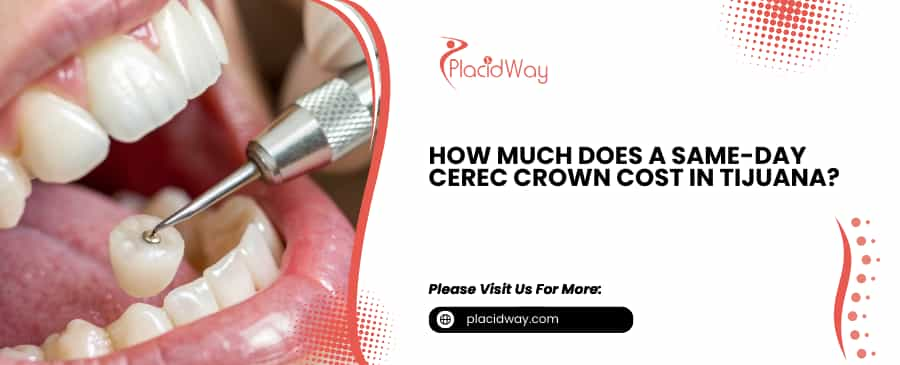
For many patients facing dental pain or a damaged tooth, getting a crown traditionally involves multiple visits, uncomfortable putty impressions, and wearing a fragile temporary crown for weeks. The advent of CAD/CAM dental technology has changed this process entirely. Choosing to get a same day CEREC crown in Tijuana has become an increasingly popular option for international patients seeking to combine advanced dental technology with more accessible pricing.
Key Takeaways
- CEREC technology allows dentists to design, mill, and place a custom ceramic crown in just one appointment, usually lasting 2 to 3 hours.
- Prices in Tijuana are typically 50% to 70% lower than in the United States or Canada due to regional economic differences.
- The procedure eliminates the need for messy impression trays and fragile temporary crowns.
- Not every patient is an ideal candidate; extensive tooth damage or severe teeth grinding may require different treatment approaches.
- When planning dental travel, factor in transportation, potential wait times at the border, and the possibility of requiring a follow-up visit.
What exactly is a same-day CEREC crown?
Traditional dental crowns require the dentist to prepare your tooth, take a physical impression using a sticky alginate or silicone material, and send that mold to an off-site dental laboratory. You are then sent home with a temporary plastic crown. Weeks later, you return for a second appointment to have the permanent crown fitted.
The CEREC method digitizes and condenses this workflow. Instead of physical impressions, the dentist uses a specialized intraoral camera to take high-resolution 3D images of your prepared tooth. This digital model is then used to design your crown on a computer screen. Once the design is finalized, the data is sent to a milling unit located right in the dental office. The machine carves your new crown out of a solid block of tooth-colored ceramic in just minutes.
Why are CEREC crowns more affordable in Tijuana?
Many patients wonder how clinics in Mexico can offer the same technology at a fraction of the price. The explanation lies in basic economics. Dentists in Mexico generally operate with lower overhead costs. This includes lower rent for commercial clinic spaces, lower labor costs for dental assistants and administrative staff, and significantly less expensive malpractice insurance premiums.
Furthermore, dental education in Mexico is often heavily subsidized by the government. Dentists typically graduate with far less student loan debt compared to their counterparts in the United States. These economic advantages allow clinics to purchase the exact same expensive CAD/CAM machinery and ceramic blocks from global dental suppliers while passing the operational savings on to the patient.
Are there any hidden fees with a same day CEREC crown cost in Tijuana?
When evaluating a same day CEREC crown cost in Tijuana, you must understand what is included in the initial quote. In most cases, the $400 to $650 range covers the crown itself and the immediate labor required to place it. However, a tooth that needs a crown is often a tooth that has suffered significant decay or trauma.
You may encounter necessary additional procedures, such as:
- Root Canal Therapy: If the dental pulp is infected, a root canal will be required before a crown can be placed. This is a separate, additional cost.
- Core Build-up: If a large portion of the natural tooth structure is missing, the dentist must rebuild the foundation of the tooth using composite material so it can adequately support the crown.
- Diagnostic X-rays: Initial panoramic or periapical X-rays needed to assess the root health may be billed separately.
- Sedation: While local anesthesia is usually included, if you request oral sedatives or IV sedation for dental anxiety, this will incur an extra fee.
How does the CEREC procedure work in a single visit?
Understanding the steps involved can help alleviate dental anxiety. Typically, your appointment will follow this structured process:
| Step | Procedure Detail | Estimated Time |
|---|---|---|
| 1. Preparation | Local anesthesia is administered. The dentist removes decay and shapes the tooth to accommodate the crown. | 30 - 45 mins |
| 2. Optical Impression | A small wand-like camera takes rapid digital images of the prepared tooth and surrounding bite. | 5 - 10 mins |
| 3. Digital Design | Proprietary software processes the images, and the dentist designs the crown to fit your bite perfectly. | 10 - 20 mins |
| 4. Milling | The data is sent to the milling unit, which carves the crown from a block of medical-grade ceramic. | 15 - 20 mins |
| 5. Bonding | The crown may be fired in an oven for extra strength, then it is permanently cemented onto your tooth. | 20 - 30 mins |
Are CEREC crowns as durable as traditional crowns?
Early generations of same-day crowns faced some criticism regarding material strength, but dental technology has evolved significantly. Today, clinics use advanced materials like lithium disilicate or high-strength zirconia blends. These materials are incredibly dense and resistant to fracturing under normal chewing forces.
Because CEREC crowns are milled from a single, solid block of material, they lack the structural vulnerabilities that can sometimes affect older porcelain-fused-to-metal (PFM) crowns, where the porcelain layer could chip away from the metal base. However, longevity always depends on proper bite alignment and the patient's oral habits.
Who is a suitable candidate for a same day CEREC crown in Tijuana?
While CEREC is highly versatile, it is not the right solution for every dental problem. A thorough clinical evaluation is necessary. You may be a good candidate if you need to protect a tooth after a root canal, replace a large metal filling that is breaking down, or restore a tooth fractured by trauma.
Conversely, you might not be an ideal candidate if a fracture extends deep below the gum line, making it difficult for the optical camera to capture an accurate margin. Additionally, patients with severe bruxism (chronic nighttime teeth grinding) might require a specialized full-zirconia or cast gold crown, which can withstand extreme biting forces better than standard ceramics.
How long do CEREC crowns typically last?
The lifespan of any dental restoration is highly dependent on the environment inside your mouth. While the ceramic material of the crown cannot get cavities, the natural tooth structure underneath the crown is still vulnerable to decay, particularly at the margin where the crown meets the gum line.
To maximize the life of your investment, you should brush twice daily with fluoride toothpaste, floss carefully around the crown to remove plaque, and avoid using your teeth as tools (such as opening packaging or biting ice). If you have a known history of teeth grinding, wearing a custom night guard while you sleep can protect your new crown from excessive wear and potential fracture.
What are the potential risks and complications of CEREC crowns?
As with any dental intervention, there are inherent risks. The process of drilling a tooth generates friction and heat, which can occasionally irritate the inner dental pulp. This typically presents as sensitivity to hot or cold foods that resolves over a few weeks. If the sensitivity persists or evolves into a throbbing ache, the tooth's nerve may have been irreversibly damaged, meaning a root canal could be necessary.
Another potential complication is a slight misalignment in your bite. Even with precise 3D mapping, the new crown might sit fractionally high. If you notice pain when you chew, you should contact a dentist immediately, as an uneven bite can cause trauma to the tooth ligaments or cause the ceramic to chip.
What should I look for in a same day CEREC crown clinic in Tijuana?
- Infection Control: Check if the clinic adheres to international sterilization standards comparable to OSHA guidelines in the US.
- Technology Versions: CAD/CAM software and hardware update frequently. Inquire if the clinic utilizes current-generation scanning and milling units.
- Provider Credentials: Look for dentists who have specific training, certifications, or extensive experience with digital dentistry and single-visit restorations.
- Transparent Pricing: A reputable clinic should provide a detailed, itemized estimate before beginning any treatment, outlining what is and isn't included.
- Language and Communication: Ensure the clinic has fluent English-speaking staff or dedicated patient coordinators so you can clearly understand your diagnosis and treatment options.
How does medical tourism in Tijuana impact your dental care?
Tijuana is one of the busiest land border crossings in the world, positioned just south of San Diego, California. Thousands of international patients travel there daily specifically for healthcare. Many well-established dental clinics are located in secure medical districts close to the border, and some offer shuttle services directly from the US side or from the San Diego airport.
When planning your trip, remember that you will need a valid passport to cross back into the United States. Many clinics can provide a medical fast pass (Pase Médico) to their patients, which grants access to a dedicated lane that significantly reduces the wait time when driving back into the US. Always allocate enough time in your travel schedule in case your dental procedure takes longer than expected or requires minor adjustments the following day.
Why Choose PlacidWay for Medical Tourism?
Navigating international healthcare options can be a complex process. PlacidWay is a medical tourism platform designed to help patients research global treatment options.
- Extensive Educational Resources: PlacidWay offers detailed guides, articles, and destination information to help patients understand international healthcare landscapes.
- Access to Provider Profiles: The platform allows users to review the profiles, available technologies, and listed accreditations of international clinics.
- Direct Communication: Patients can use the platform to connect directly with medical and dental facilities to ask questions about procedures.
- Cost Estimation Tools: PlacidWay provides a free framework for patients to request estimates and compare pricing structures across different regions.
- Global Reach: The service features healthcare providers across numerous specialties and countries, allowing for broad comparative research.
Frequently Asked Questions
Can a CEREC crown be placed on a front tooth?
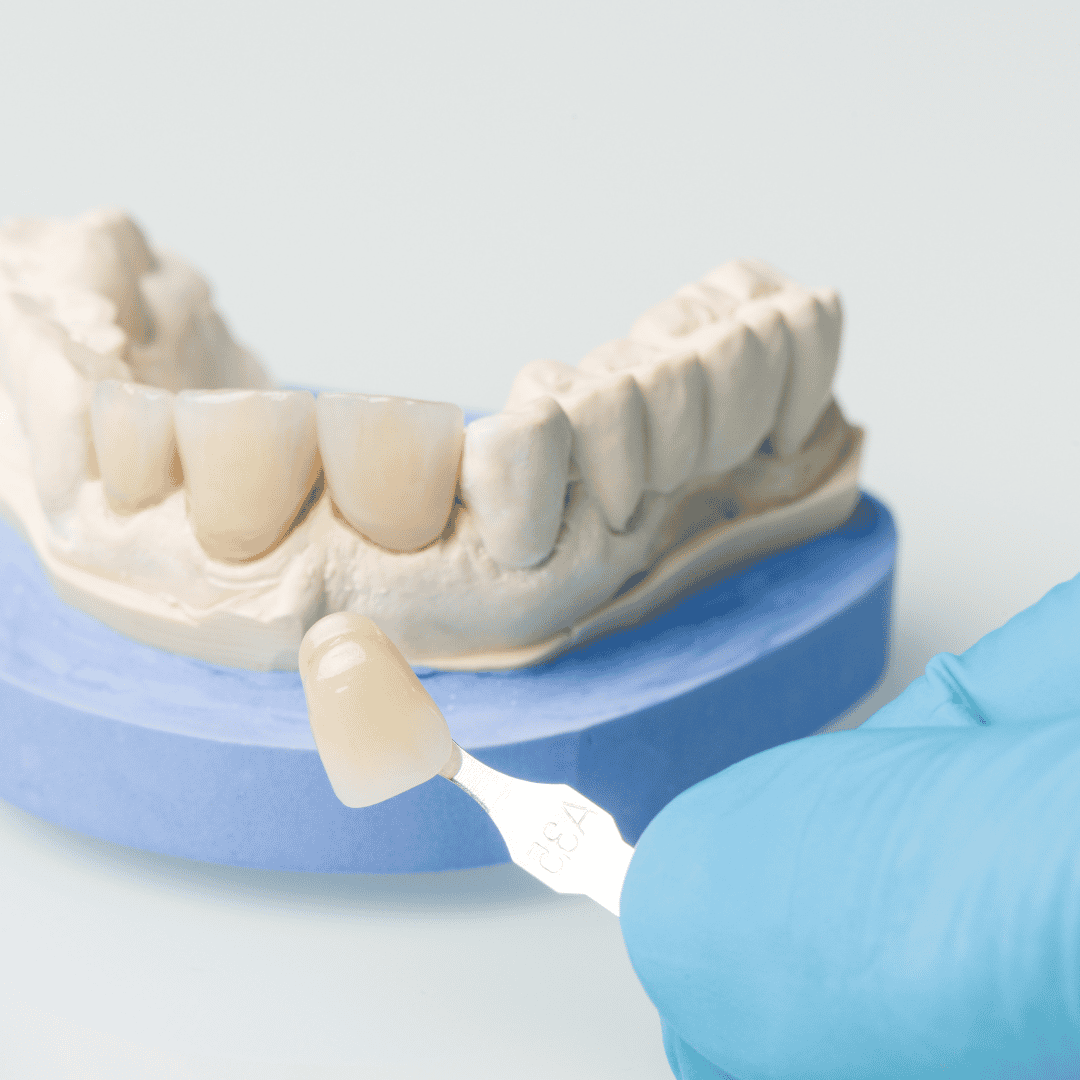
Yes, CEREC crowns can be placed on front teeth. Modern ceramic blocks come in various shades and translucencies to match natural teeth. However, for highly complex aesthetic cases, some dentists may still recommend a traditional laboratory-milled crown for optimal color customization.
Does getting a CEREC crown hurt?
The procedure is typically performed under local anesthesia to numb the tooth and surrounding gums, meaning you should not feel pain during the preparation. Some patients may experience mild sensitivity or soreness in the gums for a few days after the anesthesia wears off.
Can I travel home the same day as my procedure?
Yes, because the crown is designed, milled, and placed in a single visit, most patients can travel home the very same day. It is often recommended to wait until the local anesthesia has worn off before eating during your journey.
What materials are used for CEREC crowns in Tijuana?
Dentists typically use solid blocks of ceramic or resin materials. Common choices include lithium disilicate (often known as E.max) and sometimes specialized zirconia blends, which are known for their durability and natural appearance.
Do CEREC crowns stain over time?
High-quality ceramic materials used in CEREC restorations are highly resistant to staining from coffee, tea, or tobacco. However, maintaining good oral hygiene is still essential to protect the underlying tooth and surrounding gum tissue.
Is a temporary crown needed for a CEREC procedure?
No, one of the primary advantages of the CEREC system is that it eliminates the need for a temporary crown. The final permanent restoration is placed on the same day the tooth is prepared.
Can a CEREC crown replace an old metal crown?
Yes, a dentist can remove an old metal or porcelain-fused-to-metal crown and replace it with a CEREC ceramic crown, provided the underlying tooth structure remains healthy and strong enough to support the new restoration.
How long does the actual milling process take?
The actual milling time inside the CAD/CAM machine typically takes between 10 and 20 minutes. Additional time is required for the digital design phase and the final firing or polishing of the crown.
Can I eat immediately after getting a CEREC crown?
While the bonding cement sets very quickly, dentists usually advise waiting until the numbness from the local anesthesia has completely worn off to avoid accidentally biting your cheek, lip, or tongue.
Will my US dental insurance cover a CEREC crown in Tijuana?
Some US PPO dental insurance plans offer out-of-network reimbursement for treatments received in Mexico. Patients must check their specific policy details and request itemized receipts and appropriate documentation from their clinic to submit a claim.
Compare Treatment Options
Gather more information about single-visit restorations and request estimated costs from international dental clinics to help make an informed decision.
Request Treatment InformationReferences
- Dental Crowns – American Dental Association (MouthHealthy)
- Tooth Decay Overview – National Institute of Dental and Craniofacial Research
- Clinical Performance of CAD/CAM Restorations – National Center for Biotechnology Information (PubMed Central)
- Dental Materials – U.S. Food and Drug Administration (FDA)
- Infection Control in Dental Settings – Centers for Disease Control and Prevention (CDC)
- Medical Tourism Safety Guide – CDC Travelers' Health

























Share this listing