


Regenerative Medicine in Japan: Reducing Cancer Treatment Toxicity
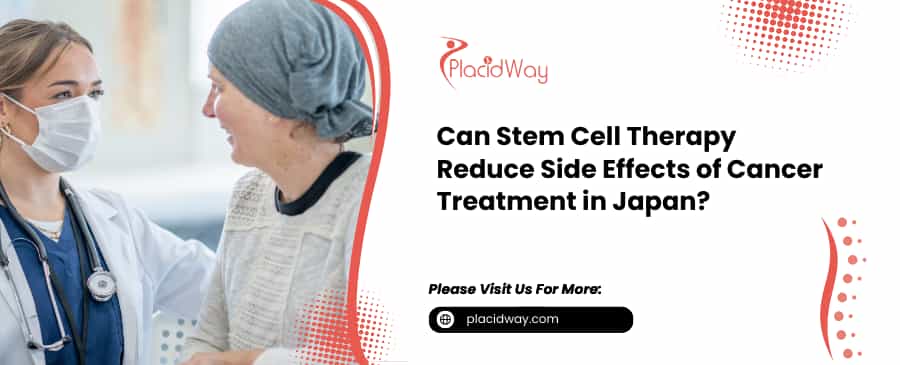
Cancer treatment, while life-saving, often comes with a challenging array of side effects that can significantly impact a patient's quality of life. From debilitating fatigue and nausea to compromised immune systems and nerve damage, these side effects can make the recovery process arduous. Many patients and their families are constantly searching for innovative ways to alleviate this burden, hoping to regain strength and comfort during and after their intensive treatments.
In this context, Japan has emerged as a frontrunner in regenerative medicine, particularly in the field of stem cell therapy. With its advanced research, stringent regulatory framework, and specialized medical facilities, Japan offers unique opportunities for exploring how stem cell interventions might complement traditional cancer care. The potential for stem cell therapy to reduce the harsh impact of treatments like chemotherapy and radiation is a topic of great interest, providing a beacon of hope for improving patient well-being and recovery.
What is stem cell therapy and how does it relate to cancer treatment side effects?
Stem cells are remarkable cells with the unique ability to differentiate into many different cell types and to self-renew. They play a crucial role in the body's natural repair mechanisms, constantly replenishing damaged or aged cells. In the context of cancer treatment, conventional therapies like chemotherapy and radiation are designed to destroy rapidly dividing cancer cells, but they often unintentionally damage healthy, rapidly dividing cells in the body as well.
This collateral damage to healthy tissues, such as bone marrow, the lining of the digestive tract, or nerve cells, is responsible for many of the severe side effects that patients experience. Stem cell therapy aims to counteract this by introducing healthy stem cells into the body. These cells can then either replace the damaged cells directly, differentiate into new healthy cells, or secrete therapeutic factors that stimulate the body's own repair processes, thereby reducing inflammation and promoting regeneration.
Specifically, can stem cell therapy reduce side effects of cancer treatment in Japan?
Japan has positioned itself at the forefront of regenerative medicine, creating a supportive environment for the development and application of stem cell therapies. The country's advanced medical infrastructure, coupled with its proactive regulatory framework, allows for the responsible exploration and implementation of these innovative treatments. For cancer patients, this means access to therapies that specifically target the damage caused by chemotherapy and radiation.
By focusing on tissue repair and regeneration, Japanese clinics and researchers are investigating how stem cells can help manage issues like severe fatigue, nausea, mucositis (inflammation of the digestive tract lining), and peripheral neuropathy that are common after aggressive cancer treatments. The goal is to not only lessen the immediate discomfort but also to enhance long-term recovery and enable patients to maintain a better quality of life throughout their treatment journey and beyond.
What types of cancer treatment side effects might stem cell therapy help mitigate?
The range of side effects from cancer treatments is broad, affecting multiple organ systems. Stem cell therapy offers a multi-faceted approach to address many of these. One of the most critical side effects is myelosuppression, where chemotherapy damages bone marrow cells, leading to a drop in blood cell counts (anemia, neutropenia, thrombocytopenia). Hematopoietic stem cell transplantation, a well-established form of stem cell therapy, directly replaces these damaged bone marrow cells to restore healthy blood production.
Other debilitating side effects that stem cells may help with include mucositis, painful inflammation of the mouth and gut lining, where mesenchymal stem cells (MSCs) can reduce inflammation and promote tissue repair. Peripheral neuropathy, characterized by nerve damage leading to numbness, tingling, and pain, might also be targeted through the neurotrophic and regenerative properties of certain stem cells. Furthermore, systemic issues like chronic fatigue and general organ damage (e.g., to the heart or kidneys) are areas where stem cell-mediated repair and anti-inflammatory effects are being explored to improve overall recovery and function.
Is stem cell therapy for cancer side effects widely available in Japan?
Availability of stem cell therapy in Japan for mitigating cancer treatment side effects is growing, but it's important to understand the landscape. Japan’s "Act on the Safety of Regenerative Medicine" has created a clear pathway for innovative treatments to be offered responsibly. This means that certain stem cell therapies, particularly those using autologous (patient's own) cells for specific indications, are accessible in specialized medical institutions.
Patients can find these treatments in regenerative medicine centers, university hospitals with dedicated research departments, and private clinics that have met the strict requirements set by the Japanese Ministry of Health, Labour and Welfare (MHLW). While some therapies, like hematopoietic stem cell transplantation for blood cancers, are standard practice, others for mitigating general side effects are still considered advanced or complementary treatments. Therefore, availability can vary based on the specific type of side effect being addressed and the stage of regulatory approval for the particular stem cell application.
What are the regulations for stem cell therapy in Japan for cancer treatment support?
Japan's regulatory framework for regenerative medicine, established in 2014 with the "Act on the Safety of Regenerative Medicine" and amendments to the "Pharmaceuticals and Medical Devices Act," is unique globally. It aims to accelerate the clinical application of regenerative therapies while prioritizing patient safety. This dual-track system allows for both conditional and full approval of regenerative products and treatments, depending on the level of evidence available.
For stem cell therapies intended to support cancer treatment and mitigate side effects, clinics must submit detailed plans to the MHLW, outlining the therapy's specifics, patient selection criteria, safety protocols, and expected outcomes. Treatments are categorized based on their risk level, influencing the approval process. This stringent oversight ensures that patients receive treatments that are not only innovative but also adhere to high standards of safety and quality, providing a degree of trust and reliability that is often sought by medical tourists.
How does stem cell therapy work to alleviate chemotherapy-induced side effects?
Chemotherapy drugs are powerful agents designed to kill fast-growing cancer cells, but they also harm healthy cells, especially those that divide rapidly, like blood cells, hair cells, and cells lining the digestive tract. Stem cell therapy intervenes through several key mechanisms to counter this damage. Firstly, stem cells can directly replace cells lost due to chemotherapy. For example, in bone marrow transplantation, new hematopoietic stem cells are introduced to restore the blood-forming capacity damaged by high-dose chemotherapy.
Secondly, many types of stem cells, particularly mesenchymal stem cells (MSCs), possess strong immunomodulatory and anti-inflammatory properties. They can home in on sites of inflammation and tissue injury, releasing a cocktail of growth factors, cytokines, and other signaling molecules. These factors help to reduce the inflammatory cascade triggered by chemotherapy, soothe damaged tissues, and stimulate the body's own resident stem cells to initiate repair processes. This paracrine effect contributes significantly to regenerating damaged organ tissues, healing gut lining, and potentially protecting nerve cells from further damage, thereby mitigating severe side effects.
What is the typical cost of stem cell therapy for supporting cancer treatment in Japan?
The cost of stem cell therapy in Japan is highly variable, reflecting the complexity of these advanced medical procedures. Factors influencing the price include the specific type of stem cells used (e.g., mesenchymal stem cells, hematopoietic stem cells), the source of these cells (autologous from the patient's own body, or allogeneic from a donor), the number of cells required, the preparation and expansion process, and the number of treatment sessions needed. Additionally, the reputation and specialization of the clinic or hospital, along with any associated pre-treatment assessments or post-treatment care, will contribute to the overall cost.
Patients considering stem cell therapy in Japan should prepare for costs that typically fall outside the coverage of standard health insurance plans, as many of these treatments are considered experimental or complementary rather than mainstream, fully-approved treatments for side effect mitigation. It is crucial to obtain a detailed cost breakdown from any prospective clinic, which should include all stages from consultation and cell harvesting to processing, administration, and follow-up care, to ensure full transparency and avoid unexpected expenses.
How does one find a reputable facility for stem cell therapy in Japan for cancer treatment side effects?
Identifying a reputable facility for stem cell therapy in Japan requires careful diligence. Begin by looking for clinics or hospitals that are officially registered with the Japanese Ministry of Health, Labour and Welfare (MHLW) under the "Act on the Safety of Regenerative Medicine." This registration signifies that they meet the strict government standards for offering stem cell treatments. Websites of these institutions often display their registration numbers or explicitly state their compliance.
Furthermore, seek facilities with a clear focus and extensive experience in regenerative medicine, particularly in applications related to cancer support or tissue repair. Reputable centers will have multidisciplinary teams, including oncologists, regenerative medicine specialists, and nurses, working collaboratively. They should also provide transparent information about the specific type of stem cells used, the treatment protocol, potential benefits, risks, and clear cost estimates. Do not hesitate to ask for detailed explanations and patient support services, including English-speaking staff if needed, to ensure a comfortable and informed medical tourism experience.
What are the benefits of choosing Japan for stem cell therapy to reduce cancer treatment side effects?
Japan presents several compelling advantages for individuals seeking stem cell therapy to alleviate cancer treatment side effects. Firstly, the country is a global leader in scientific research and technological innovation, particularly in regenerative medicine. This means patients often have access to state-of-the-art diagnostic tools, cutting-edge stem cell processing techniques, and the latest therapeutic protocols that may not be available elsewhere.
Secondly, Japan's robust and transparent regulatory framework for regenerative medicine, as discussed earlier, provides a significant level of assurance regarding the safety and quality of treatments. This well-defined system helps to mitigate risks and ensures that therapies are administered responsibly. Finally, the Japanese healthcare system is renowned for its high standards of patient care, its emphasis on precision, and the expertise of its medical professionals. Patients can expect a clean, efficient, and compassionate environment, often with comprehensive support for international visitors, making it a favorable destination for medical tourism.
What are the potential risks or limitations of using stem cell therapy for cancer treatment side effects?
While stem cell therapy holds significant promise, it's essential to be aware of the potential risks and limitations. One primary concern is the risk of infection, as any invasive procedure involving cell manipulation carries this possibility. There's also a potential for immune reactions, especially if allogeneic (donor) cells are used, though this risk is generally lower with autologous (patient's own) cells. While extremely rare, the theoretical risk of tumor formation from uncontrolled stem cell proliferation is a topic of ongoing research and scrutiny, especially for pluripotent stem cells, though less so for adult mesenchymal stem cells typically used in these applications.
Limitations include the variability in treatment efficacy; not all patients respond identically, and results can differ based on individual health status, cancer type, and the specific side effect being treated. Many applications for mitigating cancer treatment side effects are still considered experimental or in the advanced research phase, meaning long-term data on their effectiveness and safety is continuously being gathered. Furthermore, the high cost of these therapies and the lack of insurance coverage can be a significant barrier for many patients. Thorough consultation with medical professionals and a clear understanding of the evidence base are crucial before proceeding with any stem cell treatment.
Ready to explore advanced medical solutions for cancer treatment support? Visit PlacidWay to connect with leading global facilities, including those in Japan, offering innovative stem cell therapies and comprehensive healthcare services designed for your well-being.




.png)


.png)










Share this listing