


Get Long-Lasting Dental Veneers in Turkey
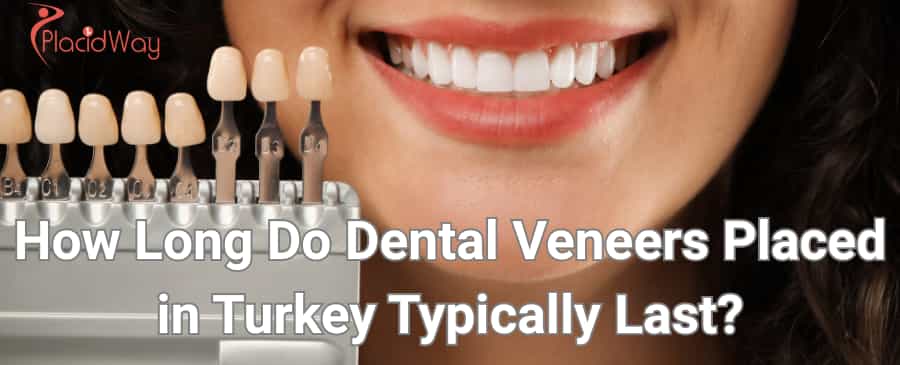
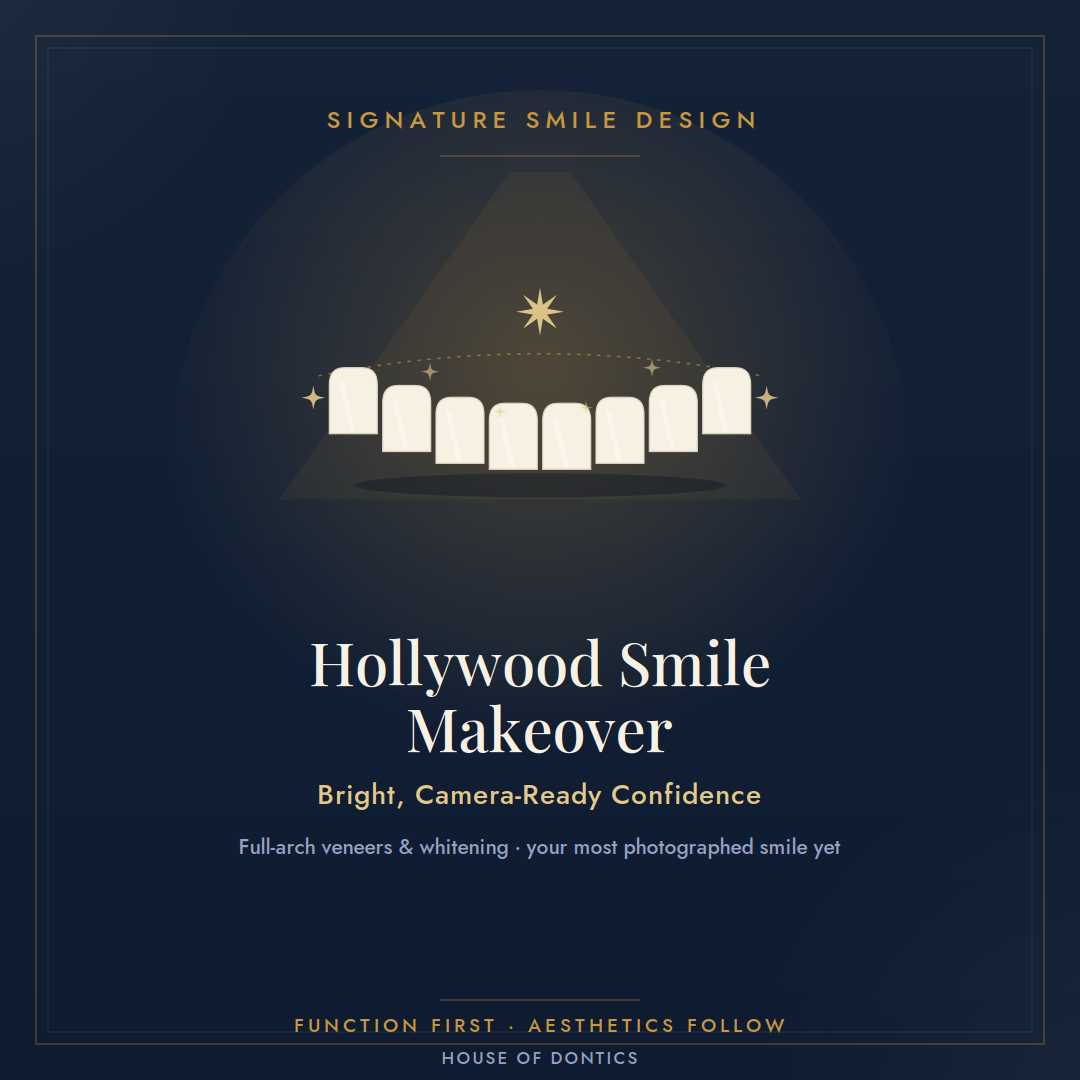
If you have been scrolling through social media or browsing dental forums lately, you have probably noticed the massive surge in people flying to Turkey for smile makeovers. It is not just about the holiday; it is about the promise of a perfect smile at a fraction of the cost back home. But one question that naturally pops up before booking that flight is: dental veneers placed in Turkey typically last? It is a valid concern. After all, nobody wants to invest in a new smile only to have it fade or fail a few years down the line.
The good news is that the longevity of veneers from reputable Turkish clinics is on par with what you would expect in the UK, USA, or Europe. We are talking about a solid decade or more of confident smiling if you choose the right materials and treat them well. The stigma that "cheaper means lower quality" doesn't necessarily apply here; often, the lower cost is due to operational differences, not inferior products.
In this guide, we are going to dig deep into everything you need to know. We will look at the real lifespan of different veneer types, break down the costs so you can see the savings, and frankly discuss the safety aspects that often get sensationalized. Whether you are considering E-max veneers, Zirconia, or standard porcelain veneers, understanding their durability is key to making a decision you will be happy with for years to come. Let’s get into the details so you can plan your dental journey with total confidence.
What is the difference in lifespan between porcelain and composite veneers?
When planning your smile makeover, choosing between porcelain veneers and composite veneers is one of the biggest decisions you will make. Porcelain veneers are the gold standard in cosmetic dentistry. They are crafted in a lab from high-quality ceramic that mimics the light-reflecting properties of natural teeth. Because they are kiln-fired, they are incredibly tough and resistant to stains from coffee, tea, and red wine. Most patients who opt for porcelain in Turkey can expect them to remain pristine for over a decade, with many lasting up to 20 years with excellent care.
On the other hand, composite veneers are applied directly to the tooth surface using a resin material. While they are significantly cheaper and can often be done in a single visit, they simply do not have the same longevity. Composite material is softer and more porous, meaning it can chip more easily and may pick up stains over a few years. They are a fantastic short-term or budget-friendly solution, but if you are looking for a long-lasting dental veneers, porcelain is usually the superior investment.
How much do dental veneers cost in Turkey compared to the UK and USA?
Cost is almost always the driving factor for medical tourism. In Turkey, the lower cost of living and operational expenses allow clinics to offer premium services at a fraction of the international rate. It is important to note that lower prices in reputable clinics do not mean lower quality materials; they often use the exact same global brands as dentists in London or New York.
Below is a comparison table to give you a clear idea of the potential savings for dental veneers in Turkey versus other countries.
| Treatment Type (Per Tooth) | Turkey Average Cost | UK Average Cost | USA Average Cost |
|---|---|---|---|
| Composite Veneers | $150 – $250 | $400 – $900 | $800 – $1,500 |
| Porcelain Veneers | $200 – $450 | $900 – $1,500 | $1,200 – $2,500 |
| E-max / Zirconia Veneers | $250 – $600 | $1,000 – $1,800 | $1,500 – $3,000 |
| Full Set (20 Teeth) | $4,000 – $7,000 | $18,000 – $30,000 | $24,000 – $50,000+ |
As you can see, a full smile makeover that might require a mortgage in the USA is accessible for the price of a used car in Turkey. This affordability allows patients to opt for higher-quality materials, like E-max or Zirconia, which further enhances the longevity of the treatment.
What factors affect the longevity of veneers from Turkey?
While the material matters, your lifestyle plays a huge role in how long your new smile lasts. Bruxism, or teeth grinding, is the enemy of veneers. If you grind your teeth at night and do not wear a protective guard, even the strongest Zirconia veneers can chip or de-bond over time. Reputable dentists in Turkey will often prescribe a night guard immediately after fitting your veneers to protect your investment.
Oral hygiene is another critical factor. Veneers themselves cannot decay, but the natural tooth structure underneath them certainly can. If gum disease or decay sets in around the margins of the veneer, the entire restoration may fail and need to be removed. Maintaining a strict routine of brushing, flossing, and regular cleanings is essential to ensure your dental veneers last for the full 15 years or more.
Are dental veneers in Turkey safe?
Safety is a top priority, and rightly so. The stories of "botched" teeth often come from patients visiting unregulated or inexperienced providers. However, the private dental sector in Turkey is highly competitive and regulated. Top clinics often hold accreditations from international bodies like the JCI (Joint Commission International) or ISO, ensuring they meet rigorous safety and sterilization standards.
To ensure your safety, look for clinics that are transparent about their dentists' qualifications. Many top Turkish cosmetic dentists are members of the Turkish Dental Association and have undergone additional training in Europe or the US. Always ask to see before-and-after photos of previous patients and read verified reviews to gauge the clinic's reputation for safety and hygiene.
How long does the dental veneer procedure take in Turkey?
One of the major appeals of dental tourism is the speed of service. In the UK or USA, you might wait weeks between appointments. In Turkey, the process is streamlined for international visitors. On your first day, you will likely have a consultation, X-rays, and tooth preparation. Temporary veneers are placed so you do not have to walk around with sensitive teeth.
Over the next few days, laboratory technicians craft your custom veneers using CAD/CAM technology. You then return for a trial fitting. If everything looks perfect, they are permanently bonded. This rapid turnaround does not mean the work is rushed; rather, the clinics have dedicated in-house labs specifically designed to cater to patients on a tight travel schedule.
Do veneers from Turkey ruin your natural teeth?
There is a common misconception, fueled by "Turkey Teeth" trends on TikTok, that getting veneers involves shaving your teeth down to tiny pegs. This is generally incorrect for veneers. True veneers are ultra-thin shells that require very minimal preparation—usually removing just the front face of the enamel. This preserves the structural integrity of the tooth.
The "pegs" you see online are usually preparations for dental crowns, not veneers. Crowns are more invasive and cover the entire tooth. It is vital to have a clear consultation with your dentist to ensure you are getting veneers (laminates) and not full crowns unless medically necessary. A conservative approach preserves your natural teeth and ensures better long-term oral health.
How do I maintain my Turkish dental veneers?
Maintenance for veneers is simple but strict. You should switch to a soft-bristled toothbrush and non-abrasive toothpaste. Gritty whitening toothpastes can scratch the surface of the porcelain, causing it to lose its shine and attract stains. Flossing is non-negotiable; you must keep the gum line healthy to prevent recession, which would expose the edge of the veneer.
Additionally, treat your veneers with respect. While they are strong, they are not tools. Do not use your teeth to open packaging, bite nails, or chew on ice. These habits can cause the ceramic to chip or crack. If you engage in contact sports, always wear a mouthguard. Simple precautions will keep your Turkish veneers looking brand new for years.
Can I eat normally with veneers from Turkey?
Once your veneers are securely bonded, you can enjoy most of your favorite foods. There is no need to be on a soft diet forever. However, physics still applies. The shear force of biting into a hard apple or tearing at a tough baguette crust can dislodge or fracture a veneer, just as it could chip a natural tooth.
The general rule is to cut hard foods into smaller pieces and chew them with your back molars. Avoid sticky candies like toffee that could pull on the veneers. With a little mindfulness, you can enjoy a varied and delicious diet without compromising your smile makeover.
Can veneers from Turkey be replaced or repaired?
If a porcelain veneer chips or cracks, it is rarely possible to patch it up seamlessly. The structural integrity is compromised, and a patch will likely look different from the rest of the tooth. In these cases, the entire veneer must be removed and replaced.
The good news is that replacing a single veneer is a routine procedure. If you had your work done in Turkey, you can often return to the same clinic for a replacement, sometimes under warranty. Alternatively, a local dentist in your home country can perform the replacement, though likely at a higher cost. It is a good idea to ask your Turkish clinic for your treatment records and the specific shade/material used to make future replacements easier.
How long do E-max and Zirconia veneers last?
E-max (Lithium Disilicate) and Zirconia are the two heavyweights of modern cosmetic dentistry. E-max is renowned for its translucency and beauty; it looks exactly like a natural tooth. It is strong enough for most people and usually lasts over a decade. It is the preferred choice for front teeth where aesthetics are paramount.
Zirconia is a type of ceramic that is virtually indestructible. It is often used for crowns but is increasingly used for veneers for patients with a heavy bite. While slightly more opaque than E-max, modern Zirconia is very natural-looking. Because of its extreme strength, Zirconia veneers can often outlast E-max, potentially reaching the 20-year mark with proper care. Your dentist in Turkey will recommend the best material based on your bite and aesthetic goals.
Do Turkish dental clinics offer warranties on veneers?
A warranty is a great sign of a clinic's confidence in their work. In Turkey, it is standard for high-end clinics to provide a written guarantee. This usually covers free repair or replacement if a veneer falls off or breaks due to a material flaw.
However, warranties always come with fine print. They will usually be voided if the damage is caused by trauma (like a sports injury), opening bottles with your teeth, or failing to maintain oral hygiene. Some clinics require proof of annual dental check-ups (even from your local dentist) to keep the warranty valid. Always read the terms and conditions before starting treatment so you know exactly what is covered regarding your dental veneers.
Is the dental veneer procedure in Turkey painful?
Fear of pain is a major barrier for many patients, but modern dentistry has largely eliminated it. During the preparation phase, where a thin layer of enamel is removed, you will be fully numb using local anesthesia. You shouldn't feel anything sharp.
After the numbness wears off, it is normal to feel some tenderness. Your gums might be sore from the work, and your teeth might be sensitive to hot and cold for a week or two. This is a temporary reaction as the nerves adjust to the new veneers. Over-the-counter pain relievers like ibuprofen are usually sufficient to manage this discomfort. If sensitivity persists for months, it is important to consult a dentist.
Do veneers from Turkey stain over time?
One of the biggest selling points of porcelain veneers is their "glass-like" surface. Unlike natural tooth enamel, which has microscopic pores that absorb pigment, glazed porcelain is impervious. You can drink coffee, tea, and eat berries without worrying about your smile turning yellow.
This is a major difference compared to composite veneers. If you choose the cheaper composite option, expect them to gradually yellow or darken over 3 to 5 years, much like natural teeth. Professional polishing can help, but they will never be as permanently white as porcelain. For a lasting bright white smile, porcelain or Zirconia is the only way to go.
What is the success rate of dental veneers in Turkey?
Success rates in Turkey mirror global statistics when you choose an accredited facility. Studies generally show that over 90% of veneers are still in place and functioning well after 10 years. Failures are usually linked to existing poor dental health (like gum disease) or technical errors during placement.
To ensure you fall into the "success" category, be honest with your dentist about your medical history and habits. If you have active gum disease, it must be treated before veneers are applied. A good dentist will refuse to place veneers on unhealthy gums, prioritizing your health over a quick sale.
How do I choose a reliable dental clinic in Turkey?
With thousands of clinics in Istanbul, Antalya, and Izmir, making a choice can be overwhelming. Don't just rely on Instagram photos, which can be edited. Dig deeper. Look for clinics that facilitate virtual consultations where you can speak directly to a dentist, not just a salesperson.
Ask specific questions: "What brand of veneers do you use?" (e.g., Ivoclar, Vita). "Is the price all-inclusive?" "What happens if I am not happy with the trial fitting?" A trustworthy clinic will answer transparently. Platforms that aggregate medical providers can also be a safe way to find vetted clinics that meet international standards for dental tourism.
Ready to Transform Your Smile?
Finding the right clinic for your dental veneers is the most important step in your journey. Don't leave your smile to chance.
Explore PlacidWay to discover top-rated, accredited dental clinics in Turkey. Get free quotes, compare prices, and read real patient reviews to find the perfect solution for your dental needs.
Explore Dental Options Now













Share this listing