


Safest Stem Cell Therapy for Spinal Cord Injury in Turkey
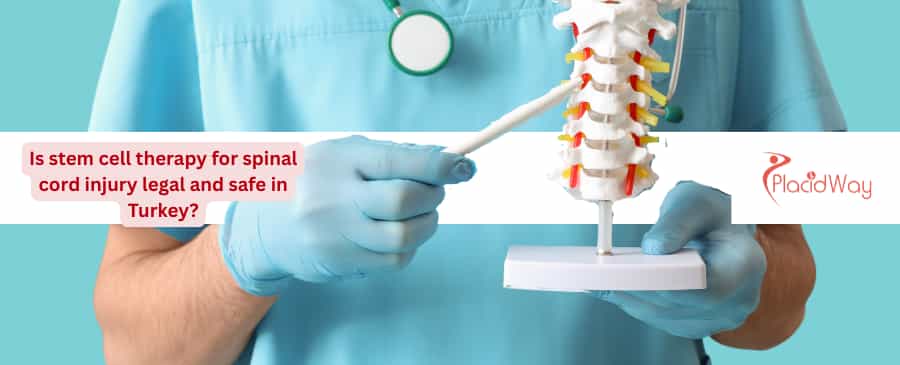
If you or a loved one is navigating the life-altering challenges of a spinal cord injury (SCI), you've likely spent countless late nights searching for answers. The promise of regenerative medicine can feel like a beacon of hope, but it also comes with a flood of questions. Is it real? Is it safe? And perhaps most importantly, where can you go to get trusted treatment without breaking the bank?
Turkey has emerged as a global hub for medical tourism, particularly for advanced treatments like stem cell therapy. But unlike a simple cosmetic procedure, treating the spine is complex and requires absolute precision. You might be wondering if the treatments offered there are legitimate medical procedures or just unregulated experiments. The short answer is: Turkey takes this very seriously. The country has established a robust legal framework to ensure patient safety while allowing for medical innovation.
In this guide, we’re going to cut through the noise. We’ll explore the legal landscape, dig into the safety protocols, and give you a transparent look at the costs. We aren't here to sell you a miracle cure, but to give you the clear, expert facts you need to make an informed decision about your health journey.
Is stem cell therapy for spinal cord injury legal in Turkey?
Legality is often the biggest concern for international patients. Stem cell therapy in Turkey is not the "Wild West." It is a strictly regulated medical practice. The Turkish Ministry of Health oversees all regenerative medicine activities. Hospitals and clinics must obtain specific licenses to harvest, process, and administer stem cells. This means you cannot just walk into any clinic and get a shot; it must be a facility authorized for cellular therapies.
For conditions like spinal cord injury, the treatment is often classified under "experimental" or "compassionate use" regulations. This legal structure allows patients to access advanced therapies that are still being studied globally, but within a safe, hospital-controlled environment. It ensures that the facility meets high medical standards while giving patients access to potentially life-changing treatments.
How does the Turkish Ministry of Health regulate stem cell therapy?
The backbone of safety in Turkey is the GMP (Good Manufacturing Practice) requirement. The Ministry of Health mandates that any stem cells used for human treatment must be processed in a GMP-certified laboratory. These labs are sterile environments that mimic pharmaceutical manufacturing standards, ensuring that the cells are free from contamination and are viable for treatment.
Furthermore, Turkey has implemented the "HealthTürkiye" certification for medical tourism providers. This certification acts as a seal of approval, verifying that the hospital or clinic meets specific quality criteria for treating international patients. When researching, always ask if the facility has its own GMP lab or partners with one, as this is a non-negotiable legal requirement for safety.
Is stem cell treatment for spinal cord injury safe in Turkey?
Safety in medical terms refers to the risk of adverse events. In reputable Turkish hospitals—many of which are JCI (Joint Commission International) accredited—the safety protocols are on par with Western Europe or the US. The use of Mesenchymal Stem Cells (MSCs), which are the most common type for SCI, has a strong safety record globally with very low risks of rejection or serious complications.
However, "safe" does not mean "risk-free." As with any medical intervention involving the spine (such as intrathecal injections), there are standard risks like infection or bleeding at the injection site. But the horror stories of "unregulated clinics" are largely avoided by sticking to major, Ministry-approved hospitals that follow strict sterility protocols.
What types of stem cells are used for spinal cord injury in Turkey?
Turkey is advanced in the types of cells offered. The most common approach for spinal cord injury is using Mesenchymal Stem Cells (MSCs). These can be "Autologous," meaning they are harvested from your own body (usually bone marrow from the hip or adipose fat tissue), processed to concentrate the cells, and then re-injected.
Alternatively, many top clinics now use "Allogeneic" cells derived from Wharton’s Jelly in umbilical cords. These are young, potent cells harvested from healthy births (with full consent and screening). They are favored because they don't require an invasive harvesting procedure from the patient and tend to replicate faster, potentially offering a stronger regenerative boost.
How much does stem cell therapy for spinal cord injury cost in Turkey?
One of the main drivers for medical tourism is cost, and Turkey offers an incredible value proposition. A full course of stem cell therapy for SCI in Turkey generally falls between $8,000 and $15,000 USD. This price often covers not just the treatment, but also VIP transport, hotel stays, and translation services.
It is important to understand that "cheaper" here doesn't mean "lower quality." The lower cost is primarily due to lower labor costs, lower insurance premiums for doctors, and favorable exchange rates. You are getting world-class medical attention for a fraction of the price you would pay in a Western country.
Stem Cell Therapy Cost Comparison: Turkey vs. Other Countries
To give you a clear picture of the financial difference, here is a comparison of estimated costs for similar stem cell protocols for spinal cord injury across major medical tourism destinations.
| Country | Estimated Cost (USD) | What's Often Included? |
|---|---|---|
| Turkey | $8,000 - $15,000 | Treatment, Hotel, Transfers, Translator |
| USA | $25,000 - $50,000+ | Procedure Only (Outpatient) |
| Mexico | $8,000 - $20,000 | Procedure, sometimes Hotel |
| Germany | $18,000 - $30,000 | Procedure, Hospital Stay |
| India | $6,000 - $12,000 | Treatment, Hospital Stay |
What is the success rate of stem cell therapy for spinal cord injury?
Managing expectations is crucial. Success rates in spinal cord injury treatment are measured by improvements in quality of life, not necessarily "walking again" immediately. Data from various clinical applications in Turkey indicates that a majority of patients report improvements.
These improvements often manifest as regained sensation in paralyzed areas, improved bladder and bowel control, reduced spasticity, or increased muscle strength. The degree of success depends heavily on the severity of the injury (Complete vs. Incomplete) and how soon after the injury the treatment is received.
Can stem cells cure paralysis from spinal cord injury?
It is vital to be honest: Stem cell therapy is not a magic wand that instantly cures paralysis. If a clinic promises you a 100% cure, that is a red flag. The goal of the therapy is neuroregeneration. Stem cells work to repair the myelin sheath (the protective coating of nerves), reduce inflammation in the spinal cord, and stimulate the growth of new neural connections.
For many patients, "success" might mean being able to feel a touch on their legs, moving a toe, or having the core stability to sit up unassisted. These small victories are massive leaps in independence and quality of life.
Who is an eligible candidate for this treatment?
Not everyone is a perfect fit. Doctors in Turkey will typically require a detailed medical history and recent MRI scans before you even book a flight. Ideal candidates are generally those who are medically stable and have passed the acute phase of injury (usually at least 3-6 months post-injury).
However, recent studies suggest that early intervention might yield better results. Factors like age, overall health, and the absence of other severe chronic diseases play a role. Clinics will screen for contraindications such as active cancer or severe infections to ensuring the therapy is safe for your specific body.
How is the stem cell procedure performed for spinal cord injury?
The procedure itself is minimally invasive. The most effective method for spinal cord injury is an intrathecal injection. This involves a lumbar puncture (similar to an epidural) where stem cells are injected directly into the cerebrospinal fluid, allowing them to travel directly to the site of the injury in the spine.
Many Turkish protocols also include an Intravenous (IV) infusion. This "double-punch" approach ensures that while the direct injection targets the injury, the IV cells work systemically to reduce overall body inflammation and improve blood flow, creating a better environment for healing.
How long does the treatment take?
One of the advantages of treatment in Turkey is efficiency. If you are receiving allogeneic cells (donor cells), the treatment can often be completed in 3-4 days. Day 1 is for consultation and tests, Day 2 for the procedure, and Day 3 for observation and discharge.
If you are opting for autologous cells (your own), the stay might extend to 7 days or more to allow time for harvesting (liposuction or bone marrow aspiration) and the subsequent laboratory culture and expansion of your cells before they are re-injected.
What are the risks or side effects of stem cell therapy?
Transparency about risks is key to patient safety. The most common side effects are transient. You might experience a "spinal headache" from the lumbar puncture, mild fever as your immune system reacts to the cells, or soreness at the injection site. These usually resolve within 24-48 hours.
Serious risks, such as meningitis or tumor formation, are heavily mitigated by the Ministry's strict regulations. By ensuring cells are processed in GMP labs (avoiding contamination) and avoiding the use of embryonic stem cells (which have a tumor risk), Turkish clinics keep the safety profile very high.
Is stem cell therapy covered by insurance in Turkey?
It is important to plan your finances accordingly. Because stem cell therapy for SCI in Turkey is still largely considered "experimental" or "elective" by major insurance providers in the US, UK, and Europe, it is almost never covered. You will likely be a "self-pay" patient.
However, many Turkish clinics offer financing options or staged payment plans. The "package" nature of the cost (bundling hotel/transport) also helps you predict the total expense without fear of hidden hospital fees piling up.
How does rehabilitation support stem cell therapy?
Think of stem cells as the fuel and rehabilitation as the engine. Putting fuel in a car that sits in the garage won't get you anywhere. Physical therapy is absolutely essential to getting the most out of your treatment. The new neural connections need to be stimulated through repetitive movement.
Many comprehensive packages in Turkey include a short course of intensive robotic rehabilitation or physiotherapy immediately following the injection. They will also provide you with a home-exercise plan to continue the work when you return to your home country.
Can international patients get stem cell therapy in Turkey legally?
Turkey has rolled out the red carpet for international patients. There are no legal restrictions preventing foreigners from receiving stem cell treatments. In fact, the government provides incentives to hospitals that treat international patients, ensuring high standards.
You can travel on a standard tourist visa or a medical visa. Most clinics have dedicated International Patient Departments that will assist you with invitation letters to help secure your visa quickly and easily.
Ready to Explore Your Options?
Finding the right clinic can be overwhelming, but you don't have to do it alone. Connect with trusted, accredited medical providers in Turkey today.
Get a Free Quote & Consultation


.png)

.png)



.png)
.jpg)
.png)












Share this listing