
What treatment


20+ Key FAQs on Stem Cell Therapy in Turkey
Questions About Stem Cell Therapy in Turkey? Start Here
Trusted Medical Tourism Platform Since 2007
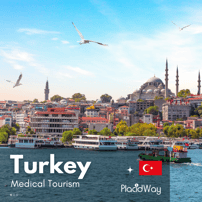
What is the cost of stem cell therapy in Turkey
The estimated cost of stem cell therapy in Turkey typically ranges from $3,000 to $10,000 per session, depending on the condition being treated, the type of cells used, and the complexity of the medical procedure. Prices are estimates. Key Takeaways Estimated prices range from $3,000 to $10,000 per session. Costs fluctuate based on the extraction method and the specific medical condition being addressed. The country offers regulated medical facilities equipped for specialized regenerative medicine. Results, risks, and overall suitability vary significantly by patient. Always consult with a qualified local healthcare provider before deciding to travel abroad for medical treatment. Exploring regenerative medicine options abroad requires a thorough understanding of procedures, safety protocols, and potential expenses. Many patients researching global options find that stem cell therapy in Turkey offers access to modern medical infrastructure alongside appealing geographical convenience. This guide breaks down what you can expect regarding the financial aspects, medical considerations, and patient safety requirements when looking into these procedures. What factors influence the cost of stem cell therapy in Turkey? The total price depends on the cellular source, the number of sessions required, laboratory processing fees, and the specific medical protocol used for your condition. When you look into the stem cell therapy cost in Turkey, you will notice that quotes can vary widely. The primary driver of this variation is the method of cellular extraction and processing. For instance, same-day procedures that isolate cells from your bone marrow or fat tissue using a centrifuge tend to cost less than treatments requiring cells to be cultured and expanded in a laboratory over several weeks. Another significant factor is the complexity of the administration. A simple intra-articular injection for a knee joint will naturally be less expensive than a systemic intravenous infusion or a specialized neurological administration requiring an anesthesiologist. Furthermore, individual patient needs dictate how many treatment sessions are necessary, directly impacting the final estimated bill. Treatment Type Estimated Cost Range (USD) Orthopedic (Joint Injection) $3,000 - $5,500 Autoimmune/Systemic IV $5,000 - $8,000 Cultured Cell Expansion $7,000 - $10,000+ *These figures are broad estimates and do not guarantee actual billing prices. Costs vary by facility and individual patient needs. What types of conditions are commonly treated with stem cells in Turkey? Facilities often use cellular therapies to address orthopedic issues, autoimmune disorders, and certain neurological conditions, though effectiveness varies per patient. Regenerative medicine is primarily utilized to manage chronic pain and tissue degeneration. Orthopedic conditions such as osteoarthritis, tendon injuries, and cartilage defects are among the most frequently treated. In these cases, the goal is often to reduce inflammation and promote localized tissue healing within the joint space. Beyond orthopedics, some facilities offer protocols aimed at managing autoimmune diseases like multiple sclerosis or rheumatoid arthritis. It is crucial to understand that while these therapies may help modulate the immune system in some individuals, they are not cures. Many of these systemic applications remain in the realm of experimental or investigational medicine, meaning results can be highly unpredictable. How do stem cell therapy prices in Turkey compare to other countries? Treatment often costs 40 to 60 percent less than similar procedures in the US or UK, primarily due to lower operational and living expenses. The economic dynamics of medical tourism in Turkey make it an attractive destination for patients seeking specialized care. The lower cost of real estate, favorable currency exchange rates, and lower administrative overhead allow medical facilities to offer lower pricing structures compared to Western Europe or North America. However, comparing costs across borders is rarely a simple apples-to-apples exercise. Regulatory environments differ, and the specific laboratory techniques used to isolate and prepare the cells may vary from one country to another. Patients must look beyond the price tag and thoroughly investigate the laboratory standards and the specific protocols being offered by a stem cell therapy clinic in Turkey. Expert Insight While cost savings are a significant motivator for medical travel, patient safety and clinical transparency should always remain the primary deciding factors. A cheaper procedure is not a bargain if it compromises laboratory quality or post-treatment care. What is typically included in a stem cell treatment package in Turkey? Packages generally cover medical consultations, cell extraction and processing, the administration procedure, and immediate post-treatment monitoring. Initial Diagnostics: Blood panels, physical examinations, and necessary imaging (like MRI or X-rays) to confirm eligibility. Extraction Procedure: The minor surgical process required to harvest the cells, usually involving local anesthesia. Laboratory Processing: The isolation and sometimes expansion of the cells in a sterile laboratory environment. Administration: The delivery of the biological material back into the patient's body under medical supervision. Immediate Care: Post-procedure monitoring, necessary medications for recovery, and a follow-up consultation before departure. Where do the stem cells come from for these treatments? Practitioners typically utilize autologous cells extracted from the patient's own bone marrow or adipose tissue to minimize rejection risks. Autologous treatment, meaning the cells are sourced from your own body, is the most common approach. Doctors frequently harvest these cells from adipose (fat) tissue via a mini-liposuction procedure, or from bone marrow extracted from the hip bone. Because the biological material belongs to you, the risk of an immune system rejection or transmitting communicable diseases is significantly minimized. In some specific, heavily regulated instances, allogeneic cells (sourced from a donor) may be used. These often come from ethically sourced, donated umbilical cord tissue. If you are considering a procedure that uses donor cells, it is vital to inquire about the facility's screening protocols, cell viability testing, and infectious disease safety measures. Is stem cell therapy in Turkey regulated and safe? The Turkish Ministry of Health regulates regenerative medicine facilities, requiring them to meet specific operational and hygiene standards to ensure patient safety. Any medical facility offering biological therapies must operate under the guidelines established by the Turkish Ministry of Health. Laboratories processing human tissues and cells are expected to adhere to strict Good Manufacturing Practice (GMP) standards. This ensures that the environment where your cells are handled is sterile, controlled, and monitored to prevent contamination. Despite these regulations, safety is never absolute in medicine. The invasive nature of both the extraction and the injection carries inherent, albeit generally low, risks. Patients must take responsibility for verifying that the specific clinic they choose maintains valid certifications and operates transparently regarding their safety protocols and complication rates. Who is a suitable candidate for stem cell treatments? Ideal candidates are individuals with specific orthopedic or autoimmune conditions who have not responded to standard treatments and have been thoroughly evaluated. Eligibility is determined on a strict case-by-case basis. Generally, candidates should be in good overall health, absent of active infections, and have realistic expectations about the potential outcomes. Those suffering from mild to moderate joint degeneration often see better outcomes than those with severe, end-stage disease where bone-on-bone friction has already occurred. There are distinct contraindications to be aware of. Patients with active cancers, blood-borne diseases, severe bleeding disorders, or those currently undergoing immunosuppressive therapy may be disqualified. A responsible medical provider will request comprehensive medical records and may deny treatment if the risks outweigh the potential benefits. What should patients expect during the recovery process? Recovery timelines vary by procedure, but most patients can resume light activities within a few days, while full tissue healing may take several months. Immediate recovery involves managing soreness at the extraction and injection sites. Patients might experience mild swelling or bruising, which typically subsides within 48 to 72 hours. Medical teams often advise against the use of non-steroidal anti-inflammatory drugs (NSAIDs) during this period, as the initial inflammatory response is considered a necessary part of the cellular healing process. Long-term recovery requires patience. Regenerative medicine does not provide the instant structural fix that a surgical implant might. The biological process of tissue repair and inflammation reduction takes weeks or even months. Many patients incorporate specialized physical therapy into their routine after returning home to maximize joint mobility and support the healing process. Are there risks or side effects associated with stem cell procedures? Potential complications include infection at the injection site, localized pain, bleeding, and the possibility that the treatment may not be effective. Infection: Any procedure that breaks the skin carries a risk of bacterial infection, requiring sterile technique and sometimes prophylactic antibiotics. Bleeding and Bruising: Harvesting tissue, particularly through bone marrow aspiration or liposuction, can cause localized bleeding. Nerve Damage: Injections administered near nerve bundles carry a small risk of nerve irritation or injury. Lack of Efficacy: The most common risk is simply that the therapy fails to provide the expected pain relief or functional improvement. Adverse Reactions: Though rare with autologous cells, reactions to local anesthetics or other compounds used during processing can occur. How should international patients plan for follow up care? Patients should arrange for a local healthcare provider back home to monitor their progress and manage any delayed complications after returning. The continuity of care is a vital component of safe medical travel. Before leaving for treatment, you should discuss your plans with your primary care physician or a relevant specialist in your home country. They need to know what procedure you are undergoing so they can assist with routine post-operative monitoring or intervene if you develop a delayed complication like an infection. You must obtain comprehensive medical documentation before flying home. This includes details of the cellular extraction method, laboratory processing records, the exact volume and location of the injections, and any medications administered. Many facilities abroad offer remote follow-up via telemedicine, but this cannot replace the physical examination capabilities of a local doctor. Important Consideration Never rely solely on a foreign medical facility for emergency post-treatment care. Establish a clear plan for what you will do if you experience severe pain, fever, or swelling once you have returned to your home country. Why Choose PlacidWay for Medical Tourism? Navigating international healthcare systems can be complex. PlacidWay serves as a resource for patients exploring global medical options, focusing on education and access to information. Provides access to a diverse network of international healthcare providers and specialized facilities. Offers transparent, comparative information regarding various medical procedures and their estimated costs. Allows patients to evaluate different international options based on their specific healthcare needs. Connects individuals directly with medical teams to facilitate initial consultations and clarify clinical protocols. Supplies educational resources aimed at helping patients make informed, objective decisions about pursuing treatment abroad. Frequently Asked Questions How long do I need to stay in Turkey for stem cell treatment? Most patients stay for 5 to 7 days. This timeframe allows for the initial consultation, the extraction and administration procedures, and a brief period of monitoring before traveling home. Can I get stem cell therapy for anti-aging in Turkey? Yes, some facilities offer cellular therapies targeting skin rejuvenation and general wellness, though these procedures are often considered elective and varying in clinical evidence. Is a visa required for medical travel to Turkey? Visa requirements depend on your nationality. Many international visitors can easily obtain an e-Visa online prior to arrival, specifically categorized for tourism or medical purposes. Will my home health insurance cover stem cell procedures in Turkey? Standard domestic health insurance rarely covers experimental or elective cellular therapies performed abroad. Patients should expect to pay for these procedures out of pocket. How are stem cells administered during the procedure? Administration methods depend on the condition being treated. They can be delivered via direct local injection into a joint, intravenously, or sometimes through a lumbar puncture for neurological conditions. Are umbilical cord stem cells used in Turkish clinics? Some specialized facilities may utilize allogeneic umbilical cord-derived mesenchymal cells. However, their use is heavily regulated, and patients should confirm the ethical sourcing and regulatory compliance of the facility. How soon might I see results after the treatment? Cellular repair is a biological process that takes time. While some patients report early relief in a few weeks, noticeable improvements often take between three and six months. Can I combine stem cell therapy with other medical treatments? Combining treatments depends heavily on your medical status and the specific therapies involved. Always consult your primary physician to ensure treatments do not interfere with each other. What happens if I experience an adverse reaction after returning home? You should immediately seek care from a local healthcare provider or emergency room. It is vital to take all your foreign medical records with you so local doctors understand your recent procedure. Do clinics in Turkey typically have English-speaking staff? Yes, facilities catering to international patients typically employ bilingual staff and offer dedicated translation services to ensure clear medical communication. Explore Your Medical Options Compare medical facilities and request detailed treatment information to help you make an informed decision about your healthcare journey. Request Treatment Information References Important Patient and Consumer Information About Regenerative Medicine Therapies – U.S. Food and Drug Administration (FDA) Patient Guide to Stem Cell Treatments – International Society for Stem Cell Research (ISSCR) Stem cells: What they are and what they do – Mayo Clinic Health Tourism Q&A – World Health Organization (WHO) Stem Cell Basics – National Institutes of Health (NIH) Medical Tourism Guidelines – Republic of Turkey Ministry of Health Medical Disclaimer: The information provided in this article is for educational and informational purposes only and does not constitute medical advice. Stem cell therapies and regenerative medicine are complex and carry varied risks and benefits. Results are not guaranteed and vary significantly by patient. Always seek the advice of your physician or other qualified healthcare provider with any questions you may have regarding a medical condition or before undertaking any treatment plan. Do not disregard professional medical advice or delay seeking it because of something you have read here. Prices listed are estimates and subject to change based on individual facility and patient requirements....
Read more details

Why UK Patients Are Choosing Stem Cell Therapy in Turkey Over Local Options?
UK patients often choose stem cell therapy in Turkey due to significantly lower treatment costs, shorter waiting times, and access to private clinics offering alternative therapies that may not be easily accessible or publicly funded in the UK. In recent years, an increasing number of individuals from the United Kingdom have began exploring cross-border healthcare solutions for chronic pain, autoimmune conditions, and orthopedic injuries. Exploring stem cell therapy in Turkey has emerged as a frequent consideration for those seeking options outside the standard National Health Service (NHS) pathways or expensive private UK care. While the promise of regenerative medicine appeals to many, the decision to undergo such therapies abroad requires careful navigation of medical evidence, safety regulations, and personal health needs. Navigating international medical care involves understanding what treatments are genuinely available, how they are regulated, and the realities of the associated costs. This guide addresses the common questions UK residents have when evaluating regenerative medicine options abroad. Key Takeaways Estimated out-of-pocket costs in Turkey are frequently lower than those found in private UK clinics. Private Turkish facilities often offer therapies for orthopedic and autoimmune issues that may be restricted or unavailable on the NHS. Many stem cell applications remain experimental, and clinical outcomes can vary significantly from patient to patient. Patient safety relies on verifying physician credentials and facility adherence to international medical guidelines. Consultation with your UK general practitioner or specialist is highly recommended before travelling for investigational treatments. What types of stem cell treatments are available in Turkey? Turkish medical facilities primarily offer mesenchymal stem cell (MSC) therapies derived from a patient's own fat tissue or bone marrow, as well as treatments utilizing donor-derived umbilical cord tissue. The landscape of regenerative medicine involves several different cellular approaches. Autologous treatments, which use cells harvested directly from the patient, are the most common. Physicians typically extract cells through a minor liposuction procedure (adipose-derived) or a bone marrow aspiration. These cells are then processed, sometimes cultured to multiply their numbers, and reintroduced into the patient's body at the site of injury or intravenously. Allogeneic treatments use cells donated by healthy individuals. In regenerative clinics, these are often ethically sourced from Wharton’s jelly found in donated umbilical cords following healthy, full-term births. These cells are celebrated for their youth and vigorous replication capabilities, though they require strict laboratory screening to prevent disease transmission and ensure compatibility. Patients must understand that outside of established treatments for certain blood cancers and immunological disorders (like hematopoietic stem cell transplantation), many of the MSC therapies offered globally are still considered investigational by major health bodies. Efficacy can fluctuate widely based on the patient's age, overall health, and the specific condition being targeted. How much does stem cell therapy cost in Turkey compared to the UK? The stem cell therapy cost in Turkey is typically estimated between £3,000 and £8,000 per session, whereas similar private procedures in the UK can range from £6,000 to over £15,000. Cost is one of the primary drivers motivating UK citizens to look abroad. Because experimental regenerative treatments are rarely covered by the NHS or standard private health insurance, patients are usually required to self-fund their care. The pricing difference between the two countries stems largely from lower operational costs, reduced laboratory processing fees, and differences in the overall cost of living. Below is an illustrative comparison of estimated costs for common regenerative procedures. These figures are broad estimates; actual prices vary depending on the facility, the need for cell expansion (culturing), and the complexity of the medical condition. Treatment Type Estimated UK Private Cost Estimated Turkey Cost Single Joint MSC Injection (e.g., Knee) £5,000 - £8,000 £2,500 - £4,500 Systemic IV Therapy (Autoimmune) £8,000 - £15,000+ £4,500 - £8,000 Cultured Cell Expansion Therapy Rarely available/highly restricted £6,000 - £10,000 When calculating the total financial commitment, patients must factor in the costs of flights, accommodation, local transport, and potential travel insurance that covers elective medical procedures abroad. Is stem cell therapy in Turkey safe for international patients? Safety depends heavily on the specific facility chosen; while Turkey has stringent Ministry of Health regulations, patients must verify that a clinic uses Good Manufacturing Practice (GMP) certified laboratories and adheres to international safety standards. Patient safety is a paramount concern when seeking regenerative medicine. In Turkey, medical establishments are regulated by the Ministry of Health, which sets requirements for hygiene, physician licensing, and facility infrastructure. However, the regulatory framework for experimental therapies can be different from the strict oversight enforced by the Medicines and Healthcare products Regulatory Agency (MHRA) in the UK. To maximize safety, international patients should look for facilities that possess recognized global accreditations, such as from the Joint Commission International (JCI). The handling and processing of human cells require highly controlled environments. Clinics that utilize GMP-certified cleanrooms minimize the risk of bacterial contamination during cell isolation and culturing. Safety also extends to the medical evaluation process. A responsible medical provider will conduct a thorough screening of your medical history, perform necessary blood work, and frankly discuss conditions that might make you an unsuitable candidate for cellular therapy. Why might a stem cell therapy clinic in Turkey be more accessible than UK options? A stem cell therapy clinic in Turkey may offer shorter waiting times and provide access to a broader range of investigational treatments that are not approved for standard funding on the NHS. In the UK, healthcare heavily relies on the NHS, which prioritizes evidence-based, universally approved treatments to manage its limited resources. Currently, the NHS primarily funds stem cell transplants for a very specific list of conditions, predominantly blood cancers like leukemia and lymphoma. For patients suffering from degenerative joint disease, chronic pain, or autoimmune conditions, publicly funded cellular therapy is usually out of reach unless they are enrolled in a clinical trial. While the UK private sector does offer some regenerative treatments, such as Platelet-Rich Plasma (PRP) or basic bone marrow aspirate concentrate (BMAC) injections, strict regulations often limit the manipulation and culturing of cells. Private clinics in Turkey often operate under different medical frameworks that allow for the laboratory expansion of stem cells, yielding higher cell counts per treatment. Furthermore, private international healthcare sectors are designed for efficiency. Patients can often schedule consultations and procedures within a matter of weeks, bypassing the lengthy referral and waiting periods frequently experienced in domestic healthcare systems. What medical conditions are commonly treated with stem cells in Turkey? Clinics frequently focus on orthopedic conditions, sports injuries, and certain autoimmune disorders, though patients must be aware that many of these applications are currently viewed as experimental by the broader medical community. The scope of applications for mesenchymal stem cells has expanded, though the clinical evidence supporting them varies by condition. Orthopedic applications are among the most common. Patients with mild to moderate osteoarthritis of the knee, hip, or shoulder often seek cellular injections aiming to reduce chronic inflammation, manage pain, and potentially delay the need for invasive joint replacement surgery. Beyond orthopedics, some clinics offer protocols aimed at modulating the immune system for patients with autoimmune conditions such as multiple sclerosis, rheumatoid arthritis, or lupus. These therapies often involve intravenous administration of cells. Important Consideration: While anecdotal reports of symptom relief exist, therapies targeting neurological diseases, aging, or metabolic conditions lack robust, long-term clinical trial data proving their efficacy. No treatment should be viewed as a guaranteed cure, and patients should maintain realistic expectations regarding recovery and disease management. How does medical tourism in Turkey support international patients? The infrastructure for medical tourism in Turkey includes dedicated international patient departments that offer translation services, coordinate medical appointments, and facilitate communication between foreign patients and local doctors. Turkey has strategically developed its healthcare sector to cater to an international audience. Many private medical facilities feature specialized departments solely focused on the needs of foreign visitors. This infrastructure is designed to reduce the stress and logistical burden of receiving medical care in a foreign country. Language barriers are a common concern, but international departments typically employ fluent English-speaking patient coordinators who assist from the initial inquiry through to discharge. These coordinators help gather medical records from the UK, translate diagnostic reports, and ensure the patient fully understands the proposed treatment plan and consent forms. This supportive environment allows patients to focus on their health and recovery rather than struggling with administrative or linguistic hurdles. What should UK patients look for when choosing a Turkish clinic? Patients should seek transparency regarding the source of the stem cells, demand to see physician credentials, and request documented safety protocols and realistic data on patient outcomes. Selecting a suitable facility is a critical step that requires diligent research. The International Society for Stem Cell Research (ISSCR) provides guidelines for patients considering unproven therapies. According to these principles, red flags include clinics that promise guaranteed cures, use high-pressure sales tactics, or offer the same cell type to treat vastly different diseases. When evaluating a facility, patients should ask specific questions: What is the specific type and source of the stem cells being used? Are the cells cultured, and if so, how does the laboratory prevent contamination? What are the board certifications and specialties of the doctor performing the procedure? Does the clinic have a formal protocol for managing adverse reactions or medical emergencies? A reputable medical provider will be entirely transparent, providing clear answers without attempting to minimize the inherent uncertainties associated with investigational treatments. How does the recovery process work when receiving treatment abroad? Recovery involves an initial rest period in Turkey to monitor for immediate reactions, followed by long-term aftercare and rehabilitation coordinated with your local healthcare providers in the UK. The immediate recovery from stem cell extraction and injection is usually straightforward. Patients who undergo minor liposuction or bone marrow aspiration may experience localized soreness, bruising, and mild swelling at the donor and injection sites. Physicians generally advise resting for a few days before undertaking air travel to reduce the risk of deep vein thrombosis (DVT) and to allow the body to stabilize. However, the biological response to cellular therapy occurs over weeks or months. Tissue regeneration and inflammation reduction are gradual processes. Because you will be returning to the UK shortly after the procedure, establishing a plan for local aftercare is vital. This may involve booking sessions with a UK-based physiotherapist to support joint recovery or scheduling follow-up blood tests with your GP. Always secure comprehensive medical summaries and treatment reports from your treating physician abroad so your local doctors are fully informed of your medical history in the event of delayed complications. What are the risks and limitations of stem cell therapy? Risks include infection, failure of the treatment to improve symptoms, and potential adverse immune reactions, making careful patient selection and adherence to medical advice essential. Like any medical intervention, stem cell therapy carries inherent risks. Procedural risks typically relate to the extraction process and the injection itself, which can include bleeding, localized pain, or infection. While autologous cells minimize the risk of immune rejection, the administration of foreign (allogeneic) cells or heavily manipulated cells carries a slight risk of adverse immune response. One of the most significant limitations is the lack of standardization. Because protocols vary heavily between clinics—different cell counts, processing methods, and delivery mechanisms—outcomes can be unpredictable. Many patients invest significant financial resources only to find that the treatment did not yield the desired improvement in their condition. Furthermore, if complications arise after returning to the UK, navigating post-treatment care within the NHS for an experimental procedure performed abroad can be complex. Patients must weigh these medical and financial risks against the potential benefits before committing to treatment. Why Choose PlacidWay for Medical Tourism? Navigating international healthcare requires reliable information and access to established medical networks. PlacidWay assists patients by providing resources to evaluate cross-border healthcare options. Comprehensive Provider Network: Access a database of internationally evaluated medical facilities and specialized clinics. Transparent Information: View detailed clinic profiles, including estimated treatment costs and facility accreditations. Provider Comparisons: Easily compare physician credentials, clinical approaches, and facility offerings in one centralized location. Direct Communication: Facilitates direct connections between international patients and medical providers to discuss treatment specifics. Educational Resources: Provides access to unbiased patient reviews and informative guides to help individuals make well-researched healthcare decisions. Frequently Asked Questions Is stem cell therapy legally regulated in Turkey? Yes, stem cell treatments and the facilities that provide them are regulated by the Turkish Ministry of Health. Clinics must adhere to specific national guidelines regarding the harvesting, processing, and application of human cells, though regulations for experimental treatments can differ from those in the UK. Will the NHS fund stem cell therapy in Turkey? The NHS typically does not fund experimental or unproven stem cell therapies, whether performed locally or abroad. Patients travelling to Turkey for treatments like joint injections or anti-aging therapies must pay out of pocket through private funds. Do I need a visa to travel from the UK to Turkey for medical treatment? British citizens travelling to Turkey for tourism or medical purposes for short stays usually do not require a visa for visits of up to 90 days within a 180-day period. However, patients should verify current entry requirements with the Turkish consulate prior to booking. How long do I need to stay in Turkey for stem cell treatment? The required stay varies by the complexity of the procedure. Simple joint injections may require only 3 to 5 days, while therapies requiring cell culturing and multiple administration sessions may require a stay of 10 to 14 days or longer to allow for adequate monitoring. Are the results of stem cell therapy permanent? Results from stem cell treatments are rarely permanent and vary significantly among individuals. Depending on the condition being managed, patients may experience symptom relief for several months to a few years, and some may require maintenance treatments. What happens if I experience a complication after returning to the UK? If you experience complications upon returning home, you should immediately seek care through your local GP, an NHS hospital, or a private UK specialist. It is vital to bring all medical records from your treatment in Turkey so UK doctors understand exactly what was administered. Can anyone get stem cell therapy in Turkey? Not everyone is a suitable candidate. Reputable clinics will require a thorough medical history, recent blood tests, and imaging to determine eligibility. Patients with active infections, severe bleeding disorders, or certain types of cancer may be contraindicated for specific stem cell therapies. What is the difference between autologous and allogeneic stem cells? Autologous stem cells are harvested from your own body, typically from fat tissue or bone marrow, reducing the risk of immune rejection. Allogeneic stem cells are sourced from a healthy donor, often from umbilical cord tissue, which requires careful screening for safety and compatibility. Do Turkish doctors speak English? Many specialists working in private healthcare facilities that cater to international patients speak English fluently. Furthermore, these facilities typically employ dedicated translators and patient coordinators to assist with communication throughout the treatment process. How soon can I fly back to the UK after treatment? Most patients are cleared to fly within 48 to 72 hours after minor stem cell procedures, provided there are no complications. However, your attending physician will provide specific travel clearance based on the type of extraction and injection performed. Compare Treatment Options Gather information, review clinic profiles, and learn more about estimated costs for regenerative medicine abroad. Request Treatment Information References Patient Handbook on Stem Cell Therapies – International Society for Stem Cell Research (ISSCR) Stem Cell Transplants – National Health Service (NHS) Advanced Therapy Medicinal Products Overview – European Medicines Agency (EMA) Medical Tourism Guidelines – Centers for Disease Control and Prevention (CDC) Health Care Quality and Safety – World Health Organization (WHO) Risks and Regulations in Stem Cell Tourism – National Center for Biotechnology Information (NCBI) Medical Disclaimer: The information provided in this article is for educational and informational purposes only and does not constitute medical advice, diagnosis, or treatment recommendations. Many stem cell therapies remain investigational and outcomes can vary widely depending on the individual. Always seek the advice of your physician or other qualified health provider with any questions you may have regarding a medical condition or treatment plan. Never disregard professional medical advice or delay in seeking it because of something you have read in this article....
Read more details
How is Autism Treated in Turkey?
Autism is treated in Turkey through multidisciplinary approaches, including behavioral interventions like ABA, speech therapy, and occupational therapy. Some clinics also offer investigational treatments like stem cell therapy for suitable candidates. Navigating the various options for autism treatment in Turkey requires a clear understanding of the therapies available, the medical infrastructure, and the realities of traveling abroad for care. Families seeking support for Autism Spectrum Disorder (ASD) often look toward international destinations to access intensive therapy packages, shorter waiting lists, or alternative treatments. Turkey has developed a medical infrastructure that caters to these needs, offering multidisciplinary approaches tailored to both children and adults on the spectrum. Key Takeaways Treatment approaches rely primarily on standard behavioral, speech, and occupational therapies. Some facilities offer investigational procedures, such as stem cell therapy, though these remain experimental and require careful medical consultation. Care plans are highly individualized by multidisciplinary teams including neurologists, psychologists, and specialized educators. International patient programs often condense therapies into intensive, multi-week packages for traveling families. Continued support and local follow-up in the patient's home country are essential for long-term developmental progress. What standard autism therapies are available in Turkey? Standard therapies in Turkey include Applied Behavior Analysis (ABA), speech-language pathology, occupational therapy, and sensory integration therapy. These evidence-based methods aim to support development and improve communication. The foundation of autism care in most established Turkish medical centers mirrors international standards. Specialists focus on early intervention to help children develop crucial life skills. Applied Behavior Analysis (ABA) is widely utilized to encourage positive behaviors and reduce actions that may interfere with learning or safety. ABA programs are customized to the individual’s developmental level, focusing on practical communication and social interaction. In addition to behavioral support, speech and language therapy plays a major role. Because communication challenges are a core characteristic of ASD, therapists work on verbal skills, non-verbal communication, and alternative communication methods for non-speaking individuals. Occupational therapy is also integrated to help patients manage daily living activities, improve fine motor skills, and address sensory processing differences. These therapies are often delivered through a collaborative approach. A child might spend part of the day in a sensory integration room working on physical coordination, followed by targeted speech therapy. This multidisciplinary method ensures that various aspects of a child's developmental profile are addressed simultaneously. Is stem cell therapy for autism offered in Turkey? Yes, certain specialized clinics in Turkey offer stem cell therapy for autism. However, this is considered an investigational treatment aimed at reducing inflammation, and it is not universally recognized as a standard cure. Some families explore international options specifically to access treatments that are restricted, heavily regulated, or unavailable in their home countries. In Turkey, mesenchymal stem cell (MSC) therapy is offered by specific regenerative medicine clinics for patients with ASD. The theory behind this experimental approach suggests that stem cells may help modulate the immune system and reduce neuroinflammation, which some researchers believe plays a role in autism symptoms. It is vital to approach this option with realistic expectations and thorough medical guidance. Major global health regulatory bodies, including the FDA and the EMA, have not approved stem cell therapy as a standard, proven treatment for autism. The scientific community generally considers it investigational, noting that results vary widely among patients, and long-term efficacy is still being studied. If you are considering this route, you should consult extensively with an independent pediatric neurologist. It is important to review the specific protocols the clinic uses, the source of the stem cells, and the potential risks, which can include infection or adverse immune reactions. Clinics providing this therapy often combine it with intensive behavioral programs to maximize developmental support. How much does autism treatment cost in Turkey? The autism treatment cost in Turkey varies widely based on the therapy type. Standard intensive behavioral packages may cost $1,500 to $4,000 per month, while investigational treatments like stem cell therapy often range from $6,000 to $15,000. Estimating expenses requires a clear understanding of the patient’s specific needs and the duration of the stay. Standard behavioral interventions, such as intensive ABA, speech, and occupational therapy combined, are generally more affordable in Turkey compared to North America or parts of Western Europe. Families typically pay for comprehensive monthly packages that include daily therapy sessions, psychological evaluations, and parent training modules. Investigational and advanced therapies significantly increase the overall expense. Stem cell therapy, if pursued, is priced based on the number of sessions, the type of cells used, and the accompanying hospital fees. Hyperbaric Oxygen Therapy (HBOT), sometimes used as a supplementary alternative treatment, adds further costs, usually billed per session. When calculating the total financial commitment, you must also factor in travel expenses, accommodation for several weeks, and the cost of local transportation. Many clinics offer package pricing designed for international visitors, which may bundle therapies, airport transfers, and sometimes lodging into a single estimated fee. Always request a detailed, itemized treatment plan to understand exactly what is included before making financial commitments. Important Consideration: Medical treatments, especially investigational ones, do not guarantee specific outcomes. Your financial planning should account for the reality that progress in autism therapy is often gradual and requires ongoing local support once you return home. How do I find a reputable autism treatment clinic in Turkey? Locating a reliable autism treatment clinic in Turkey involves checking for international accreditations, verifying the credentials of the multidisciplinary medical team, and ensuring clear communication in your native language. Choosing the right facility is a critical step that requires careful research. Start by looking for hospitals or clinics that hold recognized accreditations, such as those from the Joint Commission International (JCI). These accreditations indicate that the facility adheres to strict global standards for patient safety, medical ethics, and quality of care. A reputable clinic should offer a multidisciplinary approach. Look for centers that employ board-certified pediatric neurologists, child psychiatrists, licensed clinical psychologists, and certified ABA and speech therapists. You should be able to review the qualifications of the medical professionals who will be directly involved in the patient's care. Transparency is another key indicator of a trustworthy clinic. Reputable centers will be forthright about the limitations of their treatments, clearly explain the potential risks of any investigational therapies, and avoid promising absolute "cures." They will also request comprehensive medical records, previous psychological evaluations, and perhaps conduct a preliminary telemedicine consultation before agreeing to accept a patient. Are intensive autism treatment programs available for international patients? Yes, many Turkish clinics design condensed, intensive therapy programs specifically for families traveling from abroad. These often run for two to four weeks and combine multiple daily therapy sessions. Because international families cannot easily attend weekly therapy sessions over the course of a year, Turkish clinics frequently organize specialized short-term programs. These intensive formats aim to maximize the time spent at the facility. A typical day might include a mix of one-on-one ABA therapy, group social skills activities, sensory integration exercises, and scheduled rest periods to prevent the patient from becoming overwhelmed. These intensive programs place a strong emphasis on parent or caregiver training. Because the family will eventually return home, therapists spend significant time teaching parents how to apply behavioral strategies in their daily routines. Educating the family is crucial for maintaining any developmental momentum gained during the intensive program. It is important to evaluate whether a highly condensed program is suitable for the individual. Some autistic children may thrive in an intensive, structured environment, while others might find the sudden change in routine and the high demands of daily therapy highly stressful. A thorough pre-arrival assessment is necessary to tailor the intensity of the program to the patient's tolerance levels. What role does Hyperbaric Oxygen Therapy (HBOT) play in autism care in Turkey? Hyperbaric Oxygen Therapy (HBOT) is offered by some clinics as a supplementary, alternative treatment. It involves breathing pure oxygen in a pressurized chamber, though evidence regarding its effectiveness for autism remains limited. Alongside standard behavioral therapies, some facilities in Turkey provide access to alternative interventions like HBOT. The rationale used by proponents of this therapy is that increased oxygen levels in the blood might reduce neuroinflammation and improve blood flow to the brain, which they suggest could positively affect cognitive function and behavior in autistic individuals. However, it is necessary to understand that HBOT is not a widely accepted standard of care for ASD. Major pediatric and neurological associations often caution against its use for autism due to a lack of large-scale, peer-reviewed clinical evidence proving its efficacy. If you are considering incorporating HBOT into a treatment plan in Turkey, discuss the potential risks with a qualified physician. While generally considered safe for approved conditions (like decompression sickness or severe wound healing), off-label use can carry risks such as ear barotrauma, sinus pain, or, in rare cases, oxygen toxicity. It should only be administered under strict medical supervision. How is medical tourism in Turkey organized for families with autistic children? Medical tourism in Turkey is highly organized, with many clinics featuring international patient departments that assist with treatment scheduling, medical translation, and logistical guidance. Turkey has heavily invested in its medical infrastructure to accommodate international visitors. Clinics that frequently treat foreign patients usually have dedicated international departments. These teams act as a central point of contact, coordinating medical record reviews, organizing telemedicine consultations before arrival, and setting up the initial in-person evaluations. Language barriers are a common concern for families traveling abroad, particularly in psychiatry and behavioral therapy where clear communication is vital. To address this, clinics typically employ multilingual medical staff or provide professional medical interpreters who accompany the family during consultations and therapy sessions. While the focus is primarily on medical care, these departments also provide practical assistance. They can offer guidance on finding family-friendly accommodation near the clinic, explain local transportation options, and advise on visa requirements, easing the logistical burden on parents so they can focus entirely on their child's therapy. What are the risks and considerations of traveling abroad for autism treatment? Traveling for treatment involves challenges, including the stress of changing environments for a neurodivergent child, communication barriers, financial costs, and the medical risks associated with any investigational therapies. The decision to travel internationally for healthcare requires careful weighing of potential benefits against inherent risks. For an autistic individual, routine and predictability are often vital. International travel disrupts these routines, introducing new environments, different foods, and unfamiliar faces. This disruption can cause significant stress, anxiety, or behavioral regression, which might temporarily interfere with the effectiveness of the therapy itself. Additionally, if you are pursuing investigational procedures like stem cell therapy, there are medical risks to consider. Although clinics follow safety protocols, any medical intervention carries a risk of adverse reactions, infections, or unexpected complications. Managing a medical complication in a foreign country can be highly stressful and financially draining. Continuity of care is another major consideration. Autism requires long-term, consistent support. A successful two-week intensive program in Turkey will only yield lasting benefits if the strategies learned are maintained back home. Families must ensure they have a supportive network of local therapists and pediatricians willing to collaborate with the international medical team and continue the care plan after the trip ends. Can adults with autism seek treatment and support in Turkey? Yes, adult autism care in Turkey focuses on life skills development, psychological support, vocational therapy, and managing co-occurring conditions like anxiety or depression to enhance independent living. While much of the focus in autism care is placed on early childhood intervention, ASD is a lifelong condition, and adults on the spectrum also require specialized support. Turkish medical centers and specialized clinics offer programs tailored specifically for adults. The goals of these therapies typically shift away from early developmental milestones toward practical independence and emotional well-being. Adult programs often involve vocational therapy, which helps individuals develop skills necessary for the workplace and teaches strategies for navigating social interactions in professional environments. Occupational therapy for adults focuses on advanced daily living skills, executive functioning, and personal organization. Psychological and psychiatric support is also a critical component of adult care. Many adults on the autism spectrum experience co-occurring mental health challenges, such as chronic anxiety, depression, or burnout from masking autistic traits. Turkish psychiatrists can provide counseling, cognitive behavioral therapy (CBT) adapted for neurodivergent individuals, and medication management when necessary to improve overall quality of life. Why Choose PlacidWay for Medical Tourism in Turkey? PlacidWay is a medical tourism platform that helps families explore healthcare options globally. When looking into treatments in Turkey, the platform provides: Access to Clinic Profiles: View detailed information about various medical centers and their available specialties in Turkey. Educational Resources: Read objective information about different types of standard and investigational therapies available internationally. Direct Communication: Request information directly from international medical facilities to understand their approaches and credentials. Cost Comparisons: Gather estimated pricing from multiple clinics to help you plan your healthcare budget effectively. Multilingual Platform: Navigate healthcare options and communicate inquiries in multiple languages. Frequently Asked Questions (FAQs) Is there a permanent cure for autism available in Turkey? No. Autism Spectrum Disorder (ASD) is a lifelong developmental condition. Treatments and therapies in Turkey focus on managing symptoms, improving communication, and supporting independent life skills rather than providing a cure. How long do families usually stay in Turkey for autism therapy? The duration varies based on the chosen treatment plan. Intensive behavioral therapy programs often require a stay of two to four weeks, while other specialized interventions may involve shorter initial visits followed by periodic return trips. Do Turkish autism clinics provide services in English? Many facilities that cater to international patients have English-speaking medical professionals and therapists. Clinics often provide dedicated interpreters for families who speak other languages to ensure clear communication. Are special dietary interventions offered for autism in Turkey? Yes, some clinics incorporate nutritional counseling and dietary adjustments, such as gluten-free or casein-free diets, as part of a holistic approach to managing co-occurring gastrointestinal issues often seen in autistic individuals. What age is best to start autism therapy in Turkey? Early intervention is generally recommended by medical professionals worldwide. Starting therapies like ABA and speech therapy during toddler or preschool years often yields the most significant developmental progress, though older children and adults can also benefit. Are medications prescribed for autism in Turkey? While there are no medications that treat the core symptoms of autism, Turkish pediatric neurologists and psychiatrists may prescribe medications to help manage co-occurring conditions like severe anxiety, depression, or ADHD. How does ABA therapy work in Turkish clinics? Applied Behavior Analysis (ABA) in Turkey involves structured, one-on-one sessions with a trained therapist. The focus is on encouraging positive behaviors, improving social interactions, and developing practical life skills through positive reinforcement. Can parents participate in the therapy sessions? Parental involvement is highly encouraged. Many intensive programs include specific parent-training modules so families can continue implementing therapeutic strategies and supportive routines once they return home. Do I need a visa to travel to Turkey for autism care? Visa requirements depend on your country of citizenship. Many nationalities can easily obtain an e-Visa online prior to travel, while others may need to apply for a standard medical or tourist visa through a Turkish consulate. How do we manage follow-up care after returning home? Follow-up care typically involves telemedicine consultations with your Turkish medical team to monitor progress. It is also crucial to establish a relationship with local pediatricians and therapists in your home country for ongoing, in-person support. Compare Treatment Options Gather information, request cost estimates, and learn more about clinics offering supportive and investigational care. Request Treatment Information References Treatment and Intervention Services for Autism Spectrum Disorder – Centers for Disease Control and Prevention (CDC) FDA Warns About Stem Cell Therapies – U.S. Food and Drug Administration (FDA) Autism Fact Sheet – World Health Organization (WHO) Autism Spectrum Disorder: Speech and Language Treatment – American Speech-Language-Hearing Association (ASHA) Stem Cell Facts and Clinical Trial Information – International Society for Stem Cell Research (ISSCR) Autism Spectrum Disorder Overview – National Institute of Mental Health (NIMH) Medical Disclaimer: The information provided in this article is for educational and informational purposes only and does not constitute medical advice, diagnosis, or treatment recommendations. Autism therapies and their efficacy vary by individual. Investigational treatments, including stem cell therapy and HBOT, carry potential risks and are not universally recognized as standard care for autism. Always consult with a qualified pediatric neurologist, psychiatrist, or qualified healthcare provider before pursuing any medical treatment or traveling abroad for care....
Read more detailsDiscover your treatment options with a free, no-obligation quote!
Get your quote now!
Is Stem Cell Therapy for Spinal Cord Injury available in Turkey?
Yes, stem cell therapy for spinal cord injury in Turkey is available. Specialized medical facilities offer regenerative treatments utilizing mesenchymal stem cells, though patient eligibility depends on strict medical evaluations and the specific nature of the spinal injury. Spinal cord injuries (SCI) present complex physical, emotional, and medical challenges. As researchers continue to explore regenerative medicine, many patients look abroad for emerging therapies. Turkey has established itself as a hub for advanced medical procedures, attracting international patients seeking cellular therapies. Navigating the possibilities of these treatments requires a clear understanding of the science, the regulatory environment, and the reality of what regenerative medicine can currently offer. Key Takeaways Therapy usually involves mesenchymal stem cells (MSCs) from bone marrow, fat, or umbilical cord tissue. Treatments require prior medical evaluation; not all SCI patients are candidates. Intensive physical rehabilitation is a crucial component of the treatment protocol. Outcomes are not guaranteed, and the procedure is primarily aimed at managing symptoms and encouraging tissue repair. Patients must plan for extended stays and coordinate follow-up care with their local neurologists. What types of stem cells are utilized for SCI treatments? Treatments generally utilize mesenchymal stem cells (MSCs) derived from bone marrow, adipose (fat) tissue, or donated umbilical cord tissue, depending on the clinic's protocols and the patient's specific needs. In the realm of regenerative medicine, mesenchymal stem cells are preferred due to their unique properties. Unlike embryonic stem cells, adult MSCs carry a lower risk of tumor formation and do not present the same ethical concerns. These cells possess immunomodulatory capabilities, meaning they can help regulate the immune system's response to the injury. When injected, MSCs release various growth factors and anti-inflammatory cytokines. While they do not usually replace damaged neurons directly, they attempt to create a supportive microenvironment. This process aims to protect surviving nerve cells, reduce scar tissue formation (glial scarring), and potentially stimulate the body's natural repair mechanisms. Who is considered an eligible candidate for this therapy? Eligibility requires a thorough medical evaluation by neurologists, focusing heavily on the injury's location, severity, duration, and the patient's overall health and medical history. Not every individual with a spinal cord injury qualifies for cellular therapy. Medical teams often use the American Spinal Injury Association (ASIA) Impairment Scale to classify the severity of the injury. Patients with incomplete injuries—where some sensory or motor function remains below the neurological level of injury—are frequently viewed as having a higher potential for measurable response compared to those with complete, long-standing transections. Contraindications play a large role in candidate selection. Patients with active infections, a history of certain cancers, severe cardiovascular disease, or those unable to participate in rigorous physical therapy may be advised against the treatment. A personalized assessment of MRI scans and neurological reports is the first mandatory step before any travel arrangements are considered. What does the treatment process involve? The process typically involves diagnostic imaging, stem cell harvesting or preparation, administration via intrathecal injection or intravenous infusion, and subsequent hospital monitoring. The protocol begins upon arrival with comprehensive blood tests, neurological exams, and advanced imaging to confirm the pre-travel diagnosis. If autologous cells (from the patient's own body) are used, a minor surgical procedure extracts marrow from the hip bone or fat from the abdomen. These cells are then processed and purified in a specialized laboratory. Administration is usually performed intrathecally. A specialist carefully injects the processed stem cells directly into the cerebrospinal fluid via a lumbar puncture, allowing the cells to bypass the blood-brain barrier and reach the site of the spinal lesion. Following the injection, patients are monitored for a few days to manage any immediate reactions, such as mild headaches or localized pain, before transitioning into rehabilitation. Important Consideration: Stem cell therapy for SCI is considered an experimental or investigative treatment by many global health authorities. It should not replace established standards of care without thorough consultation with your primary medical provider. How much does stem cell therapy for spinal cord injury cost in Turkey? Costs are highly variable based on the number of sessions, cell source, and integrated rehabilitation, typically ranging between $8,000 and $20,000 or more per customized protocol. Understanding the stem cell therapy for spinal cord injury cost in Turkey requires looking at the entire treatment package. While the base price covers the medical procedure itself, international patients must also account for hospital fees, extended physical therapy sessions, laboratory tests, and specialized imaging. Cost Factor Description Cell Source Autologous processing involves harvesting costs; allogeneic (donor) cells involve laboratory acquisition fees. Rehabilitation Daily neuro-rehabilitation is essential and adds to the daily or weekly cost. Duration of Stay Longer protocols require extended lodging and daily living expenses for the patient and caregiver. Are there risks or side effects associated with stem cell therapy for SCI? While performed under strict medical protocols, the therapy carries risks including infection, immune reactions, localized pain at the injection site, and unexpected neurological changes. Safety is a primary concern with any invasive spinal procedure. Common, mild side effects include transient fever, headaches resulting from changes in cerebrospinal fluid pressure during the lumbar puncture, and fatigue. These typically resolve within a few days under medical supervision. More severe, albeit less common, risks exist. These include infections of the central nervous system (like meningitis), bleeding, or adverse immune reactions to donor cells. It is critical to discuss these risks extensively with both the treating physician abroad and your home neurologist prior to making a decision. What kind of results or improvements can patients expect? Outcomes vary drastically from patient to patient; some report modest improvements in sensation, motor function, or spasticity, while others experience no noticeable clinical changes. It is vital to approach regenerative therapy with realistic expectations. Stem cell therapy is not currently classified as a cure for paralysis. When improvements occur, they are often subtle rather than dramatic. Some patients report enhanced bladder or bowel control, minor gains in muscle strength, or a reduction in neuropathic pain. Because the central nervous system heals very slowly, potential results may take several months to manifest. Success rates are highly dependent on the extent of the original trauma, the time elapsed since the injury, and the patient's dedication to post-treatment physical therapy. How long is the recovery and rehabilitation process in Turkey? Patients should expect to remain in the destination country for anywhere from two to six weeks to participate in daily neuro-rehabilitation, which is crucial for stimulating neural pathways. The administration of stem cells is only one part of the equation. To maximize the potential for the cells to encourage functional recovery, they must be paired with movement. Rehabilitation programs in specialized centers often include localized physiotherapy, robotic-assisted gait training, occupational therapy, and electrostimulation. This intensive therapy aims to promote neuroplasticity—the nervous system's ability to rewire itself. After the initial weeks of guided therapy abroad, patients are provided with a long-term rehabilitation plan to continue with their physical therapists upon returning home. Expert Insight: Consistency in physical therapy after receiving stem cell injections is heavily emphasized by neurologists. The cellular activity initiated by the treatment relies on mechanical and functional stimulation to optimize potential nerve regeneration. How to find a reputable stem cell therapy for spinal cord injury clinic in Turkey? Finding a reputable facility requires verifying Ministry of Health certifications, examining the medical credentials of the neurology team, and looking for transparent communication about risks and outcomes. When evaluating a stem cell therapy for spinal cord injury clinic in Turkey, diligence is essential. Reputable centers do not promise miracles or offer guarantees. Instead, they provide data-backed explanations of their protocols, thorough medical evaluations, and detailed risk disclosures. Ensure the facility holds accreditations from recognized medical bodies (e.g., JCI) and the Turkish Ministry of Health. Request details about the laboratory standards where the stem cells are cultured and processed. Ask for the qualifications and board certifications of the lead neurologists and neurosurgeons. Avoid centers that lack a comprehensive physical rehabilitation department on-site or affiliated closely with the clinic. Why is medical tourism in Turkey popular for neurological treatments? Turkey attracts international patients by offering modern medical infrastructure, highly trained specialists, and structured care packages at more accessible price points compared to many Western healthcare systems. Over the past decade, medical tourism in Turkey has grown substantially. The country has invested heavily in modernizing its hospital networks and adopting global medical standards. Geographically situated between Europe and Asia, it serves as an accessible hub for patients traveling from North America, Europe, and the Middle East. Furthermore, medical travel packages for neurological care in this region often streamline the experience by coordinating hospital transfers, providing medical translators, and offering accommodations adapted for wheelchair access. This comprehensive approach helps alleviate some of the immense logistical stress faced by SCI patients traveling internationally. What should international patients plan for regarding travel and stay? Patients must plan for extensive logistical support, securing accessible lodging, obtaining necessary medical visas, and ensuring a caregiver is available throughout the trip. Traveling with a spinal cord injury requires meticulous planning. Commercial flights need to be arranged with airlines that can accommodate specialized seating and medical equipment. Upon arrival, transportation must be fully wheelchair accessible. Having a dedicated caregiver or family member present is non-negotiable for most patients. The caregiver assists not only with daily living activities but also acts as a secondary listener during complex medical consultations. Additionally, patients should arrange for a seamless transfer of medical records between the international treating physician and their home doctor for ongoing aftercare once the trip concludes. Why Choose PlacidWay for Medical Tourism in Turkey? Navigating international healthcare requires access to reliable information and organized resources. PlacidWay assists patients by providing structured platforms to explore global medical options. Extensive Directory: Functions as a comprehensive informational directory for global healthcare facilities and specific medical procedures. Global Network: Provides patients with access to a wide network of internationally certified medical centers. Direct Communication: Facilitates initial communication between patients and international healthcare providers to discuss treatment possibilities. Comparative Resources: Offers tools and resources allowing patients to compare different treatment destinations, facility amenities, and estimated costs. Facility Transparency: Provides detailed, factual overviews regarding clinic infrastructure, available technology, and medical team credentials. Frequently Asked Questions (FAQs) Is stem cell therapy a cure for spinal cord injury? No, stem cell therapy is not a cure for spinal cord injuries. It is an experimental and therapeutic approach intended to help manage symptoms, potentially reduce inflammation, and support tissue repair. Results vary, and it cannot reverse the injury entirely. How are the stem cells administered for SCI? Administration methods depend on the clinic’s protocol and patient condition. They are most commonly delivered via intrathecal injection directly into the cerebrospinal fluid, or through intravenous (IV) infusions. Do I need to travel with a caregiver to Turkey? Yes, traveling with a caregiver is highly recommended. Navigating a foreign country, attending medical appointments, and managing daily activities with a spinal cord injury requires reliable physical and emotional support. How many treatment sessions are typically required? The number of sessions varies by individual treatment plans. Some protocols involve a single administration, while others require multiple injections spread over several weeks or months. Are treatments in Turkey regulated by the government? Yes, regenerative medicine and cellular therapies fall under the regulatory oversight of the Turkish Ministry of Health, which sets guidelines for facility certification and medical standards. Can I combine stem cell therapy with other treatments? Stem cell therapy is almost always combined with intensive physical therapy and neuro-rehabilitation to encourage functional improvement and neuroplasticity. Are umbilical cord stem cells used in Turkey? Yes, many authorized centers in Turkey utilize allogeneic mesenchymal stem cells derived from donated umbilical cord tissue, alongside autologous cells from the patient's own bone marrow or fat. How long until I might see results from the therapy? If a patient experiences improvements, they usually appear gradually over three to six months as the cells integrate and inflammation subsides. However, some patients may never see noticeable clinical changes. What happens if I experience complications after returning home? You should immediately contact your local primary care physician or neurologist. It is vital to maintain an open line of communication between your treating facility in Turkey and your local medical team. Will my local health insurance cover treatments in Turkey? Because stem cell therapy for spinal cord injuries is largely considered experimental or investigative, local health insurance plans typically do not cover the cost, making it an out-of-pocket expense. Compare Treatment Options Gather information on certified facilities, evaluate comprehensive treatment packages, and consult with medical professionals to see if stem cell therapy aligns with your medical needs. Request Treatment Information Medical Disclaimer: The information provided in this article is for educational purposes only and does not constitute professional medical advice, diagnosis, or treatment. Stem cell therapy for spinal cord injuries is considered an experimental treatment with varying results. Always seek the advice of your neurologist or other qualified health provider with any questions you may have regarding a medical condition or before undertaking any new healthcare regimen abroad. References Medical Tourism – World Health Organization (WHO) Clinical Trials on Stem Cells for Spinal Cord Injuries – ClinicalTrials.gov Stem cells: What they are and what they do – Mayo Clinic Mesenchymal Stem Cells for Spinal Cord Injury – National Institutes of Health (NIH) / PubMed Patient Guide to Stem Cell Treatments – International Society for Stem Cell Research (ISSCR) International Standards for Neurological Classification of SCI (ISNCSCI) – American Spinal Injury Association...
Read more details
What is the Cost of Stem Cell Therapy for Diabetes in Turkey?
If you are exploring alternative or investigational treatments for chronic conditions, you might be asking about the cost of stem cell therapy for diabetes in Turkey. Managing diabetes often involves a lifelong commitment to medication, dietary adjustments, and regular monitoring. As medical research progresses, regenerative medicine has captured the interest of patients seeking potential new ways to support their metabolic health. Navigating the financial, medical, and practical aspects of pursuing such specialized care abroad requires careful consideration and reliable information. The estimated cost of stem cell therapy for diabetes in Turkey typically ranges from $6,500 to $12,000 per session. Prices vary based on the stem cell type, clinical protocols, and individual patient needs for this investigational treatment. Key Takeaways Prices typically range from $6,500 to $12,000 per session, though exact costs differ by facility and treatment scope. Stem cell therapy for diabetes remains an investigational approach, not a standard medical cure. Turkish facilities often utilize mesenchymal stem cells (MSCs) for their potential immunomodulatory properties. Outcomes vary widely among individuals, and continued standard diabetes management is essential. You should always consult with your local endocrinologist to assess if experimental therapies are safe for your specific health profile. How much does a stem cell therapy for diabetes cost in Turkey? The average stem cell therapy for diabetes cost in Turkey ranges between $6,500 and $12,000, depending on the complexity of your individualized treatment plan and the specific medical facility. When considering regenerative medicine, financial planning is a primary concern for most patients. The financial outlay for experimental treatments can be significant, especially since these procedures are rarely covered by standard health insurance policies. Patients traveling from North America or Western Europe often find that pricing in Turkish facilities is notably lower than what might be quoted for similar private investigational protocols closer to home. This price difference is primarily driven by lower operational overhead, favorable exchange rates, and Turkey’s strategic investments in its healthcare infrastructure. However, you should view these figures as baseline estimates. The final amount you pay will depend heavily on the preliminary medical evaluations required to determine your eligibility, the source and quantity of the cells used, and how many days you need to remain under medical supervision. Important Consideration: Because stem cell therapy is not a recognized standard of care for diabetes, you must evaluate the financial commitment against the medical reality that results are never guaranteed and vary greatly from person to person. What factors affect the total price of your treatment? The final cost is influenced by the number of therapy sessions required, the source of the stem cells, and the specific diagnostic tests needed before the procedure can safely begin. Understanding how medical quotes are calculated can help you budget accurately and avoid unexpected expenses during your trip. The base price often covers the laboratory preparation of the cells and the infusion itself, but several variables can shift the total cost upward or downward. Cell Source and Quantity: Therapies utilizing autologous cells (derived from your own fat or bone marrow) require harvesting procedures that add to the cost. Allogeneic cells (such as umbilical cord-derived MSCs) require specialized laboratory processing and ethical screening. Number of Infusions: Depending on the experimental protocol suggested by the medical team, a patient may receive a single infusion or a series of treatments over several days. Diagnostic Testing: Comprehensive blood work, metabolic panels, and imaging are critical to ensure you are a safe candidate. Extensive preliminary testing will increase the overall bill. Facility Amenities: Treatments performed in highly specialized, internationally accredited hospitals with private recovery suites typically cost more than those in smaller outpatient centers. Inclusions: Some medical quotes bundle airport transfers, language translation services, and local accommodation, while others charge strictly for the medical procedure. How might stem cells help with Type 1 and Type 2 diabetes? Investigational stem cell treatments aim to modulate the immune system in Type 1 diabetes and potentially improve insulin resistance or support beta-cell function in Type 2 diabetes. Diabetes is a complex metabolic disorder that manifests differently depending on whether a patient has Type 1 or Type 2. In Type 1 diabetes, the body’s immune system mistakenly attacks the insulin-producing beta cells in the pancreas. Researchers are investigating how certain stem cells might alter this autoimmune response, potentially protecting the remaining beta cells or reducing the severity of the immune attack. The goal in these experimental settings is often immune modulation rather than a complete reversal of the disease. For Type 2 diabetes, the primary issue is usually insulin resistance, where the body cannot effectively use the insulin it produces, eventually leading to beta-cell exhaustion. Investigational therapies for Type 2 focus on the regenerative potential of stem cells to reduce systemic inflammation, potentially improve tissue sensitivity to insulin, and support pancreatic function. It is crucial to understand that these mechanisms are still being studied in clinical trials worldwide, and current applications outside of trials remain strictly experimental. What types of stem cells are commonly used in these protocols? Medical professionals typically use Mesenchymal Stem Cells (MSCs) derived from ethically sourced umbilical cord tissue, bone marrow, or adipose (fat) tissue for diabetes research and therapy. The scientific community focuses heavily on Mesenchymal Stem Cells (MSCs) for metabolic and autoimmune conditions. These adult stem cells are favored because they have a well-documented safety profile in clinical trials and possess unique immunomodulatory properties. They can interact with the immune system without typically provoking a severe rejection response, which is why they are often used even when derived from a donor (allogeneic). In many facilities, umbilical cord-derived MSCs (UC-MSCs) are preferred. These are obtained from healthy, full-term pregnancies with the informed consent of the parents. UC-MSCs are considered robust and highly proliferative. Alternatively, some protocols may harvest cells directly from the patient’s own abdominal fat (adipose-derived) or hip bone (bone marrow-derived). The choice of cell type depends on the facility’s specific laboratory capabilities, the patient’s overall health, and the underlying nature of their diabetes. How do I find a reputable stem cell therapy for diabetes clinic in Turkey? Finding a reliable stem cell therapy for diabetes clinic in Turkey requires researching facility accreditations, evaluating the medical team's credentials, and ensuring transparency regarding experimental protocols. Navigating the options for regenerative medicine abroad requires intense diligence. Because the field of stem cell therapy is complex and rapidly evolving, patient safety must be the primary consideration. You should look for facilities that operate under strict regulatory frameworks and hold recognized accreditations, such as ISO certifications or Joint Commission International (JCI) accreditation, which indicate adherence to global safety standards. A reputable medical center will be highly transparent about the experimental nature of the treatment. They will not promise a cure or suggest that you can immediately abandon your diabetes medication. Instead, their medical team—which should include board-certified endocrinologists and hematologists—will conduct a thorough review of your medical history. They should be willing to communicate directly with your primary care physician at home to ensure continuity of care and a safe approach to your metabolic health. Is stem cell therapy for diabetes safe? While adult stem cell therapies generally show a favorable safety profile in clinical trials, they carry potential risks such as infection, immune reactions, or unexpected cellular behavior. Safety is a critical topic when discussing any investigational medical procedure. The use of adult stem cells, particularly MSCs, has been studied extensively, and severe adverse events are relatively uncommon when treatments are administered in sterile, highly regulated clinical environments. The most frequently reported side effects are usually mild, including temporary fatigue, low-grade fever, or localized soreness at the site of injection or intravenous line. However, serious risks do exist. Any intravenous procedure carries a risk of systemic infection. Furthermore, because stem cells promote cellular growth and modulate the immune system, there are theoretical risks regarding how these cells might interact with undiagnosed underlying conditions. The long-term effects of these therapies are still being documented by global health organizations. This underscores the need for comprehensive medical screening prior to treatment to rule out contraindications such as active infections or a history of malignancies. Who is considered a suitable candidate for this treatment? Suitable candidates typically include adults with stable overall health who understand that this is an investigational approach rather than a guaranteed cure for their diabetes. Eligibility for regenerative therapies requires a careful medical assessment. Clinics generally look for patients who have stable organ function and are actively managing their blood glucose levels, even if they struggle with insulin resistance or autoimmune complications. Patients must have realistic expectations and a clear understanding that the therapy aims to complement, not replace, their current endocrinology care. Conversely, certain medical profiles typically disqualify individuals from receiving stem cell infusions. Pregnant women, patients with active cancers, individuals with severe uncontrolled infections, and those with advanced organ failure (such as end-stage renal disease secondary to diabetes) are generally not considered safe candidates. A responsible medical team will request your recent laboratory results and detailed medical records to conduct this risk-benefit analysis before you ever book a flight. What should you expect during the treatment and recovery process? The procedure often involves comprehensive blood tests, stem cell preparation, an intravenous infusion, and a brief observation period before you are cleared to return home. The treatment journey typically begins with a detailed physical examination and baseline metabolic testing upon your arrival at the facility. If you are receiving autologous cells, a minor surgical procedure (like a mini-liposuction or bone marrow aspiration) will be performed first, followed by laboratory processing. If allogeneic (donor) cells are used, the laboratory prepares the pre-screened cells specifically for your scheduled infusion time. The actual delivery of the stem cells is usually done via a standard intravenous (IV) drip, which may take a few hours. The process is generally outpatient, though some hospitals prefer to keep patients overnight for close observation. Recovery from the infusion itself is usually swift, requiring a few days of rest and hydration. However, the biological response to the therapy occurs at a microscopic level over the ensuing weeks and months. You will need to monitor your blood glucose closely alongside your home physician, as changes in insulin sensitivity—if they occur—happen gradually. Expert Insight: Do not alter your prescribed diabetes medications following the procedure unless specifically directed to do so by your primary endocrinologist based on real-time blood sugar monitoring. Why is medical tourism in Turkey popular for regenerative medicine? Growing numbers of patients choose medical tourism in Turkey because the country provides advanced medical infrastructure, highly trained specialists, and competitive pricing for innovative therapies. Turkey has positioned itself as a major hub for international healthcare, investing heavily in modern hospitals and research facilities. The Turkish Ministry of Health oversees medical regulations, striving to align local practices with international standards. For regenerative medicine specifically, certain specialized laboratories in cities like Istanbul and Ankara boast advanced biotechnology capabilities necessary for safe stem cell processing. Beyond the clinical aspects, the geographic location of Turkey makes it highly accessible for patients flying from Europe, the Middle East, and parts of Asia. Medical tourism programs in the country are often designed to minimize stress for the patient, providing multilingual patient coordinators who assist with bridging the communication gap between international patients and local medical teams. This combination of advanced scientific capability, accessibility, and patient-focused hospitality drives the consistent interest in Turkish healthcare. Why Choose PlacidWay for Medical Tourism? PlacidWay is a leading global medical tourism platform dedicated to helping you make informed healthcare decisions. Extensive Global Network: Access information on hundreds of healthcare facilities and specialized medical providers worldwide. Educational Resources: Utilize a wide array of articles, guides, and cost estimates to help you understand your options abroad. Direct Communication: Facilitate direct contact with international clinics so you can ask specific medical questions and receive individualized quotes. Transparent Information: Review detailed profiles of medical centers, including their listed accreditations and facility capabilities. Dedicated Patient Support: Connect with patient coordinators who assist in gathering information, allowing you to focus on your healthcare research. Frequently Asked Questions Can stem cell therapy cure my diabetes completely? Currently, stem cell therapy is not a recognized cure for diabetes. It is an investigational treatment that may help modulate the immune system or improve cellular function in some patients, but ongoing standard medical care is still required. Are stem cell treatments for diabetes approved by major regulatory bodies? In most countries, including the United States and across Europe, stem cell therapy for diabetes remains largely experimental and is not approved as a standard therapy by bodies like the FDA or EMA outside of clinical trials. How long does a typical stem cell treatment session take in Turkey? While the actual intravenous infusion may only take a few hours, the entire process—including medical evaluations, blood tests, cell preparation, and post-infusion observation—often requires a stay of five to seven days in the country. Will I still need to take insulin after receiving stem cell therapy? Yes, you should expect to continue your prescribed insulin and medication regimen. Any adjustments to your standard diabetes medication must only be made under the strict supervision of your primary endocrinologist back home. Are umbilical cord stem cells ethical to use in these procedures? Yes, the mesenchymal stem cells (MSCs) commonly used in these protocols are ethically sourced from donated umbilical cord tissue after healthy, full-term deliveries, with the mother's informed consent and comprehensive disease screening. Can international patients easily receive treatment in cities like Istanbul or Antalya? Yes, major Turkish cities like Istanbul, Ankara, and Antalya have modern healthcare infrastructures specifically designed to accommodate international patients, often providing multilingual staff and comprehensive patient support. How soon might a patient notice changes after the infusion? Responses vary significantly among individuals. If any changes in energy levels or blood sugar stability occur, they are typically gradual and may take several weeks to months to become apparent, though many patients may not experience noticeable clinical changes. Is it safe to fly immediately after receiving stem cells? Most physicians recommend waiting at least 48 to 72 hours after your final infusion before taking a long international flight to ensure you are stable, hydrated, and free from any immediate adverse reactions. What happens if I experience complications after returning home? Before traveling, you should have a clear follow-up plan with your local healthcare provider. If complications arise back home, you must seek immediate medical attention from your local hospital or specialist, providing them with your complete treatment records from Turkey. Do Turkish clinics offer post-treatment monitoring for international patients? Many facilities focusing on international patients offer remote follow-up via video consultations or email. However, this does not replace the need for hands-on, localized care and routine blood work managed by your local physician. Request Treatment Information Today Take the next step in gathering the information you need. Connect directly with specialized medical centers to compare your options and explore individualized treatment details. Compare Treatment Options References Diabetes Fact Sheet – World Health Organization (WHO) About Diabetes – American Diabetes Association (ADA) Patient Resources for Stem Cell Therapies – International Society for Stem Cell Research (ISSCR) Mesenchymal Stem Cell Therapy for Diabetes Mellitus – National Institutes of Health (NIH) Important Patient Information About Regenerative Medicine – U.S. Food and Drug Administration (FDA) Stem cells: What they are and what they do – Mayo Clinic Medical Disclaimer: The information provided in this article is for educational and informational purposes only and does not constitute medical advice, diagnosis, or treatment recommendations. Stem cell therapy for diabetes is generally considered an investigational and experimental treatment that is not approved as a standard cure by major global health regulatory bodies. Outcomes, risks, and recovery times vary significantly among individuals. You should never delay seeking standard medical care or alter your prescribed medication regimens based on information read online. Always consult directly with a qualified healthcare professional, such as a board-certified endocrinologist, to fully understand the risks, benefits, and suitability of any medical procedure for your specific health condition....
Read more details
Is Turkey the Best Destination for Spanish Families Seeking Stem Cell Therapy for Autism?
Turkey is a popular medical tourism destination for Spanish families exploring investigational stem cell therapy for autism due to lower costs and clinic availability. However, outcomes vary, and treatments are not a medically proven cure. For many parents in Spain, a diagnosis of Autism Spectrum Disorder (ASD) marks the beginning of a lifelong journey to support their child's development. While standard behavioral and occupational therapies remain the cornerstone of autism care globally, some parents find themselves researching experimental alternatives when conventional methods yield slow progress. In recent times, exploring stem cell therapy for autism in Turkey has become a prominent topic among Spanish families looking abroad for care. Because the European Medicines Agency (EMA) tightly regulates unproven advanced therapies, these treatments are not widely available in Spain outside of highly specific, controlled clinical trials. Consequently, parents frequently look toward international options. This comprehensive guide explores why families consider making this journey, what the current medical evidence suggests, the associated costs, and the critical safety considerations you must understand before pursuing investigational procedures abroad. Key Takeaways Stem cell therapy for autism is an investigational procedure, not a recognized cure. Treatments aim to potentially reduce neuroinflammation, though clinical results vary widely among patients. Traveling abroad requires rigorous vetting of medical facilities, laboratory standards, and medical team credentials. Families must budget for treatment estimates, travel expenses, and ongoing conventional therapies back in Spain. Consulting with your child's primary pediatric neurologist in Spain is essential before considering any experimental medical travel. Why Do Spanish Families Travel to Turkey for Autism Treatments? Families from Spain travel to Turkey primarily due to strict EU regulations that limit investigational therapies at home, combined with Turkey's advanced healthcare infrastructure and specialized international clinics. The regulatory landscape in the European Union classifies most stem cell procedures as Advanced Therapy Medicinal Products (ATMPs). In Spain, these therapies are strictly limited to authorized clinical trials or specific compassionate use cases, which rarely include autism. As a result, parents seeking these therapies are required to look beyond EU borders. Turkey has positioned itself as a global healthcare hub, investing heavily in modern private hospitals and medical research facilities. The Turkish Ministry of Health oversees these institutions, permitting certain experimental procedures under specific guidelines. For Spanish families, Turkey offers a geographically closer and often more affordable alternative compared to destinations like the United States, Mexico, or Panama. The presence of direct flights from Madrid and Barcelona further simplifies the logistical challenges of traveling with a neurodivergent child. How Does Stem Cell Therapy for Autism Work? The therapy hypothesizes that stem cells may help reduce inflammation in the brain and modulate the immune system, potentially improving some behavioral symptoms of autism. It is vital to understand that autism is a complex, multifactorial neurodevelopmental condition. There is no biological cure. However, researchers are investigating the role of neuroinflammation and immune system dysfunction in individuals with ASD. The theory behind administering stem cells—specifically mesenchymal stem cells (MSCs)—is rooted in their paracrine effects. This means the cells release anti-inflammatory cytokines and growth factors rather than replacing damaged brain tissue directly. Some parents and ongoing preliminary studies report anecdotal improvements in areas such as: Eye contact and social interaction Reduction in hyperactivity or repetitive behaviors Improved sleep patterns Enhancements in speech or non-verbal communication Despite these reports, the international medical community, including bodies like the International Society for Stem Cell Research (ISSCR), emphasizes that large-scale, peer-reviewed clinical trials are still required to prove efficacy and long-term safety. Expert Insight: Medical professionals caution parents against facilities that promise dramatic, guaranteed improvements. Any experimental treatment should be approached with realistic expectations and clear understanding of the medical uncertainties. What is the Estimated Stem Cell Therapy for Autism Cost in Turkey? The estimated stem cell therapy for autism cost in Turkey typically ranges from €7,000 to €15,000 per session, depending on the specific protocol and cell dosage required. Financial planning is a significant aspect of medical travel. While the stem cell therapy for autism cost in Turkey is generally lower than similar experimental treatments in the United States or the Caribbean, it still represents a substantial out-of-pocket investment. Because this is an elective, investigational procedure, it is not covered by the Spanish public health system or standard private health insurance policies in Spain. When reviewing price estimates, families should ask what the quoted cost includes. A comprehensive treatment package usually covers the medical consultations, the stem cells, laboratory fees, and hospital stays. However, families must additionally budget for: Round-trip airfare from Spain to Turkey Hotel accommodations for 5 to 10 days Local transportation and daily meals Potential follow-up sessions, as some protocols suggest multiple treatments over several years What Types of Stem Cells Are Used for Autism Treatments? Protocols primarily utilize allogeneic Mesenchymal Stem Cells (MSCs), which are most frequently ethically sourced from donated human umbilical cord tissue. In the context of autism treatment, umbilical cord-derived MSCs (often from Wharton’s Jelly) are the preferred choice in many international clinics. These cells are termed "allogeneic," meaning they come from a healthy, screened donor rather than the patient themselves. The advantage of umbilical cord MSCs is that they are young, highly proliferative, and possess immunomodulatory properties that make immune rejection extremely rare. Less commonly, some facilities might offer autologous treatments—using stem cells harvested from the child's own bone marrow or fat tissue. However, this requires a mildly invasive harvesting procedure (like a bone marrow aspiration) which can be traumatic for a child with ASD, making allogeneic cord cells the more common, non-invasive alternative for the patient. Are There Risks or Side Effects Involved in This Procedure? While generally reported to be well-tolerated, potential risks include mild fever, headache, site infection, and unpredictable long-term immune responses. Patient safety must always be the priority when considering any medical procedure, especially for pediatric patients. Intravenous (IV) administration of stem cells is generally considered to have a low profile of acute complications. Short-term side effects may include temporary fever, lethargy, or minor swelling at the injection site, which usually resolve within 24 to 48 hours. However, because the treatment is experimental, the long-term effects of introducing allogeneic cells into a pediatric patient's body are not fully understood. Serious complications are rare but can include infection, allergic reactions, or theoretically, the unintended growth of cells. Intrathecal administration (spinal injection) carries additional risks, such as spinal headaches or meningitis. Always consult your local pediatrician regarding the risk profile for your specific child. How Do I Evaluate a Stem Cell Therapy Clinic in Turkey? Evaluating a stem cell therapy clinic in Turkey requires checking for Ministry of Health accreditation, GMP-certified laboratories, and transparent communication from pediatric specialists. Choosing the right medical facility is a critical step that requires diligent research. Not all clinics maintain the same standards of care or laboratory rigor. When assessing a facility, families should request documented proof of the clinic's accreditations and verify that the stem cells are cultured and processed in a Good Manufacturing Practice (GMP) certified laboratory. Furthermore, a reputable clinic will have a multidisciplinary team that includes pediatric neurologists, immunologists, and specialized nursing staff. They should provide clear, realistic information about the limitations of the treatment and never pressure families into immediate booking. Requesting to speak directly with the lead physician via video consultation before traveling is a crucial step in the vetting process. Is Stem Cell Therapy Legally Approved for Autism in Turkey? Stem cell applications are regulated by the Turkish Ministry of Health, which permits certain facilities to administer experimental treatments under stringent oversight, though it is not standard medical care. Unlike some regions with virtually no regulatory oversight, Turkey has a structured legal framework regarding cellular therapies. Hospitals and clinics must apply to the Ministry of Health for permission to perform stem cell treatments. This regulation ensures that basic safety, hygiene, and ethical sourcing standards are met. However, "permitted under experimental guidelines" does not mean "approved as a standard cure." The therapy remains investigational. Parents must sign informed consent documents acknowledging that the treatment is experimental and that outcomes cannot be guaranteed. Understanding this legal and medical distinction is vital for families traveling from highly regulated environments like Spain. What Should Families Expect During the Treatment and Recovery Process? The process generally involves a 3 to 7-day stay encompassing pre-treatment blood work, neurological evaluation, cell administration, and a short observation period. The journey typically begins with a thorough medical evaluation upon arrival at the hospital. Physicians will review the child's medical history, perform blood tests, and assess current neurological status to ensure the child is fit for the procedure. If cleared, the actual administration of the stem cells is usually performed the following day. For children receiving the cells intravenously, the process resembles receiving a standard IV drip and takes roughly a few hours. Following the administration, the child will be monitored for adverse reactions. Most clinics require patients to remain in the city for an additional day or two for follow-up observation before they are given medical clearance to board a flight back to Spain. Recovery from the immediate procedure is generally quick, allowing families to return to their normal routines shortly after traveling home. How Does Medical Tourism in Turkey Cater to International Patients? Medical tourism in Turkey provides robust support for foreign families, often including dedicated case managers, airport transfers, and professional Spanish interpreters. Traveling with a child who has autism can be highly stressful, as disruptions to routine and unfamiliar environments often trigger anxiety. Recognizing this, leading hospitals engaged in medical tourism in Turkey have developed specialized international patient departments designed to streamline the experience. These departments typically offer end-to-end assistance. From coordinating medical records and organizing pre-travel video consultations to providing dedicated Spanish-speaking translators who accompany the family during all medical appointments. This linguistic support is critical to ensure that parents fully understand the medical terminology, consent forms, and aftercare instructions without any language barriers. Important Consideration: While clinics offer excellent logistical support, parents should bring their child's favorite comforting items, snacks, and sensory tools to help manage the stress of international travel and clinical environments. What Are the Long-Term Follow-up Requirements After Returning to Spain? Continuous monitoring by Spanish pediatricians and adherence to ongoing behavioral, speech, and occupational therapies are essential for long-term management. The medical journey does not end when the family returns to Spain. Any potential benefits from investigational cellular therapies are believed to work in conjunction with, not as a replacement for, standard interventions. It is absolutely crucial that children continue their established behavioral therapies, occupational therapy, and specialized educational programs. Parents should provide a complete medical report of the procedure to their local pediatric neurologist or general practitioner in Spain. If any delayed adverse reactions occur—such as unexplained fevers or neurological changes—parents must seek immediate care at their local health facility. Reliable international clinics will also maintain contact via telehealth to track the child's progress over the following 6 to 12 months, asking parents to complete standardized autism evaluation questionnaires to monitor any shifts in behavior. Why Choose PlacidWay for Medical Tourism in Turkey? Navigating the complex landscape of international healthcare can be overwhelming, especially when seeking options for specialized pediatric conditions. PlacidWay serves as an educational and discovery platform for patients exploring medical travel. Extensive Global Network: PlacidWay provides access to a database of medical facilities across Turkey, allowing families to research various institutional options. Educational Resources: The platform offers articles, patient guides, and detailed facility profiles to help parents make informed, objective decisions. Direct Communication: Families can use the platform to request direct consultations with international medical teams to ask specific clinical questions. Transparent Information: PlacidWay facilitates the sharing of estimated cost structures and treatment protocols directly from the providing clinics. Non-Pressuring Environment: The service focuses on connecting patients with information, encouraging families to consult their local doctors before making any commitments. Frequently Asked Questions Is stem cell therapy a guaranteed cure for autism? No, stem cell therapy is not a cure for autism. Autism Spectrum Disorder is a complex neurodevelopmental condition. Stem cell treatments are currently investigational and aim to potentially reduce neuroinflammation, but results vary widely and are not guaranteed. How long does the treatment process take in Turkey? The typical treatment protocol in Turkey lasts between 3 to 7 days. This timeline usually includes initial consultations, pre-treatment blood tests, the actual administration of stem cells, and a brief observation period before patients are cleared to travel home. Will the Spanish public health system cover this procedure? No. Because stem cell therapy for autism is considered an investigational and unproven treatment by the European Medicines Agency (EMA), it is not covered by the Spanish public health system (Sistema Nacional de Salud) or standard private insurance. What age is considered appropriate for this investigational treatment? There is no universally established ideal age, as protocols vary by clinic and the child's specific medical history. Most clinical trials and medical facilities assess patients individually, often focusing on early childhood through adolescence. A pediatric neurologist must evaluate the child first. Do treatment facilities in Turkey provide Spanish-speaking staff? Many international medical facilities in Turkey employ multilingual patient coordinators and offer professional Spanish translation services to ensure clear communication between families and medical teams regarding medical histories, risks, and consent. How are the stem cells administered to pediatric patients? Administration methods vary depending on the clinic's specific protocol. The most common delivery methods for investigational autism treatments are intravenous (IV) drips or, in some cases, intrathecal injections (into the spinal canal), usually performed under mild sedation. When might parents notice changes in their child's behavior? If any changes occur, parents typically report observing them anywhere from a few weeks to several months after treatment. However, it is crucial to understand that many children show no improvement, as the therapy's efficacy remains unproven. What should we do if our child develops complications after returning to Spain? If complications such as fever, infection, or unusual neurological symptoms arise after returning home, you should immediately seek care at your local pediatric emergency department in Spain and inform the attending physicians about the recent procedure. Where do the stem cells used in these treatments come from? Most international protocols for autism utilize allogeneic mesenchymal stem cells (MSCs) derived from donated human umbilical cord tissue (Wharton’s Jelly), which are processed and screened in regulated laboratories before administration. Can children with severe autism or other medical conditions receive this therapy? Eligibility is determined strictly on a case-by-case basis. Children with severe co-occurring medical conditions, active infections, or specific genetic disorders may be contraindicated for treatment. A thorough medical review is mandatory before approval. Research Your Options Abroad Gather educational materials, compare international facility protocols, and request detailed treatment information to share with your local healthcare provider. Request Treatment Information References FDA Warns About Stem Cell Therapies – U.S. Food and Drug Administration Patient Guide to Stem Cell Treatments – International Society for Stem Cell Research (ISSCR) Advanced Therapy Medicinal Products Overview – European Medicines Agency (EMA) Treatment and Intervention Services for Autism Spectrum Disorder – Centers for Disease Control and Prevention (CDC) Mesenchymal Stem Cells for the Treatment of Autism Spectrum Disorder (Clinical Perspective) – National Library of Medicine / PubMed Autism Spectrum Disorders Fact Sheet – World Health Organization (WHO) Medical Disclaimer: The content provided in this article is for informational and educational purposes only and does not constitute medical advice, diagnosis, or treatment recommendations. Stem cell therapy for Autism Spectrum Disorder is considered investigational and is not recognized as a standard medical cure. Outcomes, safety, and risks vary significantly among patients. Always consult with a qualified pediatric neurologist or your primary healthcare provider in your home country before making any decisions regarding experimental medical procedures or medical travel....
Read more details
How Much Does Stem Cell Therapy for Multiple Sclerosis in Turkey?
The cost of stem cell therapy for Multiple Sclerosis (MS) in Turkey typically ranges from $8,000 to $35,000 USD. The final price depends on the type of treatment (e.g., MSC or HSCT), the clinic's reputation, the number of sessions, and the specifics of the patient's medical condition. Living with Multiple Sclerosis (MS) is a journey marked by uncertainty and resilience. This autoimmune disease, where the body's own immune system attacks the protective sheath covering the nerves, can lead to a wide range of debilitating symptoms. While conventional treatments can manage symptoms and slow progression, they often fall short of halting the disease entirely. This has led a growing number of patients to explore the frontiers of regenerative medicine, with stem cell therapy emerging as a beacon of hope. Among the top global destinations for this advanced treatment, Turkey has rapidly distinguished itself, offering a compelling combination of high-quality medical care, experienced specialists, and significantly lower costs. The primary question for many considering this life-changing journey is: "How much does stem cell therapy for Multiple Sclerosis in Turkey cost?" The financial aspect is a critical component of the decision-making process. The cost is not just a single number but is influenced by a variety of factors, including the specific type of stem cell therapy required, the prestige of the hospital, and the comprehensive nature of the treatment package. Turkish medical facilities are renowned for their state-of-the-art technology and adherence to international standards, often holding prestigious JCI (Joint Commission International) accreditation. This guide will provide a detailed breakdown of the costs associated with stem cell therapy for MS in Turkey, explore what those costs include, and explain why this nation has become a premier destination for patients from around the world seeking to rewrite their future with MS. What is the Average Cost of Stem Cell Therapy for MS in Turkey? "The average cost for stem cell therapy for MS in Turkey falls within a range of $8,000 to $35,000. Mesenchymal Stem Cell (MSC) therapy is typically in the $8,000 to $15,000 range, while the more intensive Autologous Hematopoietic Stem Cell Transplantation (aHSCT) is usually priced between $25,000 and $35,000." The cost of stem cell therapy for MS in Turkey is not a one-size-fits-all figure. The most significant factor determining the price is the type of procedure a patient undergoes. There are two primary forms of stem cell therapy used for Multiple Sclerosis, and they differ vastly in complexity, intensity, and therefore, cost. Mesenchymal Stem Cell (MSC) Therapy: This is a less invasive regenerative approach. MSCs, typically harvested from the patient's own fat tissue or bone marrow, are known for their powerful anti-inflammatory and immune-modulating properties. The procedure involves harvesting the cells, processing them in a lab, and then re-infusing them into the body, usually via an IV drip. This is the more affordable option and is often suitable for patients looking to manage symptoms and potentially repair some neural damage. Autologous Hematopoietic Stem Cell Transplantation (aHSCT): This is a more intensive and complex procedure aimed at "rebooting" the entire immune system. It involves harvesting hematopoietic (blood-forming) stem cells from the patient's own body. The patient then undergoes chemotherapy to wipe out the faulty immune cells responsible for attacking the nervous system. Finally, the harvested stem cells are transplanted back into the body to create a new, healthy immune system that no longer recognizes myelin as a threat. Due to the need for chemotherapy, a longer hospital stay, and intensive medical monitoring, aHSCT is the more expensive option. What Factors Influence the Final Cost? "Several key factors influence the final cost, including the specific type of stem cell therapy (MSC vs. aHSCT), the hospital's accreditation and reputation, the expertise of the medical team, the number of stem cell infusions required, the duration of the hospital stay, and the comprehensiveness of the treatment package." Understanding the variables that contribute to the final price tag is essential for any prospective patient. It allows for a more accurate comparison between clinics and helps in planning the overall budget for the medical journey. Hospital and Clinic Reputation: World-renowned hospitals in Istanbul or Ankara with JCI accreditation and a long track record of success with international patients will naturally command higher prices than smaller, less-established clinics. Medical Team's Expertise: The fees for highly experienced neurologists and hematologists who specialize in stem cell transplantation for autoimmune diseases will be a significant part of the cost. Technology and Cell Processing: The quality of the laboratory where the stem cells are isolated, cultured, and tested is paramount. Top-tier facilities use advanced technology to ensure the viability and purity of the cells, which is reflected in the cost. Treatment Protocol: The final price will depend on the specifics of your personalized treatment plan. This includes the number of stem cells to be administered, the number of infusion sessions, and the length of the required hospital stay (especially critical for aHSCT). Inclusion of Services: All-inclusive packages that cover airport transfers, accommodation, translator services, and post-treatment check-ups will have a higher upfront cost but can offer better value and convenience. What is Typically Included in the Treatment Price? "A standard stem cell therapy package in Turkey typically includes the initial medical evaluation and consultations, all necessary pre-treatment laboratory tests, the stem cell harvesting and processing, the administration/transplantation procedure, the required hospital stay with nursing care, and initial post-treatment medications." Reputable Turkish hospitals are generally very transparent about what their treatment packages include. While specifics can vary, a comprehensive package for stem cell therapy for MS will usually cover all the essential medical aspects of your treatment. It's crucial to get a detailed, itemized quote before making any commitments. A typical package often includes: Medical Services: All consultations with the specialist, pre-operative tests (MRI, blood work, neurological exams), the stem cell harvesting procedure, laboratory processing, and the final infusion or transplantation. Hospitalization: A private room for the duration of your required stay, 24/7 nursing care, and meals. For aHSCT, this will be a longer stay in a specialized isolation ward. Medications: All medications administered during your hospital stay, including chemotherapy drugs for aHSCT and any immediate post-procedure medications. What is often NOT included? Flights: Airfare to and from Turkey. Accommodation: Hotel costs before and after your hospital stay. Extended Medications: Prescriptions you need to take home with you. Personal Expenses: Daily living expenses and tourism activities. How Does the Cost in Turkey Compare to Other Countries? "The cost of stem cell therapy for MS in Turkey is exceptionally competitive, often being 50-70% lower than in the United States or Western Europe. While aHSCT can cost over $100,000 in the US, the same procedure in a top Turkish hospital can be found for around $30,000, without any compromise on quality or safety standards." The value proposition of choosing Turkey for medical tourism becomes crystal clear when comparing costs on a global scale. This affordability is not due to a lower standard of care but is a result of the country's lower cost of living, favorable exchange rates, and government support for the medical tourism sector. Country Average Cost for aHSCT for MS (USD) Turkey $25,000 - $35,000 United States $100,000 - $150,000+ United Kingdom $80,000 - $120,000 Germany $70,000 - $110,000 For many patients from Western countries, the savings are so substantial that even after accounting for flights and accommodation, the total cost is still a fraction of what they would pay at home. This makes a potentially life-altering treatment financially accessible. Are There Financing Options or Insurance Coverage? "Generally, stem cell therapy for MS is considered an experimental or investigational treatment and is not covered by most standard health insurance plans. Patients typically self-finance the procedure. Some medical tourism agencies may offer assistance or partnerships with medical loan companies to help manage the cost." Navigating the financial aspect is a significant part of the planning process. Because stem cell therapy for MS has not yet been approved as a standard first-line treatment in many countries, it rarely qualifies for insurance coverage. Patients should be prepared to cover the costs out-of-pocket. However, there are avenues to explore: Medical Loans: Companies specializing in loans for medical procedures can be a viable option. Crowdfunding: Many patients have successfully raised funds for their treatment through platforms like GoFundMe. Clinic Payment Plans: While less common for international patients, it's always worth asking your chosen clinic if they offer any form of staggered payment plan. It is essential to have a clear financial plan in place before embarking on your medical journey to ensure a stress-free experience. Is the Lower Cost a Reflection of Lower Quality? "No, the lower cost is not a reflection of lower quality. Turkey's top hospitals operate at the highest international standards, boasting JCI accreditations, cutting-edge technology, and highly-trained specialists. The affordability is due to economic factors, including lower operational costs and the country's strategic focus on providing high-value medical tourism." This is perhaps the most critical question for any medical tourist. It's natural to associate high cost with high quality, but in the world of global healthcare, this is often not the case. Turkey has invested heavily in its healthcare infrastructure, creating a world-class system that can deliver exceptional care at a competitive price. The quality is assured through several mechanisms: Strict Accreditation: Many hospitals are JCI-accredited, meaning they have passed the same rigorous safety and quality standards as top hospitals in the United States. Experienced Specialists: Turkish doctors are highly educated, often with training and experience from Europe and the US. They are at the forefront of medical research and practice. Advanced Technology: Turkish facilities are equipped with the latest medical technology for diagnostics, treatment, and cell processing. By choosing a reputable and accredited facility, patients can be confident they are receiving care that is on par with, or even exceeds, the standards in their home country. Don't let financial barriers stand in the way of hope. Contact PlacidWay to connect with Turkey's leading, accredited hospitals for stem cell therapy. Receive a personalized, no-obligation quote and discover how affordable world-class care can be. ...
Read more detailsDiscover your treatment options with a free, no-obligation quote!
Get your quote now!
Is Regenerative Stem Cell Therapy In Turkey Regulated?
Regenerative stem cell therapy in Turkey is a regulated medical procedure used to treat orthopedic, neurological, and autoimmune conditions, offering high-quality care at costs 50-70% lower than in Western countries. In recent years, Turkey has emerged as a global powerhouse in the field of medical tourism, attracting thousands of patients annually who are seeking advanced solutions for chronic health issues. If you have been researching ways to manage pain, improve mobility, or address complex conditions like autism or COPD, you have likely come across regenerative stem cell therapy in Turkey as a viable option. But with so much information available, it can be hard to separate the facts from the noise. The main appeal lies in the combination of world-class medical infrastructure and significantly lower costs. Unlike in some countries where these treatments are either unavailable or prohibitively expensive, Turkey offers a regulated environment where patients can access cutting-edge stem cell treatments. Whether you are looking into orthopedic injections for knee pain or systemic therapy for autoimmune diseases, understanding the landscape is the first step toward making an informed decision. This guide is designed to answer every question you might have. We will dive deep into the costs, legal regulations, safety protocols, and what you can realistically expect from your journey. Let’s explore why this beautiful country is becoming the go-to destination for regenerative medicine. What is regenerative stem cell therapy? “Regenerative stem cell therapy is a medical treatment that uses the body's own or donor stem cells to repair, replace, or regenerate damaged tissues and organs.” At its core, regenerative stem cell therapy is about harnessing the body's natural healing potential. Stem cells are the "master cells" of the body, capable of transforming into different types of cells—such as bone, muscle, cartilage, or nerve cells. When injected into a damaged area, these cells can help reduce inflammation and promote tissue repair. In Turkey, clinics typically use mesenchymal stem cells (MSCs). These can be harvested from your own body (usually from fat tissue or bone marrow) or derived from ethically sourced umbilical cord tissue (Wharton’s Jelly). The goal is to stimulate healing in areas that the body is struggling to repair on its own. This therapy is not a "miracle cure" but rather a scientifically backed approach to managing degenerative diseases and injuries. It is widely used for conditions where traditional medicine offers limited relief, such as severe arthritis, sports injuries, and certain neurological disorders. Is stem cell therapy legal and regulated in Turkey? “Yes, stem cell therapy is legal and strictly regulated by the Turkish Ministry of Health, ensuring clinics adhere to international safety and GMP standards.” One of the biggest concerns for medical tourists is safety and legality. You will be relieved to know that stem cell therapy regulation in Turkey is robust. The Ministry of Health oversees all procedures, and clinics must obtain specific licenses to perform cellular therapies. They are required to follow Good Manufacturing Practices (GMP) to ensure the sterility and viability of the cells. Furthermore, many top hospitals in Turkey are accredited by the Joint Commission International (JCI), which is the gold standard in global healthcare. This means the facility you choose is likely operating under the same strict safety protocols you would find in the US or Germany. However, it is crucial to verify that your specific clinic is licensed for the treatment you are seeking. While the industry is regulated, ensuring you are at an accredited facility is key to a safe experience. What is the cost of stem cell therapy in Turkey? “The cost of stem cell therapy in Turkey typically ranges from $3,000 to $15,000, depending on the complexity of the condition and the type of cells used.” Price is often the deciding factor for many patients. Stem cell therapy costs in Turkey are significantly lower than in North America or Europe. This price difference doesn't reflect a lack of quality; rather, it is due to lower operational costs, government support for medical tourism, and favorable exchange rates. Below is a detailed cost comparison table to give you a clearer picture of the potential savings: Treatment Type Cost in Turkey (Avg) Cost in USA (Avg) Cost in UK/Europe (Avg) Knee/Joint Injection $3,500 - $7,000 $8,000 - $20,000 $9,000 - $15,000 Autism Therapy $6,000 - $12,000 $15,000 - $30,000+ $18,000 - $25,000 COPD / Lung Disease $10,000 - $15,000 $25,000 - $45,000 $20,000 - $35,000 Multiple Sclerosis (MS) $10,000 - $18,000 $30,000 - $50,000 $25,000 - $40,000 Anti-Aging / Face $3,000 - $8,000 $10,000 - $25,000 $12,000 - $20,000 Hair Loss (SVF) $1,500 - $3,500 $5,000 - $10,000 $4,000 - $8,000 These prices often include VIP services such as airport transfers, hotel accommodation, and translation services, making the entire package very attractive for international visitors. Why is stem cell therapy cheaper in Turkey? “Turkey offers lower prices due to lower cost of living, reduced operational expenses for clinics, and strong government incentives to promote medical tourism.” It is a common misconception that "cheaper means worse." In Turkey's case, the affordability of stem cell therapy is driven by economic factors. The cost of labor, real estate, and medical supplies is lower in Turkey compared to the US or UK. This allows clinics to offer premium services at a fraction of the price. Additionally, the Turkish government actively supports the medical tourism sector with tax breaks and incentives. This competition drives clinics to maintain high standards while keeping prices competitive to attract patients from around the globe. What conditions can be treated with stem cells in Turkey? “Turkish clinics offer stem cell treatments for orthopedics (knees/hips), neurological disorders (autism, MS), autoimmune diseases, and cosmetic enhancements.” The versatility of stem cells means they are applied across various medical fields. In Turkey, you will find specialized centers for different needs. The most common treatments sought by international patients include: Orthopedics: Knee osteoarthritis, hip degeneration, rotator cuff tears, and sports injuries. Neurology: Autism Spectrum Disorder, Cerebral Palsy, Multiple Sclerosis (MS), and Parkinson's disease. Autoimmune/Systemic: COPD, Diabetes (Type 1 and 2), and Lupus. Cosmetic: Hair restoration, facial rejuvenation, and anti-aging IV therapies. Each condition requires a specific protocol, utilizing different administration methods such as intravenous (IV) drips, direct joint injections, or intrathecal (spinal) injections. How does stem cell therapy for autism work in Turkey? “Stem cell therapy for autism involves injecting mesenchymal stem cells to reduce neuroinflammation and improve blood flow to the brain, aiming to enhance cognitive function.” Stem cell therapy for autism is one of the most sought-after treatments in Turkey. The theory is that autism often involves chronic inflammation in the brain and gut. Mesenchymal stem cells are potent anti-inflammatories that can help regulate the immune system and improve neural connectivity. Clinics in Turkey typically use umbilical cord-derived stem cells for these cases because they are "younger" and more potent than adult cells. Treatment is often combined with other supportive therapies like hyperbaric oxygen therapy or specialized rehabilitation. While results vary, many parents report improvements in their child's eye contact, speech, and social interaction. Can stem cells treat knee pain and osteoarthritis? “Yes, stem cell injections for knees can regenerate damaged cartilage, reduce inflammation, and delay or prevent the need for total knee replacement surgery.” For patients suffering from knee osteoarthritis, stem cell therapy offers a minimally invasive alternative to surgery. Instead of replacing the joint with metal and plastic, doctors inject a high concentration of stem cells directly into the knee capsule. These cells work to repair the wear and tear on the cartilage and soothe the inflamed tissue. Patients often experience significant pain relief and improved mobility within a few weeks. It is a popular option for active individuals who want to avoid the long recovery time associated with knee replacement surgery. What types of stem cells are used in Turkish clinics? “Clinics primarily use Mesenchymal Stem Cells (MSCs) derived from the patient's own fat or bone marrow (autologous), or from ethical donor umbilical cord tissue (allogeneic).” Understanding the source of the cells is important. There are two main types you will encounter: Autologous Stem Cells: These are harvested from your own body, usually via a mini-liposuction (fat tissue) or bone marrow aspiration. The risk of rejection is zero since they are your own cells. Allogeneic Stem Cells: These come from donor tissues, specifically the Wharton's Jelly of umbilical cords from healthy C-section births. These cells are screened rigorously. They are often preferred for older patients or systemic conditions because the cells are "youthful" and highly active. Turkish clinics are advanced in processing both types, and your doctor will recommend the best option based on your specific condition and age. What is the success rate of stem cell therapy in Turkey? “Success rates generally range from 60% to 80% depending on the condition, with most patients reporting improvements in quality of life and symptom reduction.” It is important to manage expectations. Stem cell therapy success rates are not 100%, and "success" can look different for everyone. For a knee patient, success might mean walking without pain. For an autism patient, it might mean better sleep and focus. Generally, Turkish clinics report high patient satisfaction, particularly for orthopedic and anti-aging procedures. For chronic, progressive diseases like MS or ALS, the goal is often to halt progression rather than cure the disease completely. Always ask your clinic for case studies or patient testimonials relevant to your specific condition. What are the risks and side effects of stem cell therapy? “Risks are minimal but can include temporary swelling, minor pain at the injection site, or rarely, infection. Rejection is extremely rare with MSCs.” Safety is paramount. Fortunately, side effects of stem cell therapy are usually mild. Because Mesenchymal Stem Cells are "immune-privileged," they do not typically trigger an immune response, even when using donor cells. This makes the risk of rejection very low. Common side effects include a low-grade fever or flu-like symptoms for 24 hours after the procedure as the immune system activates. Soreness at the injection site is also common. Serious complications like infection are very rare in the regulated, sterile hospital environments found in Turkey. How do I choose the best stem cell clinic in Turkey? “Look for JCI-accredited hospitals, verify the doctor’s experience in regenerative medicine, and check for verified patient reviews and before/after evidence.” Choosing the right provider is the most critical step. Do not just go for the cheapest option. When evaluating stem cell clinics in Turkey, check if the facility has a dedicated laboratory for cell processing. The viability of the stem cells (how many are alive and active) depends heavily on the lab quality. Ask specific questions: "Where do you source the cells?", "What is your cell count per injection?", and "Can I speak to a past patient?". Reputable clinics will be transparent and happy to provide this information. What is the procedure like? “The procedure involves a consultation, cell harvesting (if autologous), processing in a lab, and finally, the injection or infusion, usually completed over 2-3 days.” The process is generally straightforward. On day one, you will have a thorough medical exam and blood tests. If you are using your own cells, the harvesting procedure (like a quick fat extraction) is done under local anesthesia. The cells are then sent to the lab to be concentrated and activated. On day two or three, you return for the treatment. Depending on your condition, this could be a simple IV drip that takes an hour, or a guided injection into a joint. Most patients are surprised at how quick and simple the actual treatment is. Is the procedure painful? “Most patients report minimal discomfort. Local anesthesia is used for harvesting and injections, making the procedure virtually pain-free.” Fear of pain is natural, but stem cell therapy is minimally invasive. If you undergo bone marrow aspiration, you might feel a deep ache for a few days. Liposuction for fat harvesting leaves a small bruise. The actual injections into joints can feel like a pressure sensation but are generally well-tolerated. Doctors in Turkey are very conscious of patient comfort and will use sedation if necessary, especially for children undergoing treatment for conditions like autism. How long is the recovery time after treatment? “Recovery is fast; most patients resume normal light activities within 2 to 3 days, though strenuous exercise should be avoided for a few weeks.” One of the benefits of this therapy is the minimal downtime. You won't be bedridden. In fact, most patients are up and walking around Istanbul or Antalya the day after their treatment. However, "biological recovery" takes longer. The stem cells need time to work. You might not feel the full benefits for 3 to 6 months as the tissue repairs itself. Patience is key during this regeneration phase. Do I need a medical visa for stem cell treatment in Turkey? “Most tourists can enter with a standard e-visa, but for specific medical treatments, a medical visa may be recommended. Check with the Turkish consulate.” Turkey has a very open visa policy for many countries. Citizens of many nations can enter with a simple e-visa obtained online. However, if you are traveling specifically for a medical procedure, it is often best to state this. Many clinics will provide you with an official treatment invitation letter. This document can be used to apply for a medical visa if required, or shown at immigration to justify your stay. Your clinic's international patient coordinator will guide you through this process. Does health insurance cover stem cell therapy in Turkey? “Standard health insurance typically does not cover stem cell therapy abroad, but specialized medical tourism insurance policies are available.” Since stem cell therapy is often considered "experimental" or "elective" by insurance companies in the US and Europe, it is rarely covered. You should expect to pay out-of-pocket. However, because the cost in Turkey is so much lower, the total expense (including flights and hotel) is often still less than the co-pay or deductible for major surgeries in the US. Some medical tourism agencies also offer financing plans to help spread the cost. How long do I need to stay in Turkey? “Plan for a stay of 4 to 7 days. This allows time for consultation, the procedure, and a follow-up check to ensure you are fit to fly.” You do not need to move to Turkey for months. A typical trip is less than a week. For simple joint injections, you might only need 3 days. For more complex systemic treatments requiring multiple IV infusions, 7 to 10 days is standard. This short timeframe allows many patients to turn their medical trip into a mini-vacation, enjoying the rich history and culture of Turkey once their initial recovery day is over. Is regenerative stem cell therapy in Turkey regulated? “Yes, the Turkish Ministry of Health strictly regulates the industry, licensing clinics and enforcing GMP standards to ensure patient safety.” To reiterate this crucial point: the sector is not the "Wild West." Turkey views health tourism as a strategic national industry. To protect this reputation, the government enforces strict guidelines. Clinics must report their outcomes and maintain rigorous hygiene standards. The "HealthTürkiye" certification is a government-backed seal of approval that you should look for when browsing clinic websites. Ready to Explore Your Options? Finding the right clinic and understanding your specific needs can be overwhelming. If you are looking for trusted guidance on medical tourism and healthcare solutions globally, help is available. Discover affordable, high-quality healthcare options today. Explore PlacidWay for Medical Solutions...
Read more details
Is stem cell therapy for spinal cord injury legal and safe in Turkey?
Yes, stem cell therapy for spinal cord injury is legal in Turkey when performed in Ministry of Health-accredited hospitals and authorized clinical centers. It is considered generally safe, utilizing rigorous international standards (GMP), with costs significantly lower than in the US or Europe. If you or a loved one is navigating the life-altering challenges of a spinal cord injury (SCI), you've likely spent countless late nights searching for answers. The promise of regenerative medicine can feel like a beacon of hope, but it also comes with a flood of questions. Is it real? Is it safe? And perhaps most importantly, where can you go to get trusted treatment without breaking the bank? Turkey has emerged as a global hub for medical tourism, particularly for advanced treatments like stem cell therapy. But unlike a simple cosmetic procedure, treating the spine is complex and requires absolute precision. You might be wondering if the treatments offered there are legitimate medical procedures or just unregulated experiments. The short answer is: Turkey takes this very seriously. The country has established a robust legal framework to ensure patient safety while allowing for medical innovation. In this guide, we’re going to cut through the noise. We’ll explore the legal landscape, dig into the safety protocols, and give you a transparent look at the costs. We aren't here to sell you a miracle cure, but to give you the clear, expert facts you need to make an informed decision about your health journey. Is stem cell therapy for spinal cord injury legal in Turkey? "Yes, stem cell therapy is legal in Turkey, provided it is conducted in facilities licensed by the Turkish Ministry of Health and often under specific 'clinical trial' or 'experimental therapy' protocols." Legality is often the biggest concern for international patients. Stem cell therapy in Turkey is not the "Wild West." It is a strictly regulated medical practice. The Turkish Ministry of Health oversees all regenerative medicine activities. Hospitals and clinics must obtain specific licenses to harvest, process, and administer stem cells. This means you cannot just walk into any clinic and get a shot; it must be a facility authorized for cellular therapies. For conditions like spinal cord injury, the treatment is often classified under "experimental" or "compassionate use" regulations. This legal structure allows patients to access advanced therapies that are still being studied globally, but within a safe, hospital-controlled environment. It ensures that the facility meets high medical standards while giving patients access to potentially life-changing treatments. How does the Turkish Ministry of Health regulate stem cell therapy? "The Ministry enforces strict GMP (Good Manufacturing Practice) standards for laboratories and requires all stem cell procedures to be reported and approved, ensuring sterility and traceability." The backbone of safety in Turkey is the GMP (Good Manufacturing Practice) requirement. The Ministry of Health mandates that any stem cells used for human treatment must be processed in a GMP-certified laboratory. These labs are sterile environments that mimic pharmaceutical manufacturing standards, ensuring that the cells are free from contamination and are viable for treatment. Furthermore, Turkey has implemented the "HealthTürkiye" certification for medical tourism providers. This certification acts as a seal of approval, verifying that the hospital or clinic meets specific quality criteria for treating international patients. When researching, always ask if the facility has its own GMP lab or partners with one, as this is a non-negotiable legal requirement for safety. Is stem cell treatment for spinal cord injury safe in Turkey? "Generally, yes. When performed in accredited hospitals with GMP-certified cells, the safety profile is high, with risks mostly limited to standard procedural side effects like temporary soreness." Safety in medical terms refers to the risk of adverse events. In reputable Turkish hospitals—many of which are JCI (Joint Commission International) accredited—the safety protocols are on par with Western Europe or the US. The use of Mesenchymal Stem Cells (MSCs), which are the most common type for SCI, has a strong safety record globally with very low risks of rejection or serious complications. However, "safe" does not mean "risk-free." As with any medical intervention involving the spine (such as intrathecal injections), there are standard risks like infection or bleeding at the injection site. But the horror stories of "unregulated clinics" are largely avoided by sticking to major, Ministry-approved hospitals that follow strict sterility protocols. What types of stem cells are used for spinal cord injury in Turkey? "Clinics primarily use Mesenchymal Stem Cells (MSCs) derived from the patient's own bone marrow or fat (autologous), or from donor umbilical cord tissue (allogeneic/Wharton's Jelly)." Turkey is advanced in the types of cells offered. The most common approach for spinal cord injury is using Mesenchymal Stem Cells (MSCs). These can be "Autologous," meaning they are harvested from your own body (usually bone marrow from the hip or adipose fat tissue), processed to concentrate the cells, and then re-injected. Alternatively, many top clinics now use "Allogeneic" cells derived from Wharton’s Jelly in umbilical cords. These are young, potent cells harvested from healthy births (with full consent and screening). They are favored because they don't require an invasive harvesting procedure from the patient and tend to replicate faster, potentially offering a stronger regenerative boost. How much does stem cell therapy for spinal cord injury cost in Turkey? "The cost typically ranges from $8,000 to $15,000 USD, which usually includes accommodation, airport transfers, and the full medical procedure, offering significant savings compared to the US." One of the main drivers for medical tourism is cost, and Turkey offers an incredible value proposition. A full course of stem cell therapy for SCI in Turkey generally falls between $8,000 and $15,000 USD. This price often covers not just the treatment, but also VIP transport, hotel stays, and translation services. It is important to understand that "cheaper" here doesn't mean "lower quality." The lower cost is primarily due to lower labor costs, lower insurance premiums for doctors, and favorable exchange rates. You are getting world-class medical attention for a fraction of the price you would pay in a Western country. Stem Cell Therapy Cost Comparison: Turkey vs. Other Countries "Turkey is roughly 70% cheaper than the US and competitively priced against Mexico and India, often providing more comprehensive packages." To give you a clear picture of the financial difference, here is a comparison of estimated costs for similar stem cell protocols for spinal cord injury across major medical tourism destinations. Country Estimated Cost (USD) What's Often Included? Turkey $8,000 - $15,000 Treatment, Hotel, Transfers, Translator USA $25,000 - $50,000+ Procedure Only (Outpatient) Mexico $8,000 - $20,000 Procedure, sometimes Hotel Germany $18,000 - $30,000 Procedure, Hospital Stay India $6,000 - $12,000 Treatment, Hospital Stay What is the success rate of stem cell therapy for spinal cord injury? "While not a guaranteed cure, clinical data suggests around 60-70% of patients experience some level of functional improvement, such as better sensation or bladder control." Managing expectations is crucial. Success rates in spinal cord injury treatment are measured by improvements in quality of life, not necessarily "walking again" immediately. Data from various clinical applications in Turkey indicates that a majority of patients report improvements. These improvements often manifest as regained sensation in paralyzed areas, improved bladder and bowel control, reduced spasticity, or increased muscle strength. The degree of success depends heavily on the severity of the injury (Complete vs. Incomplete) and how soon after the injury the treatment is received. Can stem cells cure paralysis from spinal cord injury? "Currently, there is no known 'cure' for complete paralysis, but stem cell therapy aims to bridge the gap by regenerating damaged nerves and improving overall function." It is vital to be honest: Stem cell therapy is not a magic wand that instantly cures paralysis. If a clinic promises you a 100% cure, that is a red flag. The goal of the therapy is neuroregeneration. Stem cells work to repair the myelin sheath (the protective coating of nerves), reduce inflammation in the spinal cord, and stimulate the growth of new neural connections. For many patients, "success" might mean being able to feel a touch on their legs, moving a toe, or having the core stability to sit up unassisted. These small victories are massive leaps in independence and quality of life. Who is an eligible candidate for this treatment? "Candidates usually include those with stable spinal cord injuries (traumatic or non-traumatic) who do not have active infections or cancer." Not everyone is a perfect fit. Doctors in Turkey will typically require a detailed medical history and recent MRI scans before you even book a flight. Ideal candidates are generally those who are medically stable and have passed the acute phase of injury (usually at least 3-6 months post-injury). However, recent studies suggest that early intervention might yield better results. Factors like age, overall health, and the absence of other severe chronic diseases play a role. Clinics will screen for contraindications such as active cancer or severe infections to ensuring the therapy is safe for your specific body. How is the stem cell procedure performed for spinal cord injury? "Cells are typically administered via intrathecal injection (into the spinal canal/lumbar puncture) and sometimes intravenously (IV) to maximize systemic healing." The procedure itself is minimally invasive. The most effective method for spinal cord injury is an intrathecal injection. This involves a lumbar puncture (similar to an epidural) where stem cells are injected directly into the cerebrospinal fluid, allowing them to travel directly to the site of the injury in the spine. Many Turkish protocols also include an Intravenous (IV) infusion. This "double-punch" approach ensures that while the direct injection targets the injury, the IV cells work systemically to reduce overall body inflammation and improve blood flow, creating a better environment for healing. How long does the treatment take? "The entire process typically requires a stay of 3 to 7 days in Turkey, depending on whether you need cell harvesting or are using donor cells." One of the advantages of treatment in Turkey is efficiency. If you are receiving allogeneic cells (donor cells), the treatment can often be completed in 3-4 days. Day 1 is for consultation and tests, Day 2 for the procedure, and Day 3 for observation and discharge. If you are opting for autologous cells (your own), the stay might extend to 7 days or more to allow time for harvesting (liposuction or bone marrow aspiration) and the subsequent laboratory culture and expansion of your cells before they are re-injected. What are the risks or side effects of stem cell therapy? "Common side effects are minor, including temporary headache, fever, or injection site pain. Serious complications like infection are extremely rare in accredited labs." Transparency about risks is key to patient safety. The most common side effects are transient. You might experience a "spinal headache" from the lumbar puncture, mild fever as your immune system reacts to the cells, or soreness at the injection site. These usually resolve within 24-48 hours. Serious risks, such as meningitis or tumor formation, are heavily mitigated by the Ministry's strict regulations. By ensuring cells are processed in GMP labs (avoiding contamination) and avoiding the use of embryonic stem cells (which have a tumor risk), Turkish clinics keep the safety profile very high. Is stem cell therapy covered by insurance in Turkey? "Generally, no. International health insurance rarely covers experimental treatments like stem cell therapy abroad, so expect to pay out-of-pocket." It is important to plan your finances accordingly. Because stem cell therapy for SCI in Turkey is still largely considered "experimental" or "elective" by major insurance providers in the US, UK, and Europe, it is almost never covered. You will likely be a "self-pay" patient. However, many Turkish clinics offer financing options or staged payment plans. The "package" nature of the cost (bundling hotel/transport) also helps you predict the total expense without fear of hidden hospital fees piling up. How does rehabilitation support stem cell therapy? "Rehabilitation is crucial. Physical therapy helps 'train' the new cells and strengthens the neural pathways, significantly amplifying the results of the treatment." Think of stem cells as the fuel and rehabilitation as the engine. Putting fuel in a car that sits in the garage won't get you anywhere. Physical therapy is absolutely essential to getting the most out of your treatment. The new neural connections need to be stimulated through repetitive movement. Many comprehensive packages in Turkey include a short course of intensive robotic rehabilitation or physiotherapy immediately following the injection. They will also provide you with a home-exercise plan to continue the work when you return to your home country. Can international patients get stem cell therapy in Turkey legally? "Yes, international patients are legally welcomed. The Turkish government actively promotes medical tourism and simplifies the visa process for medical travelers." Turkey has rolled out the red carpet for international patients. There are no legal restrictions preventing foreigners from receiving stem cell treatments. In fact, the government provides incentives to hospitals that treat international patients, ensuring high standards. You can travel on a standard tourist visa or a medical visa. Most clinics have dedicated International Patient Departments that will assist you with invitation letters to help secure your visa quickly and easily. Ready to Explore Your Options? Finding the right clinic can be overwhelming, but you don't have to do it alone. Connect with trusted, accredited medical providers in Turkey today. Get a Free Quote & Consultation...
Read more details
Can Stem Cell Therapy in Turkey Help Treat Autism?
Yes, stem cell therapy in Turkey is showing promising results for autism by targeting neuroinflammation and immune dysregulation. Many families report improvements in social interaction, eye contact, and speech after treatment with high-dose umbilical cord mesenchymal stem cells. Autism Spectrum Disorder (ASD) is a complex condition that affects millions of families worldwide. While behavioral therapies like ABA are the standard of care, many parents are searching for biological treatments that can address the underlying physiological issues associated with autism, such as brain inflammation and gut health. This search has led many to Turkey, a rising global hub for regenerative medicine. Turkey offers a unique combination of advanced medical technology, experienced specialists, and affordable pricing. But beyond the logistics, the most important question remains: Can it actually help? In this guide, we will explore the science behind stem cell therapy for autism, the potential benefits reported by parents, and the costs involved. You Clinic, a leading center in Izmir known for its multidisciplinary approach to treating neurological conditions. How does stem cell therapy work for Autism? The therapy uses Mesenchymal Stem Cells (MSCs) to reduce brain inflammation (neuroinflammation) and improve blood flow. These cells release growth factors that can help repair damaged neural connections and regulate the immune system. Recent research points to neuroinflammation (inflammation in the brain) and immune system dysfunction as key contributors to the symptoms of autism. [Image of neuroinflammation process] Stem cells act as a powerful "reset" button for these systems. When injected, Mesenchymal Stem Cells (typically from umbilical cord tissue) travel to areas of inflammation. They work by: - Immunomodulation: Calming the overactive immune system often seen in children with ASD. - Angiogenesis: Promoting the formation of new blood vessels to improve oxygen delivery to the brain (hypoperfusion is common in autism). - Paracrine Effect: Releasing signaling proteins that encourage the brain's own cells to repair and reconnect. What improvements can be expected? Parents and clinicians often report improvements in eye contact, attention span, and social engagement. Reduced hyperactivity, better sleep patterns, and the emergence of new speech are also commonly observed benefits. While stem cell therapy is not a "cure," it can significantly raise a child's baseline functioning, making traditional therapies like speech and occupational therapy more effective. Commonly Reported Outcomes: - Cognitive: Increased focus and faster learning of new tasks. - Social: Greater desire to play with peers and improved emotional responsiveness. - Physical: Improvements in digestion and gut health, which are often linked to behavioral issues in autism. - Communication: Non-verbal children may start making sounds or using gestures, while verbal children often expand their vocabulary. How much does stem cell therapy for autism cost in Turkey? The cost generally ranges from $6,000 to $15,000 USD. This is substantially lower than in the US or Europe, where similar treatments can exceed $30,000, yet Turkish clinics often provide higher cell counts. Turkey provides a cost-effective solution for families paying out-of-pocket. The price difference is due to lower operational costs, not lower quality. Country Estimated Cost Cell Type Often Used Turkey $6,000 - $15,000 Umbilical Cord (High Dose) USA $15,000 - $50,000 Bone Marrow / Cord Blood Germany $18,000 - $25,000 Various (Strictly Regulated) Which clinic is recommended in Turkey? For a specialized approach, You Clinic in Izmir is highly recommended. They combine stem cell therapy with neurological and metabolic assessments to create a holistic treatment plan tailored to each child. Choosing the right provider is critical. You Clinic stands out because they don't just offer injections; they look at the whole child. Their team includes neurologists and child development specialists who ensure that the biological treatment is supported by the right therapeutic environment. This multidisciplinary approach is often cited as a key factor in their high patient satisfaction rates. Is the treatment safe and legal? Yes, stem cell therapy is legal in Turkey under Ministry of Health regulations. Accredited clinics operate under GMP (Good Manufacturing Practice) standards to ensure cell safety, sterility, and viability. Turkey has established itself as a safe destination for medical tourism by enforcing strict healthcare standards. The stem cells used (typically Umbilical Cord MSCs) are harvested from healthy, screened donors. Because these cells are "immune-privileged," they do not require genetic matching and carry virtually no risk of rejection. What is the procedure like? The procedure is minimally invasive and typically involves an Intravenous (IV) infusion or an intrathecal injection (into the lower back) for better brain access. It is generally painless and does not require surgery. The treatment protocol usually spans a few days: Evaluation: Comprehensive check-up and blood tests. Administration: The stem cells are administered. IV infusions take about 45 minutes. Intrathecal injections are done by a specialist to ensure cells reach the cerebrospinal fluid, bypassing the blood-brain barrier. Observation: The child is monitored for a short period before returning to the hotel. Are there real success stories? Yes, many international families have shared positive reviews. Parents visiting clinics like You Clinic often report seeing their children become calmer, more connected, and more capable of learning within weeks of returning home. While results vary for every child, the consensus among many families is that stem cell therapy provided a breakthrough when other therapies had stalled. The combination of Turkey's medical expertise and the warm, hospitable culture makes the experience less stressful for families traveling with special needs children. Unlock Your Child's Potential Discover the regenerative possibilities for autism in a safe, advanced medical environment. Explore PlacidWay Medical Tourism to connect with You Clinic in Turkey, read parent testimonials, and get a free, no-obligation quote. Get a Free Consultation...
Read more details
How much does Stem Cell Therapy Cost in Turkey for Autism?
The cost of stem cell therapy for autism in Turkey is a significant consideration for families exploring this innovative treatment. As a complex and personalized medical procedure, the price is not a single, fixed amount but rather a range influenced by various factors. Understanding these factors is key to planning for this therapeutic journey. The financial investment required for stem cell therapy for autism in Turkey reflects the advanced technology, medical expertise, and comprehensive care involved. While it may seem substantial, it's often more accessible compared to costs in many Western countries, making Turkey a leading destination for medical tourism. This guide will break down the costs and what they typically include, providing a clear picture for families considering this option. How much does stem cell therapy for autism cost in Turkey? "The cost of stem cell therapy for autism in Turkey typically ranges from $5,000 to $15,000 USD. Some comprehensive packages can go up to $22,900 or more, depending on the clinic, the specifics of the treatment protocol, and the services included in the package." This price range is a general estimate, and the final cost can vary. The number of stem cell injections, the type of stem cells used (e.g., from umbilical cord tissue or the patient's own bone marrow), and the duration of the stay all play a role in determining the overall expense. It's crucial for families to get a detailed quote from their chosen clinic. Many clinics in Turkey offer all-inclusive packages that bundle the cost of the medical procedures with accommodation, airport transfers, and sometimes even a personal translator. These packages provide convenience and cost-transparency, which can be particularly helpful for international patients. What factors influence the cost of stem cell therapy for autism in Turkey? "Several key factors influence the cost of stem cell therapy for autism in Turkey, including the number of stem cell sessions required, the type and source of the stem cells, the clinic's reputation and location, and whether additional therapies are included in the treatment plan." The complexity of the patient's condition is a primary driver of the cost. A child who requires a higher number of stem cells or multiple treatment sessions will naturally have a higher overall cost. The source of the stem cells also matters; for example, allogeneic stem cells (from a donor) may have different cost implications than autologous stem cells (from the patient's own body). The choice of clinic is another significant factor. Highly reputable clinics with state-of-the-art facilities and experienced specialists may charge more for their services. Additionally, the inclusion of complementary therapies such as occupational therapy, speech therapy, or hyperbaric oxygen therapy can add to the total cost. What is typically included in the cost of a stem cell therapy package in Turkey? "A typical stem cell therapy for autism package in Turkey often includes the medical procedure itself, pre-treatment consultations and diagnostic tests, post-treatment follow-up, and often logistical support such as airport transfers and accommodation for the patient and their family." Understanding what's covered in a treatment package is vital for accurate financial planning. Most reputable clinics will provide a detailed breakdown of inclusions. This usually encompasses: Medical Procedures: The core stem cell injections. Medical Team's Fees: Charges for the doctors, nurses, and other medical staff. Hospital Stay: If an overnight stay is required. Pre-treatment Assessments: Initial consultations, blood tests, and other necessary diagnostics. Post-treatment Care: Follow-up appointments and monitoring. Some premium packages may also include the cost of flights, a personal assistant, and translation services to ensure a smooth and stress-free experience for international patients. Are there any additional or hidden costs to be aware of? "While many clinics offer all-inclusive packages, families should inquire about potential additional costs for stem cell therapy for autism in Turkey. These could include expenses for prescription medications, any unforeseen medical complications, extended hospital stays, or non-medical costs like meals and personal expenses." It's always wise to have a contingency budget. While clinics strive to be transparent, certain costs may not be included in the initial quote. For example, if a patient requires specialized medication after the procedure, this might be an extra expense. Families should also factor in their own travel insurance, visa fees (if applicable), and daily living expenses that are not covered by the treatment package. Having a clear and open conversation with the clinic's international patient coordinator can help to clarify all potential costs upfront. How does the cost in Turkey compare to other countries? "The cost of stem cell therapy for autism in Turkey is considerably more affordable than in many other developed countries like the United States or the United Kingdom, where similar treatments can cost upwards of $25,000 to $50,000 or more. This significant price difference does not compromise the quality of care, as many Turkish clinics adhere to international standards." The lower cost of living and operational expenses in Turkey allows clinics to offer high-quality medical services at a more accessible price point. This has made Turkey a popular choice for families seeking advanced medical treatments without the exorbitant price tag. The combination of world-class medical facilities, experienced specialists, and competitive pricing makes Turkey a compelling option for those considering stem cell therapy for autism. Is financing available for stem cell therapy in Turkey? "Some Stem Cell Clinics in Turkey may offer financing options or flexible payment plans to help families manage the cost of stem cell therapy for autism. It's recommended to inquire directly with the clinic about their payment policies and any available financial assistance programs." Navigating the cost of medical treatment can be challenging. Recognizing this, some Turkish medical facilities and third-party medical tourism facilitators may provide resources or partnerships with financial institutions to help patients fund their treatment. Families should explore all available avenues, including medical loans, crowdfunding, and grants from non-profit organizations that support children with autism. What type of stem cells are used for autism treatment in Turkey? "In Turkey, the most commonly used stem cells for autism treatment are mesenchymal stem cells (MSCs), which are typically derived from umbilical cord tissue. These cells are known for their regenerative and anti-inflammatory properties and are considered safe and effective." Mesenchymal stem cells are multipotent, meaning they can differentiate into various cell types. Their ability to modulate the immune system and reduce inflammation is believed to be beneficial in addressing some of the underlying neurological issues associated with autism. The use of umbilical cord-derived MSCs is particularly advantageous as it is a non-invasive collection method and the cells are young and robust. This approach has shown promise in improving core symptoms of autism in some patients. What is the process of getting stem cell therapy for autism in Turkey? "The process typically begins with an initial online consultation and a review of the patient's medical records. Once approved for treatment, the family travels to Turkey. The procedure involves the administration of stem cells, usually intravenously, over one or more sessions. The entire stay in Turkey can range from a few days to a couple of weeks." The journey starts with a thorough evaluation to determine if the child is a suitable candidate for the therapy. This often involves detailed questionnaires and a review of medical history by the clinic's specialists. Upon arrival in Turkey, further diagnostic tests may be conducted before the treatment begins. The stem cell administration itself is a relatively straightforward procedure. Post-treatment, the medical team provides aftercare instructions and will schedule follow-up consultations to monitor progress. How is the quality and safety of stem cell clinics in Turkey? "Many stem cell clinics in Turkey are internationally accredited and adhere to strict safety and quality protocols. They are often equipped with modern technology and staffed by highly trained medical professionals. Patients should look for clinics with certifications from reputable international organizations." Patient safety is a top priority for leading Turkish medical institutions. Many clinics have JCI (Joint Commission International) accreditation, which is a globally recognized standard for healthcare quality and patient safety. When choosing a clinic, it's important to research their credentials, read patient reviews, and ask about their specific protocols for stem cell processing and administration. What is the success rate of stem cell therapy for autism in Turkey? "While stem cell therapy for autism is still considered an emerging treatment, some studies and patient reports from clinics in Turkey have shown promising results, with reported success rates in improving some symptoms as high as 85%. However, it's important to note that results can vary significantly from patient to patient, and it is not a cure." Success is often measured by improvements in areas such as social interaction, communication skills, and a reduction in repetitive behaviors. Many families report positive changes in their children following the therapy. It's crucial for families to have realistic expectations. Stem cell therapy is not a guaranteed cure for autism but rather a treatment that may help to improve the quality of life and developmental trajectory for some individuals. What are the potential benefits of this therapy? "The potential benefits of stem cell therapy for autism may include improvements in social skills, enhanced communication and speech, better eye contact, reduced hyperactivity, and an overall improvement in behavior and concentration. These improvements can lead to a better quality of life for the child and their family." The goal of the therapy is to address the neurological inflammation and connectivity issues that are thought to contribute to the symptoms of autism. By promoting repair and regeneration within the brain, stem cells may help to alleviate some of the core challenges associated with the condition. Many families who have undergone this treatment in Turkey share stories of their children becoming more engaged, communicative, and better able to navigate their daily lives. Are there any risks or side effects associated with the treatment? "Like any medical procedure, stem cell therapy for autism carries some potential risks and side effects, although they are generally considered to be minimal and rare. The most common side effects are temporary and mild, such as low-grade fever, headache, or fatigue immediately following the procedure. The use of allogeneic stem cells carries a small risk of an allergic reaction." Reputable clinics in Turkey take extensive precautions to minimize risks. The stem cells are carefully screened and processed to ensure their safety and viability. Before proceeding with the treatment, the medical team will thoroughly discuss all potential risks and side effects with the family, ensuring they can make an informed decision. Explore your options for stem cell therapy for autism and other advanced healthcare solutions with PlacidWay. Connect with leading medical providers in Turkey and around the world to find the best treatment for your family's needs....
Read more details
UK to Turkey: A Step-by-Step Guide to Getting Stem Cell Therapy Abroad
Embarking on the journey from the UK to Turkey for stem cell therapy involves careful planning and informed decision-making. This comprehensive guide outlines the essential steps to ensure a smooth and successful experience. Key Insights at a Glance: Stem cell therapy in Turkey offers significant cost savings compared to the UK. Turkey boasts advanced medical facilities with internationally accredited specialists. Comprehensive medical tourism packages enhance patient convenience. Understanding the legal and medical frameworks is crucial for a successful treatment journey. Post-treatment care and follow-up are essential components of the therapy process. Researching Stem Cell Therapy Options Before making any decisions, it's vital to conduct thorough research: Understanding Stem Cell Therapy: Familiarize yourself with the basics of stem cell therapy, including its applications, benefits, and potential risks. Identifying Reputable Clinics: Look for clinics in Turkey with international accreditations, positive patient testimonials, and a history of successful treatments. Consulting Medical Professionals: Discuss your intentions with your UK healthcare provider to obtain personalized advice and ensure that stem cell therapy is a suitable option for your condition. Evaluating Costs and Benefits One of the primary motivations for UK patients opting for stem cell therapy in Turkey is the substantial cost difference. In the UK, stem cell treatments can range from £15,000 to £70,000, making them financially inaccessible for many. In contrast, cost of stem cell therapy in Turkey offers these treatments , typically between $5,000 to $15,000, depending on the specific procedure and clinic. Country Approximate Cost of Stem Cell Therapy United Kingdom £15,000 – £70,000 Turkey $5,000 – $15,000 Note: Prices are approximate and can vary based on specific treatments and clinics. Beyond cost, consider the quality of care, success rates, and the comprehensiveness of patient support services offered by Turkish clinics. Legal and Ethical Considerations Ensuring the legality and ethical standards of your treatment is paramount: Regulatory Compliance: Verify that the chosen clinic operates under Turkey's health regulations and possesses necessary certifications. Ethical Practices: Ensure that the clinic follows ethical guidelines, particularly concerning the source and handling of stem cells. Planning Your Travel and Stay Organizing logistics is a crucial aspect of your medical journey: Medical Tourism Packages: Many Turkish clinics offer packages that include treatment, accommodation, airport transfers, and translation services. Travel Documentation: Ensure your passport is up-to-date and check if a visa is required for your stay in Turkey. Accommodation Arrangements: If not included in a package, research and book accommodations close to the clinic for convenience. Undergoing Treatment Understanding the treatment process helps in setting realistic expectations: Initial Consultation: Upon arrival, you'll undergo a comprehensive assessment to tailor the therapy to your specific needs. Treatment Sessions: The procedure may involve multiple sessions, depending on the condition being treated. Recovery Period: Discuss the expected recovery timeline with your specialist to plan your stay accordingly. Post-Treatment Care and Follow-Up Aftercare is essential for the success of the therapy: Follow-Up Appointments: Some clinics offer remote consultations to monitor your progress once you return to the UK. Rehabilitation Services: Depending on the treatment, you may require physiotherapy or other rehabilitation services. Communication with UK Healthcare Providers: Keep your local doctor informed about the treatment and progress for continuous care. Did you know? Turkey is among the top medical tourism destinations worldwide, attracting thousands of international patients annually for treatments, including stem cell therapy. Frequently Asked Questions (FAQs) Is stem cell therapy legal in Turkey? Yes, stem cell therapy is legal and regulated in Turkey. Clinics must adhere to strict ethical and medical guidelines to ensure patient safety and treatment efficacy. How do I choose the right clinic for stem cell therapy in Turkey? Research is crucial. Look for clinics with experienced specialists, advanced technology, positive patient reviews, and international accreditations. Consulting with past patients can also provide valuable insights. What is the recovery process like after stem cell therapy? Recovery varies based on the treatment type. Generally, patients experience minimal downtime, with mild discomfort at the injection site subsiding within a few days. Some may require physical therapy or follow-up sessions for optimal results. Are there any side effects associated with stem cell therapy? While stem cell therapy is generally considered safe, potential side effects include infection, immune reactions, minor swelling, or mild discomfort at the injection site. Consulting a qualified specialist minimizes these risks. How long does it take to see results from stem cell therapy? Results vary depending on the condition being treated. Some patients notice improvements within a few weeks, while others may require several months. In chronic conditions, repeated sessions might be necessary to achieve the best outcome. Can international patients get assistance with travel and accommodation in Turkey? Yes, many Turkish clinics offer comprehensive medical tourism packages that include airport transfers, accommodation, translation services, and even guided tours to make the experience convenient and comfortable for international patients. How do Turkish stem cell therapy prices compare to other countries? Turkey offers some of the most affordable stem cell treatments worldwide, with costs significantly lower than in the UK, USA, and Germany. Despite the lower costs, Turkish clinics maintain high medical standards, making it a preferred destination for many. Is stem cell therapy covered by insurance? Most insurance companies do not cover stem cell therapy as it is still considered experimental in some cases. However, it is always advisable to check with your insurance provider for any potential coverage or reimbursement options. What should I consider before traveling to Turkey for stem cell therapy? Patients should thoroughly research clinics, consult with specialists, check visa requirements, and understand the treatment plan before traveling. It’s also recommended to verify post-treatment care options for long-term benefits. Ensuring a structured follow-up plan can significantly improve the overall success of your therapy. Take the Next Step with PlacidWay Medical Tourism Planning your stem cell therapy journey from the UK to Turkey can be overwhelming, but PlacidWay Medical Tourism is here to make the process seamless and stress-free. With access to top-rated clinics, world-class specialists, and customized treatment plans, you can receive high-quality care at a fraction of the UK cost.If you’re considering stem cell therapy, now is the time to explore your options. PlacidWay Medical Tourism connects you with leading medical facilities and ensures a smooth experience from consultation to post-treatment care. Take the next step toward better health and discover how Turkey offers world-class stem cell therapy at an affordable price....
Read more details
Why Do German Patients Prefer Turkey for Orthopedic Stem Cell Treatments?
In recent years, Turkey has become a top destination for orthopedic stem cell treatments, attracting a growing number of German patients. The combination of affordable healthcare, cutting-edge medical technology, and shorter wait times makes Turkey an appealing alternative to Germany. Many German patients who face long waiting lists or limited treatment options at home are now choosing Turkey for high-quality stem cell therapies.With internationally accredited hospitals, experienced specialists, and comprehensive medical tourism services, Turkey provides a seamless experience for international patients seeking orthopedic treatments. This article explores why German patients are increasingly traveling to Turkey for orthopedic stem cell procedures. Key Insights at a Glance Stem cell treatments in Turkey cost 60-75% less than in Germany. Turkish clinics offer advanced therapies unavailable in Germany. Hospitals in Turkey use state-of-the-art medical technology. German patients experience shorter waiting times in Turkey. Comprehensive medical tourism services simplify travel and stay. Advanced Medical Facilities and Expertise Turkey has invested heavily in healthcare, with world-class hospitals and clinics specializing in orthopedic stem cell treatments. Many hospitals in Turkey are accredited by international medical organizations, ensuring high standards of patient care.Turkish specialists in regenerative medicine are highly trained, often collaborating with international experts to provide cutting-edge treatments. These professionals utilize the latest advancements in stem cell therapy, including autologous and allogeneic stem cell procedures, for orthopedic conditions like osteoarthritis, ligament injuries, and cartilage degeneration.Additionally, Turkish medical centers are equipped with state-of-the-art diagnostic tools and innovative treatment methods. The integration of robotic-assisted surgeries, regenerative medicine techniques, and minimally invasive procedures enhances patient outcomes. Cost-Effective Treatment Options One of the primary reasons German patients seek stem cell therapy in Turkey is the significant cost savings. Treatments in Turkey typically cost 60-75% less than in Germany, making it a financially viable option for many. The cost breakdown for orthopedic stem cell treatments in Turkey is as follows: Treatment Type Cost in Turkey (USD) Cost in Germany (USD) Stem Cell Injections $1,000 - $2,500 $5,000 - $8,000 PRP Therapy $500 - $1,500 $2,500 - $5,000 Bone Marrow Stem Cells $3,000 - $7,000 $10,000 - $20,000 Cartilage Regeneration $4,000 - $10,000 $15,000 - $25,000 These cost-effective treatment options allow German patients to access high-quality healthcare without financial strain. Availability of Cutting-Edge Therapies In Germany, some orthopedic stem cell treatments are still in the research phase, with limited accessibility due to strict regulations. In contrast, Turkey has embraced regenerative medicine, offering treatments that may not yet be widely available in Germany. Turkish clinics offer advanced procedures such as: Mesenchymal stem cell therapy for cartilage regeneration Bone marrow-derived stem cell treatments for osteoarthritis Platelet-rich plasma (PRP) therapy for joint repair Exosome therapy for tissue healing These innovative therapies help improve mobility, reduce pain, and accelerate recovery for orthopedic patients. German patients who struggle to find these treatments at home are now turning to Turkey for faster access to cutting-edge medical solutions. Shorter Waiting Times for Treatment One of the biggest challenges for German patients seeking orthopedic stem cell therapy is the long waiting times. Due to strict regulations and limited availability of regenerative treatments in Germany, patients often face delays of several months before they can receive care. In Turkey, the medical system is designed for efficiency, allowing international patients to receive treatment without long delays. Many hospitals offer: Immediate consultation appointments Fast-track medical evaluations Quick scheduling for procedures For patients suffering from chronic pain or mobility issues, these shorter wait times make a significant difference in their quality of life. Comprehensive Medical Tourism Services Turkey has a well-established medical tourism industry, making it easy for German patients to travel for treatment. Many hospitals and clinics provide end-to-end services, including: Assistance with visa and travel arrangements Airport transfers and accommodation Multilingual medical coordinators Post-treatment care and rehabilitation support These services ensure a smooth experience for international patients, eliminating the stress of medical travel. Additionally, Turkey’s rich cultural heritage and hospitality make the journey enjoyable for many patients and their families. Success Stories from German Patients Many German patients who have undergone orthopedic stem cell treatments in Turkey report positive results. Success stories include: A 63-year-old patient from Berlin who underwent stem cell therapy for knee osteoarthritis, experiencing significant pain relief and improved mobility within weeks. A 47-year-old patient from Munich who received PRP therapy for a shoulder injury, allowing him to return to sports without surgery. A 55-year-old patient from Hamburg who opted for cartilage regeneration therapy, avoiding the need for a knee replacement. These real-life experiences highlight the effectiveness of Turkey’s orthopedic stem cell treatments and the satisfaction of German patients who choose this medical destination. Frequently Asked Questions (FAQs) Why do German patients prefer Turkey for orthopedic stem cell treatments? German patients choose Turkey due to affordable costs, high-quality medical care, and access to advanced treatments unavailable in Germany. Shorter waiting times and comprehensive medical tourism services also make Turkey a preferred choice. Are orthopedic stem cell treatments in Turkey safe? Yes, Turkey’s leading hospitals follow international medical standards, ensuring safe and effective treatments. Many facilities are accredited by global healthcare organizations, and specialists have extensive experience in regenerative medicine. How much can German patients save by getting treatment in Turkey? German patients can save up to 75% on orthopedic stem cell treatments in Turkey compared to Germany. The cost savings include medical procedures, hospital stays, and additional services like rehabilitation and follow-up care. How long do patients need to stay in Turkey for treatment? Most orthopedic stem cell treatments require a stay of 5-7 days for initial procedures, followed by post-treatment check-ups. Some therapies may require a return visit for follow-up evaluations. Do Turkish hospitals provide support for international patients? Yes, hospitals in Turkey offer full medical tourism services, including airport transfers, hotel arrangements, and multilingual staff to assist German patients throughout their treatment journey. What conditions can be treated with orthopedic stem cell therapy? Stem cell therapy is commonly used for knee osteoarthritis, cartilage damage, ligament injuries, and chronic joint pain. It helps regenerate tissue, reduce inflammation, and improve mobility. How soon can patients expect results after stem cell therapy? Results vary depending on the condition and treatment type. Most patients experience noticeable improvements within a few weeks, with continued progress over the next few months. Start Your Orthopedic Stem Cell Treatment in Turkey Today! If you’re looking for high-quality, affordable orthopedic stem cell treatments, Turkey offers world-class care with experienced specialists and state-of-the-art facilities. Avoid long waiting times and access advanced regenerative therapies at a fraction of the cost.Take the first step toward pain relief and improved mobility—schedule your consultation today! ...
Read more details
Why Is Turkey the Top Choice for Middle Eastern Patients Seeking Advanced Stem Cell Therapy?
Turkey has emerged as a premier destination for Middle Eastern patients seeking advanced stem cell therapy. This trend is driven by a combination of cutting-edge medical technology, highly skilled healthcare professionals, cost-effective treatment options, and cultural affinities that make Turkey an appealing choice for medical tourism. Key Insights at a Glance State-of-the-Art Medical Facilities: Turkey offers advanced stem cell therapies in world-class hospitals. Cost-Effective Treatments: Patients can save up to 75% on stem cell therapies compared to Western countries. Expert Medical Professionals: Turkish doctors are renowned for their expertise in stem cell research and applications. Cultural and Geographical Proximity: Shared cultural ties and close proximity make Turkey a convenient choice for Middle Eastern patients. Comprehensive Medical Tourism Services: Turkey provides seamless medical tourism experiences, including language support and travel assistance. Advanced Medical Infrastructure Turkey's healthcare system boasts state-of-the-art medical facilities equipped with the latest technologies. Many hospitals and clinics are internationally accredited, ensuring adherence to global standards of care. For instance, Hisar Intercontinental Hospital in Istanbul is JCI-accredited, reflecting its commitment to excellence in patient care. These institutions offer a range of stem cell therapies, including treatments for neurological disorders, autoimmune diseases, and orthopedic conditions. Expertise in Stem Cell Therapies Turkish medical professionals have extensive experience in performing stem cell treatments. Continuous collaboration with international research institutions keeps them abreast of the latest advancements in the field. Clinics such as You Clinic in Izmir specialize in advanced stem cell treatments for conditions like autism, Alzheimer's disease, cerebral palsy, diabetes, Parkinson's disease, and multiple sclerosis. The presence of such specialized centers highlights Turkey's commitment to offering cutting-edge treatments. Cost-Effective Treatment Options The financial aspect is a significant consideration for many patients. Stem cell therapy in Turkey is notably more affordable than in Western countries, making it accessible to a broader range of individuals. For example, anti-aging stem cell therapy in Turkey ranges from $913 to $1,304, whereas similar treatments in the USA or UK can cost significantly more. This cost advantage does not compromise the quality of care, as Turkish clinics maintain high standards in their medical practices. Cost Comparison Table Treatment Type Turkey (USD) USA (USD) UK (USD) Anti-Aging Stem Cell Therapy $913 - $1,304 $5,000+ £4,000+ Stem Cell Therapy for Neurological Disorders $7,000 - $8,500 $20,000+ £15,000+ Stem Cell Therapy for Orthopedic Conditions $6,500 - $7,500 $15,000+ £12,000+ Note: Prices are approximate and may vary based on individual treatment plans and clinic policies. Cultural and Geographical Proximity Turkey's geographical location makes it easily accessible for Middle Eastern patients. Short travel distances reduce the stress and cost associated with long-haul flights. Additionally, shared cultural and religious values foster a comfortable environment for patients. Many Turkish healthcare providers offer services in Arabic and accommodate cultural preferences, ensuring that patients feel at ease during their treatment journey. Comprehensive Medical Tourism Services Turkey has developed a robust medical tourism infrastructure to cater to international patients. Services often include assistance with travel arrangements, accommodation, and language interpretation. Clinics like Linden Clinics in Istanbul provide holistic care, ensuring that patients' medical and personal needs are met seamlessly. This comprehensive approach enhances the overall patient experience, making the medical journey as smooth and stress-free as possible. Success Stories and Patient Testimonials Numerous patients from the Middle East have reported positive outcomes following their stem cell treatments in Turkey. For instance, Ana, a 35-year-old patient diagnosed with lupus, sought treatment at Medical Park Hospitals Group in Istanbul. She experienced a notable reduction in symptoms and improved kidney functionality post-treatment. Such success stories underscore the efficacy of Turkey's stem cell therapies and the high level of patient satisfaction. Frequently Asked Questions (FAQs) What types of stem cell therapies are available in Turkey? Turkish clinics offer a wide range of stem cell therapies, including treatments for neurological disorders, autoimmune diseases, orthopedic conditions, and anti-aging purposes. These therapies utilize various types of stem cells, such as mesenchymal stem cells and adipose-derived stem cells. How do I choose the right clinic for stem cell therapy in Turkey? When selecting a clinic, consider factors such as international accreditations (e.g., JCI), the expertise of medical professionals, patient reviews, and the range of services offered. It's advisable to consult with the clinic beforehand to discuss your specific medical needs and assess their suitability. Is stem cell therapy in Turkey safe? Yes, stem cell therapy in Turkey is conducted under strict medical guidelines and ethical standards. Clinics are regulated by the Turkish Ministry of Health and often hold international accreditations, ensuring adherence to global safety protocols. What is the typical duration of stay for treatment? The duration varies depending on the specific treatment plan. Generally, patients may need to stay in Turkey for 1 to 2 weeks to accommodate pre-treatment consultations, the procedure itself, and post-treatment follow-ups. Are there language barriers during treatment? Many hospitals and clinics in Turkey provide language interpretation services, including Arabic-speaking staff, to ensure clear communication and a comfortable experience for Middle Eastern patients. What are the eligibility criteria for stem cell therapy in Turkey? Eligibility depends on the patient's medical condition, overall health, and the specific type of stem cell therapy required. A thorough evaluation by a medical specialist is necessary to determine if the treatment is suitable for an individual. How can I arrange my medical trip to Turkey for stem cell therapy? Many clinics and hospitals offer medical tourism packages that include assistance with travel, visa processing, accommodation, and local transportation. Patients can also work with medical tourism agencies to ensure a hassle-free experience. Does insurance cover stem cell therapy in Turkey? Most insurance companies do not cover experimental or elective stem cell treatments. However, it is advisable to check with your provider to see if partial coverage is available under specific circumstances. What post-treatment care is required after stem cell therapy? Post-treatment care varies based on the condition being treated. Patients are usually advised to follow up with their specialists, maintain a healthy lifestyle, and undergo periodic evaluations to monitor progress. Some clinics provide virtual follow-up consultations for international patients. Why do patients choose Turkey over other countries for stem cell therapy? Patients choose Turkey for its combination of affordability, high medical standards, experienced specialists, and seamless medical tourism services. Additionally, Turkey's location makes it convenient for Middle Eastern patients to travel for treatment without long-distance complications. Explore Advanced Stem Cell Therapy in Turkey Today If you are considering stem cell therapy and seeking high-quality, affordable treatment, Turkey offers world-class medical facilities with expert care. Let PlacidWay help you connect with top clinics, experienced specialists, and seamless medical travel services. Start your journey to better health today....
Read more detailsTable of Contents
- What is the cost of stem cell therapy in Turkey
- Why UK Patients Are Choosing Stem Cell Therapy in Turkey Over Local Options?
- How is Autism Treated in Turkey?
- Is Stem Cell Therapy for Spinal Cord Injury available in Turkey?
- What is the Cost of Stem Cell Therapy for Diabetes in Turkey?
- Is Turkey the Best Destination for Spanish Families Seeking Stem Cell Therapy for Autism?
Unlock the Best Stem Cell Therapy Packages Just for You
Discover the ultimate Stem Cell Therapy packages designed to meet your health and wellness goals. Choose the perfect fit for your journey.

Price starting from $4,500
Stem Cell Therapy for Longevity (Anti-Aging) Package in Izmir, Turkey by You Clinic
You Clinic
- Stem Cell Therapy
Izmir, Turkey

Price starting from $7,000
Stem Cell Treatment for Alzheimers Disease Package at Emsey Hospital, Istanbul, Turkey
Emsey Hospital
- Stem Cell Therapy
Istanbul, Turkey

Price starting from $14,500
Stem Cell Therapy for Autism Package in Izmir, Turkey by You Clinic
You Clinic
- Stem Cell Therapy
Izmir, Turkey

Price starting from $11,000
Stem Cell Therapy for Autism Package in Istanbul, Turkey for Patients from Abroad Exploring Regenerative Medicine
International Multispecialty Hospital in Istanbul, Turkey
- Stem Cell Therapy
Istanbul, Turkey
Stem Cell Therapy Solutions Near You: Explore Top Medical Centers
Discover how Stem Cell Therapy is transforming lives at leading medical centers in , Turkey. Dive into center profile, specialties, doctors, reviews, etc. and explore the best options tailored to your needs in this region.
Geneis Genetik Hastalıklar Merkezi
Mugla, Turkey
Emsey Hospital
Istanbul, Turkey
Turan Turan Robotic Surgery Center and Orthopedic Clinic in Turkey
Istanbul,Bursa, Turkey
Elos Klinik
Ankara, Turkey
Transformative Stem Cell Therapy Experiences: Dive into Procedure Insights
Discover the power of Stem Cell Therapy through compelling patient experiences. Uncover detailed insights into procedures, recovery journeys, and life-changing results.

Price starting from $11,000
Stem Cell Treatment for Autism in Turkey
- Stem Cell Treatment for Autism, Stem Cell Therapy
Turkey

Price starting from $8,100
Stem Cell Therapy for Traumatic Brain Injury in Slovakia
- Stem Cell Therapy for Brain Injury, Stem Cell Therapy
Slovakia


Explore Stem Cell Therapy: Stories, Testimonials, and Procedures
Watch in-depth videos covering everything from Stem Cell Therapy success stories to detailed procedure explanations. Learn what to expect and hear from real patients.
Stroke Symptoms and Emergency Procedures in Istanbul, Turkey by Biruni Hospital to Support Timely Intervention
Stem Cell Therapy
Biruni Hospital in Istanbul Turkey
Turkey
Cerebral Palsy Rehabilitation – Lifelong Care, Therapies, and Affordable Treatment Abroad
Stem Cell Therapy
Romatem Hospital
Turkey
What Is Multiple Myeloma in Istanbul, Turkey by Biruni Hospital: An Overview of Cancer Treatment
Stem Cell Therapy
Biruni Hospital in Istanbul Turkey
Turkey

Practical Insights on Chronic Fatigue Treatment and Physical Therapy in Bursa, Turkey
Stem Cell Therapy
Romatem - Cyprus Physical Therapy and Rehabilitation
Turkey
Learn More with These Stem Cell Therapy Articles
Take a look at these interesting articles, stories and research that will help you learn more about Stem Cell Therapy.

Evaluating Stem Cell Therapy in Istanbul, Turkey: A Patient Guide to Safety, Provider Credentials, and Costs
PlacidWay Medical Tourism
- Stem Cell Therapy
Turkey

Neurology Treatment in Istanbul Turkey: Exploring Advanced Care Options for International Patients
PlacidWay Medical Tourism
- Stem Cell Therapy
Turkey
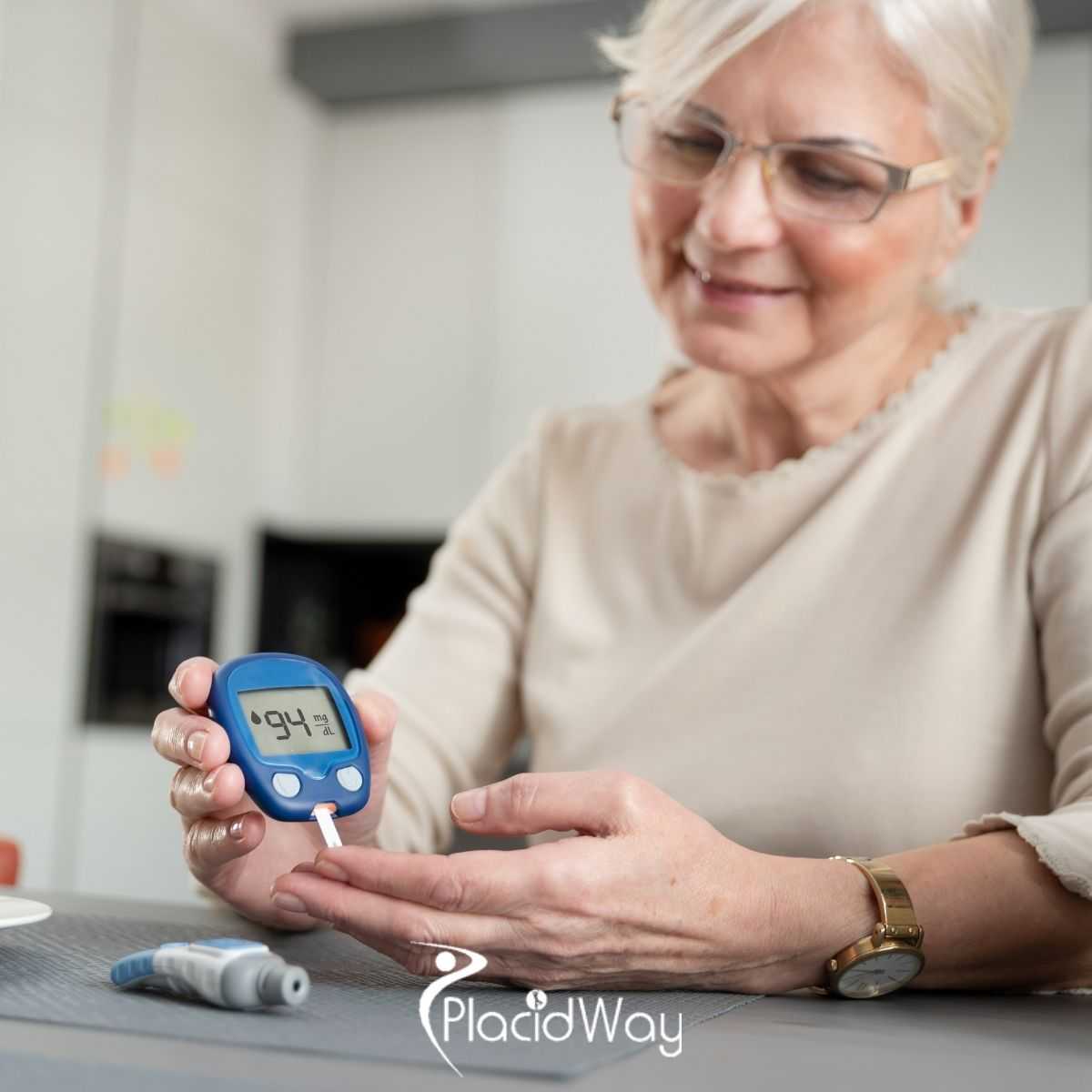
Evaluating Stem Cell Therapy for Diabetes in Istanbul: Patient Safety, Costs, and Clinical Expectations
PlacidWay Medical Tourism
- Stem Cell Therapy
Turkey
Autism Treatment in Turkey vs Romania What Shapes a Family's Decision
PlacidWay Medical Tourism
- Stem Cell Therapy
Turkey







