
Why UK Patients Are Choosing Stem Cell Therapy in Turkey Over Local Options
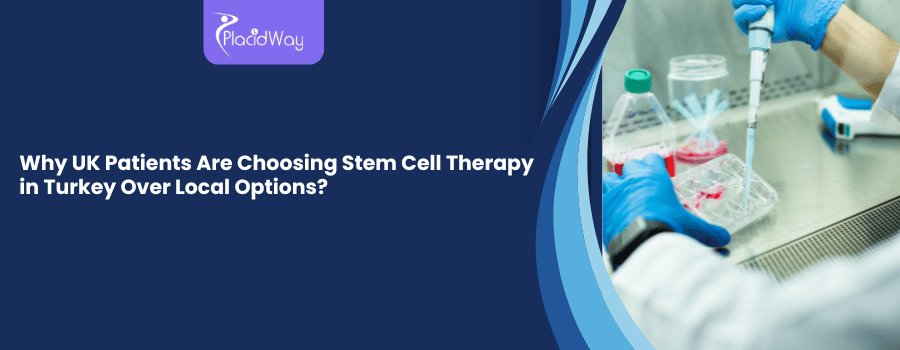
In recent years, an increasing number of individuals from the United Kingdom have began exploring cross-border healthcare solutions for chronic pain, autoimmune conditions, and orthopedic injuries. Exploring stem cell therapy in Turkey has emerged as a frequent consideration for those seeking options outside the standard National Health Service (NHS) pathways or expensive private UK care. While the promise of regenerative medicine appeals to many, the decision to undergo such therapies abroad requires careful navigation of medical evidence, safety regulations, and personal health needs.
Navigating international medical care involves understanding what treatments are genuinely available, how they are regulated, and the realities of the associated costs. This guide addresses the common questions UK residents have when evaluating regenerative medicine options abroad.
Key Takeaways
- Estimated out-of-pocket costs in Turkey are frequently lower than those found in private UK clinics.
- Private Turkish facilities often offer therapies for orthopedic and autoimmune issues that may be restricted or unavailable on the NHS.
- Many stem cell applications remain experimental, and clinical outcomes can vary significantly from patient to patient.
- Patient safety relies on verifying physician credentials and facility adherence to international medical guidelines.
- Consultation with your UK general practitioner or specialist is highly recommended before travelling for investigational treatments.
What types of stem cell treatments are available in Turkey?
The landscape of regenerative medicine involves several different cellular approaches. Autologous treatments, which use cells harvested directly from the patient, are the most common. Physicians typically extract cells through a minor liposuction procedure (adipose-derived) or a bone marrow aspiration. These cells are then processed, sometimes cultured to multiply their numbers, and reintroduced into the patient's body at the site of injury or intravenously.
Allogeneic treatments use cells donated by healthy individuals. In regenerative clinics, these are often ethically sourced from Wharton’s jelly found in donated umbilical cords following healthy, full-term births. These cells are celebrated for their youth and vigorous replication capabilities, though they require strict laboratory screening to prevent disease transmission and ensure compatibility.
Patients must understand that outside of established treatments for certain blood cancers and immunological disorders (like hematopoietic stem cell transplantation), many of the MSC therapies offered globally are still considered investigational by major health bodies. Efficacy can fluctuate widely based on the patient's age, overall health, and the specific condition being targeted.
How much does stem cell therapy cost in Turkey compared to the UK?
Cost is one of the primary drivers motivating UK citizens to look abroad. Because experimental regenerative treatments are rarely covered by the NHS or standard private health insurance, patients are usually required to self-fund their care. The pricing difference between the two countries stems largely from lower operational costs, reduced laboratory processing fees, and differences in the overall cost of living.
Below is an illustrative comparison of estimated costs for common regenerative procedures. These figures are broad estimates; actual prices vary depending on the facility, the need for cell expansion (culturing), and the complexity of the medical condition.
| Treatment Type | Estimated UK Private Cost | Estimated Turkey Cost |
|---|---|---|
| Single Joint MSC Injection (e.g., Knee) | £5,000 - £8,000 | £2,500 - £4,500 |
| Systemic IV Therapy (Autoimmune) | £8,000 - £15,000+ | £4,500 - £8,000 |
| Cultured Cell Expansion Therapy | Rarely available/highly restricted | £6,000 - £10,000 |
When calculating the total financial commitment, patients must factor in the costs of flights, accommodation, local transport, and potential travel insurance that covers elective medical procedures abroad.
Is stem cell therapy in Turkey safe for international patients?
Patient safety is a paramount concern when seeking regenerative medicine. In Turkey, medical establishments are regulated by the Ministry of Health, which sets requirements for hygiene, physician licensing, and facility infrastructure. However, the regulatory framework for experimental therapies can be different from the strict oversight enforced by the Medicines and Healthcare products Regulatory Agency (MHRA) in the UK.
To maximize safety, international patients should look for facilities that possess recognized global accreditations, such as from the Joint Commission International (JCI). The handling and processing of human cells require highly controlled environments. Clinics that utilize GMP-certified cleanrooms minimize the risk of bacterial contamination during cell isolation and culturing.
Safety also extends to the medical evaluation process. A responsible medical provider will conduct a thorough screening of your medical history, perform necessary blood work, and frankly discuss conditions that might make you an unsuitable candidate for cellular therapy.
Why might a stem cell therapy clinic in Turkey be more accessible than UK options?
In the UK, healthcare heavily relies on the NHS, which prioritizes evidence-based, universally approved treatments to manage its limited resources. Currently, the NHS primarily funds stem cell transplants for a very specific list of conditions, predominantly blood cancers like leukemia and lymphoma. For patients suffering from degenerative joint disease, chronic pain, or autoimmune conditions, publicly funded cellular therapy is usually out of reach unless they are enrolled in a clinical trial.
While the UK private sector does offer some regenerative treatments, such as Platelet-Rich Plasma (PRP) or basic bone marrow aspirate concentrate (BMAC) injections, strict regulations often limit the manipulation and culturing of cells. Private clinics in Turkey often operate under different medical frameworks that allow for the laboratory expansion of stem cells, yielding higher cell counts per treatment.
Furthermore, private international healthcare sectors are designed for efficiency. Patients can often schedule consultations and procedures within a matter of weeks, bypassing the lengthy referral and waiting periods frequently experienced in domestic healthcare systems.
What medical conditions are commonly treated with stem cells in Turkey?
The scope of applications for mesenchymal stem cells has expanded, though the clinical evidence supporting them varies by condition. Orthopedic applications are among the most common. Patients with mild to moderate osteoarthritis of the knee, hip, or shoulder often seek cellular injections aiming to reduce chronic inflammation, manage pain, and potentially delay the need for invasive joint replacement surgery.
Beyond orthopedics, some clinics offer protocols aimed at modulating the immune system for patients with autoimmune conditions such as multiple sclerosis, rheumatoid arthritis, or lupus. These therapies often involve intravenous administration of cells.
How does medical tourism in Turkey support international patients?
Turkey has strategically developed its healthcare sector to cater to an international audience. Many private medical facilities feature specialized departments solely focused on the needs of foreign visitors. This infrastructure is designed to reduce the stress and logistical burden of receiving medical care in a foreign country.
Language barriers are a common concern, but international departments typically employ fluent English-speaking patient coordinators who assist from the initial inquiry through to discharge. These coordinators help gather medical records from the UK, translate diagnostic reports, and ensure the patient fully understands the proposed treatment plan and consent forms.
This supportive environment allows patients to focus on their health and recovery rather than struggling with administrative or linguistic hurdles.
What should UK patients look for when choosing a Turkish clinic?
Selecting a suitable facility is a critical step that requires diligent research. The International Society for Stem Cell Research (ISSCR) provides guidelines for patients considering unproven therapies. According to these principles, red flags include clinics that promise guaranteed cures, use high-pressure sales tactics, or offer the same cell type to treat vastly different diseases.
When evaluating a facility, patients should ask specific questions:
- What is the specific type and source of the stem cells being used?
- Are the cells cultured, and if so, how does the laboratory prevent contamination?
- What are the board certifications and specialties of the doctor performing the procedure?
- Does the clinic have a formal protocol for managing adverse reactions or medical emergencies?
A reputable medical provider will be entirely transparent, providing clear answers without attempting to minimize the inherent uncertainties associated with investigational treatments.
How does the recovery process work when receiving treatment abroad?
The immediate recovery from stem cell extraction and injection is usually straightforward. Patients who undergo minor liposuction or bone marrow aspiration may experience localized soreness, bruising, and mild swelling at the donor and injection sites. Physicians generally advise resting for a few days before undertaking air travel to reduce the risk of deep vein thrombosis (DVT) and to allow the body to stabilize.
However, the biological response to cellular therapy occurs over weeks or months. Tissue regeneration and inflammation reduction are gradual processes. Because you will be returning to the UK shortly after the procedure, establishing a plan for local aftercare is vital. This may involve booking sessions with a UK-based physiotherapist to support joint recovery or scheduling follow-up blood tests with your GP.
Always secure comprehensive medical summaries and treatment reports from your treating physician abroad so your local doctors are fully informed of your medical history in the event of delayed complications.
What are the risks and limitations of stem cell therapy?
Like any medical intervention, stem cell therapy carries inherent risks. Procedural risks typically relate to the extraction process and the injection itself, which can include bleeding, localized pain, or infection. While autologous cells minimize the risk of immune rejection, the administration of foreign (allogeneic) cells or heavily manipulated cells carries a slight risk of adverse immune response.
One of the most significant limitations is the lack of standardization. Because protocols vary heavily between clinics—different cell counts, processing methods, and delivery mechanisms—outcomes can be unpredictable. Many patients invest significant financial resources only to find that the treatment did not yield the desired improvement in their condition.
Furthermore, if complications arise after returning to the UK, navigating post-treatment care within the NHS for an experimental procedure performed abroad can be complex. Patients must weigh these medical and financial risks against the potential benefits before committing to treatment.
Why Choose PlacidWay for Medical Tourism?
Navigating international healthcare requires reliable information and access to established medical networks. PlacidWay assists patients by providing resources to evaluate cross-border healthcare options.
- Comprehensive Provider Network: Access a database of internationally evaluated medical facilities and specialized clinics.
- Transparent Information: View detailed clinic profiles, including estimated treatment costs and facility accreditations.
- Provider Comparisons: Easily compare physician credentials, clinical approaches, and facility offerings in one centralized location.
- Direct Communication: Facilitates direct connections between international patients and medical providers to discuss treatment specifics.
- Educational Resources: Provides access to unbiased patient reviews and informative guides to help individuals make well-researched healthcare decisions.
Frequently Asked Questions
Is stem cell therapy legally regulated in Turkey?
Yes, stem cell treatments and the facilities that provide them are regulated by the Turkish Ministry of Health. Clinics must adhere to specific national guidelines regarding the harvesting, processing, and application of human cells, though regulations for experimental treatments can differ from those in the UK.
Will the NHS fund stem cell therapy in Turkey?
The NHS typically does not fund experimental or unproven stem cell therapies, whether performed locally or abroad. Patients travelling to Turkey for treatments like joint injections or anti-aging therapies must pay out of pocket through private funds.
Do I need a visa to travel from the UK to Turkey for medical treatment?
British citizens travelling to Turkey for tourism or medical purposes for short stays usually do not require a visa for visits of up to 90 days within a 180-day period. However, patients should verify current entry requirements with the Turkish consulate prior to booking.
How long do I need to stay in Turkey for stem cell treatment?
The required stay varies by the complexity of the procedure. Simple joint injections may require only 3 to 5 days, while therapies requiring cell culturing and multiple administration sessions may require a stay of 10 to 14 days or longer to allow for adequate monitoring.
Are the results of stem cell therapy permanent?
Results from stem cell treatments are rarely permanent and vary significantly among individuals. Depending on the condition being managed, patients may experience symptom relief for several months to a few years, and some may require maintenance treatments.
What happens if I experience a complication after returning to the UK?
If you experience complications upon returning home, you should immediately seek care through your local GP, an NHS hospital, or a private UK specialist. It is vital to bring all medical records from your treatment in Turkey so UK doctors understand exactly what was administered.
Can anyone get stem cell therapy in Turkey?
Not everyone is a suitable candidate. Reputable clinics will require a thorough medical history, recent blood tests, and imaging to determine eligibility. Patients with active infections, severe bleeding disorders, or certain types of cancer may be contraindicated for specific stem cell therapies.
What is the difference between autologous and allogeneic stem cells?
Autologous stem cells are harvested from your own body, typically from fat tissue or bone marrow, reducing the risk of immune rejection. Allogeneic stem cells are sourced from a healthy donor, often from umbilical cord tissue, which requires careful screening for safety and compatibility.
Do Turkish doctors speak English?
Many specialists working in private healthcare facilities that cater to international patients speak English fluently. Furthermore, these facilities typically employ dedicated translators and patient coordinators to assist with communication throughout the treatment process.
How soon can I fly back to the UK after treatment?
Most patients are cleared to fly within 48 to 72 hours after minor stem cell procedures, provided there are no complications. However, your attending physician will provide specific travel clearance based on the type of extraction and injection performed.
Compare Treatment Options
Gather information, review clinic profiles, and learn more about estimated costs for regenerative medicine abroad.
Request Treatment InformationReferences
- Patient Handbook on Stem Cell Therapies – International Society for Stem Cell Research (ISSCR)
- Stem Cell Transplants – National Health Service (NHS)
- Advanced Therapy Medicinal Products Overview – European Medicines Agency (EMA)
- Medical Tourism Guidelines – Centers for Disease Control and Prevention (CDC)
- Health Care Quality and Safety – World Health Organization (WHO)
- Risks and Regulations in Stem Cell Tourism – National Center for Biotechnology Information (NCBI)
























Share this listing