


Cost and Clinical Considerations for Orthodontic Treatment in Turkey
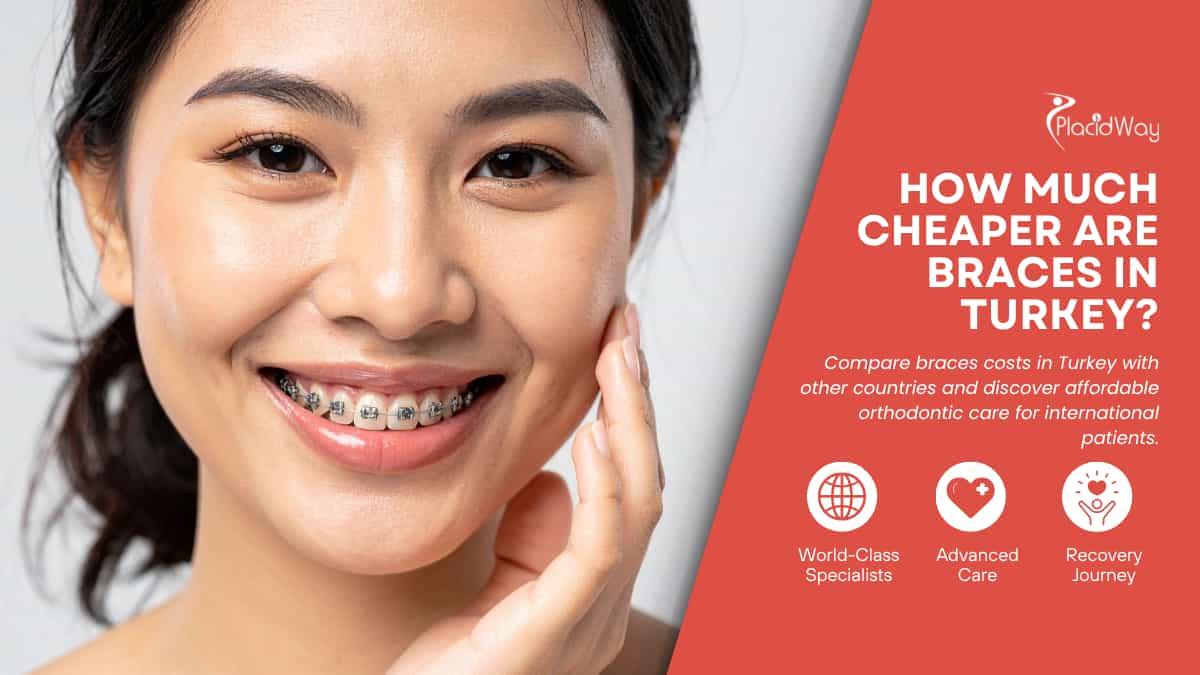
Braces cost in Turkey typically costs between $1,000 and $2,500, which is 50% to 70% cheaper than in the US or UK. This price difference makes Turkey an attractive destination for high-quality, affordable orthodontic care for international patients.
Key Takeaways
- Patients typically save a significant percentage on orthodontic care compared to Western healthcare markets.
- Clear aligners offer a more practical solution for travelers than fixed metal brackets due to fewer required clinical visits.
- Verifying a specialist education and clinic accreditations is a critical step for patient safety.
- Travel expenses and local aftercare fees must be factored into the total estimated budget.
- Coordination with a home-country provider is essential for ongoing adjustments and emergency management.
Why Is the Braces Cost in Turkey So Affordable?
The affordability stems from lower local living expenses and favorable exchange rates rather than a compromise in medical standards.
Many prospective patients wonder how clinics can offer such competitive pricing without sacrificing the standard of care. The primary driver of these lower fees is the macroeconomic environment. The cost of living, clinic operational expenses, and staff salaries are notably lower than in North America or Western Europe. These reduced overhead costs allow providers to pass significant savings directly to the patient.
Furthermore, favorable currency exchange rates play a massive role for international visitors. When converting Dollars, Euros, or Pounds into the local currency, the purchasing power increases dramatically. This economic advantage is a cornerstone of the medical travel industry, enabling complex dental procedures to become financially accessible to a broader global audience.
Lastly, the government actively supports and subsidizes the healthcare export sector. By providing incentives to facilities that cater to global patients, the state helps these centers maintain modern infrastructure and competitive pricing. This combination of economic factors ensures that the braces cost in Turkey remains highly attractive while supporting robust clinical infrastructure.
What Types of Braces in Turkey Are Available for Patients?
Patients can select traditional metal brackets, aesthetic ceramic options, lingual systems, or removable clear aligners based on clinical evaluation.
- Traditional Metal Brackets: These are the standard, highly durable options utilizing stainless steel brackets and wires. They are typically the most cost-effective method for correcting severe bite issues.
- Ceramic Brackets: Designed to blend in with natural tooth color, these function similarly to metal brackets but offer a far more discreet appearance for self-conscious patients.
- Lingual Systems: These brackets attach to the back surface of the teeth facing the tongue, rendering them completely invisible from the outside, though they may require a longer adjustment period.
- Clear Aligners: Removable, transparent plastic trays that gradually shift teeth. They are highly popular among travelers because they demand fewer in-person adjustments compared to fixed hardware.
- Self-Ligating Systems: These utilize a specialized clip instead of elastic bands to hold the archwire in place, potentially reducing friction and the frequency of necessary clinical visits.
Did You Know?
Clear aligner therapy is frequently recommended for international patients because the entire series of trays can often be manufactured and provided in just one or two trips, minimizing the need for monthly international flights.
How Do I Choose a Reliable Braces Clinic in Turkey?
Selecting a reputable facility requires verifying the specialist credentials, reviewing clinical hygiene standards, and confirming international certifications.
Identifying a safe and effective braces clinic in Turkey involves thorough independent research. Patients should prioritize facilities that prominently display their registration with the national Ministry of Health. This registration indicates that the center meets baseline regulatory requirements for hygiene, equipment, and facility safety.
Beyond basic facility registration, verifying the individual provider credentials is paramount. Orthodontics is a specialized field requiring years of postgraduate study. Prospective patients should request proof of the dentist specialty diploma and ensure they are registered as an orthodontic specialist, not just a general dental practitioner offering alignment services.
Transparency is another crucial indicator of reliability. A trustworthy center will provide clear, written estimates detailing what is included in the fee. They should willingly discuss the origin and brand of the materials used and clearly outline the limitations and risks of managing orthodontic care across international borders.
How Does Medical Tourism in Turkey Benefit Dental Patients?
It allows patients to access modern dental facilities and highly experienced orthodontists while saving significantly on overall treatment expenses.
- Financial Accessibility: The primary benefit remains the drastic reduction in out-of-pocket expenses for treatments that are often poorly covered by domestic insurance plans.
- Advanced Infrastructure: Many centers catering to foreign visitors invest heavily in 3D panoramic imaging, intraoral scanners, and digital smile design technology to expedite care.
- High Case Volume: Providers in popular destinations handle a massive volume of complex cases, which typically translates to refined clinical skills and extensive practical experience.
- Multilingual Support: To accommodate the global influx, dedicated international patient departments employ fluent English speakers to ensure clear medical communication.
- Holistic Experience: Medical tourism in Turkey often blends necessary healthcare with the opportunity to recover in a culturally rich, geographically beautiful environment.
How Many Trips Are Required for Orthodontic Treatment Abroad?
Traditional orthodontics usually require monthly adjustments, while clear aligner systems might only necessitate one initial trip for scanning and fitting.
The logistical reality of traveling for orthodontic care depends entirely on the chosen appliance. Fixed brackets require regular manipulation by a specialist. Wires must be tightened, changed, and adjusted every four to six weeks. Flying internationally for these brief, frequent appointments is usually entirely impractical and rapidly negates any initial financial savings.
Because of this barrier, patients opting for fixed hardware abroad must have a concrete plan to transfer their ongoing care to a local provider upon returning home. This hybrid approach allows patients to save on the heavy initial placement fees while managing the routine maintenance domestically.
Conversely, clear aligner therapy is highly compatible with international travel. A patient can visit the foreign clinic for a comprehensive evaluation, 3D scanning, and treatment planning. Once the custom trays are fabricated, the patient can often take the entire series home, conducting virtual check-ins with their overseas doctor and swapping trays independently as directed.
Are There Any Hidden Fees When Traveling for Orthodontic Work?
While the clinical fees are lower, patients must carefully calculate travel expenses, local accommodation, and potential home-country adjustment costs.
- Travel and Lodging: Airfare, hotel stays, and local transportation can add hundreds or thousands of dollars to the total budget, depending on the distance and length of stay.
- Diagnostic Imaging: Some initial quotes may only cover the hardware placement, leaving out mandatory preliminary steps like cephalometric x-rays or 3D cone beam scans.
- Pre-treatment Requirements: Patients may discover they need extractions, cavity fillings, or periodontal cleaning before brackets can safely be applied, adding unforeseen costs.
- Local Adjustments: Paying a domestic provider to take over monthly tightening can be surprisingly expensive, as many charge premium rates to manage foreign-placed appliances.
- Post-treatment Retention: Removable or fixed retainers are essential for maintaining results, and these devices often carry separate fabrication fees not included in the initial estimate.
Important Consideration
Always request an itemized treatment plan before traveling. Ensure you understand exactly what the estimated price covers, particularly regarding diagnostics, extractions, and post-treatment retainers.
What Should I Know About Aftercare and Adjustments Back Home?
Routine wire tightening must be done locally, so patients must find a home-country orthodontist willing to manage the appliance placed abroad.
Continuity of care is the single most challenging aspect of cross-border orthodontics. Getting braces in Turkey is only step one. Moving teeth safely is a continuous biological process that requires close monitoring. If you receive fixed brackets abroad, you absolutely must secure a local professional willing to take over the case before you board your flight.
Finding a local doctor to accept a transfer case can occasionally be difficult. Many practitioners prefer to work exclusively with specific hardware brands and may refuse to adjust unfamiliar systems. Furthermore, taking over a case mid-treatment carries certain liabilities, prompting some local doctors to insist on removing the foreign hardware and starting over completely.
Therefore, thorough communication is vital. Patients should ask the overseas provider exactly what brand of brackets and wires will be used. Armed with this information, they can call local offices to confirm that someone nearby can and will provide the necessary monthly adjustments and emergency repairs.
What Are the Risks Associated With Dental Tourism for Orthodontics?
The primary risks involve the logistical difficulty of managing bracket breakages from afar and ensuring consistent continuity of care across borders.
- Emergency Management: A snapped archwire or detached bracket requires prompt attention to prevent pain or unintended tooth movement, which is difficult if your primary doctor is in another country.
- Communication Gaps: Even with translators, subtle nuances regarding pain levels, aesthetic preferences, and clinical expectations can sometimes be lost in translation.
- Fragmented Care: Splitting treatment between two different practitioners in two different countries increases the likelihood of miscommunication regarding the overall treatment goals.
- Travel Fatigue: Undergoing major dental work followed immediately by international air travel can be physically exhausting and uncomfortable.
- Legal Recourse: If clinical complications arise, pursuing legal or financial remedies across international borders is highly complex and often impractical.
Why Choose PlacidWay for Your Dental Journey Abroad?
PlacidWay assists patients in comparing international dental providers and understanding treatment variables without promotional bias.
- Facilitates straightforward comparisons of certified international dental providers to help patients make informed, independent decisions.
- Offers transparent, detailed pricing estimates to help individuals budget effectively for cross-border medical expenses.
- Provides robust access to verified clinic profiles, highlighting specialist credentials, facility accreditations, and available technologies.
- Supplies comprehensive educational resources regarding international healthcare standards, patient safety protocols, and realistic clinical expectations.
- Connects prospective patients with a vast global network of specialized orthodontic centers equipped to handle complex international cases.
Frequently Asked Questions
Can adults get orthodontic treatment in Turkey?
Yes, adults can safely undergo orthodontic treatment in Turkish clinics. Many facilities specialize in discreet adult orthodontics, offering aesthetic options that fit professional lifestyles while addressing long-standing alignment issues.
How long does it take to fit the brackets initially?
The initial bonding process typically takes one to two hours per arch. This includes cleaning the teeth, applying the adhesive, positioning the brackets, and placing the initial archwire to begin the alignment process.
Are clear aligners cheaper abroad than domestically?
Clear aligners are generally more affordable in Turkish dental centers compared to North American or European practices, though the exact savings depend on the specific brand chosen and the complexity of the required tooth movements.
Do orthodontists in popular Turkish cities speak English?
Many specialists in major hubs like Istanbul and Antalya are fluent in English. Additionally, facilities catering to international visitors often employ dedicated patient coordinators to assist with communication throughout the clinical process.
Is it safe to get dental work done in Istanbul?
Receiving dental care in major Turkish cities can be safe when patients choose officially registered, highly credentialed facilities. It is essential to verify the clinic adheres to international infection control protocols and local health ministry regulations.
What happens if a bracket breaks when I return home?
If hardware breaks after returning home, you must visit a local orthodontist for immediate repair. This highlights the importance of securing a local provider willing to manage emergencies for hardware placed outside the country.
Can I switch to a local orthodontist after starting treatment abroad?
Transferring care is possible but can be challenging. Some local providers may require removing the foreign brackets and starting fresh with their preferred system, which can increase overall expenses and treatment duration.
How do I verify a Turkish dentist credentials?
You can verify qualifications by asking the facility for the specialist diploma and checking their registration with the Turkish Dental Association. Ensuring they have completed recognized postgraduate orthodontic training is a vital safety step.
Are the materials used internationally recognized?
Reputable centers utilize globally recognized, CE-certified or FDA-cleared materials and bracket systems. Patients should always ask their chosen provider to specify the brand and origin of the orthodontic hardware being used.
Can I get a retainer made abroad after my treatment ends?
Yes, if your treatment concludes while you are visiting, the specialist can fabricate and fit a custom retainer. However, if your treatment finishes after you return home, your local provider will need to handle the retention phase.
Compare Dental Implant Options Worldwide
Explore verified clinics, review specialist credentials, and request transparent treatment estimates to make an informed decision about your orthodontic care.
Request Treatment InformationDisclaimer: The pricing data provided is based on estimates and is subject to change. Medical outcomes vary, and international travel for healthcare carries inherent logistical risks. Always consult with a licensed healthcare provider before making medical decisions.
References
- Orthodontics overview – National Health Service (NHS)
- Braces and Orthodontic Treatment – American Dental Association (ADA)
- Medical Tourism Safety Guidelines – Centers for Disease Control and Prevention (CDC)
- Risks and Benefits of Dental Tourism – National Center for Biotechnology Information (NCBI)
- Patient Safety Fact Sheet – World Health Organization (WHO)
- Guidelines on Quality in Dentistry – FDI World Dental Federation

.png)
.png)












Share this listing