


Costs and Effectiveness of Ibogaine in Mexico
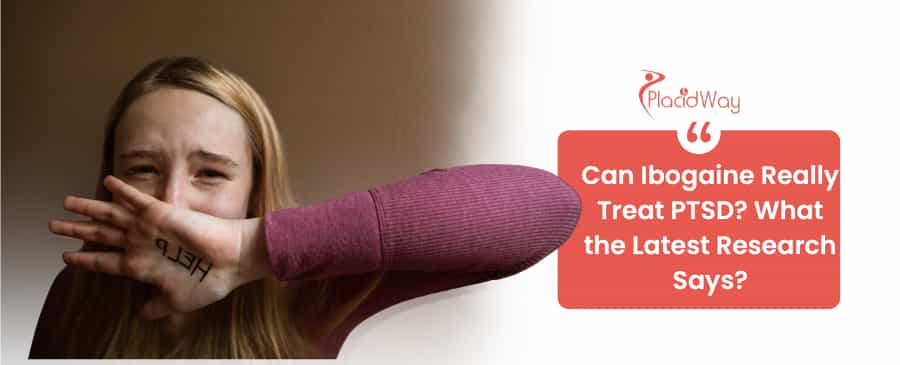
Post-Traumatic Stress Disorder (PTSD) is a complex and often debilitating condition that affects millions of people worldwide, leaving many searching for relief when traditional therapies fall short. You might have heard whispers or seen headlines about a powerful plant-based compound called Ibogaine and its potential to heal deep psychological wounds. It sounds almost too good to be true—a single treatment that could potentially hit the reset button on trauma?
The short answer is that while Ibogaine treatment for PTSD is not a magic wand, emerging science is showing it has incredible promise. Recent clinical trials are reporting significant reductions in anxiety, depression, and trauma symptoms in veterans and civilians alike. However, navigating the world of alternative psychedelic therapies can be confusing. Is it safe? Is it legal? And perhaps most practically, how much does it actually cost?
In this guide, we are going to walk through everything you need to know about Ibogaine therapy. We will look at the latest scientific findings, break down the costs with a clear comparison, and discuss the safety protocols you absolutely need to be aware of. Our goal is to give you the clear, unbiased facts so you can make an informed decision about your mental health journey.
What is Ibogaine and where does it come from?
Ibogaine is not a new discovery; it has been used for centuries by the Bwiti people in Gabon and Cameroon for healing and initiation rites. In the Western medical world, it gained attention initially for its ability to interrupt addiction, particularly opioid withdrawal. However, researchers have recently shifted their focus to its profound effects on the brain's emotional and memory centers.
Unlike recreational psychedelics, Ibogaine is often described as an "oneirogen," which means it generates a dream-like state while you are awake. This unique property allows patients to revisit traumatic memories without the intense emotional pain usually associated with them, facilitating a form of rapid processing and integration that might take years in standard talk therapy.
How does Ibogaine actually treat PTSD?
The mechanism behind Ibogaine's effectiveness for PTSD lies in its ability to induce neuroplasticity. Imagine your brain as a snowy hill with deep sled tracks (your trauma pathways). Ibogaine acts like a fresh coat of snow, allowing your brain to form new, healthier pathways. It interacts with several receptor systems simultaneously, including serotonergic and opioid receptors, which helps regulate mood and stress responses.
Crucially, it stimulates the release of Glial Cell Line-Derived Neurotrophic Factor (GDNF). This protein promotes the survival and regeneration of neurons. For someone with PTSD, whose brain may have been stuck in a "fight or flight" mode for years, this biological reset can lead to a sudden and lasting reduction in symptoms, allowing them to process trauma from a detached, objective perspective.
What does the Stanford University study say about Ibogaine?
This study is a game-changer in the field of psychedelic medicine. Researchers followed 30 U.S. Special Operations veterans who traveled to Mexico for Ibogaine treatment combined with magnesium (to protect the heart). The results were staggering. Before the treatment, these veterans had severe disability ratings; afterward, many showed no residual signs of PTSD.
What makes this research so compelling is that the improvements weren't just a fleeting "afterglow." The cognitive and emotional benefits persisted when researchers checked in a month later. It provides the strongest clinical evidence to date that this therapy isn't just anecdotal—it has measurable, powerful effects on the brains of those suffering from severe trauma.
Is Ibogaine treatment legal in the United States?
Despite the promising research, the U.S. Drug Enforcement Administration (DEA) considers Ibogaine to have a high potential for abuse and no accepted medical use, a classification that has hindered research for decades. This forces U.S. citizens seeking treatment to travel abroad.
However, the landscape is slowly shifting. Cities and states are beginning to decriminalize natural psychedelics, and Kentucky recently explored using opioid settlement funds to research Ibogaine. But for now, legal, medical-grade treatment is not available within American borders.
Where is Ibogaine legal for PTSD treatment?
Mexico is currently the primary hub for Americans seeking Ibogaine therapy. The substance is unregulated there, allowing medical clinics to operate openly, often staffed by doctors and nurses. New Zealand has gone a step further, classifying it as a prescription medication that can be administered by general practitioners, although strict regulations make it rare.
Brazil and South Africa also permit its use under specific medical guidelines. If you are considering traveling for treatment, it is vital to understand that "legal" or "unregulated" does not automatically mean "safe." The lack of regulation in some areas means the quality of care can vary wildly between facilities.
What is the cost of Ibogaine treatment for PTSD?
Cost is a major factor for most families. Unlike traditional therapy, Ibogaine treatment is almost never covered by insurance because of its legal status in the US and Europe. The price tag generally covers a comprehensive package: pre-screening medical tests, the treatment itself, 24-hour nursing care, accommodation, and post-treatment integration coaching.
Budget options exist, but caution is advised. "Retreats" offering treatments for under $3,000 may lack essential medical equipment like EKG monitors or emergency defibrillators. On the higher end, luxury facilities offer resort-like amenities, private chefs, and extended stays for integration, which can push costs upward of $15,000.
Comparison of Ibogaine Treatment Costs by Country
The following table provides a general comparison of costs for a standard 7-10 day treatment program.
| Country | Estimated Cost (USD) | Medical Supervision Level | Typical Inclusions |
|---|---|---|---|
| Mexico | $5,500 - $12,500 | High (Doctors/Nurses on-site) | Detox, cardiac monitoring, private room, meals, airport transfer. |
| Costa Rica | $7,000 - $14,000 | Medium to High | Holistic therapies, yoga, organic meals, nature-focused setting. |
| Portugal | $6,000 - $10,000 | High (Medical clinics) | European medical standards, psychological support, aftercare planning. |
| South Africa | $4,000 - $8,000 | High (Regulated) | Hospital or clinic setting, full medical intake, licensed practitioners. |
| New Zealand | $8,000 - $15,000+ | Very High (Prescription based) | Strict medical protocols, extensive therapy, potential hospital stay. |
What happens during an Ibogaine treatment session?
The Ibogaine experience is intense and physically demanding. After medical checks (EKG, blood work), you take the medication. Within an hour, you may experience ataxia (difficulty moving) and a buzzing sound. This leads into the "visionary phase," which lasts 4-8 hours. Patients often describe seeing a slideshow of their life memories, allowing them to review traumatic events objectively.
Following this is the "introspection phase," which can last another 8-20 hours. Here, the visions fade, but your mind remains active, processing the information revealed during the first phase. It is not a recreational "trip"; it is often described as hard work, physically draining, and emotionally heavy, but ultimately cathartic.
Are there dangerous side effects or risks?
Safety is the most critical aspect of this discussion. Ibogaine is cardiotoxic in high doses or for people with pre-existing heart conditions. It interacts with the electrical system of the heart, specifically the QT interval. If this interval gets too long, it can cause the heart to stop. This is why "underground" or unsupervised treatments are incredibly dangerous.
Reputable clinics mitigate this risk by administering magnesium (which protects the heart), keeping patients hooked up to cardiac monitors constantly during the treatment, and having emergency equipment on hand. Common but less severe side effects include nausea, vomiting, dizziness, and temporary loss of muscle coordination.
Who is NOT a candidate for Ibogaine therapy?
Screening is vital. If a clinic is willing to take you without a thorough medical intake, run the other way. Exclusion criteria typically include a history of heart attacks, irregular heartbeats, or implanted pacemakers. Additionally, certain medications (like SSRIs or antipsychotics) must be tapered off weeks in advance to prevent dangerous drug interactions.
Mental health history is also reviewed. While Ibogaine helps PTSD and depression, it can destabilize conditions involving psychosis, such as schizophrenia or bipolar disorder with manic episodes. Honest disclosure of your medical history is essential for your survival and well-being.
How does Ibogaine compare to traditional PTSD treatments?
Standard treatments for PTSD, such as Cognitive Behavioral Therapy (CBT) and antidepressants (SSRIs), are effective for many but have high dropout rates and often take years to show results. They primarily manage symptoms—helping you live with the trauma.
Ibogaine therapy offers a different paradigm: interventional medicine. It aims to resolve the trauma. Patients often report achieving in one weekend what might have taken a decade of therapy. However, it is not a replacement for therapy. Most experts agree that Ibogaine works best as a catalyst, opening a window of plasticity that must be followed by traditional therapy to integrate the changes.
How long does the recovery process take?
You won't be ready to run a marathon the day after treatment. The physical exhaustion is real. Most people need a "gray day" immediately following the experience to rest and sleep. This is why reputable programs are at least a week long.
The "recovery" of the mind takes longer. For several weeks post-treatment, your brain is in a malleable state. This is the golden hour for forming new habits. If you return immediately to a high-stress environment without support, the benefits can fade. Successful recovery requires a plan for the months following your return home.
What is "The Gray Day" in Ibogaine treatment?
Many patients are unprepared for the day after. The fireworks of the visionary phase are over, and you are left with a quiet mind and a tired body. It is called the Gray Day because you might feel heavy or emotionless. This is normal.
During this time, the medicine is still working in your system (specifically the metabolite noribogaine). It is a day for journaling, resting, and light eating. Fighting this rest period can hinder the healing process. It is a necessary bridge between the profound experience and returning to normal life.
Do I need to stop my current medications?
This is a major logistical hurdle for many. You cannot take Ibogaine while on antidepressants, benzodiazepines, or opioids (though it treats addiction, you must be in early withdrawal, not actively high). Combining these can lead to Serotonin Syndrome or cardiac arrest.
A good clinic will help you design a tapering schedule in coordination with your prescribing doctor at home. This preparation phase can take anywhere from 2 weeks to a month before you even get on the plane. Never stop medication abruptly without medical guidance.
What is the success rate for PTSD remission?
Defining "success" in mental health is tricky. Does it mean zero symptoms? Or just manageable ones? The Stanford study cited earlier showed an average 88% reduction in symptoms. In real-world terms, this often means veterans who couldn't leave their house or hold a job are able to return to functioning society.
However, "success" depends heavily on integration. Patients who treat Ibogaine as a "one-and-done" fix without changing their lifestyle or engaging in therapy often see symptoms creep back. The treatment breaks the cycle, but you have to walk the new path.
Can Ibogaine help with TBI (Traumatic Brain Injury)?
Many veterans suffer from the "invisible wounds" of both PTSD and Traumatic Brain Injury (TBI) from blast exposures. The same Stanford study noted significant improvements in cognitive testing for TBI patients. They reported better concentration, memory, and information processing.
This is a revolutionary finding because there are currently very few effective pharmaceutical treatments for TBI. The hypothesis is that the GDNF release stimulated by Ibogaine actually helps repair the physical damage to the brain's neural architecture, not just the psychological software.
How do I verify a safe clinic?
Due diligence is non-negotiable. Do not rely solely on flashy websites or Instagram testimonials. Ask hard questions: Who is the medical director? Is there a doctor present during the actual administration (not just "on call")? How far is the nearest emergency room?
Look for reviews on independent forums rather than the clinic's own site. Reputable Ibogaine clinics will be transparent about their safety protocols and will often turn you away if they feel you are not a safe candidate. If they accept everyone who applies, that is a major red flag.
What is "Integration" and why is it mandatory?
You will hear the word "integration" constantly in psychedelic circles. It essentially means "making it stick." Ibogaine might show you why you have trauma and remove the emotional charge, but it won't pay your bills or fix your marriage.
Integration therapy involves working with a specialist to process the visions and emotions that came up. It involves setting new routines while your brain is plastic. Without this, the old neural pathways—the ruts in the snow—can eventually reform.
Are there different types of Iboga?
Terminology matters. Iboga root bark is the raw plant, containing a mix of alkaloids. It is harder to dose precisely and is rougher on the body. TA (Total Alkaloid) is a concentrated extract. Ibogaine HCL is the isolated molecule used in most medical studies and high-end clinics.
For medical safety, specifically regarding the heart, Ibogaine HCL is generally preferred because the dosage can be calculated exactly based on your body weight. The root bark varies in potency, making it riskier for those with health concerns.
Is this covered by Medical Tourism agencies?
Navigating foreign healthcare systems can be daunting. Agencies that specialize in medical tourism often have existing relationships with vetted clinics. They can provide an added layer of security, knowing that the facility has been inspected and meets international standards.
This route can also simplify the logistics of travel, airport transfers, and pre-treatment medical clearance, allowing you to focus entirely on your mental preparation for the journey ahead.
Ready to explore your options for safe, effective treatment?
If you or a loved one is struggling with PTSD and considering alternative therapies, finding a trusted, accredited facility is the first step. Do not navigate this alone.
Explore PlacidWay Today







.png)









Share this listing