
What Is The Cost Of Ibogaine Treatment For Nicotine In Mexico?
.png)
If you have tried patches, gums, prescriptions, and cold turkey without success, you are likely looking for a solution that goes deeper than just managing cravings. Overcoming nicotine dependence with Ibogaine is gaining attention as a powerful alternative for those who feel stuck in the cycle of addiction. Unlike traditional methods that taper off usage, this treatment aims to address the root biological and psychological causes of addiction.
Mexico has become the global hub for this therapy, providing medically supervised environments where people can undergo treatment legally and safely. The concept is fascinating: a plant-derived substance that may help "reset" the brain's neurochemistry to a pre-addicted state. This guide will walk you through everything you need to know about Ibogaine for smoking cessation, from how it works and what it costs, to safety protocols and what to expect during your stay in Mexico. We’re here to answer the specific questions you have so you can make an informed decision about your health.
What is Ibogaine and how does it treat nicotine addiction?
Ibogaine is not a new invention; it is an alkaloid derived from a shrub native to West Africa, where it has been used for centuries in traditional ceremonies. In the context of nicotine addiction treatment, it functions very differently from standard replacement therapies. Rather than replacing the nicotine with a smaller dose, Ibogaine is thought to interrupt the addiction pathways in the brain. It metabolizes into Noribogaine, which stays in the system longer and acts on serotonin and dopamine receptors, potentially lifting the "brain fog" and mood dips associated with quitting smoking.
Many patients report that after a single treatment, their desire to smoke vanishes or is significantly diminished. This is often described as a "neurochemical reset." By targeting the nicotinic acetylcholine receptors, Ibogaine may help block the reinforcing effects of nicotine, making it easier for individuals to break the habit without the severe physical withdrawal symptoms that usually lead to relapse.
Why is Mexico the popular destination for Ibogaine treatment?
The primary reason individuals travel for Ibogaine treatment in Mexico is legal accessibility. In the United States and several other countries, Ibogaine is classified as a Schedule I substance, making it illegal to possess or administer. Mexico, however, does not classify it as such, which has allowed a robust medical tourism industry to develop. This isn't about "back-alley" treatments; many facilities in Mexico are sophisticated medical centers located in areas like Baja California and Cancun.
These centers often employ multidisciplinary teams including doctors, nurses, and psychologists. Because the treatment is legal, these providers can operate openly, adhere to safety protocols, and provide the necessary medical screening that is critical for safety. This legal environment allows patients to focus on their recovery in a relaxed, resort-like setting rather than worrying about legal repercussions.
What is the cost of Ibogaine treatment for nicotine in Mexico?
Pricing can vary significantly based on the level of comfort and medical care provided. It is crucial to understand that "cheaper" is not better when it comes to administration of a potent psychedelic that requires cardiac monitoring. The cost generally covers the medical screening, the treatment itself, accommodation, meals, and post-treatment integration coaching.
Below is a comparison table to help you understand the potential costs involved in Ibogaine therapy packages:
| Treatment Tier | Estimated Cost (USD) | Typical Inclusions | Duration |
|---|---|---|---|
| Basic Medical Center | $3,500 - $4,500 | Standard room, medical screening (ECG), nurse supervision, basic meals, 1 flood dose. | 3-5 Days |
| Standard All-Inclusive | $4,500 - $6,500 | Private suite, full medical team (MD + ACLS certified), airport transfers, nutritional meals, integration therapy. | 5-7 Days |
| Luxury / VIP Resort | $7,000 - $10,000+ | Oceanfront accommodation, holistic therapies (massage, yoga), private chef, extended aftercare support, executive transport. | 7-10 Days |
Is Ibogaine safe for treating nicotine addiction?
Safety is the most critical aspect of this discussion. Ibogaine is not without risks. The primary concern is its effect on the heart; it can cause a temporary irregularity in the heart rhythm known as QT interval prolongation, and it can potentiate the effects of other substances. This is why medical supervision is non-negotiable. Self-administration or undergoing treatment in a setting without emergency medical equipment is extremely dangerous.
Reputable centers in Mexico mitigate these risks through rigorous inclusion criteria. Before you are even accepted, you will likely need to provide blood work and an EKG/ECG. During the treatment, you should be hooked up to a cardiac monitor with doctors or nurses present who are trained in Advanced Cardiac Life Support (ACLS). When these protocols are followed, the safety profile of Ibogaine is considered manageable for most healthy adults.
How effective is Ibogaine compared to patches or gum?
Traditional Nicotine Replacement Therapies (NRTs) like patches, gums, and lozenges work by delivering small amounts of nicotine to the body to reduce withdrawal severity. While helpful for some, they often prolong the dependency on the substance itself. You are essentially switching the delivery method rather than quitting the drug. Ibogaine treatment takes a radically different approach by attempting to interrupt the addiction at the receptor level.
Anecdotal reports and observational studies suggest that Ibogaine offers a "window of opportunity" where the physical cravings are gone or drastically reduced immediately after treatment. This gives the smoker a clean slate. While patches might have a long-term success rate of around 10-20%, proponents of Ibogaine suggest much higher immediate cessation rates, though long-term success still depends on behavioral changes and integration.
What happens during the treatment experience?
The experience of taking a "flood dose" of Ibogaine is intense and physically demanding. It is not a recreational "trip." Most patients lie still in a darkened room, often wearing an eye mask and listening to specialized music. The experience typically has two phases: the visionary phase and the introspection phase. During the visionary phase, users often report seeing a slideshow of memories or visual representations of their life and behaviors.
For a smoker, this might manifest as deep insights into why they smoke—perhaps connecting the habit to stress, trauma, or emotional coping mechanisms. This psychological component is what distinguishes psychedelic therapy from standard medical treatments. It forces an internal confrontation with the habit. Physically, you may experience ataxia (difficulty moving) and nausea, which is why professional nursing care is essential to help you remain comfortable and safe throughout the process.
How long does the entire process take?
You cannot simply fly in, take a pill, and fly out the next day. A responsible protocol requires time. The first day is usually dedicated to intake, medical exams, and settling in. The second day is often the treatment day. The active effects of Ibogaine can last up to 24 hours, with the acute phase lasting about 8-12 hours.
The days following the treatment—known as the "gray day"—are crucial for recovery. Patients often feel exhausted and physically drained as their body processes the substance. This period is also vital for neurochemical stabilization. Rushing back to a high-stress environment immediately can undermine the benefits. Most Ibogaine clinics recommend staying at least a few days post-treatment to integrate the experience and ensure your physical strength has returned before traveling.
Will I experience withdrawal symptoms after the treatment?
One of the most remarkable claims regarding Ibogaine is its ability to attenuate withdrawal. For nicotine, this means bypassing the intense irritability, headaches, anxiety, and cravings that usually peak in the first 72 hours of quitting. The metabolite Noribogaine is believed to saturate the brain's receptors, effectively "scratching the itch" without the presence of nicotine.
However, it is important to distinguish between physical withdrawal and psychological habit. While your body may not scream for nicotine, your hands might still reach for a cigarette out of habit when you drink coffee or finish a meal. Success in smoking cessation with Ibogaine involves recognizing that while the chemical hook is removed, the behavioral loops may take conscious effort and coaching to fully rewrite.
Who is NOT a candidate for Ibogaine therapy?
Not everyone is a good fit for this treatment. Rigorous screening is designed to protect you. Absolute contraindications usually include a history of heart failure, prolonged QT interval, certain arrhythmias, and severe liver or kidney impairment. Additionally, certain psychiatric conditions, such as schizophrenia or acute psychosis, may exclude a patient from treatment due to the intense psychoactive nature of the substance.
Furthermore, Ibogaine interacts dangerously with many drugs. You must be completely honest about your medical history and current medication use. SSRIs, antipsychotics, and certain antibiotics can cause fatal interactions. A reputable Ibogaine treatment center in Mexico will require a complete detox from these conflicting substances for a specific period before they will administer Ibogaine.
How do I choose a reputable clinic in Mexico?
With the rise in popularity of medical tourism, many providers have appeared, but quality varies. To ensure your safety, look for a facility that prioritizes medical protocols over resort amenities. Ask specific questions: Is there a doctor on-site 24/7 during treatment? Do they have a defibrillator and crash cart in the room? What is their protocol for emergencies?
Read reviews and look for testimonials specifically related to smoking cessation. While many clinics focus on opioids, you want a provider who understands the specific nuances of nicotine addiction. Verify their licensing and ask to speak with the medical director before booking. Trust your gut—if a clinic downplays the risks or doesn't ask for medical records, look elsewhere.
What is the preparation process before traveling?
The journey begins weeks before you board a plane. Your chosen clinic will guide you through a pre-intake process. You will likely be asked to visit your local doctor for an EKG and a comprehensive metabolic panel. These results must be sent to the Mexico team for review. This "remote triage" ensures you don't travel all that way only to be turned down for medical reasons.
Mentally, preparation involves setting intentions. Why do you want to quit smoking now? What role does nicotine play in your life? Preparing for Ibogaine is also about hydration, eating healthy foods, and ensuring you are well-rested. Some clinics may ask you to stop smoking a specific number of hours before treatment, while others allow it up until the procedure begins. Follow their specific instructions closely.
What is Integration Therapy and why is it important?
Ibogaine is not a magic bullet that fixes you forever; it is a catalyst. The real work happens after the treatment. Integration refers to the days and weeks following the session where you make sense of what you saw and felt. The treatment might reveal that you smoke to handle loneliness or stress. Integration therapy helps you build new tools to handle those emotions without reaching for a cigarette.
Many top-tier centers include sessions with a psychologist or recovery coach as part of the package. They help you build a "return-to-home" plan. This might include identifying triggers in your home environment, planning a new morning routine that doesn't include smoking, and finding support networks. Without integration, the "glow" of the treatment can fade, and old habits can creep back in.
Can I combine Ibogaine with other treatments?
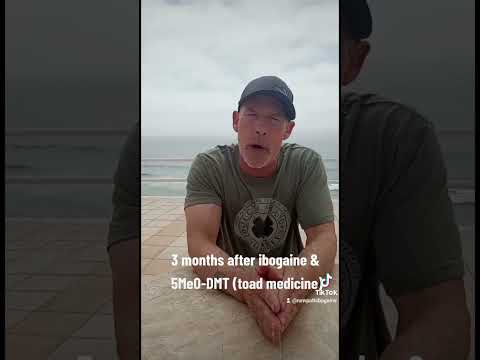
Some clinics in Mexico offer "combo" packages that include other medicines like 5-MeO-DMT (Toad medicine) or Kambo (frog secretion). While these can be powerful for spiritual growth or detoxification, they add variables to the medical picture. For someone focused strictly on nicotine cessation, Ibogaine alone is usually sufficient and is the safest route.
If you are interested in additional therapies, it is generally recommended to space them out rather than doing everything in one week. Your nervous system needs time to recalibrate. Overloading the system can lead to psychological instability. Always prioritize the primary goal—quitting smoking safely—over chasing multiple psychedelic experiences at once.
Are the results of Ibogaine treatment permanent?
It is vital to manage expectations. Ibogaine provides a massive biological advantage—a head start. It eliminates the withdrawal barrier that stops most people from quitting. However, it does not erase your memory of smoking or remove your free will. If you return to high-stress situations and choose to buy a pack of cigarettes, you can become addicted again.
Long-term studies on Ibogaine are limited, but follow-up data suggests that success rates are significantly higher for those who engage in active aftercare. Think of Ibogaine treatment as a surgery that removes a tumor; you still need to live a healthy lifestyle afterwards to prevent it from coming back. The permanence of the cure depends on the permanence of your commitment to change.
What legal documents do I need for travel to Mexico?
Since you are traveling for medical reasons, the process is similar to regular tourism. Ensure your passport has at least six months of validity remaining. Most citizens from the US, Canada, and Europe do not need a visa for stays under 180 days, but they will need to complete an FMM (Forma Migratoria Múltiple).
The clinic usually provides a letter of invitation or confirmation of your treatment, which can be helpful (though rarely requested) at immigration. It is also wise to purchase travel insurance, specifically one that covers medical tourism if possible, though standard policies may not cover the treatment itself, they can cover travel mishaps.
Ready to Explore Your Options for Recovery?
Finding the right clinic and understanding the medical protocols for Ibogaine treatment can be overwhelming. If you are looking for trusted medical tourism providers and want to explore safe, accredited options for your journey to health.
Explore Solutions on PlacidWay




.png)
.png)
.png)
.png)

.jpg)
.jpg)
.jpg)
.jpg)










Share this listing