


A Complete Guide on How Ibogaine Works in the Brain for PTSD?
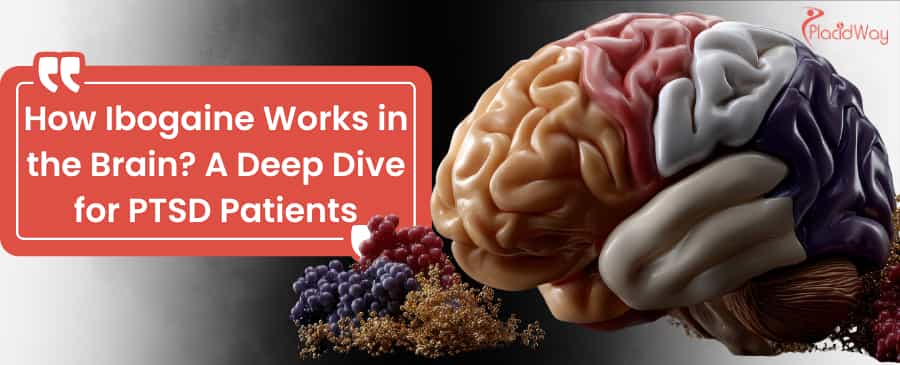
If you are reading this, likely you or someone you care about is searching for answers that traditional therapy hasn't provided. Post-Traumatic Stress Disorder (PTSD) can feel like a broken record playing in the mind, where the brain is stuck in a loop of fight-or-flight. While standard medications often treat the symptoms, many people are looking for something that addresses the root cause. This brings us to Ibogaine, a naturally occurring psychoactive substance found in the root bark of the African shrub Tabernanthe iboga.
Understanding how Ibogaine works in the brain is essential before making any decisions. It is not a magic pill, but rather a powerful catalyst for change. It operates differently than typical antidepressants or anti-anxiety medications. Instead of numbing emotions, it appears to "reset" the brain's neurochemistry. By interacting with serotonin and dopamine receptors and boosting neuroplasticity, Ibogaine may offer a unique window of opportunity for deep psychological healing.
In this guide, we will break down the science of Ibogaine treatment for PTSD in simple, human terms. We will explore what happens biologically, the psychological experience, safety considerations, and the financial aspects. Our goal is to provide you with the clear, expert information you need to understand this complex therapy.
What is the biological mechanism of Ibogaine?
The science behind Ibogaine is fascinating because it is "dirty" in pharmacological terms—meaning it hits many different targets in the brain at once rather than just one. Most notably, it interacts with the serotonin transporter (SERT) and the kappa-opioid receptors. By binding to these sites, it helps regulate mood and pain perception, which are often dysregulated in patients suffering from severe trauma.
Furthermore, Ibogaine is metabolized by the liver into a long-lasting metabolite called noribogaine. While Ibogaine stays in the system for a shorter period, noribogaine remains in the body for days or even weeks. This creates an "afterglow" effect, acting like a prolonged antidepressant that gives patients a sustained period of relief from anxiety and depression, allowing them to integrate their experience.
How does Ibogaine affect neuroplasticity?
One of the most promising aspects of Ibogaine therapy in Mexico is its ability to promote neuroplasticity. In a brain suffering from PTSD, neural pathways associated with fear and trauma are often rigid and overactive. Ibogaine triggers the release of GDNF, a vital protein that acts like fertilizer for brain cells. This supports the survival of existing neurons and encourages the growth of new connections.
Think of a PTSD brain as a forest with a deep, muddy rut that a truck (your thoughts) keeps falling into. Neuroplasticity is the process of filling in that rut and paving a new, smoother road. By boosting GDNF, Ibogaine helps the brain physically restructure itself, making it easier to adopt new, healthier thought patterns and behaviors long after the treatment session is over.
What is the "oneiric" or dream-like state?
Unlike recreational psychedelics that might cause hallucinations of things that aren't there, Ibogaine induces an oneiric state. This is often described as a "waking dream." Patients lie still with their eyes closed and watch a stream of images, memories, and scenarios play out on the back of their eyelids. This phase typically lasts for 4 to 8 hours and is the core of the psychological work.
For PTSD patients, this state is crucial. It acts as a massive defragging of the hard drive. You might revisit traumatic events, but importantly, you view them without the visceral fear or emotional pain usually attached to them. This detachment allows you to process and file away memories that were previously too painful to touch, effectively neutralizing their power over your daily life.
How does Ibogaine reset dopamine levels?
Trauma and stress can severely deplete or dysregulate the brain's dopamine production—the chemical responsible for motivation, pleasure, and reward. When dopamine pathways are damaged, life can feel gray, hopeless, and flat. Ibogaine treatment in Mexico appears to "scrub" these receptors and reset the baseline production of dopamine.
This reset is why many people report feeling a sense of novelty and freshness in the weeks following treatment. It is not just a psychological shift; it is a physiological repair of the reward system. This restoration allows patients to feel joy and motivation again, providing the energy needed to engage in therapy and life changes necessary for long-term recovery.
Can Ibogaine eliminate fear responses in PTSD?
The amygdala is the part of the brain responsible for fear processing. In people with PTSD, the amygdala is hyperactive, treating everyday stressors as life-threatening dangers. Ibogaine seems to temporarily downregulate this fear center. By calming the amygdala, the therapy creates a safe biological environment for the patient to confront their past.
This is often referred to as expanding the "window of tolerance." Normally, a trauma survivor might shut down or panic when triggered. Under the influence of Ibogaine, and in the days following, that window is thrown wide open. You can look at the "monster" of your trauma and realize it is just a memory, stripping it of its immediate emotional charge.
What is the difference between Ibogaine and Psilocybin for PTSD?
Both Psilocybin (magic mushrooms) and Ibogaine are being studied for PTSD, but they work differently. Psilocybin often creates a sense of unity, love, and connection to the universe, which can be healing for depression and isolation. It dissolves the ego. Ibogaine, on the other hand, is often described as a stern father figure or a "truth serum."
Ibogaine is generally less about "oneness" and more about a personal life review. It tends to show you exactly where things went wrong and what your role in it was, in a very factual, objective way. For complex PTSD, this analytical approach can be incredibly effective for untangling years of behavioral patterns and survival mechanisms that no longer serve you.
What are the medical risks of Ibogaine treatment?
We must be very clear: Ibogaine is not without risk. It affects the cardiovascular system, specifically the electrical signals of the heart. It can cause the heart rate to slow down significantly and extend the time it takes for the heart to recharge between beats (QT prolongation). For someone with a pre-existing heart condition, this can be dangerous or even fatal.
This is why medical safety is non-negotiable. Reputable centers will require a full panel of blood work and a resting ECG (electrocardiogram) before you are even approved for treatment. During the treatment, you should be hooked up to a cardiac monitor with a doctor or nurse present. Avoiding "underground" treatments where these medical safeguards are absent is critical for survival.
How much does Ibogaine treatment cost?
The cost of Ibogaine treatment varies significantly based on where you go and the level of care you receive. Since Ibogaine is not approved in the US or UK for medical use, most patients travel to Mexico, Costa Rica, or Portugal. The price usually includes the medical screening, the treatment itself, accommodation, and food.
Below is a breakdown of estimated costs by region and facility type:
| Region | Estimated Cost (USD) | Facility Type & Inclusions |
|---|---|---|
| Mexico (Baja/Cancun) | $5,000 - $10,000 | Full medical staff, cardiac monitoring, 5-7 day stay, integration therapy. |
| Costa Rica | $7,000 - $12,000 | Resort-style settings, holistic therapies (yoga, massage), medical supervision. |
| Portugal/Europe | $6,000 - $11,000 | Clinical settings, strict medical protocols, often includes aftercare coaching. |
| Underground/Informal | $1,500 - $3,000 | Not Recommended. Lacks proper medical equipment, staffing, and emergency protocols. |
It is vital to prioritize safety over cost. The higher-end clinics charge more because they employ emergency room doctors, cardiologists, and have defibrillators and oxygen on site. When dealing with your heart and brain, this is not the place to cut corners.
How long does the treatment process take?
You cannot simply take Ibogaine and go back to work on Monday. The process is physically and mentally exhausting. Most reputable programs require a minimum stay of one week. The first day is usually for acclimation and medical checks. The second day is the "flood dose" or treatment day. The effects of the medicine can be felt intensely for 12 hours, with a lingering "gray day" afterward where movement is difficult.
The days following the treatment are spent resting. Ibogaine accumulates in the body fat and is released slowly. This period is essential for integration—talking with therapists about what you saw and felt. Rushing back into a high-stress environment immediately after treatment can undermine the benefits, so planning for adequate downtime is essential.
Does Ibogaine help with depression and anxiety?
Depression and anxiety are often comorbidities of PTSD. Because Ibogaine acts on the serotonin system (similar to how SSRIs work, but more rapidly and intensely), many patients report a lifting of the "heavy cloud" of depression. The production of noribogaine continues to elevate mood for weeks after the initial session.
However, it is not a permanent cure-all. It provides a "clean slate." The anxiety and depression may return if the patient returns to the same toxic environment or lifestyle. The treatment gives you the biological capacity to feel better, but maintaining that state requires lifestyle changes, therapy, and ongoing self-care practices.
What is the role of the liver in Ibogaine treatment?
Your liver function is critical to the success of the treatment. The liver uses a specific enzyme, CYP2D6, to metabolize Ibogaine. Interestingly, a small percentage of the population lacks this enzyme or has a mutation that makes them "poor metabolizers." This is why blood tests before treatment are so important.
If your liver cannot convert Ibogaine into noribogaine effectively, you might have a more intense, dangerous physical experience with fewer long-term benefits. Clinics will check your liver enzymes (AST/ALT) to ensure your organ is healthy enough to handle the heavy workload of processing the substance.
Can Ibogaine cure PTSD permanently?
We must manage expectations: Ibogaine is a treatment, not a magic wand. Many patients experience a profound reduction in symptoms that can last for months or years. Some feel "cured" in the sense that they no longer meet the clinical criteria for PTSD. However, for others, symptoms may creep back in over time if integration work is ignored.
Success depends heavily on what you do after the treatment. Ibogaine unlocks the door, but you have to walk through it. Utilizing the weeks of increased neuroplasticity to build new habits—like meditation, exercise, and therapy—is the best way to make the results permanent. It gives you a running start, but you still have to run the race.
What preparation is needed before treatment?
You cannot walk off the street and take Ibogaine safely. There is a strict protocol for preparation. Patients must taper off psychiatric medications, specifically antidepressants (SSRIs/SNRIs) and ADHD stimulants, often weeks in advance. Mixing these drugs with Ibogaine can lead to Serotonin Syndrome or cardiac issues.
Mentally, preparation involves setting intentions. Patients are encouraged to think deeply about what they want to release and what they want to gain. Arriving at the clinic with a mindset of surrender and openness, rather than fear or control, often leads to more profound and manageable experiences during the psychoactive session.
Is Ibogaine legal?
The legality of Ibogaine is a complex patchwork globally. In the United States, it is strictly illegal and classified as having no medical value, despite mounting anecdotal evidence to the contrary. This prohibits treatments from taking place on US soil. In contrast, New Zealand, Brazil, and South Africa have regulated it as a prescription medication.
Most Westerners travel to Mexico or Portugal because these countries allow clinics to operate legally or within a decriminalized framework. It is crucial to ensure that the facility you choose is operating within the laws of that country to ensure your safety and legal protection during your stay.
Why is integration therapy crucial after Ibogaine?
The experience of Ibogaine can be overwhelming and confusing. You may see symbolic imagery or relive memories that don't make sense immediately. Integration therapy in Mexico is the process of working with a specialist to decode these messages. Without it, the experience can fade like a dream you forget after waking up.
Integration is the bridge between the "spirit world" of the treatment and the "real world" of your daily life. It helps you take the feeling of forgiveness or peace you felt during the session and turn it into actionable behavior, such as reconciling with a family member, changing careers, or simply being kinder to yourself.
Looking for Safe, Trusted Options?
Navigating the world of alternative therapies can be overwhelming. If you are considering Ibogaine or other treatments for PTSD, let us help you find accredited, medically supervised facilities.
PlacidWay connects you with top-rated medical tourism providers worldwide.
Explore Medical Solutions on PlacidWay






.png)









Share this listing