
Stem Cell Therapy Mexico City: Avoid Joint Surgery for Canadians
For Canadians facing long wait times, stem cell therapy for knees in Mexico City offers a cutting-edge alternative to joint replacement. Costs range from $3,500 to $8,000, avoiding invasive surgery and reducing recovery time significantly.
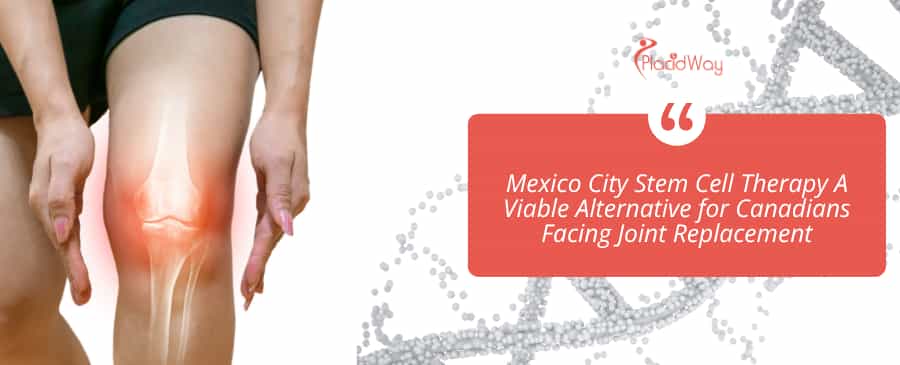
Key Takeaways: Knee Osteoarthritis Treatment in Mexico City
- Avoid Long Waitlists: Bypass the Canadian healthcare backlog which can delay knee replacement surgeries by years.
- Non-Surgical Solution: Cellular injections rebuild cartilage naturally, avoiding the trauma of bone amputation and prosthetic insertion.
- Cost Efficiency: Access world-class regenerative treatments at a fraction of the cost found in private North American clinics.
- Rapid Recovery: Patients typically walk out the same day, facing weeks of recovery rather than six to twelve months of grueling rehab.
Why are Canadians choosing stem cell therapy for knees in Mexico City over joint replacement?
Canadians are turning to regenerative medicine to bypass extreme surgical wait times at home. This non-invasive alternative tackles osteoarthritis pain directly while preserving the natural joint structure.
The public healthcare system in Canada, while beneficial, suffers from immense backlogs when it comes to elective orthopedics. Patients suffering from debilitating knee osteoarthritis often face wait times exceeding eighteen months just to consult a surgeon, followed by another year before reaching the operating table. During this waiting period, mobility decreases, and the quality of life drops significantly. Seeking stem cell therapy for knees in Mexico provides immediate medical intervention.
Joint replacement is a highly invasive procedure that involves sawing away natural bone and inserting metal and plastic components. While effective for end-stage arthritis, it requires months of painful rehabilitation and carries risks of infection, blood clots, and implant failure. Regenerative injections offer a biological approach, using cellular mechanisms to heal the damaged tissue naturally rather than replacing it with artificial materials.
By opting for care internationally, Canadian patients regain control over their health timelines. They can schedule their treatment within weeks rather than years. This proactive approach prevents further joint degradation and allows individuals to return to their active lifestyles, walking, golfing, and enjoying retirement without the looming anxiety of major surgery.
What is the expected stem cell therapy for knees cost in Mexico City for Canadians?
The average stem cell therapy for knees cost in Mexico ranges from $3,500 to $8,000 USD per joint. This price represents a massive saving compared to private North American clinics charging upwards of $15,000.
- Source Material Variations: The total price heavily depends on whether the protocol utilizes autologous cells extracted from the patient or highly concentrated allogeneic mesenchymal cells derived from ethical umbilical cord tissue.
- Treatment Complexity: Patients with severe bone-on-bone osteoarthritis may require millions of cells combined with platelet-rich plasma, which increases the baseline cost slightly compared to mild arthritis treatments.
- Inclusive Medical Fees: The quoted price in Latin America generally covers the specialist consultation, imaging review, local anesthesia, the cellular product, and immediate follow-up care in one transparent bundle.
- Currency Advantages: The exchange rate between the Canadian Dollar and the US Dollar or Mexican Peso makes these premium health packages highly economical for those traveling from north of the border.
- Avoiding Hidden Fees: Unlike the fragmented billing systems seen in other regions, premium facilities provide clear, upfront pricing so international visitors never face unexpected medical bills.
How do these cellular treatments reverse knee osteoarthritis damage?
Mesenchymal cells act as biological repairmen inside the knee. They combat chronic inflammation, secrete growth factors, and stimulate the body natural ability to rebuild damaged cartilage tissue over time.
When injected directly into the knee capsule under ultrasound guidance, these potent regenerative cells go to work immediately. Osteoarthritis is characterized by a hostile, inflamed environment that slowly eats away at the protective cartilage cushion. The first action of the therapy is to secrete anti-inflammatory cytokines that cool down this toxic environment, providing rapid pain relief to the patient.
Once the inflammation subsides, the cells begin the complex process of tissue regeneration. They release exosomes and vital growth factors that signal the patient own dormant cartilage cells to wake up and begin multiplying. This process essentially tricks the aging joint into entering an active healing phase, similar to how the body repairs a fresh cut.
Over the course of three to six months, this biological activity leads to the thickening of the cartilage layer and the improvement of the synovial fluid quality. Patients experience reduced stiffness, enhanced joint lubrication, and a significant improvement in weight-bearing activities, effectively pushing back the need for mechanical joint replacement by years.
Umbilical cord-derived cells are considered immune-privileged. This means they do not express the markers that cause tissue rejection, making it entirely safe for a Canadian patient to receive healthy, potent cells from a donor without needing immune-matching tests.
What should you look for when choosing a stem cell therapy for knees clinic in Mexico City?
Patients must ensure the facility holds strict government certifications from COFEPRIS. A reputable stem cell therapy for knees clinic in Mexico will feature board-certified orthopedists and transparent cell-counting lab reports.
The regulatory body governing health and clinical safety in the country is COFEPRIS, which operates similarly to Health Canada. Any facility offering regenerative treatments must hold specific licenses for handling cellular tissue. Without these verifiable credentials, a facility operates outside legal safety protocols and should be strictly avoided by medical tourists.
Quality facilities operate on total transparency regarding their biological products. They should willingly provide a Certificate of Analysis from an independent laboratory. This document verifies the exact number of live cells being injected, confirms high viability rates, and proves the batch is entirely free from bacterial or fungal contamination.
Finally, look for clinics where the procedure is performed by an orthopedic specialist using live imaging technology. Blind injections into the knee joint are ineffective because the cells must be delivered precisely to the damaged cartilage zones. Fluoroscopy or ultrasound guidance guarantees the biological material reaches the exact location needed for optimal tissue regeneration.
Is medical tourism in Mexico safe for Canadians seeking regenerative medicine?
Yes, medical tourism in Mexico is highly secure when utilizing accredited hospitals. Private healthcare sectors cater specifically to international standards, providing safe environments and exceptional clinical outcomes.
- Premium Infrastructure: Private hospitals in the capital rival the best institutions in Toronto or Vancouver, featuring state-of-the-art sterile environments and modern diagnostic equipment.
- Highly Trained Specialists: Many leading orthopedic surgeons in the capital completed fellowships in the United States or Europe, bringing global best practices back to their local practice.
- Secure Locations: Medical centers focused on international visitors are situated in affluent, highly secure corporate and residential zones, ensuring peace of mind during your visit.
- Dedicated Patient Coordinators: Facilities provide bilingual staff who guide you through every step of the hospital process, eliminating any stress related to navigating a foreign healthcare system.
- Rigorous Sterilization Protocols: Private clinics adhere to stringent international hygiene standards, ensuring infection rates remain incredibly low and patient safety is always the top priority.
What is the recovery timeline after receiving knee stem cell injections?
Recovery is remarkably swift. Patients walk out of the clinic the same day, experience mild soreness for a few days, and generally resume normal daily activities within three to four weeks as the cartilage rebuilds.
Unlike surgical joint replacement, which requires hospitalization and aggressive physical therapy to regain basic mobility, regenerative injections involve zero downtime. Immediately following the procedure, patients are advised to rest the joint and avoid strenuous activities. A mild aching sensation is normal as the cells trigger an initial, controlled healing response inside the knee capsule.
During the first two weeks, it is crucial to refrain from taking non-steroidal anti-inflammatory drugs like Ibuprofen. These medications can inhibit the cellular growth process that was just initiated. Patients are encouraged to engage in light walking and gentle stretching to promote blood flow without overloading the joint.
By the one-month mark, the biological rebuilding is well underway. Most Canadians find they can comfortably navigate stairs and walk longer distances without the sharp, grinding pain they previously experienced. Maximum cartilage regeneration and structural benefit typically peak between three and six months post-injection, leading to a profound improvement in life quality.
Are the cellular products used in Mexico City clinics ethically sourced?
Absolutely. Legitimate clinics utilize mesenchymal cells derived exclusively from the Wharton jelly of umbilical cords, collected from healthy, full-term pregnancies with total maternal consent.
- Zero Embryonic Material: Advanced regenerative medicine strictly uses adult stem cells found in connective tissue, completely separating the field from ethical controversies surrounding embryonic material.
- Rigorous Donor Screening: Mothers undergo exhaustive genetic and infectious disease screening prior to birth to ensure the donated cord tissue is exceptionally healthy and pristine.
- Ethical Consent Procedures: The umbilical cord, normally discarded as medical waste after a healthy birth, is solely harvested following signed, informed consent from the parents.
- Laboratory Purification: The donated tissue is sent to regulated laboratories where the potent mesenchymal cells are isolated, expanded, and purified in tightly controlled sterile environments.
- Regulatory Oversight: Health authorities mandate comprehensive documentation tracking the biological material from the delivery room to the laboratory, ensuring total transparency and ethical compliance.
How long do the pain relief and mobility benefits typically last?
Clinical outcomes demonstrate that patients enjoy significant pain relief and improved joint function for anywhere from three to five years, and sometimes permanently, depending on their lifestyle.
The longevity of regenerative therapy relies heavily on how well the patient cares for their joints after the healing phase. Because the treatment actually regenerates physical cartilage tissue, the results are not temporary like a cortisone shot, which merely masks the pain. The new tissue is real, biological scaffolding that acts as a robust shock absorber for the knee bones.
Patients who maintain a healthy body weight and engage in low-impact exercises like swimming or cycling tend to see the longest-lasting results. Excess weight puts exponential pressure on the knees, which can accelerate the wear and tear of both original and newly regenerated cartilage tissue.
Should osteoarthritis symptoms slowly return after several years due to natural aging, the procedure can be safely repeated. Unlike a mechanical joint implant, which only has a limited lifespan and becomes incredibly difficult to revise once it fails, cellular therapy is a repeatable, biological maintenance plan that keeps the patient out of the surgical theater.
Why choose PlacidWay for arranging your regenerative knee treatment in Mexico City?
PlacidWay removes the guesswork from international healthcare by connecting Canadians exclusively with heavily vetted, certified regenerative orthopedic specialists who maintain flawless safety records.
- Strict Clinic Vetting: We perform rigorous background checks on all partner facilities, guaranteeing they hold proper COFEPRIS certifications and operate sterile, international-standard medical environments.
- Price Transparency: Our network provides clear, upfront pricing models with absolutely no hidden medical fees, allowing you to budget accurately for your orthopedic care.
- Dedicated Patient Advocacy: You are assigned a personal medical coordinator who acts as your advocate, ensuring smooth communication between you and the foreign medical staff.
- Medical Record Review: We facilitate the secure transfer of your Canadian MRI scans and medical history directly to the overseas specialists for precise candidate evaluation before you commit.
- Direct Doctor Consultations: PlacidWay organizes virtual pre-consultations, empowering you to speak face-to-face with your prospective orthopedic surgeon to discuss protocols and set realistic expectations.
Frequently Asked Questions: Knee Therapy in Mexico City
Do Canadians need a special medical visa to receive stem cell treatments in Mexico City?
Canadians do not need a special medical visa to enter Mexico for regenerative treatments. A standard tourist entry allows Canadians to stay for up to 180 days, which is more than enough time to complete the joint injection protocols and initial recovery phase.
Can I fly back to Canada immediately after my knee stem cell injections?
Medical professionals typically advise waiting at least 48 to 72 hours before taking a flight back to Canada. This short waiting period ensures that the joint has time to stabilize, inflammation is monitored, and the changes in cabin pressure do not cause unnecessary discomfort.
What altitude considerations should I know about when visiting Mexico City for knee treatment?
Mexico City sits at a high altitude of over 7,300 feet, which can cause mild fatigue or shortness of breath for newcomers from sea-level Canadian provinces. Patients are advised to arrive a day or two early to acclimatize before undergoing any medical procedures.
Are English-speaking medical staff available at regenerative medicine centers in Mexico City?
Yes, facilities catering to international patients ensure that their head doctors and primary nursing staff are fully bilingual in English and Spanish. This guarantees that Canadian patients can comfortably discuss their osteoarthritis symptoms and understand their treatment plans.
Can I combine physiotherapy in Mexico City with my stem cell knee injections?
Absolutely, many patients choose to extend their stay by a week to begin gentle, specialized physiotherapy. Starting rehabilitation in a warmer climate with dedicated specialists can help maximize the distribution of the cellular injections within the knee joint.
Do Mexican clinics use autologous or allogeneic stem cells for knee osteoarthritis?
Top facilities utilize both methods depending on patient age and condition severity. While some use the patient own bone marrow or fat tissue (autologous), highly purified umbilical cord-derived cells (allogeneic) are incredibly popular due to their robust regenerative capacity.
How many days should a Canadian plan to stay in Mexico City for a complete stem cell protocol?
A standard itinerary requires a five to seven day stay in the city. This timeframe comfortably accommodates the initial consultation, blood panels, the actual joint injection procedure, and the mandatory post-treatment follow-up before returning home.
Is it safe to navigate Mexico City as a Canadian medical tourist with knee mobility issues?
Yes, premium medical facilities are located in highly secure, upscale neighborhoods like Polanco or Santa Fe, which are very accessible. Medical concierge services also provide private, wheelchair-friendly transportation from the airport directly to your accommodation and the clinic.
Will my Canadian provincial health insurance cover any part of regenerative therapy in Mexico?
Provincial healthcare systems like OHIP or MSP do not cover the cost of regenerative treatments performed internationally. Patients must pay out-of-pocket, though the highly affordable pricing in Latin America makes it accessible without draining retirement savings.
What pre-treatment imaging is required before traveling to Mexico for knee stem cells?
Doctors require an MRI of the affected knee taken within the last six months to evaluate the exact level of cartilage degradation. Sending these digital scans ahead of time allows the medical team to confirm if you are a suitable candidate before you board a plane.
Reclaim Your Mobility Without Invasive Surgery Today
* Secure, confidential medical assessment. Responses typically within 24 hours.
.png)






.png)
.png)


.jpg)












Share this listing