
Guide to Autism Stem Cell Therapy Options in Guadalajara for Canadian Families
Stem cell therapy for autism in Guadalajara generally costs between $8,000 and $15,000 USD (approx. $10,800 to $20,300 CAD) per treatment cycle. These specialized programs utilize advanced mesenchymal stem cells to target neuroinflammation over a 3 to 5-day stay, offering Canadian families a viable alternative to long local waitlists.
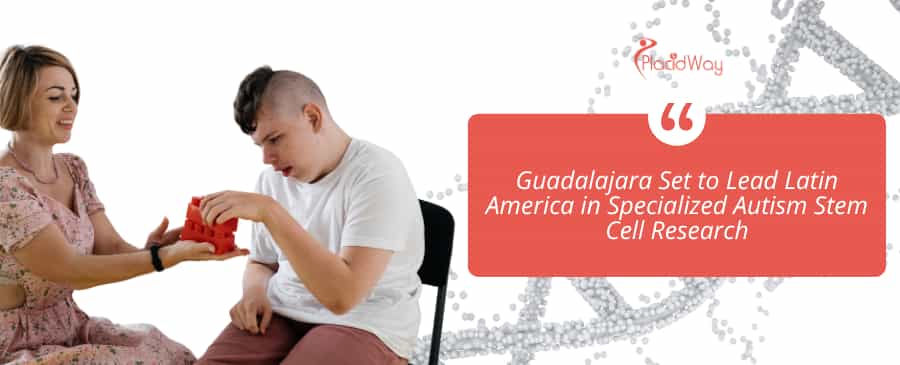
Key Takeaways: Autism Research & Treatment for Canadians
- Accessible Care: Guadalajara offers cutting-edge cellular protocols without the multi-year waitlists often experienced in the Canadian healthcare system.
- Cell Quality: Facilities strictly utilize ethically sourced, COFEPRIS approved mesenchymal biologics that meet international safety standards.
- Cost Efficiency: Transparent pricing in USD offers excellent value, even with the CAD exchange rate, compared to traveling to private clinics in the USA.
- Convenient Travel: Direct flights from major Canadian cities like Toronto (YYZ) and Vancouver (YVR) make the journey stress-free for neurodivergent children.
How does stem cell therapy for autism in Guadalajara work to improve symptoms?
This therapy works by reducing brain inflammation and promoting tissue repair. The infused cells target damaged neural pathways to enhance cognitive function.
Guadalajara has emerged as a premier hub for regenerative medicine in Latin America. Researchers here focus on the unique ability of biologics to modulate the immune system. By addressing the root neuroinflammatory factors often associated with spectrum disorders, specialists aim to create a healthier environment for brain development.
When families seek stem cell therapy for autism in Mexico, they access cutting edge protocols that are rigorously monitored. The cells release neurotrophic factors which stimulate the growth of new blood vessels and neurons. This process is essential for improving synaptic connectivity in pediatric patients.
Clinical observations indicate that these biological mechanisms can lead to noticeable improvements in behavior and communication. While it is not a cure, the regenerative properties offer significant therapeutic support. Medical professionals carefully tailor the cell dosage to maximize these regenerative benefits for each individual child.
What is the estimated stem cell therapy for autism cost in Mexico for Canadians?
The financial investment for these advanced regenerative protocols typically ranges from $8,000 to $15,000 USD, which translates to roughly $10,800 to $20,300 CAD depending on current exchange rates and required cellular dosage.
Understanding the stem cell therapy for autism cost in Mexico requires looking at what is included in standard treatment packages. The baseline fee usually covers the laboratory cultivation of the biologics, the medical administration process, and essential preliminary blood work. Facilities in Guadalajara pride themselves on offering transparent pricing structures without hidden laboratory fees, which is a major relief for Canadian families funding this entirely out-of-pocket.
Since provincial health plans like OHIP or MSP do not cover international regenerative treatments, finding affordable, high-quality care is crucial. Compared to experimental treatments in the United States, Latin American medical centers provide substantial financial relief. Canadian families often save up to fifty percent while still receiving care in highly regulated and technologically advanced environments.
It is highly recommended to request a comprehensive financial breakdown before committing to a treatment plan. Evaluating these inclusive packages helps parents make an informed and budget conscious healthcare decision, especially when factoring in flight costs from Canada and currency conversion.
| Treatment Protocol Level | Estimated Cost Range (USD) | Estimated Cost Range (CAD)* |
|---|---|---|
| Standard Intravenous Protocol | $8,000 - $10,000 | ~$10,800 - $13,500 CAD |
| Advanced Multi-Dose Protocol | $11,000 - $15,000 | ~$14,900 - $20,300 CAD |
* CAD estimates are subject to daily currency exchange rate fluctuations.
How do I choose the right stem cell therapy for autism clinic in Mexico?
Selecting the optimal facility requires verifying national health registry credentials and evaluating their specific regenerative medicine protocols. Prioritize centers that have dedicated pediatric neurology departments.
- Verify that the institution holds active certifications from the national health regulatory agency known as COFEPRIS.
- Ensure the medical center operates an onsite or closely affiliated laboratory with strict quality control for cellular cultivation.
- Look for a stem cell therapy for autism clinic in Mexico that provides comprehensive pre treatment neurological evaluations.
- Request detailed statistics regarding their experience specifically treating pediatric spectrum disorders rather than general ailments.
- Confirm that the medical staff includes board certified pediatricians and specialized regenerative medicine researchers.
- Check for transparent communication policies including detailed post treatment follow up plans for international patients.
Is medical tourism in Mexico safe and accessible for Canadian families?
Yes, traveling for healthcare south of the border is highly secure. With direct flights from Toronto, Montreal, and Vancouver, Guadalajara offers dedicated infrastructure to accommodate Canadian pediatric patients comfortably and safely.
Participating in medical tourism in Mexico has become a streamlined process for Canadian families. Major airlines like Air Canada and WestJet offer regular flights to Guadalajara (GDL), making the logistics much easier for parents traveling with neurodivergent children. The medical facilities are located in modern metropolitan districts that prioritize civilian and tourist safety.
Hospitals in this region understand the unique sensory and behavioral needs of children on the spectrum. Many modern clinics feature sensory friendly waiting areas and private recovery suites to minimize anxiety during the medical process. Canadian patients will find that the clinical staff is trained to interact gently and patiently, bridging any cultural or language gaps effortlessly.
Furthermore, the healthcare standards in top tier Latin American hospitals rival those found in the Canadian healthcare system, without the prolonged wait times. Stringent sterilization protocols and advanced emergency care units are standard across accredited facilities. This dedication to clinical excellence ensures a safe and comfortable therapeutic environment for vulnerable pediatric patients escaping the harsh Canadian winters.
What specific autism symptoms respond best to stem cell treatments?
Clinical data suggests that patients frequently experience improvements in verbal communication and social interaction. Reductions in repetitive behaviors and hyperactivity are also commonly reported by evaluating physicians.
- Significant enhancement in expressive language skills and a broader vocabulary usage.
- Improved sustained eye contact and a deeper interest in social engagement with peers.
- Noticeable reduction in aggressive outbursts and self injurious behavioral patterns.
- Better regulation of sleep cycles leading to more restorative rest for the patient.
- Increased attention span and improved focus during educational or therapeutic activities.
- Decreased gastrointestinal inflammation which frequently correlates with behavioral improvements.
What types of stem cells are utilized for autism treatments in Guadalajara?
Medical professionals primarily utilize allogeneic mesenchymal stem cells derived from ethically donated umbilical cord tissue. These specific biologics are chosen for their potent immunomodulatory and regenerative properties.
Mesenchymal biologics are the gold standard in modern regenerative therapies for neurological conditions. Because they are harvested from umbilical cord tissue, they are considered young and highly robust. These cells possess an exceptional ability to differentiate and promote healing without triggering adverse immune responses in the recipient.
The laboratory processing in Guadalajara adheres to stringent international biosafety guidelines. Donors undergo rigorous infectious disease screening and genetic testing before the tissue is accepted for cultivation. This meticulous screening process guarantees the highest purity and cellular viability for the pediatric patient.
Unlike embryonic materials, cord tissue derived cells do not carry ethical controversies and are entirely legal under federal medical regulations. Their unique biological makeup allows them to cross the blood brain barrier effectively. This targeted delivery is crucial for addressing the localized neuroinflammation associated with spectrum disorders.
Umbilical cord derived mesenchymal stem cells are completely immunoprivileged. This means they do not require blood type matching between the donor and the patient, completely eliminating the risk of biological rejection.
How long does it take to see results after autism stem cell therapy?
Observable cognitive and behavioral improvements typically begin to manifest between three to eight weeks post procedure. However, the regenerative process continues actively for several months.
The timeline for experiencing tangible benefits varies significantly depending on the individual biological response of the child. During the first few weeks, the infused cells actively migrate to areas of inflammation to begin the cellular repair process. Parents usually report subtle shifts in mood regulation and sleep patterns during this initial phase.
As the neurotrophic factors take full effect around the second month, more pronounced developmental leaps often occur. Therapists and educators frequently notice enhanced responsiveness during behavioral therapy sessions. It is important to maintain realistic expectations and understand that healing neurological pathways is a gradual biological process.
Peak improvements are generally recorded between the fourth and sixth months following the clinical intervention. Medical professionals strongly advise continuing traditional occupational and speech therapies during this window. The regenerative treatment acts as a catalyst that amplifies the effectiveness of these conventional educational interventions.
Are there any side effects associated with stem cell injections for autism?
The procedure is overwhelmingly safe with a very low incidence of adverse reactions. The most common side effects are temporary and mild, such as low grade fever or fatigue.
- Mild fatigue or lethargy is common for the first forty eight hours as the body processes the cellular infusion.
- A temporary low grade fever may occur which is a normal immune response to biological therapies.
- Slight bruising or tenderness at the specific site of the intravenous administration.
- Occasional minor headaches which resolve quickly with standard pediatric over the counter relief.
- Hyperactivity might briefly increase in the first few days before neurological stabilization begins.
Why Choose PlacidWay for organizing autism stem cell therapy in Guadalajara?
PlacidWay provides a secure and transparent pathway to world class regenerative medicine for Canadian patients. Our platform connects families directly with fully vetted and internationally accredited medical institutions.
- Strict Credential Verification: Ensuring all partner regenerative medicine centers hold mandatory federal health licenses and clinical quality certifications that match Canadian standards.
- Transparent CAD/USD Pricing: Working closely with top facilities to present clear financial outlines and prevent unexpected laboratory or clinical administration fees.
- Comprehensive Medical Profiling: Facilitating direct preliminary reviews of your childs medical history by specialized pediatric neurology boards prior to any financial commitment.
- Dedicated Canadian Patient Advocacy: Providing robust communication support to seamlessly bridge any medical or language barriers, including assistance with travel logistics from Canada.
- Ethical Standards Focus: Prioritizing medical facilities that exclusively use ethically sourced, thoroughly tested, and federally regulated biological materials for pediatric care.
Frequently Asked Questions About Autism Stem Cell Therapy in Guadalajara
What age is ideal for a child to receive autism stem cell treatment in Guadalajara?
Medical researchers generally recommend starting treatments between the ages of three and twelve. During this developmental window, the brain exhibits high neuroplasticity, making it more receptive to cellular repair and synaptic regeneration.
Do Mexican medical facilities require an official autism diagnosis before treatment?
Yes, accredited hospitals mandate comprehensive medical records including an official diagnosis from a licensed pediatric neurologist or psychiatrist to ensure the therapy is medically appropriate.
Can parents stay with their child during the stem cell infusion process?
Absolutely. Top tier facilities prioritize patient comfort and always permit at least one parent to remain in the treatment suite during the intravenous administration to keep the child calm.
Are booster sessions required after the initial autism stem cell procedure?
While many patients see sustained improvements after a single protocol, some physicians may recommend a secondary booster session six to twelve months later depending on the individual neurological response.
How is the stem cell material administered to pediatric patients?
The biologics are most commonly delivered through a standard intravenous drip. In certain specialized neurological cases, doctors might recommend an intrathecal injection under mild sedation for direct central nervous system access.
Do Guadalajara medical centers provide post treatment neurological assessments?
Reputable institutions offer comprehensive telehealth follow ups at thirty, sixty, and ninety day intervals to track developmental progress and adjust ongoing therapeutic recommendations.
What dietary restrictions apply before undergoing stem cell therapy?
Doctors typically advise maintaining a clean, anti inflammatory diet free of processed sugars for at least two weeks prior to the procedure to optimize the body for cellular absorption.
Are there bilingual medical professionals available in Guadalajara hospitals?
Yes, facilities catering to international patients employ fully bilingual patient coordinators, nurses, and lead physicians to ensure clear and accurate medical communication.
Do Canadian citizens need a special medical visa for treatment in Mexico?
No, Canadian passport holders do not require a special medical visa for stays under 180 days. You can enter Mexico on a standard tourist permit, making the travel process simple for the typical four to six day medical stay.
Does OHIP or other Canadian provincial health insurance cover autism treatments abroad?
Unfortunately, provincial health insurance plans like OHIP, MSP, or AHCIP do not cover international regenerative therapies, as they are often classified as experimental by Health Canada. Canadian patients must finance this medical intervention out of pocket.
Discover Regenerative Solutions for Your Child
* Responses typically within 24 hours. Your privacy is fully guaranteed.



.png)


.png)




.jpg)








Share this listing