


Stem Cell Therapy in Mexico
The Golden Cell stroke protocol in Puerto Vallarta uses high-yield mesenchymal stem cells to repair damaged brain tissue. This advanced therapy reduces inflammation, promotes neurogenesis, and improves motor function for stroke survivors.
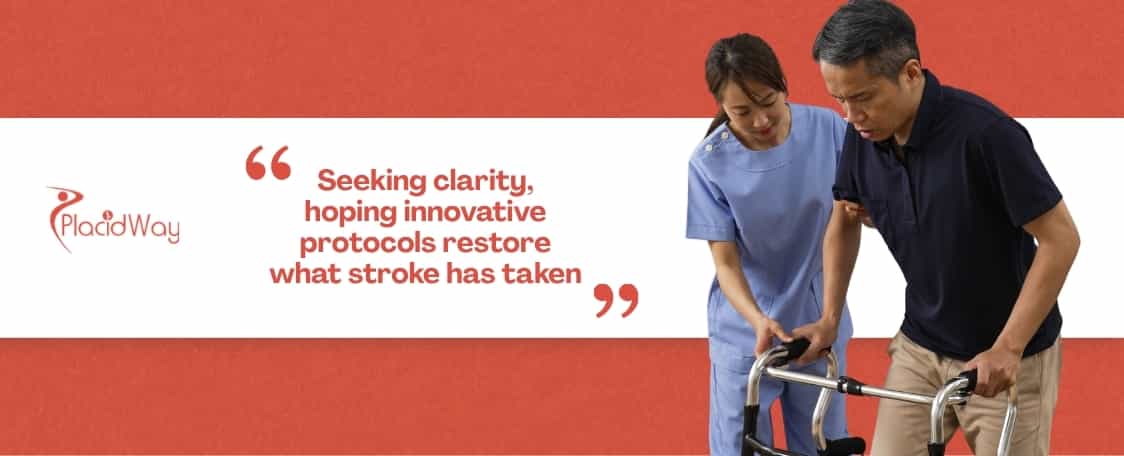
Key Takeaways: Advanced Stroke Recovery
- Cellular Repair: Protocols utilize highly expanded mesenchymal cells to actively repair damaged brain tissue rather than just masking symptoms.
- Dual Administration: Treatments often combine intravenous and intrathecal delivery to effectively bypass the blood-brain barrier.
- Cost Efficiency: Patients save significantly compared to experimental procedures in other global regions without compromising safety.
- Holistic Recovery: Programs seamlessly integrate advanced cellular therapy with dedicated physical and cognitive rehabilitation.
- Stringent Safety: Accredited facilities operate under strict government regulations to ensure ethically sourced and tested biological materials.
How does stem cell therapy for stroke in Mexico actually work?
Stem cells are administered intravenously or intrathecally to target damaged brain areas. They release growth factors that stimulate tissue repair and reduce neuroinflammation to restore function.
Undergoing stem cell therapy for stroke in Mexico leverages the remarkable homing ability of mesenchymal stem cells. When a stroke occurs, the brain sustains profound damage due to oxygen deprivation, leading to cellular death and intense local inflammation. Traditional medicine offers limited solutions for this dead tissue. However, when highly viable stem cells are introduced into the patients body, they actively seek out these localized areas of inflammation and distress in the brain tissue.
Once the cells arrive at the site of the neurological injury, they perform a paracrine effect. This means they act like cellular factories, secreting vital growth factors, cytokines, and exosomes. These potent biochemical signals trigger a process called neurogenesis, which is the creation of new neurons, and angiogenesis, which is the formation of new blood vessels. This re-vascularization is critically important because it restores nutrient-rich blood flow to the oxygen-starved regions of the brain, awakening dormant cells that survived the initial stroke but remained non-functional.
Furthermore, these specialized cells possess profound immunomodulatory properties. Post-stroke brain environments are highly toxic due to chronic inflammation that hinders natural recovery. The introduced stem cells modulate the local immune response, effectively turning off the destructive inflammatory cascade. By clearing this neurotoxic environment, the brain regains its natural plasticity, allowing the patient to relearn lost motor skills, improve speech patterns, and regain cognitive clarity at an accelerated pace.
What makes the Golden Cell protocol different from standard rehabilitation?
Standard rehabilitation focuses on training surviving brain regions, whereas the Golden Cell protocol actively repairs cellular damage. This regenerative approach targets the root cause of neurological deficits.
Standard physical and occupational therapy is essential but fundamentally limited in its scope. Traditional rehabilitation operates on the concept of compensation. It trains the healthy parts of the brain to take over the functions previously managed by the damaged tissue. However, patients frequently hit a frustrating recovery plateau where no further functional gains are achievable through sheer physical repetition. The biological hardware of the brain remains permanently damaged under standard care models.
The specialized cellular protocol breaks through this plateau by fundamentally altering the brains biological environment. Instead of merely compensating for loss, the therapy aims for genuine regeneration. When seeking an advanced stem cell treatment center for stroke recovery, facilities like CellsTime Clinique Puerto Vallarta offer these targeted cellular therapies to introduce highly robust biological agents directly into the central nervous system. These specific cells are cultured to express massive amounts of neurotrophic factors that standard medical interventions simply cannot replicate.
To better understand the contrast between these methodologies, it is helpful to look at how they address patient outcomes directly.
| Feature | Standard Rehabilitation | Advanced Cell Protocol |
|---|---|---|
| Primary Mechanism | Neurological compensation | Biological cellular repair |
| Tissue Repair | None | Promotes neurogenesis |
| Recovery Plateau | Common within six months | Can break past limitations |
Who is the ideal candidate for stroke recovery stem cell treatment?
Ideal candidates are survivors of ischemic or hemorrhagic strokes who have reached a recovery plateau. They should be medically stable and free from active cancers or severe infections.
Patient selection is a rigorous process to ensure maximum efficacy and safety. The most suitable candidates are individuals who have suffered an ischemic stroke, which is caused by a blocked artery, or a hemorrhagic stroke, caused by a ruptured blood vessel. While acute patients can benefit immensely, the therapy has shown remarkable success in chronic stroke patients who are months or even years post-injury. These are individuals who have dutifully completed traditional rehabilitation but continue to suffer from hemiparesis, spasticity, or expressive aphasia.
Medical stability is a non-negotiable prerequisite for entering a cellular therapy program. Patients must have their underlying cardiovascular conditions carefully managed. Blood pressure must be under control, and any cardiac arrhythmias must be monitored. The treating medical team will perform extensive blood work and review recent MRI scans to ensure the patient possesses the physical resilience to undergo specialized biological treatments without risking secondary complications.
There are also clear contraindications that disqualify certain individuals from receiving treatment. Patients with active malignancies or a recent history of cancer are generally excluded because the growth factors released by stem cells could theoretically accelerate tumor growth. Additionally, individuals battling active systemic infections or severe autoimmune exacerbations must resolve these acute issues before their immune systems can safely and effectively interact with the introduced mesenchymal cells.
What is the average stem cell therapy for stroke cost in Mexico?
The stem cell therapy for stroke cost in Mexico typically ranges from $15,000 to $25,000 depending on the cell count and protocol duration. This represents a significant saving compared to global experimental treatments.
Understanding the financial commitment is crucial for patients and their families. The stem cell therapy for stroke cost in Mexico is determined primarily by the dosage of cells required to address the severity of the neurological deficit. Advanced neurological protocols require massive quantities of highly viable cells, often exceeding one hundred million cells per session. Culturing, expanding, and thoroughly testing these cells in certified cleanroom laboratories constitutes the bulk of the medical expense.
A comprehensive treatment package generally encompasses far more than just the cellular injection. The quoted price typically includes initial specialist consultations, extensive pre-operative diagnostic testing, anesthesiologist fees for intrathecal administration, and post-operative monitoring. Many top-tier programs also integrate specialized physical therapy sessions during the patients stay to immediately stimulate neuroplasticity while the freshly administered cells are most active.
When comparing these costs internationally, the financial advantage becomes starkly apparent. Similar regenerative protocols offered in offshore jurisdictions or experimental programs in Europe can easily exceed forty to fifty thousand dollars. Mexico provides an unparalleled cost-to-quality ratio because of lower overall administrative overhead and medical labor costs, allowing patients to access uncompromising laboratory standards and world-class medical expertise at a fraction of the global average price.
How long does it take to see results after receiving stem cells?
Most patients observe initial improvements within three to six weeks post-treatment. However, the maximum regenerative benefits usually manifest between three and six months as neural pathways slowly rebuild.
The timeline for recovery following cellular administration requires patience, as biological regeneration is a gradual process. In the first few weeks after treatment, the primary effect occurring in the brain is intense immunomodulation. During this acute phase, patients often report feeling increased systemic energy, improved sleep patterns, and a subtle reduction in muscle spasticity. This is primarily due to the stem cells rapidly cooling down the chronic inflammation that has been suffocating the central nervous system.
The true regenerative heavy lifting occurs between months one and three. This is when the paracrine effect reaches its peak, and the newly secreted growth factors actively promote angiogenesis. As fresh micro-vessels form and deliver oxygen to dormant brain regions, patients frequently experience breakthrough moments in their recovery. Motor skills may become more refined, swallowing mechanics often improve, and cognitive fog begins to lift. Family members typically notice these qualitative improvements before clinical tests quantify them.
By the six-month mark, the long-term benefits of neuroplasticity become solidified. The integration of new neural pathways allows the patient to perform tasks that were previously impossible. It is highly critical to understand that the cells do not act as an overnight magic switch. They provide the biological foundation for repair, but the ultimate timeline heavily relies on the patients dedication to continuous physical and occupational therapy to train these newly developed neural networks.
Stem cells operate using a mechanism called the Homing Effect. They naturally detect biochemical distress signals released by damaged tissues. When injected into a stroke patient, they instinctively navigate directly to the specific area of the brain lesion, acting like microscopic paramedics.
How do I choose the best stem cell therapy for stroke clinic in Mexico?
Selecting the best stem cell therapy for stroke clinic in Mexico requires checking COFEPRIS certifications and facility lab standards. You must ensure they use ethically sourced and rigorously tested mesenchymal cells.
Identifying a premier stem cell therapy for stroke clinic in Mexico begins with uncompromising verification of regulatory compliance. The facility must be fully licensed by COFEPRIS, the Mexican equivalent of the FDA. This regulatory body strictly monitors medical facilities handling biological materials. A clinic lacking visible, verifiable COFEPRIS certification is operating outside legal safety parameters and should be immediately disqualified from consideration.
The quality of the laboratory producing the biological material is just as vital as the physician administering it. Elite clinics either possess an in-house ISO-certified cleanroom laboratory or partner with renowned national tissue banks. Prospective patients must demand a Certificate of Analysis for the cells they will receive. This document proves the cells have been rigorously screened for communicable diseases, endotoxins, and ensures a high cellular viability rate, which is critical for neurological repair.
Finally, a trustworthy clinic operates with complete transparency regarding expected outcomes. Neurological damage is incredibly complex, and no ethical medical professional can guarantee a full cure. The right clinic will conduct a thorough review of your specific MRI scans and medical history before ever accepting payment. They will provide a realistic, scientifically grounded assessment of what functional improvements are possible based on your unique physiological condition.
Are there any risks associated with neuro-regenerative stem cell treatments?
The procedure is generally safe when utilizing adult mesenchymal stem cells, as they do not trigger immune rejection. Mild side effects may include temporary fatigue or low-grade fever following administration.
Patient safety is a paramount concern when dealing with advanced neurological interventions. The protocol strictly utilizes human umbilical cord-derived mesenchymal stem cells precisely because of their outstanding safety profile. Unlike embryonic cells, which carry ethical concerns and a risk of tumor formation, adult mesenchymal cells have zero capacity to form teratomas. They are biologically programmed for targeted tissue repair rather than uncontrolled growth, making them incredibly safe for central nervous system applications.
Furthermore, these specific cells are highly immune-privileged. Because they lack certain cell surface markers that normally trigger immune responses, the patients body does not recognize them as foreign invaders. This completely eliminates the need for harsh immunosuppressive drugs, which are typically required in traditional organ transplants. Patients can receive massive doses of these donor cells without fearing graft-versus-host disease or systemic rejection.
The physical side effects of the administration procedure itself are typically very mild and self-resolving. Intravenous delivery carries the standard risks of any IV line, such as slight bruising at the injection site. Intrathecal delivery via lumbar puncture may occasionally result in a temporary post-dural puncture headache, which anesthesiologists manage with simple hydration and rest. Within twenty-four to forty-eight hours, most patients report feeling entirely normal, aside from transient lethargy as their body begins the biological repair process.
What role does physical therapy play alongside stem cell administration?
Physical rehabilitation is absolutely crucial because stem cells create new neural pathways that must be actively trained. Intensive therapy maximizes the functional integration of these newly generated cells.
Receiving biological therapy without engaging in physical rehabilitation is akin to planting premium seeds in a garden and never watering them. The mesenchymal cells provide the essential biological hardware for recovery by halting inflammation and sparking neurogenesis. However, these newly born neurons require precise instructions on how to function. They are blank slates that must be wired into the brains existing architecture to be useful for motor control or speech.
Physical and occupational therapy provides this necessary wiring process through the mechanism of neuroplasticity. When a patient engages in repetitive, targeted movements following their cellular procedure, they force the brain to actively utilize the new neural connections being formed by the stem cells. This intense stimulation reinforces the synaptic pathways, ensuring the new cells permanently adopt the functions of the tissue that was destroyed during the stroke.
Medical experts strongly advise patients to maximize their rehabilitation efforts in the critical three-to-six-month window following treatment. The brain is in a hyper-plastic, sponge-like state during this period. Patients who combine their advanced cellular protocols with aggressive, daily functional therapy consistently demonstrate far superior clinical outcomes in mobility, balance, and fine motor skills compared to those who rely on the biological injection alone.
How does medical tourism in Mexico benefit stroke patients specifically?
Engaging in medical tourism in Mexico gives patients access to innovative regenerative therapies not yet widely available in their home countries. It combines medical expertise with highly affordable care options.
The primary driver for neurological medical tourism in Mexico is rapid access to cutting-edge medicine. In regions like the United States and Canada, bureaucratic regulatory hurdles have kept highly effective mesenchymal cell therapies locked in perpetual clinical trials. For stroke survivors suffering from daily physical limitations, waiting a decade for domestic approval is simply not an option. Mexico offers immediate, legal access to these scientifically validated protocols today.
Beyond regulatory accessibility, the environment itself plays a therapeutic role. Coastal medical hubs like Puerto Vallarta are purposefully designed to reduce the intense psychological stress associated with severe illness. Patients undergo complex neurological treatments in serene, resort-like atmospheres rather than sterile, anxiety-inducing hospital wards. This massive reduction in cortisol levels has a direct, positive impact on systemic inflammation and overall cellular uptake.
Additionally, the comprehensive nature of the care models is vastly superior. International patients are treated with highly personalized, concierge-level attention. Instead of rushed fifteen-minute appointments standard in domestic healthcare, multidisciplinary medical teams spend hours analyzing the patients condition, administering therapies, and monitoring progress. This holistic, patient-first approach ensures optimal safety and maximizes the potential for meaningful neurological recovery.
Why Choose PlacidWay for your stroke recovery journey?
PlacidWay simplifies your search by connecting you directly with globally accredited and rigorously vetted regenerative medicine facilities. We ensure your medical journey is safe, transparent, and focused on clinical outcomes.
Navigating the complex landscape of international regenerative medicine requires extreme caution and extensive insider knowledge. PlacidWay acts as your dedicated medical advocate, removing the guesswork and risk associated with finding top-tier care abroad. Here is exactly why thousands of patients trust PlacidWay for their complex neurological treatments:
- Strict Medical Vetting Process: PlacidWay exclusively partners with clinics that possess verifiable government licenses, such as COFEPRIS approval, ensuring strict adherence to international laboratory and clinical safety standards.
- Direct Access to Top Specialists: We connect you directly with highly credentialed neurologists, hematologists, and regenerative medicine pioneers who specialize specifically in treating severe cerebral injuries.
- Transparent Medical Quotations: Our platform guarantees absolutely clear, all-inclusive medical pricing. We protect you from hidden clinic fees, ensuring you know exactly what your cellular protocol, diagnostics, and specialist fees will cost upfront.
- Comprehensive Record Review: Before you ever make a commitment, our system facilitates the secure transfer of your MRI scans and medical history directly to the surgeons desk for a thorough, pre-qualifying clinical evaluation.
- Dedicated Patient Advocacy: You receive ongoing, dedicated support from a care coordinator who acts as a liaison between you and the medical facility, ensuring all clinical questions and medical concerns are answered swiftly and accurately.
Frequently Asked Questions
Is stem cell therapy FDA approved for stroke recovery?
Currently, stem cell therapy for stroke recovery is not FDA approved in the United States and remains in clinical trial phases. This regulatory restriction is a primary reason many patients travel to Mexico, where regulatory bodies like COFEPRIS have approved specific regenerative medicine protocols for neurological rehabilitation.
What types of stem cells are used for stroke treatments in Puerto Vallarta?
Clinics primarily utilize human umbilical cord tissue-derived Mesenchymal Stem Cells. These cells are preferred because they possess robust immunomodulatory properties, have a high proliferation rate, and do not carry the risk of immune system rejection, making them incredibly safe for neurological repair.
Can stem cells help patients who had a stroke several years ago?
Yes, patients with chronic stroke conditions can still benefit from regenerative therapies. While early intervention is ideal, mesenchymal cells can help reactivate dormant neural pathways and reduce chronic neuroinflammation even years after the initial neurological event occurred.
Is the stem cell injection painful for stroke patients?
The procedure is minimally invasive and generally painless. Intravenous administration feels like a standard IV drip, while intrathecal administration is performed under local anesthesia by an anesthesiologist, ensuring the patient remains completely comfortable throughout the process.
How many stem cell sessions are required for optimal stroke recovery?
Most international protocols consolidate the treatment into a single intensive session spanning three to five days. However, depending on the severity of the neurological deficit, some medical teams may recommend a follow-up booster session six to twelve months later to maximize regenerative gains.
Do I need to stop my current stroke medications before stem cell therapy?
Patients are usually advised to continue their standard stroke medications, including blood thinners and antihypertensives. However, specific medical instructions are provided during the pre-operation consultation, as certain anti-inflammatory drugs might need to be temporarily paused.
What is the success rate of stem cell treatment for stroke in Mexico?
Clinical observations report that over seventy percent of patients experience measurable improvements in motor function, speech clarity, or cognitive processing. Success rates depend heavily on the patients initial condition, the dosage of cells administered, and their commitment to post-treatment physical rehabilitation.
Why is Puerto Vallarta a popular destination for medical treatments?
Puerto Vallarta combines world-class medical infrastructure with a deeply relaxing coastal environment. The city offers direct international flights, top-tier private hospitals, strict regulatory oversight, and a tranquil atmosphere that significantly reduces patient stress during complex neurological recovery.
Can stem cells cure post-stroke aphasia and speech difficulties?
While not characterized as a complete cure, many patients report significant enhancements in speech fluency and comprehension. The cellular therapy targets the damaged language centers in the brain, reducing local swelling and encouraging the formation of new synaptic connections required for verbal communication.
How are mesenchymal stem cells administered during the stroke protocol?
Administration usually involves a dual approach to ensure maximum brain penetration. Cells are delivered intravenously to systemic circulation to combat overall inflammation, and intrathecally directly into the spinal canal to bypass the blood-brain barrier and deliver concentrated cells to the damaged cerebral tissue.
Start Your Stroke Recovery Journey Today
* Medical reviews are completely confidential. Responses typically provided within 24 hours.
.jpg)


.png)

.png)










Share this listing